Browsed by
Category: General

Children marked packaged food are higher in sugar.

Children marked packaged food are higher in sugar.

According to researchers, packaged foods targeted toward children had more sugar content and fewer critical elements than other goods. Among the products they looked at, they claimed that cereal and toaster pastries had the most kid-friendly marketing.

According to experts, governments need to regulate product marketing to youngsters and provide greater parental education.
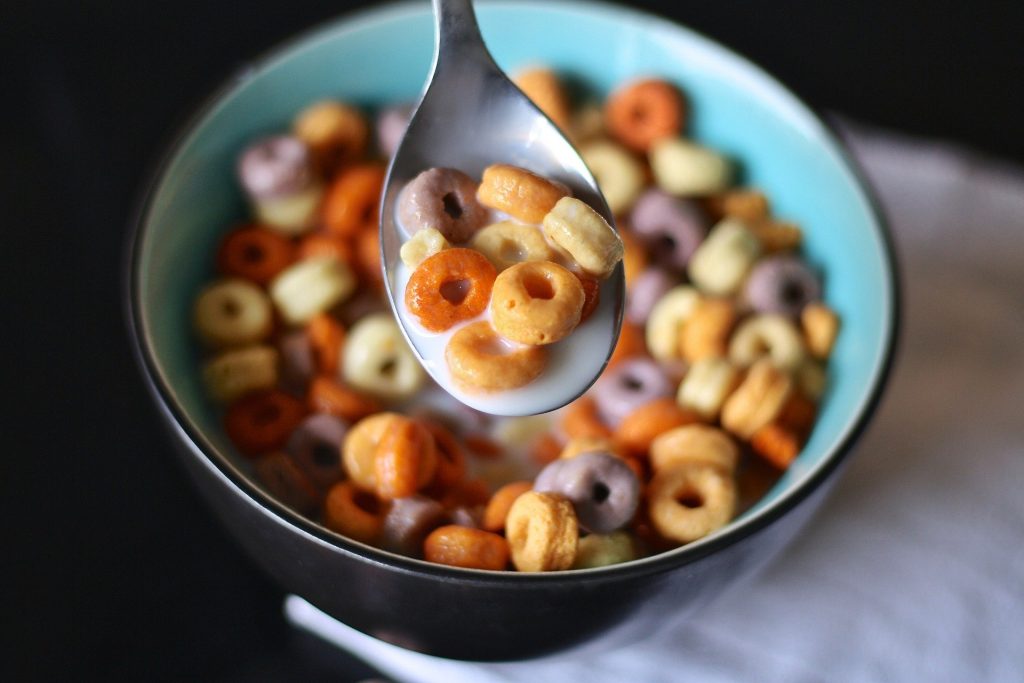
Foods marketed towards children often include more sugar and fewer essential nutrients than foods with less kid-friendly packaging. That is supported by a Canadian study that was just published in the journal PLOS ONE.

Nearly 6,000 distinct food items that were important to kids’ diets were examined by researchers, and they found that 13% of them had marketing targeted towards kids, with the potency of such marketing ranging from product to product.

Although there was a generally poor association between marketing effectiveness and general nutrient levels, the researchers found that the meals that were considered to be the most appealing to children had more sugar content than those in conventional packaging, with an average of 14.7 grams compared to 9 grams.

“While this study found variability in nutritional quality and composition depending on the food category and the nutrient, results showed that in many cases, products with child-appealing packaging were higher in nutrients of concern in particular, total sugars, free sugars, and sodium than products with non-child-appealing packaging,” the University of Toronto and the University of Ottawa researchers wrote in a press release.

Only two food categories—cereal and toaster pastries—had more than 50% of their marketing targeted at children out of all the foods examined. These were some of the goods that were actively sold to children.

Is marketing important?

How does one distinguish between “child-appealing” and unappealing content?

With a formalized system based on a dozen distinct categories, the researchers aimed to overcome this fundamental problem.

“The current lack of standardization in terms of definitions and methodologies for evaluating child-appeal is concerning,” the researchers stated.

According to them, “the specific marketing strategies that were advertised on product packages varied across food categories.” However, fundamental strategies that have historically been utilized in child-friendly marketing, such as using characters and appealing to fun or coolness, were still widely adopted across the sample.

Of course, kids don’t typically buy cereal or pastries for themselves, but kids’ interests often have an impact on their parents’ purchasing decisions.

“The ‘nag factor’ or ‘pester power’ is a term used to describe the influence that children, especially toddlers, and preschoolers, have on their parents’ purchasing decisions,” Agbai said. “Marketers are aware that kids can persuade their parents to buy a product they want by bothering or nagging them all the time. The theory is that the more a youngster requests a product, the more probable it is that the parent will cave and buy it.”

Children may influence their parents’ purchasing decisions, making them a desirable demographic to target for businesses, she continued. “This phenomenon is a potent force in the retail industry,” she said.

Need for more children’s product regulation and education

The researchers recommended that politicians enact more strenuous marketing rules to safeguard children to assist in reducing the promotion of less healthful foods directly to youngsters.

Paediatrician Dr. Daniel Ganjian, FAAP, of Providence Saint John’s Health Centre in California concurred, pointing out that physicians too have a part to play.

Ganjian advised us that parenting and pediatric organizations should publish a best-practices guide for marketing to children. “Parents should only patronize businesses and organizations that adhere to this philosophy.” Asking the government to control the promotion of unhealthy foods to children is another option.

Parents also have a responsibility

For parents, it’s learning what is actually healthy and unhealthy for their children, according to Florida-based dietitian Jesse Feder, RDN, who spoke with us.

Learning what these foods can do to your kids can help parents understand the severity of the situation,” he continued. “It’s crucial to inculcate healthy eating habits in children and to teach them why some foods are unhealthy and others are beneficial.”

Successful initiatives include, among others, adding nutritional information on menus in American restaurants, expanding access to healthy food in underserved areas, lowering the number of food swamps, and limiting the amounts of drinks and other goods sold at fast food restaurants.

Processed and packaged food safety

Dr. Christine Mulligan, the study’s principal author, claims that packaged foods for kids are extremely harmful and have minimal nutritional value.

“A lot of the products in our grocery stores are highly advertised to youngsters and have quite strong marketing campaigns. Christine Mulligan stated, “Unfortunately, we also discovered that these items are typically much more nutritionally inferior and highly unhealthy than those that aren’t being marketed to children.

Additionally, according to the researchers, the packaged goods that were found to be the most enticing to children were the ones with the highest sugar content, with an average of 14.7 grams as opposed to 9 grams for items with ordinary and unattractive packaging.

Researchers believe that things may get worse.

Given that the study only looked at packaged goods, researchers think that the issues with packaged foods may be even more severe. However, it is concerning because it is unknown how much marketing children actually encounter in daily life.

Kids learn about these items from social media, television, community centers, and other sources. As a result of all these marketing strategies, children become more aware of these products, which hurt their eating habits and contribute to the global epidemic of childhood diabetes, obesity, and other diet-related ailments.

More control of packaged foods for kids.

The researchers claim that to lessen the marketing of packaged goods directly to children, greater regulation and information on kids’ items are required.

To safeguard children’s health and general well-being, researchers contend that tougher regulations should be put in place today against the marketing of packaged foods.

According to Christine Mulligan, these regulations must be strict and all-encompassing to shield kids from these damaging marketing techniques wherever they go to live, play, and eat.

She advised parents to take charge in the interim and make some adjustments at home. Cooking and eating more meals at home can help parents monitor their child’s sugar and calorie intake.

There should be more control over packaged foods for kids. Mulligan also advises discussing with kids how the long-term health effects of companies and marketing strategies can affect them.

REFERENCES:

For high blood sugar medications that have been suggested by doctors worldwide are available here https://mygenericpharmacy.com/index.php?therapy=13
Eating Over 6 Teaspoons of Sugar increases health risk.

Eating Over 6 Teaspoons of Sugar increases health risk.

Although sugar is a natural component of food, it can also be added during production or cooking.

Understanding the risks of consuming too much sugar is still a work in progress for researchers.

According to a recent comprehensive analysis, sugar consumption is linked to a number of detrimental health effects, such as heart disease and other cancers. People can take action to reduce their use of added sugars and beverages with added sugar.

It’s important to provide the body with the nutrients it requires. To avoid obtaining too much or too little of any one vitamin, careful balancing is required. Although sugar is a nutritional staple, excessive sugar consumption can hurt one’s health.

Intake of dietary sugar was linked to several unfavorable health outcomes. This including as weight gain, gout, type 2 diabetes, cardiovascular disease, and specific forms of cancer. According to a recent review published in The BMJ, the quality of the evidence, nevertheless, varied.

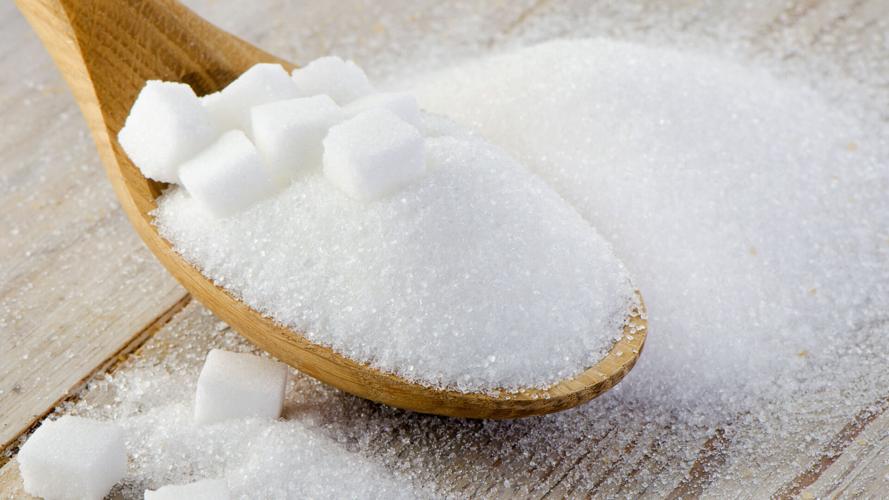
Based on these results, the review authors advise consumers to limit their intake of added sugars to six tablespoons or less per day and to have no more than one sugar-sweetened beverage per week.

Added sugars and natural sugars

A few different forms of carbohydrates fall under the umbrella phrase “dietary sugar.” As an illustration, sugars include glucose, fructose, and lactose. People will obtain some of the sugar they need by consuming foods like fruit or milk, which naturally contain some sugar.

Any sugar that producers or consumers add to foods is referred to as added sugar. Some organisations make suggestions for restricting the use of added sugars based on this distinction.

People cannot completely cut out sugar from their diets because the body needs a certain amount, but the source is crucial. Journalist and licenced dietician Molly Kimball clarified that she was not part in the study.

“Our bodies’ main energy source, including the brain, the central nervous system, and the muscles, is glucose. Your body’s cells require glucose to survive. But since many foods, including proteins and carbohydrate-containing foods like vegetables and whole grains, can be naturally transformed by our bodies into glucose, we don’t need to include extra sugars such as sucrose or glucose into our meals.

In order to provide the best advice on sugar consumption, researchers are still examining the available data.

How dietary sugar affects health?

Over 8,500 articles total, spread across 73 meta-analyses, were considered in this comprehensive evaluation. The review’s authors sought to investigate the effects of dietary sugar consumption on health outcomes. The intake of beverages with added sugar was one particular topic of attention because it might be a substantial source of extra sugar.

The authors of the review discovered a number of negative links between eating sugar and poor health outcomes. They found the following highlights in their research:

Greater body weight was linked to greater consumption of sugar-sweetened beverages. A higher risk of gout, a higher risk of coronary heart disease, and an increased risk of all-cause mortality were all linked to increasing use of sugar-sweetened beverages.

Consuming dietary sugar was linked to an increased chance of developing specific cancers, including as pancreatic, breast, prostate, and total cancer mortality.

Consuming dietary sugar has been linked to a number of detrimental cardiovascular outcomes, such as hypertension, coronary heart disease, heart attacks, and stroke.

They also discovered a few other detrimental links between consuming sugar and 45 different health issues, such as melancholy, oral health issues, and childhood asthma.

The evidence linking sugar consumption to cancer is currently weak, according to researchers, and this subject needs more research. The strength of the evidence supporting the correlations was also inconsistent.

Additionally not engaged in the study, Dr. Felix Spiegel, a bariatric surgeon at Memorial Hermann in Houston, Texas, made the following observations:

The review’s conclusions are strong and compelling. Consuming too much sugar significantly raises the risk of metabolic diseases like diabetes, cancer, heart disease, psychiatric disorders, and dental issues.

Study restrictions

This review did have several shortcomings. First, scientists admit that there was a chance for some publication bias. Second, the researchers were constrained by the limitations of the studies they reviewed and by the variations among the investigations. Studies, for instance, have examined sugar intake using a variety of techniques, many of which have a high potential for data collection errors. Studies also used various methods to calculate sugar intake.

Reviewers were unable to determine the amount of sugar in certain items. The authors also emphasise how crucial it is to look for multiple confounding variables before interpreting results and drawing conclusions.

Because of funding conflicts, some of the analyses that were included had outcomes that should be read with caution. Last but not least, the present reviewers neglected to consider the conflicting objectives of the many studies from the meta-analyses they examined.

Decrease your sugar consumption

People can take action to reduce their intake of added sugars by consulting with medical specialists and other experts as necessary. Although every person has different needs, the findings of this study indicate that restricting added sugars may help prevent some undesirable health effects.

Dr. Spiegel provided the following recommendations for cutting back on sugar intake:

“Reading labels and checking for hidden sugar are two steps to decrease consumption. Avoiding packaged foods is also a great idea. Fruits are a great alternative that is also highly beneficial. Simple grilling or air frying should be used for meat, fish, and poultry without the addition of seasoning or glaze. Instead, use a lot of natural spices. Constantly consuming water is also beneficial. Avoiding sugary alcoholic beverages can help limit overconsumption of sugar.

The natural glucose required to maintain a healthy body will be provided by fruits, vegetables, whole grains, and lean meats. If you do consume packaged goods, check the nutritional labels and be aware of how specific foods affect your daily sugar intake, advised registered dietitian Molly Kimball, who was not involved in the study.

Takeaway

An connection between sugar consumption and 45 health outcomes, such as heart disease, diabetes, obesity, asthma, depression, several malignancies, and death, has recently been discovered by a new meta-review.

Health professionals advise limiting added sugar consumption to 6 teaspoons per day. Fresh or frozen fruit, low- or no-sugar yogurts, sugar-free sweeteners like stevia, and other foods are examples of low-sugar substitutes. Additionally, it’s crucial to pay attention to portion management.

REFERENCES:

For Diabetes medications that have been suggested by doctors worldwide are available here https://mygenericpharmacy.com/index.php?therapy=13
Innovative ways to stay hydrated without drinking water

Innovative ways to stay hydrated without drinking water

We like a water break as much as the next fitness fanatic after a strenuous workout. But as the temperature rises, it’s critical to pay close attention to our fluid intake throughout the day. Water is, after all, the most crucial nutrient that our body requires.

For optimum performance, your body must maintain adequate hydration. Other than drinking water, there are a number of quick ways to restore your body’s equilibrium and treat dehydration, including eating fruits and vegetables or consuming other liquids.

After engaging in any activity that results in excessive perspiration, such as a strenuous workout, a sauna session, or a hot yoga class, it’s critical to rehydrate.

Rehydrating is essential for avoiding the negative consequences of dehydration whether you have the stomach bug or are recovering from a night of drinking.

Signs and symptoms of dehydration

Your body needs water to function in order for every cell, tissue, and organ to exist.

Water aids in the transportation of nutrients, the elimination of waste, the circulation of blood, and the regulation of body temperature. That implies that if you’re dehydrated, which occurs when you lose more fluids than you take in, your body can’t adequately accomplish these functions.

For instance, vomiting, diarrhoea, sweating, or using diuretic drugs that cause increased fluid loss can all cause dehydration.

Dehydration is more common in some populations than others, including children, the elderly, and those with particular illnesses including diabetes and kidney disease.

Dehydration symptoms and signs include:

  • heightened thirst
  • mouth ache
  • sporadic urination
  • arid skin
  • tiredness
  • dizziness
  • headache

Another typical sign of hydration state is the colour of the urine. Generally speaking, the better hydrated you are, the paler the hue. However, the hue can alter for causes other than your level of hydration, such as food, drug use, and some medical problems.

However, older persons cannot use urine colour as a reliable predictor of hydration, according to studies. Here are some methods for swiftly rehydrating if you’re concerned about your or another person’s level of hydration.

Water

Although it probably comes as no surprise, drinking water is frequently the best and most affordable approach to rehydrate.

Water is the best beverage to consume throughout the day and in particular when you need to rehydrate, such as after a workout because it has no added sweets or calories.

It’s important to note that some people lose more salt through sweating than others due to a variety of variables, including heredity. If you get regular muscle cramps after working out or your perspiration irritates your eyes, you may be a “salty sweater”.

If either of these situations describes you, replace both the fluid and salt you lose via sweat, especially after engaging in vigorous or protracted exercise in warm weather.

But, the sodium you lose through perspiration may readily be restored through a balanced meal unless you’re engaging in a prolonged, intensive activity like an ultra-endurance race in a hot area. However, older persons cannot use urine colour as a reliable predictor of hydration, according to studies.

Here are the five greatest methods for swiftly rehydrating if you’re concerned about your or another person’s level of hydration.

Tea and coffee

Caffeine, a stimulant found in coffee and tea, can temporarily dehydrate you if you consume too much of it since it has a diuretic effect. Yet, moderate use of coffee and tea can be just as hydrating as consuming water and act as an invigorating substitute.

Only at doses of 250–300 mg, or around two to three 8-ounce (240 ml) cups of coffee or five to eight 8-ounce (240 ml) cups of tea, can caffeine become dehydrating.

50 frequent coffee users participated in the trial, consuming 4 cups (800 ml) of coffee with 1.8 mg of caffeine per pound (or 4 mg per kilogramme) of body weight per day. It found no discernible differences in the ability of water and coffee to hydrate.

If you don’t like these drinks pure, you may flavour them with herbs and spices like cinnamon, nutmeg, or lemongrass in your tea or unsweetened almond milk in your coffee.

Low-fat and skim milk

Milk not only contains a variety of nutrients, but it also has good moisturising qualities. High levels of electrolytes are found in milk naturally, which helps keep your body’s water equilibrium.

During vigorous exercise, research has shown that skim and low-fat milk can help you rehydrate just as effectively as popular sports beverages while still offering you protein and other crucial elements.

Milk is a great post-exercise beverage for accelerating muscle repair and regeneration because of the high quality protein it contains. Just keep in mind that drinking milk after exercise may induce bloating and other stomach issues. Moreover, it is not a suitable alternative for those who are lactose or specific milk protein sensitive.

If you are having vomiting or diarrhoea, it might not be a good idea to drink milk, especially full fat milk, as it could make these symptoms worse.

Fresh fruits and vegetables can take days or even weeks to reach your plate. In such period, oxidation may result in nutritional loss. On the other hand, frozen fruits and vegetables are preserved with the majority of their nutrients since they are frozen soon after being harvested.

For instance, a research found that frozen blueberries and green beans had higher vitamin C levels than their fresh equivalents.

Try blending your favourite fresh or frozen fruits and veggies with milk or Greek yoghurt to create a refreshing, nutrient-rich smoothie.

Oral hydration solutions

Specialized formulae known as oral hydration solutions are used to both prevent and cure dehydration brought on by diarrhoea or vomiting.

They’ve also been touted as a way to boost post-workout recovery and avoid or alleviate hangovers.

These fluid-based solutions frequently include sugar, usually in the form of dextrose, as well as electrolytes including sodium, chloride, and potassium. Prebiotics and zinc are two additional components included in certain commercial treatments.

These rehydration liquids aid in replenishing electrolytes and lost fluids, but they can be pricey. Fortunately, you can create your own with the following everyday kitchen items:

  • 1 litre of water in 34 ounces
  • Sugar, 6 teaspoons
  • Salt, 1/2 teaspoon

Conclusion

Your body becomes dehydrated when it loses more fluids than it is consuming. The greatest strategy to stay hydrated and rehydrate is, for the majority of individuals, to drink water.

Coffee, tea, milk, fruits, vegetables, and oral hydration products are other options.

If you have any concerns about your or another person’s level of hydration, don’t be afraid to talk to your healthcare professional.

REFERENCES:

For more details, kindly visit below.

Important ways to consider to avoid afternoon slumps.

Important ways to consider to avoid afternoon slumps.

The majority of us have experienced highly productive mornings where we finished assignments. Also, worked to clear our inboxes and resisted the impulse to tweet at our coworkers. As 2:00 rolls around, you might as well close the blinds, put on your jammies, and go to bed.

Whenever the afternoon comes around, it’s quite normal to feel extremely exhausted. The noon slump can be caused by circadian rhythms, which have an impact on your sleep patterns.

You may wish to take an afternoon nap because your “sleep signals” actually peak at night and in the afternoon (at around 2 p.m.).

Your energy may also be impacted by other elements, such as what you eat, and how well you’re hydrated. Also, how much time do you spend staring at a screen.

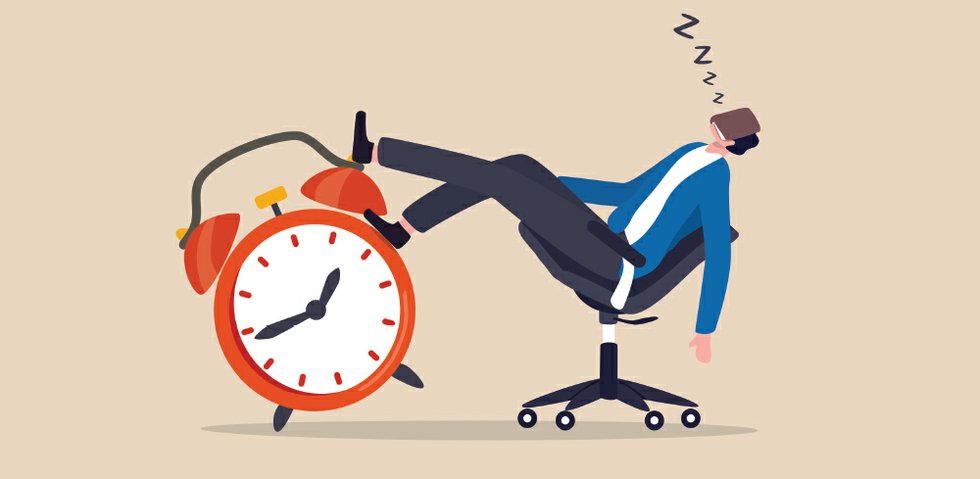
Consider it time to relax on your office chair. Here are some strategies for combating weariness as soon as it manifests.

What is the Afternoon Slump?

As your energy levels drop in the late afternoon, it’s known as the afternoon slump. You may find it difficult to focus at work, lose interest in working exercise, and feel overall lethargic. Also, slow, and unable to think of anything other than snatching up another cup of coffee or fitting in a quick sleep.

Not simply in the mid-afternoon slump do you feel exhausted. Your morals and self-control are compromised, as well as your ability to drive safely.

What Causes the Afternoon Slump?

Contrary to popular perception, a big lunch is not what causes the afternoon slump (but it can be exacerbated by one). Your circadian cycle is to blame.

The internal biological clock in your body is called the circadian rhythm. This clock regulates things like your sleep-wake cycle when your body generates specific hormones. Also, when your body temperature changes on an approximately 24-hour cycle.

Your daily timing can vary, but your generally steady flow of energy takes the form of:

  • You experience grogginess or sleep inertia when you awaken.
  • You experience your initial energy surge in the morning.
  • You have an afternoon blah.
  • In the late afternoon or early evening, you experience a second-wind energy surge.
  • Your activity level decreases till sleep

So, the majority of the time, your body’s biological makeup is to blame for your energy slump in the afternoon. There might, however, be more factors at work.

You might experience afternoon fatigue more than usual if:

  • You haven’t had enough rest.
  • Your circadian cycle is out of whack.
  • You suffer from a sleeping issue such as sleep apnea.
  • You have a medical issue like ADHD that makes it difficult for you to sleep and stay awake.

How to Beat the Afternoon Slump?

Lower Your Sleep Debt

The amount of sleep you owe your body in total is called your sleep debt. It is compared to your sleep demand, which is the amount of sleep per night that is controlled by your genes.

According to one study, the recommended amount of sleep per night is 8 hours 40 minutes, plus or minus 10 minutes. Although 13.5% of people may require 9 hours or more.

To find out your exact number, turn to the RISE app. Your exact amount of sleep is determined by RISE using historical phone use data and proprietary sleep science-based models. The amount of sleep debt you are carrying can then be calculated by the app. To feel and perform at your best, we measure this over the previous 14 nights and advise that you keep it under five hours.

Even while you can always have a fall in energy in the afternoon, you’ll notice it more after a sleepless night or when your sleep debt is high. Reduce your sleep debt to lessen how tired you feel overall and in the afternoon slump.

Sync Up with Your Circadian Rhythm

Your circadian rhythm is what makes you feel so weary in the afternoons, but if you’re not synchronizing your lifestyle with it, you may feel even less energised at this time and throughout the rest of the day. Circadian rhythm may be out of whack if:

  • You work the night shift.
  • You’re living contrary to your chronotype. For example, if you force yourself to get up early while being a night owl. Here, we discuss how to maximize the potential of your chronotype.
  • When your physiological clock and social clock don’t sync. This can happen due to an erratic sleep routine, you get social jet lag. For instance, 87% of us, on average, go to bed two hours later on the weekends than we do during the week.

Schedule Your Day

You can lessen how severely the afternoon slump affects you each day by reducing your sleep debt and synchronizing with your circadian clock. The energy slump is still a normal aspect of your biology, therefore you’ll probably always experience it to some degree.

Working with the slump rather than against it will help you if you can’t overcome it. Employ rise to determine when your daily afternoon slump will occur, and then plan your day accordingly.

For instance, if at all possible, plan simpler work for your afternoon slump, such as administrative duties, emails, and catch-up meetings with low stakes. Reserve laborious chores, like writing, programming, or making presentations, for when your energy is at its highest.

Take a Break

Sometimes, during your afternoon energy slump, you can’t even do simple administrative activities. It’s better to take a break at this point and take a step back.

Take a stroll, finish some pointless housework, or engage in a soothing hobby like reading or listening to music. After you feel more energised and capable of being productive, return to work.

Use your weekend afternoon slump for some peace and quiet. Read a book, watch TV, or snooze with the kids (more on the power of naps below).

According to research, judges tend to make less favourable decisions on cases as the day goes on, but taking a break allows them to refocus. It is preferable to take brief but frequent breaks throughout the day, and to avoid waiting until the end of your schedule. Even taking pauses has been found to keep you focused on your objectives.

Work on a Task

Although if it doesn’t seem like it while you’re exhausted, the afternoon slump may be the ideal time to concentrate on a project that calls for insight, creativity, and problem-solving abilities.

According to research, you might be more adept at these tasks when your circadian cycle is not at its best. Hence, even though the afternoon is typically best suited for simple chores, try working on a challenging job on your to-do list during your afternoon slump to see if your brain can come up with new answers then.

Go to sleep

If you’re sleep deprived, taking a nap will help you reduce your sleep debt and increase your vitality. Even if you’ve been getting enough sleep lately, a midday nap can still assist to increase your energy, mood, and performance.

The best time to take a nap is also during your afternoon slump because sleeping now shouldn’t make it more difficult to fall asleep later.

It has been demonstrated that taking a 10-minute sleep in the afternoon increases vigour, vitality, and cognitive performance. Some of these advantages remain for more than 2.5 hours, so you should be able to finish the rest of the workday.

Get Some Exercise

The last thing on your mind in the afternoon when you’re feeling drowsy is exercising. Nonetheless, exercising might aid in removing exhaustion so that you can return to work feeling rejuvenated.

Even while you might not be setting any personal records at the gym, if you want to save your energy peaks for work and family time, your afternoon energy slump may be the perfect time to work out.

Also, a 2020 study indicated that exercising between 3 and 6 p.m. had greater metabolic benefits than exercising between 8 and 10 a.m. for people who were either at risk for or had been diagnosed with type 2 diabetes.

Drink Caffeine in the Morning but avoid in afternoon

The seductive call of a cup of coffee might be difficult to resist when the afternoon slump sets in. Yet, caffeine can stay in your system for up to 12 hours, so an innocent cup of coffee at 3 p.m. might keep you up at night. Your sleep debt will increase as a result, which will worsen your afternoon slump the following day.

Yet there’s another way that coffee can help you get through the mid-afternoon lull.

The half-life of caffeine is between three and seven hours. Thus, it takes three to seven hours for the quantity of caffeine in your system to decrease by half, and another three to seven hours for it to decrease by half once again, and so on.

Socialize with Friends or Colleagues 

Your energy can increase by socialising. Hence, if you’re experiencing a mid-afternoon energy slump, stop by a colleague’s desk for some energising small talk (if they’re also experiencing a dip in energy) or work on a project together. During this time, you can also take a break and talk to a friend or family member.

As you interact with others, dopamine and oxytocin are released, which improves your mood, lowers your cortisol levels, and lessens stress.

Need one more justification to invest in relationships? Your sleep may improve, giving you more energy throughout the day and throughout the afternoon slump.

Get Some Natural Light

Your energy can increase by socialising. Hence, if you’re experiencing a mid-afternoon energy slump, stop by a colleague’s desk for some energising small talk (if they’re also experiencing a dip in energy) or work on a project together. During this time, you can also take a break and talk to a friend or family member.

As you interact with others, dopamine and oxytocin are released, which improves your mood, lowers your cortisol levels, and lessens stress.

Need one more justification to invest in relationships? It might help you get better sleep, which will give you more energy throughout the day, including during the afternoon slump.

Eat a Healthy Lunch 

We know we mentioned your lunch isn’t the cause of the afternoon slump, but if you eat the wrong items, it can make matters worse. Your afternoon energy slump may be considerably worse than usual if you eat a meal high in carbohydrates or sugary snacks.

According to research, a big lunch results in higher drowsiness and subpar performance on simulated driving exams. Make a point of choosing lunches that are high in vegetables, whole grains, complex carbohydrates, and healthy fats.

Go for things like bananas, chickpeas, kimchi, and tempeh. A 2022 study revealed that a diet strong in prebiotic and fermented foods reduced felt stress and increased subjective sleep quality.

REFERENCES:

For more details, kindly visit below.

Typical lifestyle habits that can kill your sex lfe.

Typical lifestyle habits that can kill your sex lfe.

Do you believe your lover no longer wants to have sex? Do you believe that there aren’t many sexual embers in the bedroom? Let us warn you that the issue is not with your partner before you lash out and place the blame there. There are other factors at play than your relationship. Your sex drive might be killed by a number of habits.

Working long hours, drinking alcohol, and having stringent deadlines frequently cause couples to place less significance on their sexual life. Because of our way of life, we frequently prefer to disregard our personal lives. Perhaps you are also leading a lifestyle that is killing your sex drive without you realising it. We have provided a list of unhealthy behaviours that are impacting your sex desire to better help you understand. Long sex sessions, dirty moments, and flirting with one another all become faraway dreams.

Huddling in bed with your iPad

Indeed, it can be challenging to stop using Pinterest or to resist binge-watching the newest Orange Is the New Black season. But time, passion, and emotional energy can be lost to technology. Many women claim they have no time for sex, but Andrea Syrtash, a relationship specialist and the author of Cheat on Your Husband, notes that many admit to checking Facebook an hour before bed (With Your Husband). Also, sending that final email before turning out the lights ensures that you are concentrating on your work and not on getting into bed with your spouse.

Dr. Jane Greer, a marriage and sex therapist in New York, argues that this means that emotionally, you are elsewhere. (Having a TV in the bedroom also doesn’t help: A new study reveals that couples only engage in sexual activity half as frequently!) To reduce distractions, both experts advise turning off your electronics an hour before bed.

Eating much or too late

According to Dr. Rachel A. Sussman, LCSW, stress and busy schedules both contribute to late dinners, midnight snacking, and overeating. “Such habits can make us drained, stuffed, and self-conscious.” What occurs when we don’t feel good about ourselves, do you know? a great deal of nothing. she gave? Consider sex as your dessert, Sussman exhorts. “There’s a fairly good possibility that if you eat less, you’re going to have more energy and want to have sex later that evening.” (And, afterward, you can always have something sweet.)

Adding an extra wine glass

Another cunning culprit that can be putting a stop to your desire is alcohol usage. Sussman says, “People frequently drink to deal with stress, but it might backfire, making them fatigued or grumpy. Why? since alcohol has a depressive effect. But, not all alcoholic beverages are unhealthy; just be mindful of your intake. Sussman continues, “A little bit can excite you on, but too much can definitely destroy a sex drive and make it hard to orgasm.

Allowing your pet to sleep in your bed

We comprehend. The puppy-dog eyes are difficult to avoid. However, Virginia Sadock, M.D., Head of the Department in Human Sexuality at NYU Langone Medical Center, advises against bringing pets into the bedroom. In fact, your dog might gain from giving you some breathing room. Pets, like kids, don’t appreciate being left out, but Sadock observes that they dislike parental conflict even less. And since having sex helps relieve stress, shut the door for the evening.

Being a one-trick pony 

Monogamy can get boring after a while. Routines are simple to get into, especially once you find one that “works,” but restraining yourself from repeating the same moves will help keep you interested in playing again. Sussman advises doing some reading, experimenting with different body postures, or coming up with original techniques to entice your partner: “It doesn’t need to be difficult. As simple as flirting can do it.”

Always taking the kids on vacation

In a family situation, Disney World typically prevails over Aruba. Yet, a February 2013 study commissioned by the U.S. Travel Association found that couples who travel together at least once a year have more contented sexual lives. A weekend getaway might foster greater connection than meagre presents. Thus, avoid giving gifts of affection and spend more on vacations by saving your money.

Putting on your jammies

That baggy tee or prairie-chic plaid dress are probably not helping either of you feel particularly motivated. Syrtash notes that wearing gorgeous underwear can make sexual activity feel more seductive. “If you often wear granny pants to bed, try switching it up with sensuous materials that feel wonderful on your skin. You’ll feel sensual, and he’ll think it’s sexy.” Hence, everyone benefits.

Skipping the gym

Confidence doesn’t mean you should let everything go: “A moderate amount of exercise helps you build up stamina, it energises you, and it is also a fantastic method to release anxiety,” advises Sadock. The more energy you have left over to feel aroused for sex, the less energy you are expending on feeling anxious. A University of Florida research found that post-workout sex can be fantastic. Why? Even if you haven’t dropped any weight, you end up feeling more confident and liberated.

Not setting aside any “special time”

Although it may not sound romantic, organising romps in the bedroom improves them by frequently removing guilt. “It’s easy to feel like you always have something more important to be doing than having sex if you’re a really busy person, especially a stay-at-home mom or a working mom,” Sussman claims, adding that she advises arranging couples’ time at least once a week.

Passing up those small opportunities to connect

Additionally, you can revive your libido outside of the bedroom. According to Sadock, lunch dates are particularly helpful for helping couples reconnect on a deeper level. “Twenty minutes of talking — when you’re not washing the dishes, folding clothes, or watching TV — helps you reconnect with your partner on a deeper level,” she says. It’s uniquely nice because it’s a rest during the day and you’re not as worn out as you are at night.

Waiting for the appropriate time

Do it now. Seriously. The decline in oestrogen levels that occurs in women as they age, as well as after giving birth, can cause dryness in the vagina and decreased desire. Yet, starting to kiss and fondle while being out of the mood can actually turn you on. You can thank us later if you try it.

News viewing while in bed

The mood could be seriously destroyed by watching the news while in bed. The news can be downright gloomy at times, which may be negatively affecting your sex life by lowering your desire or putting you in a depressed frame of mind.

Having insufficient sleep

A weak sex desire could be caused by insufficient z’s. Changes in hormone levels result in a decrease in libido when sleep is lacking. Also, being sleep deprived can make you feel bad, which means you probably won’t be in the mood for an intimate relationship with your spouse.

Avoid letting these negative behaviours spoil your sexual life. Make an effort to keep things exciting in the bedroom and cherish that connection with your lover!

REFERENCES:

For more details, kindly visit below.

What are the Mistakes Even Healthy People Make?

What are the Mistakes Even Healthy People Make?

You choose healthy foods, exercise (when you can), and keep an eye on your weight. That indicates your good health, right?

Not always so; many persons who are currently in excellent health have habits or convictions that may put them at risk for disease or damage in the future.

Even those who are most concerned about their health have the potential to make some mistakes. Let’s examine a few of these and make every effort to steer clear of them.

You always buy organic

For some goods, like beef or strawberries, buying organic is a good idea; but, for other things, like avocados or eggs, it doesn’t really make a difference.

Also, don’t automatically believe that just because something is organic, it must also be healthful. For one reason, organic options are typically more expensive. Moreover, sugary cereals and high-calorie, high-fat organic granola bars are just as unhealthy as their non-organic counterparts.

You don’t socialize enough

Don’t forget to check in with your friends occasionally, even though you might feel good about yourself on your long solo runs. According to studies, social media is beneficial to your health as well.

Strive to arrange frequent get-togethers with pals, whether it be for a book club meeting or a game of poker. (There’s no requirement to base it on exercise, but that’s fine.

Absence from Breakfast

Beginning your day without breakfast is similar to driving a car with minimal gasoline capacity; it may get you there for a short while, but it will quickly feel sluggish before coming to a complete stop. Every morning, you should start with a nutritious breakfast to get you ready for the day. Because your body will store fat if it doesn’t get enough nutrition in the morning to use as energy throughout the day, skipping breakfast might increase your risk of diabetes and potentially cause obesity.

Having a nutritious breakfast offers various health advantages, including raising metabolism, preserving blood sugar levels, and enhancing focus.

Sleep is compromised

Do you think going to the gym at 5 a.m. is a smart idea? According to Gary Rogg, MD, a primary care physician and assistant professor at Montefiore Medical Center in the Bronx, New York, you shouldn’t if you should be sleeping instead. People need at least seven hours of sleep per night for optimal health, and studies have consistently shown that getting less sleep leads to a variety of health issues, such as high blood pressure, depression, diabetes, and a weakened immunological response to vaccinations.

You lack supplement savvy

When it comes to vitamins and supplements, more is not always better, and having too much of a good thing can be dangerous.

In 2011, data on approximately 40,000 women were analysed, and it was discovered that those who took nutritional supplements, particularly iron, were actually at higher risk for

marginally increased risk of death, but the researchers weren’t sure why. Dr. Rogg claims that there are no very extensive studies that conclusively demonstrate the advantages of taking vitamin and mineral supplements. “Use the suggested daily doses while taking supplements, and take them in moderation.”

You get unnecessary tests

When it comes to medical tests, more is not necessarily better, just like with vitamins and minerals. Particularly exams that are promoted to customers directly, like the heart calcium scoring test. Dr. Rogg explains that while this test, a CT scan that looks for calcium deposits in the cardiac arteries, is helpful for some at-risk individuals, it isn’t appropriate for everyone. The equivalent of 25 to 50 chest X-rays worth of radiation is also exposed to you in this process.

A campaign called ChoosingWisely has been started by a number of US medical specialty groups to highlight the overuse of 45 medical tests and to urge doctors to steer clear of procedures and tests that may not be as beneficial as they claim to be.

Exercising Too Much

You should exercise more if you have more time, right? Wrong. Too much exercise can really work against your fitness and health. A weakened immune system, muscular injury, shin splints, and aberrant hormone changes can all result from overworking your body (which can cause weight gain.) It goes without saying that exercise should play a significant role in your daily life. But, it’s crucial to avoid overdoing it.

Your body needs time to heal, so give it that time. You may notice a lack of development, develop more ailments or illnesses, struggle with a lack of drive, or have trouble falling asleep as some telltale indicators that you may be overtraining.

Suddenly Stopping Medicines

Many of us have made this decision on our own, stopping the medication we were prescribed when we began to feel better and then wondering why we ended up feeling worse. Depending on the drug you have been taking, abruptly discontinuing it can have mild to major health effects. By choosing to stop taking your medication, you run the risk of experiencing headaches, a recurrence of the condition you were treating, and in more extreme circumstances, seizures.

The basic message is that discontinuing some medications suddenly might be dangerous, therefore you should only stop taking medication when your doctor instructs you to.

You’re Stressed Out

Make a list of everything that is causing you tension and write it down. This is one of the best techniques to rapidly reduce stress. You should include tasks you have to complete, worries on your mind, and anything else you feel raises your stress level. Once everything is written down, arrange it like a to-do list and begin tackling each issue one at a time. By doing this, you’ll be able to relieve your stress and get your body moving to deal with each problem.

REFERENCES:

  • https://www.health.com/weight-loss/27-mistakes-healthy-people-make
  • https://www.realbuzz.com/articles-interests/health/article/10-health-mistakes-that-everyone-makes/
  • https://www.thedailystar.net/health/healthcare/news/neonatal-danger-signs-are-new-mothers-aware-enough-3250181
  • https://sixworkout.com/5-dumb-mistakes-healthy-people-make/

For more details, kindly visit below.