Browsed by
Category: Liver disease

Important causes and symptoms of Hepatitis B.

Important causes and symptoms of Hepatitis B.

What is hepatitis B?

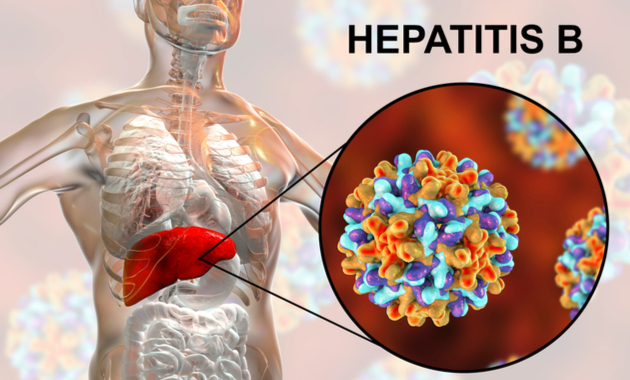
A liver infection known as hepatitis B is brought on by the hepatitis B virus (HBV). One of the five varieties of viral hepatitis is HBV. Hepatitis A, C, D, and E make up the other four. Each one is a distinct kind of virus. The most likely types to develop chronic or long-lasting are types B and C.
Around 296 million individuals worldwide are thought to be infected with hepatitis B, according to the World Health Organization. In 2019, around 1.5 million new cases of chronic hepatitis B were reported.

Acute or chronic HBV infection are both possible. Adults with acute hepatitis B experience sudden onset of symptoms. Rarely do newborns who receive hepatitis B at birth simply experience acute symptoms. The majority of baby hepatitis B infections progress to chronic disease.

What are the types of hepatitis B?

Hepatitis B infections come in two flavours: acute and chronic.

Acute

When you contract hepatitis B for the first time, an acute infection occurs. Many people can get it out of their bodies and feel better. In fact, roughly 4 out of 5 sick adults fit this description.

Chronic

You have chronic hepatitis B if you are unable to get rid of the virus within six months or longer. (Chronic denotes continual.) The dangerous, sometimes fatal diseases of liver cancer and cirrhosis of the liver are caused by chronic hepatitis B, which also causes inflammation. Treatment can halt the progression of the condition, lower the risk of developing liver cancer, and improve survival rates.

What are the symptoms of hepatitis B?

Acute hepatitis B symptoms can not show up for several months. However, typical signs include:

An early evaluation is required for any hepatitis B symptoms. Acute hepatitis B symptoms worsen in those over 60. If you believe you may have been exposed to hepatitis B, tell your doctor right once. It’s possible that you can stop an infection.

How common is hepatitis B?

According to the WHO, around 296 million people around the globe live with chronic HBV. Around 1.5 million new infections occur every year.

According to the Centers for Disease Control and Prevention (CDC), chronic hepatitis B affects approximately 1.2 million people in the United States.

But HBV often goes undetected. In fact, the WHO estimates that only about 10.5% of people living with hepatitis B were aware of their condition as of 2019.

Causes and risk factors for hepatitis B

A viral infection called hepatitis B can be spread by blood or other body fluids like vaginal or sperm.

Hepatitis B can be spread, among other things, by:

  • having intercourse without using a condom or other barrier techniques with a person who has HBV
  • sharing blood-contaminated razors, nail clippers, or toothbrushes
  • getting a tattoo or a body piercing with unsterilized equipment
  • sharing needles, syringes, or other supplies while injecting narcotics
  • from a parent giving birth to a newborn child

Although the virus may be found in the saliva, hepatitis B is not transmitted through:

  • kissing
  • sneezing
  • coughing
  • sharing cutlery

HBV infection is more likely to occur in some groups than others. These comprise of:

  • medical professionals
  • users of injectable medications
  • infants conceived by HBV-positive parents
  • HBV-positive individuals’ sexual partners
  • people with renal disease who are on dialysis

Complications of hepatitis B

Chronic hepatitis B complications include:

  • the hepatitis D virus
  • hepatic scarring (cirrhosis)
  • liver damage
  • liver tumour
  • death

Only those who have hepatitis B can get hepatitis D. Although hepatitis D is rare in the US, it can also cause chronic liver disease.

REFERENCES:

For more details, kindly visit below.

What are the possible ways to prevent Hepatitis A?

What are the possible ways to prevent Hepatitis A?

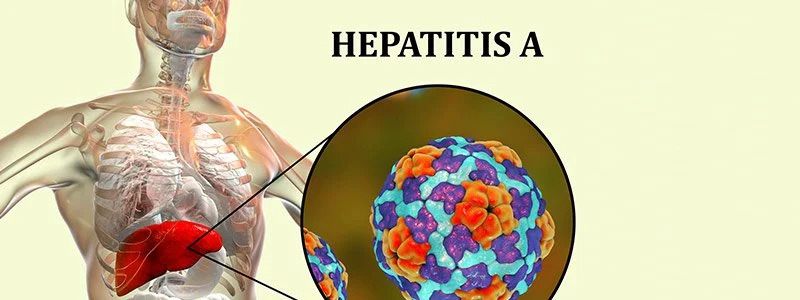
The hepatitis A virus, which causes hepatitis A, causes liver inflammation (HAV). When an uninfected (and unvaccinated) individual consumes food or water that has been tainted by an infected person’s faeces, the virus is most commonly disseminated. Oral-anal sex, contaminated food or water, poor sanitation, poor personal hygiene, and these factors are all strongly linked to the disease.

Hepatitis A can induce crippling symptoms and, less frequently, fulminant hepatitis (rapid liver failure), which is frequently fatal. Hepatitis A does not cause chronic liver disease, unlike hepatitis B and C. According to WHO estimates, 7134 people worldwide passed away with hepatitis A in 2016 (which accounts for 0.5% of the mortality from viral hepatitis).

Hepatitis A is sporadic and prevalent over the world, with a propensity for cyclical recurrences. Contaminated food or water-related epidemics can break out violently, as was the case with the pandemic in Shanghai in 1988 that impacted around 300,000 people. Additionally, they have the potential to spread from person to person, devastating communities for months at a time. Hepatitis A viruses can withstand food production techniques that are often intended to kill or control bacterial diseases and persist in the environment.

Hepatitis A Symptoms

If you have this infection, your liver is inflamed because of the virus. Numerous children, in particular, lack symptoms in some persons. Others may have:

  • Jaundice (yellow eyes and skin)
  • belly ache
  • dark urine
  • reduced appetite
  • uneasy stomach
  • Vomiting
  • Itching
  • Light-colored faeces
  • aching joints
  • Fever
  • Diarrhea
  • Fatigue

Although they may recur for up to six months, these issues often go away after around two months. Even if you feel healthy, the hepatitis A virus can still be transferred. Additionally, you can spread it in the two weeks prior to and the first week following the onset of your symptoms.

What causes hepatitis A?

Hepatitis A infections occur in people who have HAV. Typically, this virus is spread by consuming food or beverage that has been tainted with faeces that have the virus in them. Once it has been distributed, the virus enters the bloodstream and travels to the liver, where it produces swelling and inflammation.

HAV can be transferred by direct contact with an infected individual in addition to through the consumption of contaminated food or water. A person with hepatitis A can easily infect others residing in the same home since HAV is infectious.

Hepatitis A can be acquired by:

  • eating food prepared by a hepatitis A carrier
  • consuming food that has been prepared by staff members whose hands haven’t been thoroughly washed before handling it.
  • consuming raw seafood that has been tainted with sewage
  • a sexual relationship with a hepatitis A patient
  • consuming contaminated water
  • interacting with faeces that are hepatitis A-infected

Before any symptoms even show, you will be infectious if you get the virus. After symptoms start, the infectious period lasts for around 1 week.

Who is at risk of getting hepatitis A?

Hepatitis A is a highly contagious disease that often spreads from person to person. However, a few things can make you more likely to have it, like:

  • residing (or staying for an extended period of time) in a region where hepatitis A is widespread, such as the majority of nations with subpar sanitation or inadequate access to safe water
  • drug injection or drug use
  • living with a hepatitis A-positive person in the same home
  • having intercourse with a hepatitis A positive person (barrier measures don’t effectively stop the spread of hepatitis A)
  • an HIV-positive status
  • involving non-human primates in work

By the age of 10, more than 90% of kids in nations with poor sanitation will have contracted hepatitis A, according to a trusted source from the World Health Organization (WHO).

Is there any way to prevent hepatitis A?

Getting the hepatitis A vaccine is the best strategy to prevent contracting hepatitis A. Two shots of this vaccination are administered in a series, six to twelve months apart.

Get your immunisation at least two weeks before your trip if you’re going somewhere where hepatitis A transmission is more prevalent. After the first injection, your body typically takes two weeks to begin developing hepatitis A immunity. It is recommended to receive both injections prior to departure if you won’t be travelling for at least a year.

If you want to know if you need to obtain a hepatitis A vaccination, check the CDC website for your location. In order to reduce your risk of acquiring hepatitis A, you should also:

  • Be sure to fully wash your hands after using the bathroom and before consuming anything.
  • If you live in a developing nation or a nation where you have a high risk of catching hepatitis A, you should drink bottled water rather than tap water.
  • eat at well-known, respected restaurants as opposed to street stalls.
  • Avoid consuming unwashed or uncooked produce in unsanitary or unhygienic environments.

REFRENCES: