Browsed by
Category: Nervous system

Consequences of low cholesterol level and its treatment.

Consequences of low cholesterol level and its treatment.

High cholesterol is typically linked to cholesterol issues. This is because having high cholesterol increases your risk of developing cardiovascular disease. A fatty substance called cholesterol can block your arteries and possibly result in a heart attack or stroke by impeding blood flow through the afflicted artery.

Too little cholesterol is a possibility. This is less often than high cholesterol, though. While low cholesterol may contribute to other illnesses including cancer, depression, and anxiety, high cholesterol is firmly linked to heart disease.

What exactly is cholesterol?

Despite being linked to health issues, the body need cholesterol. Some hormones can only be produced with cholesterol. It contributes to the production of vitamin D, which aids in calcium absorption. Additionally, several of the chemicals necessary for food digestion are made in part by cholesterol.

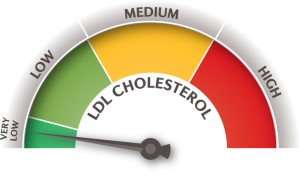
Lipoproteins, which are small fat molecules encased in protein, are the carriers of cholesterol in the blood. High-density lipoprotein (HDL) and low-density lipoprotein (LDL) are the two main categories of cholesterol (HDL).

Some people refer to LDL as “bad” cholesterol. This is so that your arteries won’t become blocked by the particular type of cholesterol. LDL cholesterol is transported to the liver by HDL, or the “good” cholesterol. The extra LDL cholesterol is eliminated from the body via liver.

Another important factor in cholesterol is the liver. Your liver produces the majority of your cholesterol. What you eat provides the remaining energy. Only foods derived from animals, such as eggs, meat, and poultry, contain dietary cholesterol. Plants don’t contain it.

Dangers of low cholesterol

Medication, like as statins, frequent exercise, and a nutritious diet can all help lower high LDL levels. There typically isn’t a concern when your cholesterol decreases for these causes. In fact, most of the time, having lower cholesterol is preferable to having high cholesterol. When your cholesterol drops for no apparent cause, you should pay attention and talk to your doctor about it.
Researchers are concerned about how low cholesterol looks to have a harmful impact on mental health, even if the precise consequences of low cholesterol on health are still being explored.

In a 1999 Duke University research of young, healthy women, it was discovered that those with low cholesterol were more prone to have anxiety and depressive symptoms. According to research, low levels of cholesterol may have an impact on your brain’s health because they are necessary for the production of hormones and vitamin D. Cell development requires vitamin D. Anxiety or despair could be a sign that your brain cells aren’t functioning properly. Research is being done to better understand the relationship between low cholesterol and mental wellness.

A 2012 study revealed a potential link between low cholesterol and cancer risk during the American College of Cardiology Scientific Sessions. Cancer may be impacted by the process that modifies cholesterol levels, but further research is required.

Women who might get pregnant are another group who should be concerned about low cholesterol. You have an increased chance of having a premature delivery or a kid with a low birth weight if you’re pregnant and have low cholesterol. Discuss what to do in this situation with your doctor if you typically have low cholesterol.

What Causes Low Cholesterol?

You could have extremely low cholesterol as a result of:

  • an uncommon condition that runs in your family
  • Malnutrition (not eating enough, or not eating enough good foods) (not eating enough, or not eating enough healthy foods)
  • Malabsorption (insufficient fat absorption by your body)
  • Anemia (low red blood cell count) 
  • thyroid problems
  • liver illness
  • a few different infections (like hepatitis C)
  • severe damage or illness
  • Cancer

Low cholesterol symptoms

There are frequently no signs for persons with high LDL cholesterol until they have a heart attack or stroke. You could suffer chest pain if a coronary artery has a significant blockage because less blood is getting to the heart muscle.

When cholesterol levels are low, chest pain that indicates an arterial accumulation in fatty substances does not occur. Low cholesterol may be one of the many reasons of depression and anxiety. Depression and anxiety signs include:

Consult your doctor if you experience any of the symptoms listed above. If your doctor doesn’t suggest a blood test, ask whether you should have one.

Treating low cholesterol

The sort of low cholesterol a person has and what caused it will determine the course of treatment.

Changing one’s lifestyle to include things like:

  • giving up smoking
  • achieving a healthy weight
  • being more active physically

When low LDL cholesterol is present together with symptoms or a genetic disease, medication may be necessary. Taking vitamin E supplements and other fat-soluble vitamins may be used as treatment for the hereditary diseases that lower LDL cholesterol. A doctor could occasionally advise adding additional fat to the diet as a supplement.

Preventing low cholesterol

Individuals very rarely take action to prevent having a level of cholesterol that is too low because most people don’t worry about having it.

Get regular checks to keep your cholesterol levels in range. To avoid taking statins or blood pressure drugs, maintain a heart-healthy diet and an active lifestyle. Know whether there is a family history of high cholesterol. Finally, be aware of any signs of stress and anxiety, especially if they make you feel aggressive.

REFERENCES:

For more details, kindly visit below.
Important treatment option to consider for Cystic Fibrosis.

Important treatment option to consider for Cystic Fibrosis.

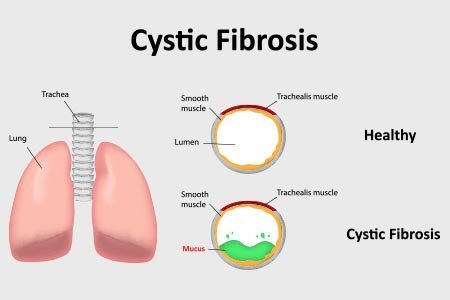
A hereditary disorder that affects the lungs, digestive system, and other organs is called cystic fibrosis (CF). When the protein responsible for producing mucus does not function normally, it develops. As a result, the body produces thick, sticky mucus that can harm or clog organs.

Although there is no known cure for the condition, medicines can help control it, ease the symptoms, and lower the chance of consequences. As a result, a person’s life expectancy and quality of life are improved.

What is Cystic fibrosis?

The lungs and digestive system are the two main organs affected by the hereditary illness CF. Additionally, it may result in consequences including diabetes and liver disease. A gene termed the cystic fibrosis transmembrane conductance regulator has a hereditary mutation in CF patients (CFTR). The CFTR protein is regulated by this gene.

Every organ that produces mucus contains the protein. Additionally, various tissues and organs, such as those in the:

  • lungs
  • pancreas
  • intestines
  • liver
  • heart
  • system of defence
  • sweat ducts

The CFTR protein does not operate as it would in a healthy organism due to the genetic mutation. The body produces mucus that is thicker and stickier than usual as a result of this dysfunction. It may close off the airways, resulting in serious lung infections and breathing problems.

The pancreatic enzymes may not be able to adequately break down food as a result of the genetic mutation, which could further affect pancreatic function. Digestion issues may result from this and result in stunted growth and malnutrition.

A chronic illness, CF can have complications that could be fatal. Treatments, however, can lengthen and improve the quality of life.

Symptoms of Cystic fibrosis.

Most frequently, CF affects the lungs, leading to symptoms of the respiratory system like:

  • wheezing
  • breathing difficulty
  • a prolonged cough that occasionally produces blood or mucous
  • further breathing problems

Additionally, the mucus that prevents lung function in CF patients provides ideal living conditions for infections. A person is therefore at a higher risk of developing lung infections including bronchitis and pneumonia.

CF symptoms might differ from person to person based on the organs that are impacted. Other potential signs and issues include:

  • sinus infections frequently
  • gastrointestinal conditions like:
    • abdomen ache
    • constipation
    • diarrhoea
    • oily, unpleasant stool
  • Small, fleshy growths inside the nose called nasal polyps
  • perspiration and salted skin
  • morning sweats
  • fever
  • jaundice
  • muscle and joint ache
  • low body mass
  • little development or weight increase in children
  • postponed puberty
  • infertility in men
  • Due to a shortage of oxygen reaching the extremities, people have clubbed fingers and toes.

In addition to increasing the risk of diabetes and osteoporosis, pancreatic blockage can result in malnutrition and stunted growth.

Causes of cystic fibrosis

The “cystic fibrosis transmembrane conductance regulator” gene, often known as the CFTR gene, is the cause of CF. This gene regulates the flow of salt and water into and out of the cells in your body.

Your mucus becomes thicker and stickier than it should be as a result of a sudden mutation, or alteration, in the CFTR gene. Your perspiration contains more salt as a result of this abnormal mucus, which also accumulates in a number of body organs, including the:

  • intestines
  • pancreas
  • liver
  • lungs

The CFTR gene is susceptible to a variety of abnormalities. The severity of CF is correlated with the kind of defect. The child inherits the faulty gene from their parents.

Cystic Fibrosis Diagnosis

Early detection translates into quicker treatment and greater long-term health. Every state in the United States uses one or more of these three tests to check neonates for cystic fibrosis:

  • Blood test. This examination measures the amount of immunoreactive trypsinogen (IRT). Blood levels of it are higher in those with CF.
  • DNA analysis. This checks for CFTR gene mutations.
  • Sweat test. Your sweat’s salt content is measured. Results that are higher than usual point to CF.

Some infants who weren’t screened for CF aren’t given the diagnosis until they are adults. If you exhibit symptoms of the disease, your doctor could do DNA or sweat testing on you.

Cystic fibrosis (CF) treatment

Your medical team will likely include a cystic fibrosis expert in addition to many other kinds of providers. Although there is no treatment for cystic fibrosis, your team will assist you in managing the condition. Keeping your airways open is the main goal of management. When necessary, your doctor will also write prescriptions for medication.

Clearing the airways

If you have cystic fibrosis, you can maintain your airways open in a number of ways:

  • You can pick up different breathing and coughing techniques.
  • You can employ treatment vests that use vibrations to loosen mucus or mouthpiece devices.

Chest physical therapy, also known as postural drainage and percussion to remove mucus, is a skill you may master. This technique involves moving into specific positions to allow your lungs to empty. To help loosen the mucus, another person may place their touch on your back or chest. You might cough while doing this.

Cystic fibrosis medications

These drugs, which won’t treat CF but will be helpful to you in some circumstances, may be prescribed by your doctor. They consist of:

  • Antibiotics to treat or prevent lung infections.
  • Breathing is made easier by inhaling bronchodilators, which widen and relax your airways.
  • medication was inhaled to thin the mucus and make it easier to expel.
  • steroids and non-steroidal anti-inflammatories, which are anti-inflammatory medications.
  • medications for those with specific gene variations to treat the underlying causes of cystic fibrosis.
  • Digestive enzymes from the pancreas.
  • Stool softeners for constipation relief.

Cystic fibrosis operations

Surgery can be required if you have cystic fibrosis or one of its side effects.

These could consist of:

  • surgery on the sinuses or nose.
  • bowel surgery to clear obstructions.
  • procedure involving organ transplantation, such as a liver or double lung transplant.

When to see a doctor

Consult your doctor about getting tested for the disease if you or your kid exhibit symptoms of cystic fibrosis or if someone in your family has the condition. Consult a medical professional who is familiar with CF.

Your doctor must be followed up with consistently and regularly, at least every three months, if you have cystic fibrosis. If you notice any new or worsening symptoms, such as more mucus or a change in the colour of your mucus, fatigue, loss of weight, or severe constipation, speak to your doctor right once.

If you experience severe stomach discomfort and distention, chest pain, difficulty breathing, or are coughing up blood, get immediate medical attention.

REFERENCES:

  • https://www.healthline.com/health/cystic-fibrosis
  • https://www.medicalnewstoday.com/articles/147960
  • https://www.mayoclinic.org/diseases-conditions/cystic-fibrosis/symptoms-causes/syc-20353700
  • https://my.clevelandclinic.org/health/diseases/9358-cystic-fibrosis
  • https://www.webmd.com/children/what-is-cystic-fibrosis

For more details, kinlty visit below.

Potential causes and symptoms of Epilepsy you must know.

Potential causes and symptoms of Epilepsy you must know.

What is Epilepsy?

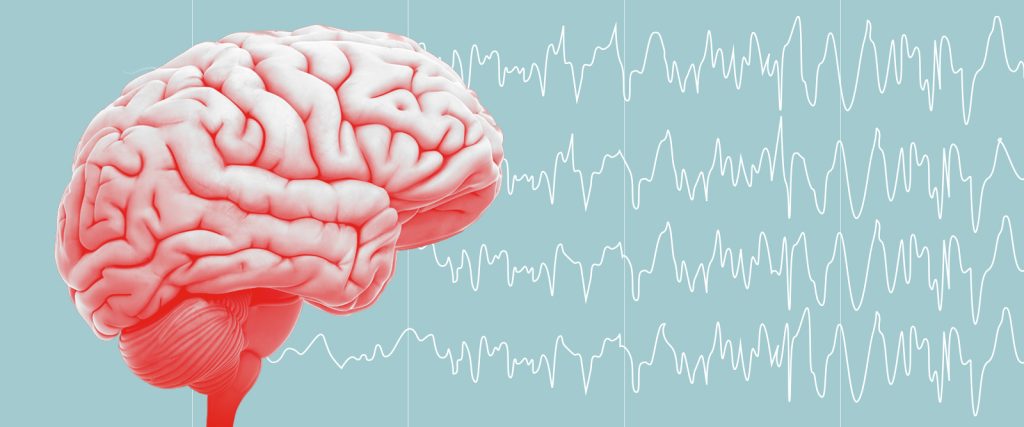
Unprovoked, repeated seizures caused by the neurological disorder are called Epilepsy. A seizure is a sudden spike in aberrant brain electrical activity. When you experience two or more seizures without another obvious explanation, a doctor will diagnose epilepsy.

According to the World Health Organization (WHO), 50 million people throughout the world have epilepsy, while the Centers for Disease Control and Prevention estimates that 3.5 million individuals in the United States have epilepsy (CDC).

Epilepsy can affect anyone, however it typically starts in young children and elderly people. Men are more likely than women to acquire epilepsy, probably as a result of higher exposure to risk factors such alcohol consumption and head trauma.

There are two primary categories of seizures:

  • universal seizures
  • focused epilepses

Your entire brain is affected by generalised seizures. Only one area of your brain is impacted by focal or partial seizures.

It could be challenging to identify a minor seizure. You might be awake during it, and it might only last a few seconds. Spasms and uncontrollable muscular twitches might result from more severe seizures. They may cause confusion or unconsciousness and last anywhere from a few seconds to many minutes. You might not remember having a seizure afterward.

Epilepsy cannot currently be cured, but it can be controlled with medicine and other methods.

What happens in your brain when you have epilepsy?

All parts of your body can communicate with and receive information from the cells in your brain. A constant electrical impulse that moves from cell to cell is used to transmit these messages.

This periodic electrical impulse pattern is disturbed by epilepsy. Instead, there are electrical activity spikes between cells in one or more regions of your brain, much like an erratic lightning storm. Your awareness (including loss of consciousness), sensations, emotions, and muscle actions are all affected by this electrical disruption.

Types and symptoms of epilepsy

The primary epilepsy symptom is seizures. The symptoms of a seizure vary from person to person and depending on the type.

Focused (partial) seizures

Previously known as a simple partial seizure, a focal aware seizure doesn’t cause unconsciousness. These signs include:

  • Sense of taste, smell, sight, hearing, or touch changes
  • dizziness
  • limb twitching and tingling

Unaware focal seizures (previously called complex partial seizures) involve a loss of consciousness or awareness. Additional signs include:

  • looking vacant
  • unresponsiveness
  • performing frequent motions

Universal seizures

The entire brain is involved in generalised seizures. Subtypes consist of:

  • Absence seizures. “Petit mal seizures” were the previous name for absence seizures. They frequently result in a brief loss of awareness, a blank stare, and occasionally repeated actions like blinking or lip-smacking.
  • Tonic seizures. Sudden stiffness in your legs, arms, or trunk muscles is a symptom of tonic seizures.
  • Atonic seizures. Muscle control is lost as a result of atonic seizures. Because a sudden loss of muscle power can cause you to fall quickly, they are also known as “drop seizures.”
  • Clonic seizures. Repeated, jerky muscular movements of the face, neck, and arms are hallmarks of clonic seizures.
  • Myoclonic seizures. Arms and legs twitch quickly and spontaneously as a result of myoclonic seizures. These seizures can occasionally group together.
  • Seizures with tonic-clonic. Grand mal seizures are another name for tonic-clonic seizures. These signs include:
    • rigidification of the body
    • shaking
    • a lack of bowel or bladder control
    • gnawing at one’s tongue
    • consciousness is lost

You might not remember having a seizure afterward or you might have mild nausea for sometime.

What causes epilepsy?

According to the WHO, the cause of epilepsy cannot be identified in roughly 50% of cases. Seizures can be brought on by a number of circumstances, including:

  • Traumatic head injury or another type of head injury
  • following a brain injury, brain scarring (post-traumatic epilepsy)
  • severe ailment or extremely high fever

According to the CDC, stroke accounts for roughly half of older people’ instances of epilepsy with no known aetiology.

  • oxygen deprivation in the brain
  • brain cyst or tumour
  • incorporating Alzheimer’s illness, dementia
  • a mother’s use of certain medicines, an accident during pregnancy, a brain abnormality, or a newborn’s lack of oxygen
  • Infectious diseases such as HIV, AIDS, and meningitis
  • genetic, developmental, or neurological conditions

Although epilepsy can manifest at any age, it is typically diagnosed in the first few years of life or after the age of 60.

What are seizure triggers?

Some people can pinpoint the events or circumstances that cause their seizures. The following are a handful of the known triggers that are most frequently used:

  • absence of sleep
  • a fever or sickness
  • stress
  • flashing or patterned lights, or both
  • Caffeine, alcohol, or alcohol withdrawal, narcotics, or prescription medications
  • skipping meals, overindulging, or certain dietary components
  • really low blood sugar
  • a brain injury

Finding triggers is not always simple. It’s not necessarily true that a single occurrence qualifies as a trigger. Frequently, a seizure is brought on by a number of circumstances. Keeping a seizure notebook can help you identify your triggers. Keep the following in mind following each seizure:

  • time and day
  • which activity you engaged in
  • what was going on in the area
  • strange sounds, scents, or sights
  • unexpected stressors
  • how much you ate or how long it
  • Depending on what you were eating or how recently you had last eaten
  • the degree of your exhaustion and the quality of your sleep the night before

Your seizure notebook can also be used to check on the effectiveness of your medication. Take note of any adverse effects and how you felt right before and right after your seizure.

When you visit the doctor, bring the journal with you. If changing your prescription dosage or looking into alternative treatments is or becomes required, it might be helpful for your doctor to know.

REFERENCE:

For more details, kindly visit below.