Browsed by
Category: Sleep

Do we actually need more sleep in the winter?

Do we actually need more sleep in the winter?

A vital part of wellbeing is sleep, and getting enough of it helps the body heal and function normally. According to a recent study, people get more REM sleep in the winter, which is an essential part of the regular sleep cycle.

To corroborate the results of this study in the broader population, more data is required. Yet, people can make efforts to encourage sound sleep during the winter, a season in which doing so may be particularly important.
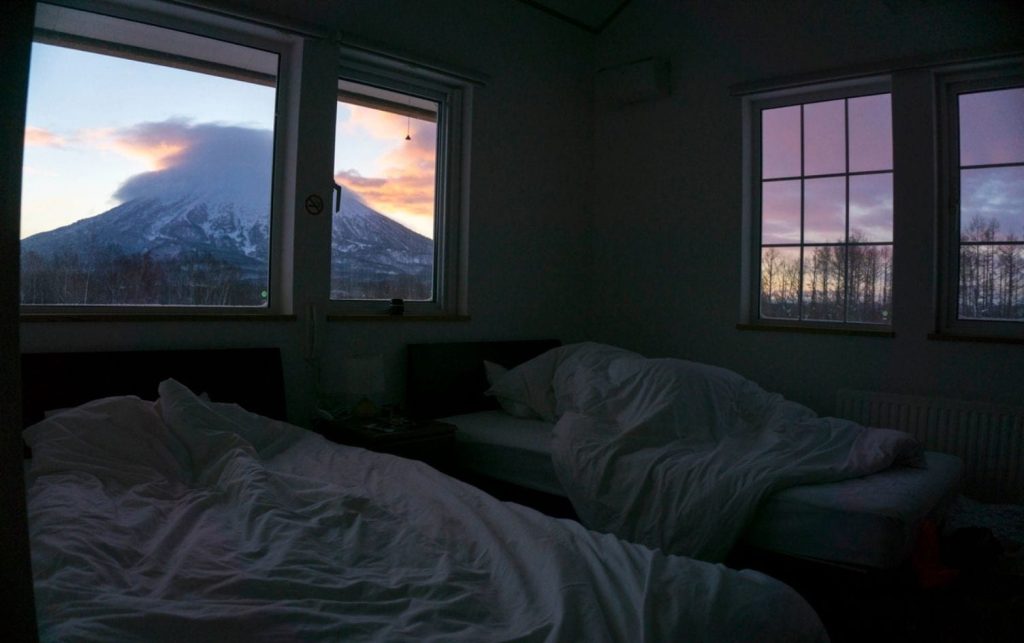
Everyone requires sleep, yet everyone’s demands are different. Research is ongoing to determine what influences sleep requirements and the most effective course of action.

A recent study examined how seasonal changes in sleep patterns. The researchers discovered that REM sleep is more prevalent during the months of winter.

Human sleep study

The research team enlisted 292 patients to take part in sleep studies termed polysomnographies, which are conducted on individuals who have trouble falling or staying asleep.

The volunteers visited a specialised lab where they were instructed to go to sleep naturally, without setting an alarm, so that the duration, kind, and quality of their sleep could be observed.

Although sleep issues may have affected the results, the study’s design allowed for a sizable group to be evenly distributed throughout the year, which helped to better show variations from month to month.

Those who took sleep-related medications, those who experienced technical difficulties during the polysomnography, and participants whose REM sleep latency was greater than 120 minutes—which suggested that the initial REM sleep episode had been skipped—were excluded from the study.

There were 188 subjects left after the exclusions. The majority of their diagnoses exhibited little seasonal variation, while sleeplessness was more frequently identified as the year’s end approached.

Importance of REM sleep

Several facets of life, including physical, emotional, and mental health, are impacted by sleep. Sleep duration and quality have an impact on bodily functions like immune system, metabolism, heart health, and memory.

The several stages of sleep that people go through are all necessary for a restful night’s sleep.

Rapid eye movement (REM) sleep is one type of sleep. The brain is more active during REM sleep, and dreams are experienced. REM sleep is beneficial for controlling mood. Moreover, it enhances immunological performance, focus, and memory.

According to the results of this latest study, there may be seasons of the year when people experience more REM sleep.

M​ore REM sleep in the winter

This specific study focused on variations in seasonal sleep patterns. All through the year, researchers examined the subjects’ sleep patterns. The individuals were already dealing with some sleep abnormalities, such as insomnia and sleep-related respiratory issues.

When conducting their analysis, the researchers used 188 participants. Participants were monitored while they slept using a method known as polysomnography.

Participants were encouraged by the researchers to stick to their usual bedtime routines. Alarm clocks were not allowed to be used by participants. Participants were disqualified from the study based on a few important factors, such as the usage of sleep-interfering drugs.

To Medical News Today, research author Dieter Kunz provided the following significant findings:

“In our work, we demonstrate that, in an adult population residing in an urban environment, human sleep architecture differs significantly across seasons. In a sizable population with neuropsychiatric sleep disorders, we employed polysomnography to record the various stages of sleep over the course of a full year.

According to Kunz, they discovered three intriguing findings:

  • In comparison to summer, people slept an hour more during the winter.
  • I had about 30 minutes more of REM sleep in the winter than the spring.
  • Got 40 minutes fewer of deep sleep in the fall than the other months.

Researchers found no statistical significance in the one-hour sleep gap between the winter and summer seasons. Instead, one of their key areas of interest was the seasonal variations in REM sleep.

Get better sleep in the winter

The American Board of Sleep Medicine-certified sleep specialist Nicole Eichelberger focuses on abnormalities of the circadian rhythm, apnea, and insomnia. Eichelberger gave us some advice for getting a good night’s sleep, which included maintaining a consistent sleep routine.

Even on weekends, try to go to bed and wake up at the same time every day, she advised.

Making a sleep-friendly environment is also beneficial.

Ensure that your bedroom is cold, quiet, and dark. Utilize supportive bedding and soft pillows, advised Eichelberger.

Restrict your screen time before bed.

It can be more difficult to fall asleep due to the blue light emitted by electronic gadgets, according to her. Melatonin is a hormone that promotes sleep.

Avoid alcohol and caffeine.

Both can interfere with your sleep and make it more difficult to get enough rest, she explained.

Develop your relaxing skills.

You can relax and be ready for sleep by engaging in activities like yoga, deep breathing, or meditation, according to Eichelberger.

She continued by saying that sleep is essential for both our physical and mental health because it aids in both memory consolidation and learning as well as body recovery and repair.

Persistent sleep loss has been connected to a number of health problems, including as obesity, diabetes, and heart disease, she said. “On the other side, it has been demonstrated that getting adequate sleep strengthens our immune system, lifts our mood, and improves our cognitive performance. Simply put, having enough good sleep is crucial for our overall health.

REFERENCES:

  • https://www.medicalnewstoday.com/articles/do-we-actually-need-more-sleep-in-the-winter
  • https://www.healthline.com/health-news/seasonal-sleeping-why-we-need-more-rest-in-the-winter
  • https://www.aprilaire.com/blog/more-sleep-winter/
  • https://patient.info/news-and-features/do-you-need-more-sleep-when-its-cold

For more details, kindly visit below.
Irregular sleep habits may increase atherosclerosis risk.

Irregular sleep habits may increase atherosclerosis risk.

According to new research published today in the Journal of the American Heart Association, an open access, peer-reviewed journal of the American Heart Association, irregular sleep patterns, such as sleeping fewer or more hours each night and going to bed at various times, may put adults over 45 at an increased risk of developing atherosclerosis.

A recent study investigates the relationship between irregular sleeping patterns, atherosclerosis, and not keeping a regular bedtime.

The study discovered that older persons were much more likely to experience subclinical symptoms of atherosclerosis. Only if their sleep patterns altered by an average of two hours over the course of a single week and by an hour and a half.

What is Atherosclerosis?

When you have atherosclerosis, the interior of your arteries develop sticky plaques made of cholesterol, fatty deposits, and cell waste products from your blood. As a result, the plaques thicken and sometimes even harden the arterial walls. The illness restricts blood flow, making it difficult for your organs to receive enough oxygen.

According to the National Institutes of Health (NIH) of the United States, the disease associated with atherosclerosis is the country’s top cause of mortality. Also, it affects 50% of Americans between the ages of 45 and 84.

Study on sleep and disease risks

MESA (Multi-Ethnic Study of Atherosclerosis), a different community-based study, involved 2032 participants in the study. The goal of MESA was to examine the features and risk factors of subclinical atherosclerosis symptoms in a variety of senior citizens.

In light of this, slightly more than half of MESA participants were female. Participants self-identified as White in 38% of cases, Black or African American in 28%, Hispanic in 23%, and Chinese in 11% of cases. They came from a variety of geographical locations, including St. Paul, Minnesota; Baltimore City and Baltimore County. Also, Maryland; Chicago, Illinois; Forsyth County, North Carolina; Los Angeles County, California; Northern Manhattan; and the Bronx, New York.

The participants’ ages, which ranged from 45 to 84 with an average of 69, were all within the normal range for cardiovascular disease. During seven days, each participant wore a wristwatch that recorded when they were awake or slept. They also finished keeping sleep logs.

Last but not least, each person took part in a single night of in-home sleep monitoring that recorded their breathing, heart rate, sleep phases, and length.

In the current study, person with irregular sleep patterns were 1.33 times more likely to have high coronary artery calcium. This is compared to those with more regular sleep duration variations, which varied by an average of two hours per week. Moreover, they had a 1.75 times higher likelihood of having abnormal ankle brachial indices.

Researchers discovered a 1.39 times greater chance of calcified arterial plaques in patients whose bedtimes changed by an average of 90 minutes over the course of a week.

The connection between sleep and atherosclerosis

The circadian rhythm, a 24-hour internal clock in our bodies, controls a variety of physiological activities. This includes sleep-wake cycles. We can experience what is known as “social jet lag” when we frequently go to bed and wake up at different times. According to Dr. José M. Ordovás of Tufts University, who was not involved in the study. This can disturb our circadian rhythm.

Dr. Hoang Nguyen is an interventional cardiologist who was not engaged in the study. He told Medical News Today:

The scientists hypothesised that irregular sleep patterns encourage cardiovascular disease by interfering with the body’s normal circadian cycle. This in turn affects inflammation, glucose metabolism, and sympathetic neurohorma. Cardiovascular disease is known to be brought on by each of these variables.

According to Dr. Ordovás, “the sympathetic nervous system (SNS) activity is normally lowered during sleep. This allows the body to relax and recuperate.” On the other hand, he continued, “Sleep problems, such as sleep apnea, can result in increased SNS activity, which can produce hypertension and other CVD risk factors.

According to the press release, the researchers were unable to determine “whether increased sleep irregularity increases the development of atherosclerosis” . However, sleep and atherosclerosis could not be evaluated concurrently.

Too little sleep, too much, and just right

Dr. Full added that no differences were found in the atherosclerosis indicators of the participants in their study, which followed individuals who frequently slept more or less than usual. Like all other people, older individuals should receive between seven and nine hours of sleep per night, according to the NIH.

Some studies have shown that too much sleep might be harmful. Both a short sleep duration of less than 7 hours per night and a lengthy sleep duration of more than 9 hours per night have been linked to an elevated risk of CVD, according to Dr. Ordovás.

The authors of this study “went beyond the quality of sleep, and evaluated the regularity of sleep,” which is interesting, according to Dr. Nguyen.

REFERENCES:

  • https://www.medicalnewstoday.com/articles/cardiovascular-health-irregular-sleeping-habits-atherosclerosis-risk
  • https://newsroom.heart.org/news/irregular-sleeping-habits-may-increase-risk-of-atherosclerosis-in-older-adults
  • https://timesofindia.indiatimes.com/home/science/study-finds-how-irregular-sleeping-habits-increase-risk-of-atherosclerosis-in-older-people/articleshow/98069284.cms

For more details, kindly visit below.
Challenges of Insomnia in an individual’s life.

Challenges of Insomnia in an individual’s life.

What is Insomnia?

Millions of individuals all around the world constantly experience insomnia, a sleep problem. A person with insomnia has trouble getting to sleep and staying asleep. Depending on their age, adults, according to the Centers for Disease Control and Prevention (CDC), require between 7-9 hours of sleep every night.

According to research, 25% of Americans report having insomnia each year, although 75% of these people do not go on to have a chronic condition. Short-term insomnia can cause daytime weariness, attention problems, and other issues. Long-term, it could raise the risk of contracting certain illnesses.

An insomniac has trouble getting to sleep or staying asleep. They might often get up too early.

This may result in problems like:

  • Lethargy and tiredness during the day
  • an overall sense of being physically and mentally ill
  • anxiety, impatience, and changes in mood

Additionally, the aforementioned problems may be causes, effects, or both of insomnia.

In addition, chronic illnesses like the following may be influenced by insomnia:

  • obesity
  • diabetes
  • a cardiovascular condition
  • depression

It can also impair a person’s effectiveness at work and school and restrict their capacity to carry out daily tasks.

Causes of insomnia

There are many different medical and psychological causes of insomnia. Frequently, a transient issue, such as transient stress, is the root reason. In certain other cases, an underlying medical problem is the cause of the sleeplessness. Typical causes include

  • dealing with any additional adjustments to the body’s internal clock, such as jet lag, shift changes at work, or other circumstances
  • If it prevents sleep, it could be the bed being uncomfortable, the room being too hot, cold, or noisy, or taking care of a family member.
  • getting insufficient exercise
  • experiencing nightmares or nocturnal terrors
  • utilising drugs for fun, such cocaine or ecstasy

Some people experience insomnia as a result of stress or a mental health condition. A person might be going through:

Other medical disorders that may interfere with sleep include:

  • Irritable bowel syndrome
  • excessive thyroid activity
  • nap apnea
  • GERD, also known as gastroesophageal reflux disease
  • COPD, also referred to as chronic obstructive pulmonary disease
  • chronic pain

Sleeping problems are frequently caused by signs of various health problems or by changes in the natural world. For instance, hormonal changes during menopause might cause night sweats, which can keep you awake. Sleep patterns are disturbed or altered in patients with Alzheimer’s disease due to abnormalities in the brain.

Additionally, some people experience fatal familial insomnia, a rare genetic disease that makes it difficult to fall asleep and may possibly be fatal.

Symptoms of insomnia

In addition to interrupted sleep, insomnia can result in various problems, including:

  • daytime drowsiness or weariness
  • irritation, sadness, or worry
  • signs of the digestive system
  • low dynamism or motivation
  • insufficient focus and attention
  • an absence of coordination that results in mistakes or accidents
  • anxiousness or fear about sleeping
  • using sleeping pills or booze
  • stress headaches
  • having issues working, learning, or socialising

According to experts, sleep deprivation is a major contributing factor in car accidents.

Types of insomnia

Depending on the duration, insomnia can be categorised as follows:

  • A short-term issue is acute, brief sleeplessness.
  • It may take months or years to overcome chronic insomnia.

The causes are also classified by doctors:

  • A problem in and of itself is primary insomnia.
  • Secondary insomnia is brought on by another medical condition.

They also categorise it according to severity:

  • Mild insomnia is characterised by a lack of sleep that causes fatigue.
  • Daily functioning may be impacted by moderate insomnia.
  • Life is significantly affected by severe sleeplessness.

When determining the kind of insomnia, doctors also take into account additional variables, such as whether the patient regularly wakes up too early or experiences difficulty:

  • a sound slumber
  • remaining in bed
  • getting quality sleep

Treatments

Depending on the underlying issue and the type of insomnia, several approaches may be best, however some possibilities include:

  • counselling
  • CBT stands for cognitive behavioural therapy.
  • medicines on prescription
  • several over-the-counter sleep aids that can be purchased online
  • Melatonin, which can be purchased online as well

Melatonin may promote sleep, however there isn’t enough convincing evidence to support this claim.

REFERENCES:

For more details, kindly visit below.