Browsed by
Category: Skin health

What are the most effective ways of treating sunburn?

What are the most effective ways of treating sunburn?

What is a sunburn?

Skin that has been sunburned is red, painful, and warm to the touch. Within a few hours of spending too much time in the sun, it frequently manifests.
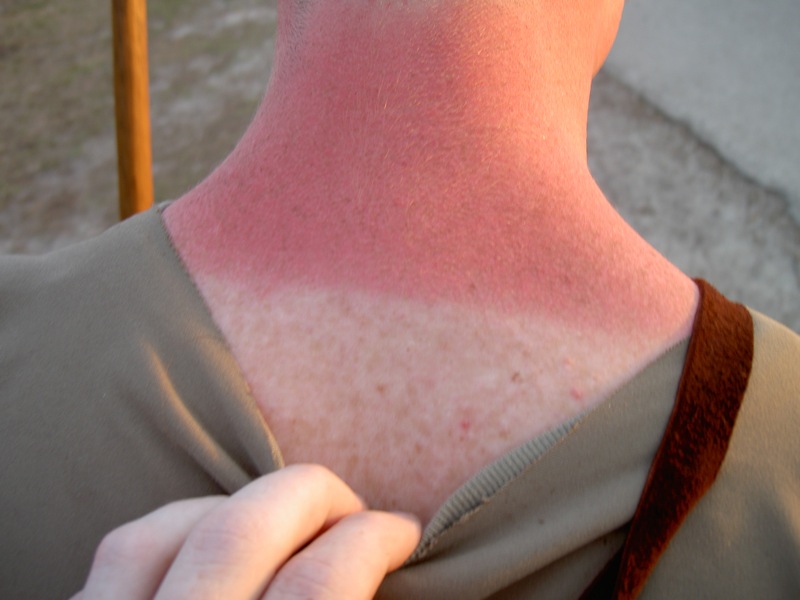
Simple self-care procedures, such as taking painkillers and cooling the skin, can help you recover from a sunburn. But the sunburn could not go away for several days.

Everyone should take steps to protect their skin from the sun all year long by applying sunscreen and other skin-protection techniques. Even on chilly or overcast days, it is crucial when you’re outside.

Symptoms

Symptoms of sunburn include:

  • On white skin, inflamed skin appears pink or red; however, it may be more difficult to discern on brown or black skin.
  • the sensation of hot or heated skin
  • Itching, discomfort, and pain
  • Swelling
  • small, potentially breakable blisters packed with fluid
  • If the sunburn is severe, headache, fever, nausea, and exhaustion may result.
  • eyes that are dusty or hurt

Any exposed body part, including the lips, scalp, and earlobes, is susceptible to burning. If, for instance, clothing has a loose weave that lets ultraviolet (UV) light through, even covered areas can burn. The eyes can burn as well because they are very sensitive to UV light from the sun.

After being exposed to the sun for a few hours, sunburn symptoms frequently develop. The top layer of the damaged skin may peel off within a few days as the body begins to mend itself. Healing from a severe sunburn could take several days. Any persistent alterations in skin tone often disappear with time.

Causes

Too much ultraviolet (UV) light exposure results in sunburn. Sunlight or man-made sources like sunlamps and tanning beds both produce UV light. The wavelength of light known as UVA can damage skin over time by penetrating to its deepest layers. Sunburn is brought on by UVB rays, which penetrates the skin more superficially.

Skin cells are damaged by UV radiation. Erythema, or inflamed skin, or sunburn, is a result of the immune system’s reaction, which involves increasing blood flow to the injured areas.

On chilly or cloudy days, sunburn is still possible. UV rays can reflect off of water, sand, and other surfaces, and they can also burn skin.

Diagnosis

A physical examination is typically part of the diagnosis of sunburn. Your doctor might also inquire about your signs and symptoms, prescriptions you’re taking, history of sunburns, and UV exposure.

Your doctor may advise phototesting if you experience sunburn or a skin reaction after only a brief period of exposure to the sun. In order to simulate the issue, measurable levels of UVA and UVB light are applied to small patches of skin during this test. You’re labelled sun-sensitive if your skin reacted to phototesting (photosensitive).

Treatment

Treatment for sunburns can reduce pain, swelling, and irritation but does not repair the skin. Your doctor could advise using a prescription corticosteroid cream if self-care measures fail to relieve your sunburn or it is extremely severe.

Lifestyle and home remedies

Use a painkiller.

As soon as you can following overexposure to the sun, take a nonprescription pain medication for pain management. Ibuprofen (Advil, Motrin IB, among others) and acetaminophen are two examples (Tylenol, others). You could also try applying a gel pain reliever to the area.

Skin cooling down.

Apply a clean cloth soaked with cool running water to the afflicted area of skin. Alternately, take a cool bath with 2 ounces (60 grammes) of baking soda added per tub. Several times per day, cool the skin for roughly 10 minutes.

Use a lotion, gel, or moisturiser.

Calamine lotion or an aloe vera gel might be calming. Before using, try putting the product in the refrigerator to cool it. Avoid anything alcoholic-related.

For a day, take in more water. By doing this, dehydration is avoided.

Be patient with blisters.

The skin might recover faster if the blister is intact. If a blister does rupture, use a pair of tidy, tiny scissors to remove the dead skin. Use mild soap and water to gently wash the area. The wound should then be dressed with an antibiotic cream and a nonstick bandage.

Gently handle skin that is flaking.

The impacted area may start to peel after a few days. This is how your body removes the top layer of unhealthy skin. Use moisturiser even if your skin is flaking.

Use an anti-itch medication.

As the skin starts to peel and repair underneath, an oral antihistamine such diphenhydramine (Benadryl, Chlor-Trimeton, other brands) may help to reduce itching.

Use a calming, medicinal cream.

Apply non-prescription 1% hydrocortisone cream to the affected region three times each day for three days if you have a mild to moderate sunburn. Before using, try putting the product in the refrigerator to cool it.

eye sunburn treatment. 

Use a clean towel that has been soaked with cool running water. Contact lenses shouldn’t be worn until after ocular symptoms have subsided. Avoid rubbing your eyes.

Stop exposing yourself to the sun more.

Avoid the sun or utilise other sun protection techniques while your sunburn heals. You might want to try a product with sunscreen and moisturisers.

Avoid using products with the suffix “-caine,” such as benzocaine.

Such lotions may aggravate skin irritation or result in an allergic reaction. A rare but possibly fatal illness that reduces the quantity of oxygen that the circulation can carry has been connected to benzocaine (methemoglobinemia).

REFERENCES:

For more details, kindly visit below.
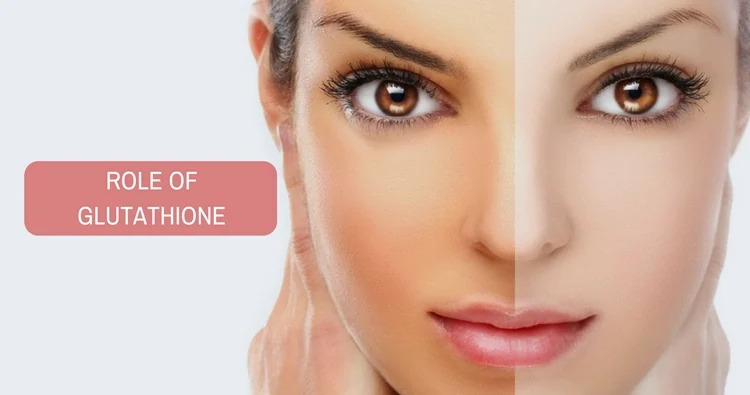
How To Use Glutathione For Skin Whitening?

How To Use Glutathione For Skin Whitening?

If your doctor suggests skin-whitening procedures and deems them safe, there is no danger in trying them out. This is how the glutathione skin-whitening procedure functions.

Even as the world becomes more accepting of body acceptance, many people still prioritise skin whitening and lightening when it comes to beauty. Some people want for quicker outcomes while others simply don’t get effects from home cures. There is no risk in picking skin-whitening procedures, but you must make sure you are selecting the most secure one. The topic of glutathione skin whitening has received a lot of attention lately.

What is glutathione?

Our bodies naturally contain the chemical glutathione. Glycine, glutamic, and cysteine acid are the three amino acids that make up this antioxidant. In addition to helping with various body processes, it promotes skin lightening by healing damaged cells. Despite the fact that glutathione is naturally created by our bodies, as we get older, our systems produce less of it, necessitating the need of supplements or other treatments.

Dr. Noopur Jain, a dermatologist, told Health Shots that glutathione is one of the body’s most potent antioxidants when they contacted her. In terms of skin whitening treatments that achieve the desired pigmentation with little to no side effects, this is gaining popularity. It is applied topically using a glutathione cream or whitening tablet.

How To Use?

It can be purchased as whitening skin supplements in the form of pills, capsules, injections, soaps, lotions, and creams. In India, you can buy medications, creams, lotions, and soaps online. You should conduct some research and look for a dermatologist before getting any injections.

Dosage:

To observe some good benefits in terms of skin lightening and whitening, take no less than 500mg daily. along with doubling your vitamin C intake. In India, there are numerous brands of glutathione supplements. Before purchasing the pills, do your homework and read reviews.

How do they work?

  • It effectively eliminates pollutants as it has excellent anti-oxidant properties
  • The skin tone is lightened and brightened by glutathione.
  • improves the texture and brings about a shine.
  • Glutathione lessens skin pigmentation, such as freckles, dark bags under the eyes, age spots, pimples, and ulcers.
  • No more blemishes and lines

It’s not that easy. Once you stop taking glutathione, your skin will ultimately return to its previous tone. These effects of glutathione are just temporary.

Overall Benefits of glutathione

  • Lowers levels of oxidative stress
  • Might lessen psoriasis
  • Makes persons with peripheral artery disease more mobile
  • Lessens Parkinson’s disease symptoms
  • Lessens alcoholic and nonalcoholic fatty liver disease cell damage
  • Reduces insulin resistance in elderly people
  • Might lessen the consequences of uncontrolled diabetes
  • Could lessen symptoms of respiratory diseases
  • Might aid in the battle against autoimmune illness
  • Can lessen oxidative damage in autistic youngsters.

Side effects of Glutathione

There are no hazards associated with a diet high in foods that increase glutathione. Supplement use, however, might not be recommended for everyone. To find out if glutathione is right for you, discuss it with your doctor. Among the potential negative consequences are:

  • stomach pains
  • bloating
  • bronchial constriction causing breathing difficulty
  • allergic responses, like rash

REFERENCES:

For more details, kindly visit below.
What are the different ways to treat Acne?

What are the different ways to treat Acne?

What is Acne?

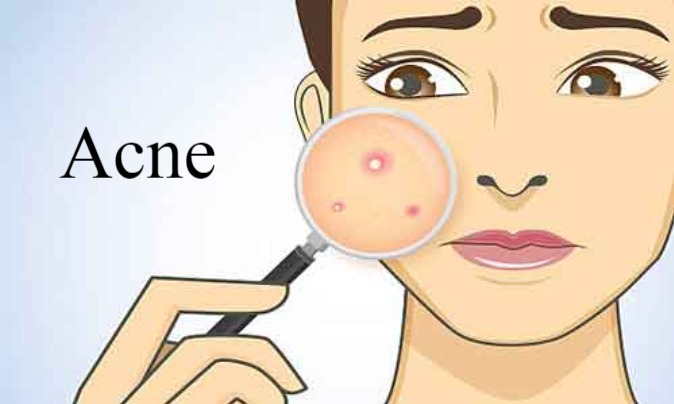
Acne is a common skin condition in which the pores of your skin become blocked by dead skin cells, sebum (an oily substance), hair and bacteria. There are many types of pimples caused by these blockages, including blackheads, whiteheads, nodules, and cysts. You are not alone if you suffer from acne.

The most common skin condition that people experience is eczema. About 80% of people between 11 and 30 will experience at least a mild form of acne, and most people will experience it at some point.

Even though acne doesn’t pose a serious threat to your health, it can still be painful, especially if you have severe acne. Scarring may also occur over time as a result of acne.

Aside from acne’s physical effects, emotional distress can also result from acne. You may experience feelings of anxiety or depression when you have acne on your face or another visible part of your body and acne scars can contribute to these feelings.

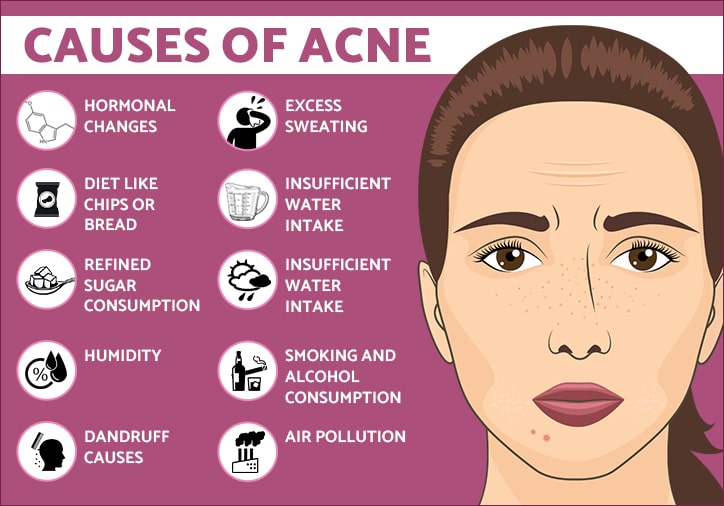
Cause of Acne

Pimples:

Under the skin of humans are oil glands, which are connected to pores. Glands are connected to pored through follicles(small sacks that produces and consist of liquid). These liquids are oilly in nature called sebum. These liquids are responsible to carry dead cells to the surface of skin through follicile.

Pimples are generally formed when folliciles are blocked and oil gets buildup under the skin. These serum, skin cells, and hair, together form into a plug which could be infected by bacteria which result in swelling. These plugs break down causing pimples formation.

Hormonal Factors:

Rise in androgen level is though ot be the main reason behind acne followed by range of other factors. When adolescence begins, the hormonal level of Androgen begins rising. This elevation causes glow in oil glands under the skin. The enlarged produces sebum which when get excess could cause several pores in the skin. This cause bacterias to grow in them.

Other triggering factors:

  • some medications that contain androgen and lithium
  • greasy cosmetics
  • hormonal changes
  • emotional stress
  • menstruation

As per several studies, genetic factors might also increase th risk of acne.

Ways to treat acne:

  1. Wash twice a day and after sweating. It is imperative to wash your skin as soon as possible after sweating, especially if you are wearing a hat or helmet.
  2. Use your fingertips to apply a soothing, non-abrasive cleanser. Anything else you choose can irritate your skin, such as a washcloth or mesh sponge.
  3. Be gentle with your skin. Use gentle products, such as those that are alcohol-free. Use products that are not irritants for your skin, such as astringents, toners, and exfoliants. It makes acne appear darker when the skin is dry and red.
  4. Scrubbing your skin can make acne worse. Avoid the temptation to scrub your skin.
  5. Rinse with lukewarm water
  6. Shampoo regularly. If you have oily hair, shampoo daily.
  7. Let your skin heal naturally. Your skin will take longer to clear if you pick, pop, or squeeze your acne, and you will have an increased risk of acne scarring.
  8. Keep your hands off your face. Touching your skin throughout the day can cause flare-ups.
  9. Stay out of the sun and tanning beds. Tanning damages your skin. Furthermore, some acne medications can make your skin very sensitive to ultraviolet (UV) light, which is emitted by both the sun and indoor tanning lamps. Using tanning beds increases your risk for melanoma, the deadliest form of skin cancer, by 75%.
  10. Consult a dermatologist if:
    • Feel embarrassed or shy because of your acne.
    • You haven’t found a product that works for you.
    • Scars or darkening of your skin are caused by acne.

REFERENCES:

For more details, kindly visit below.
https://mygenericpharmacy.com

Search this blog by following keywords also acne treatment | acne medication | skin acne | acne symptoms | acne problems | acne vs pimples | acne scars.

Top ways to keep a healthy skin condition

Top ways to keep a healthy skin condition

What is a skin?

Skin is the largest of all the organs in the human body. As long as we keep it in proper health, it forms several protective layers that shield us from different exposures. However, when its maintenance is compromised, the skin’s ability to function as an effective and protective barrier is compromised. 

Our skin is the biggest window to your body that could reveal the history of your life. Both your age and your health are reflected in your skin, from acne breakouts during your teenage years to pregnancy glows and sunspots.

Skin functions

There are many functions performed by skin, making it the ultimate multitasker of the body. The most important role of our immune system is to protect us from bacteria, viruses, pollution, and chemical substances that we encounter at home and at work.

A number of external factors can damage the skin, including unprotected sunlight and excessive washing. Unhealthy diets, stress, inadequate sleep, insufficient exercise, dehydration, smoking, and certain medications all decrease the effectiveness of the skin’s protective barrier.

There is a compiled list of skin health tips to help you banish wrinkles, get a radiant glow, and keep your skin supple and soft all year long.

1. Healthy diet

Your diet is just as significant as the products you use on your skin. In order to maintain a clear complexion, you need to eat a healthy diet from the inside out. Following are some of the food very beneficial for your skin.

  • Tomatoes
  • Green tea
  • Olive oil
  • Mango
  • Omega-3
  • Kale
  • White tea
  • Soy, etc.

An individual must also make sure to have a calorie restricted diet and must also avoid intake of alcohol.

2. Stress check

Stress level has some serious links with skin health and conditions. As per several studies and reports, people having higher stress are associated with unhealthy skin or skin with some issues such as darkning. In a study of college students, those who experienced high stress levels were more likely to experience skin issues such as:

  • itchy skin
  • hair loss
  • flaky, oily, or waxy patches on the scalp
  • troublesome sweating
  • scaly skin
  • hand rashes

Stress increases the production of sebum, the oily substance that blocks pores, according to the researchers. This, in turn, leads to greater acne severity. Stress reduction may help you achieve clearer skin. Consider stress reduction techniques such as tai chi, yoga, or meditation if your skin is affected by stress.

3. Maintain skin moisture

Moisturizers keep the top layer of skin cells hydrated and seal in moisture. There are three types of moisturizers: humectants, occlusive agents, and emollients. Humectants attract moisture, occlusive agents retain moisture in the skin, and emollients smooth the pores between the cells.

As per American Academy of Dermatology, following are the resommended ways to prevent dry, red, and itchy skin:

  • Take one 5- to 10-minute shower or bath per day. Excessive washing can strip away the oily layer of the skin and dry it out.
  • Use warm water instead of hot water.
  • Minimize the use of harsh soaps. Use a gentle and fragrance-free cleanser.
  • Stay away from abrasive scrub brushes, bath sponges, and washcloths that can damage the skin’s surface.
  • Pat skin gently dry with a towel.
  • Moisturize immediately after washing. To trap in moisture, ointments, lotions, and creams need to be applied within minutes of drying off.
  • Use ointments or creams rather than lotions in order to minimize irritation.
  • Never scratch the skin. Cold compresses and moisturizers should help to control itching.

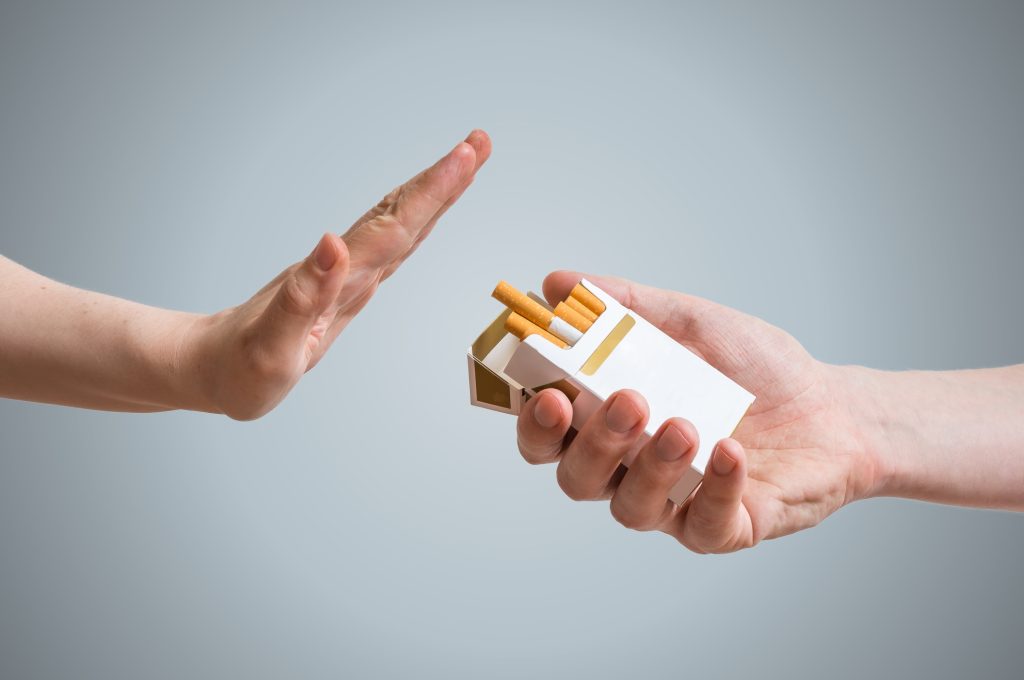
4. Quit smoking

Smoking accelerates the aging process of your skin. You will also need more time to heal your wounds if you smoke. Research shows that smoking worsens some skin conditions, such as psoriasis and hidradenitis suppurativa.

Furthermore, the constant repetitive expressions that are made while smoking such as pursing the lips, can contribute to wrinkles on the face.

5. Get necessary amount of daily sleep

According to the National Sleep Foundation, adults should sleep between seven and nine hours every day. It can be detrimental to your health, and to your skin in particular, when you don’t get enough sleep.

There is a link between chronic sleep deprivation and obesity, immune dysfunction, diabetes, and cancer, but sleep quality may also have an impact on skin function and aging.

REFERENCES:

For more details, kindly visit below.
Suggested keywords diets for healthy skin | vitamin for skin health | healthy glowing skin | healthy skin care | vitamin that helps with skin | best diets for skin | nutrition for healthy skin | natural healthy skin