Browsed by
Category: Virus

How dangerous can be Polio disease for a child?

How dangerous can be Polio disease for a child?

The poliovirus is the illness that causes polio (poliomyelitis). Most people only experience minimal or no symptoms, but in a few, it might result in death or paralysis.

The three poliovirus variants are known as wild poliovirus types 1, 2, and 3. (WPV1, WPV2 and WPV3). Only a few regions of the world still have wild polio type 1, and wild polio types 2 and 3 have been eradicated (no longer exist). Paralysis is most likely to result from type 1 polio.
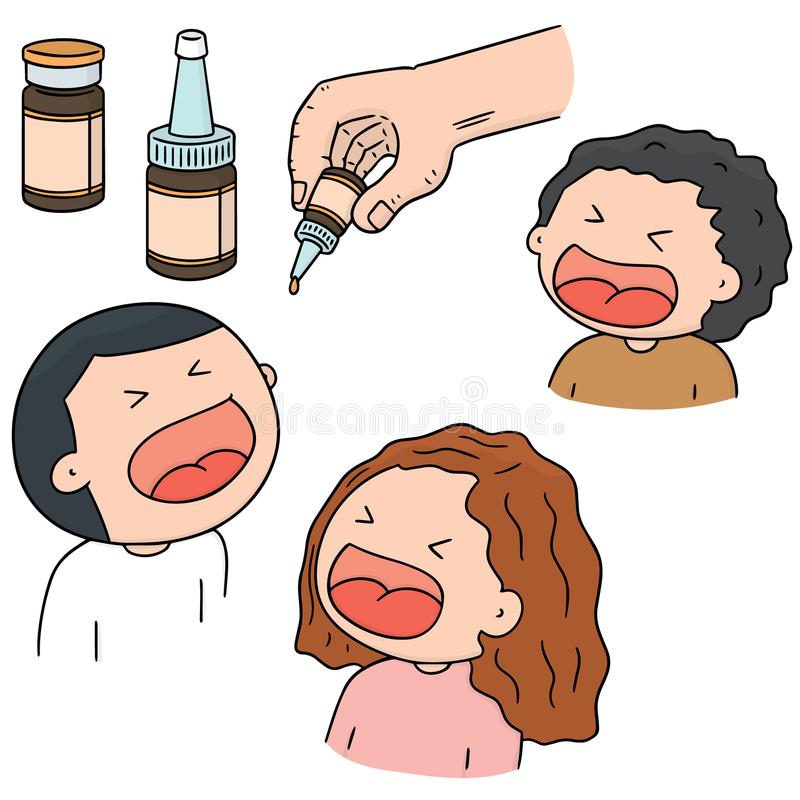
In several places of the world, polio cases are still present today. International efforts to eliminate polio are still underway, despite the fact that the number of infected individuals has significantly decreased.

The inactivated poliovirus vaccine should be given as a booster dose to adults who have already received it and are travelling to a region where polio is present. After receiving a booster, immunity is permanent.

Types of polio

Depending on the parts of your body the virus targets and multiplies in, polio can have various effects on you. the following types of polio:

  • Abortive poliomyelitis manifests as intestinal and influenza-like symptoms. It doesn’t have long-lasting effects and just lasts a few days.
  • Aseptic meningitis, a brain swelling, may result from non-paralytic poliomyelitis. It results in more symptoms than abortive poliomyelitis and can necessitate a hospital stay.
  • Paralytic poliomyelitis: When the poliovirus affects your brain and spinal cord, paralytic poliomyelitis results. The muscles that allow you to breathe, speak, swallow, and move your limbs can become paralysed by it. It is referred to as spinal polio or bulbar polio, depending on which areas of your body are afflicted. Together, spinal and bulbar polio can manifest (bulbospinal polio). Only 1% of polio survivors develop paralytic poliomyelitis.
  • Polioencephalitis: A uncommon form of polio that primarily affects newborns is polioencephalitis. The brain swells as a result.
  • Post-polio syndrome: When polio symptoms reappear years after an initial infection, it is known as post-polio syndrome.

What effects does polio have on my body?

Through the mouth or nose, the poliovirus enters your body. In your gut and throat, it reproduces additional copies of itself (intestines). It can sometimes enter your brain and spinal cord and paralyse you. Your arms, legs, or the muscles that control your breathing may become paralysed.

Who is exposed to polio?

You are most vulnerable to contracting polio if if are not immunised and you:

  • reside in or visit a region where polio still exists.
  • live in or visit a place with inadequate sanitary conditions.
  • are less than 5
  • are expecting.

Can adults contract polio?

Yes, polio can strike adults. Many adults have immunity, either through vaccinations or from having polio. Unvaccinated adults who are exposed to the poliovirus can get the disease.

How widespread is polio?

Thanks to widespread immunisation campaigns, symptomatic polio is uncommon in many regions of the world. Polio is no longer distributed there, and most nations consider it to be eradicated. However, polio can start to spread again if individuals stop taking their vaccinations.

Symptoms

The majority of those who are infected with the virus don’t become sick and are unaware they are infected, despite the fact that polio can result in paralysis and death.

Polio not paralytic

Some persons who experience polio symptoms get a kind of polio that doesn’t cause paralysis (abortive polio). The mild, flu-like signs and symptoms that are typical of other viral infections are typically caused by this.

The following signs and symptoms, which may persist up to 10 days:

  • Fever
  • unwell throat
  • Headache
  • Vomiting
  • Fatigue
  • back stiffness or pain
  • neck stiffness or discomfort
  • Arms or legs that are painful or stiff
  • a weakened or painful muscle

Dyskinetic syndrome

Rarely does the disease manifest in its most severe form. Fever and headache are common early paralytic polio symptoms that can be mistaken for nonparalytic polio. But after a week, more symptoms start to show, such as:

  • decline in reflexes
  • muscular weakness or excruciating aches
  • slack and flaccid limbs (flaccid paralysis)

Poliomyelitis syndrome

Some patients have post-polio syndrome, a collection of incapacitating signs and symptoms, years after they had polio. Typical warning signs and symptoms include:

  • discomfort and deteriorating muscle or joint weakness
  • Fatigue
  • muscles are lost (atrophy)
  • issues with breathing or swallowing
  • respiratory issues that affect sleep, like sleep apnea
  • less ability to tolerate cold temperatures

REFERENCES:

For more details, kindly visit below.

What are the causes and symptoms of Corona Virus?

What are the causes and symptoms of Corona Virus?

A lot of medical professionals think that pangolins or bats are where the new coronavirus strain most likely got its start. The initial human transmission occurred in Wuhan, China. Since then, person-to-person contact has been the primary method of viral transmission.

A class of viruses known as coronaviruses can infect both humans and animals with sickness. One example of a coronavirus is the SARS-CoV virus strain, which causes the severe acute respiratory syndrome (SARS). In 2002–2003, SARS spread quickly.

The severe acute respiratory syndrome coronavirus 2 is the name of the new coronavirus strain (SARS-CoV-2). Coronavirus illness is brought on by the virus (COVID-19).

Approximately 80% of COVID-19 patients recover without specialised care. These individuals could have minor flu-like symptoms. However, 1 in 6 individuals may develop serious symptoms, such as breathing difficulties.

What is a Corona Virus?

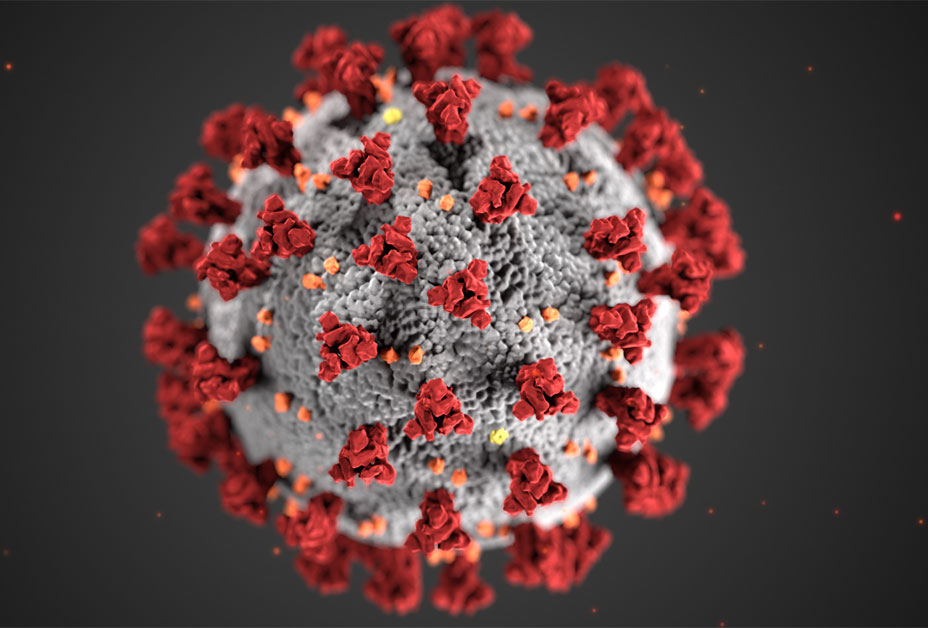
A group of viruses known as coroviruses can make people sick with respiratory conditions. Because the virus’s surface is covered in spikes that resemble crowns, they are known as “corona.” Examples of coronaviruses that affect people include the severe acute respiratory syndrome (SARS), Middle East respiratory disease (MERS), and the common cold.

What caused coronavirus?

Wuhan, a city in China’s Hubei region, was the site of the most recent outbreak. In December 2019, the first COVID-19 cases were reported.

Certain animal species, including cattle and camels, frequently contract coronaviruses. Despite the rarity, coronaviruses can occasionally be transmitted from animals to people. According to a reliable source, this new strain most likely originated from bats, while one study raises the possibility that pangolins were the original host.

It is still unknown how the virus originally infected humans, though. According to some reports, the first cases originated at a seafood and livestock market in Wuhan. SARS-CoV-2 may have begun to spread to humans from this location.

How it spreads?

Through small communities, SARS-CoV-2 transmits from one person to another. People who have COVID-19 cough or exhale little droplets containing the virus. These droplets can cause an infection if they go into someone’s mouth or nose who doesn’t have the virus.

Close contact with an infected person is the most typical way that this disease spreads. Close proximity is approximately 6 feet.  When a person’s symptoms are the worst, the disease is most contagious. But even someone who is symptom-free can transfer the infection. According to a recent study, 10% of infections come from persons who don’t have any symptoms.

The virus may also droplets that land on neighbouring surfaces or objects. By touching these surfaces or objects, other people could contract the infection. If the person then touches their mouth, nose, or eyes, infection is probably going to occur.

It is significant to note that research on COVID-19 is still in its early stages. The new coronavirus may be spread through additional channels as well.

Symptoms and Complications

The symptoms of COVID-19 infection might range from little to no symptoms to serious sickness and death. Most illnesses start up to 14 days following exposure and are typically mild.

The most typical signs are:

  • a new or worsening cough
  • Fever
  • Tiredness
  • Chills
  • muscle pain
  • Headache
  • diarrhoea, vomiting, or nauseous

Additional signs include:

  • respiratory issues or shortness of breath
  • unwell throat
  • swallowing that hurts or is challenging
  • eye colour (conjunctivitis)
  • a diminished appetite
  • loss of flavour or scent

Some individuals, nevertheless, could experience other, more serious consequences like pneumonia or respiratory failure. People who are not fully immunised, pregnant women, adults 60 and older (risk rises with age), people with underlying chronic medical conditions (such as heart disease, diabetes, lung disease), people who are obese with a BMI of 40 or higher, and people with weakened immune systems are at higher risk of developing a severe illness from COVID-19.

In certain instances, COVID-19 infection might result in chronic symptoms that persist for several weeks or months after the patient has recovered. This is referred to as a lengthy COVID or a post COVID-19 condition. Regardless of the severity of your infection or whether you have symptoms, you could develop post-COVID-19 illness.

Symptoms that commonly affect adults include:

  • Tiredness
  • memory issues
  • trouble sleeping
  • breathing difficulty
  • Concern and sadness
  • general discomfort and suffering
  • having trouble focusing or thinking
  • Posttraumatic stress disorder (PTSD)

Typical signs that children experience include:

  • Tiredness
  • Headaches
  • Loss of weight
  • muscle ache
  • trouble sleeping
  • runny or stuffed nose
  • having trouble focusing or thinking

REFERENCES:

For more details, kindly visit below.