Browsed by
Category: Blood thinners

A blood thinner that doesn’t increase bleeding risk.

A blood thinner that doesn’t increase bleeding risk.

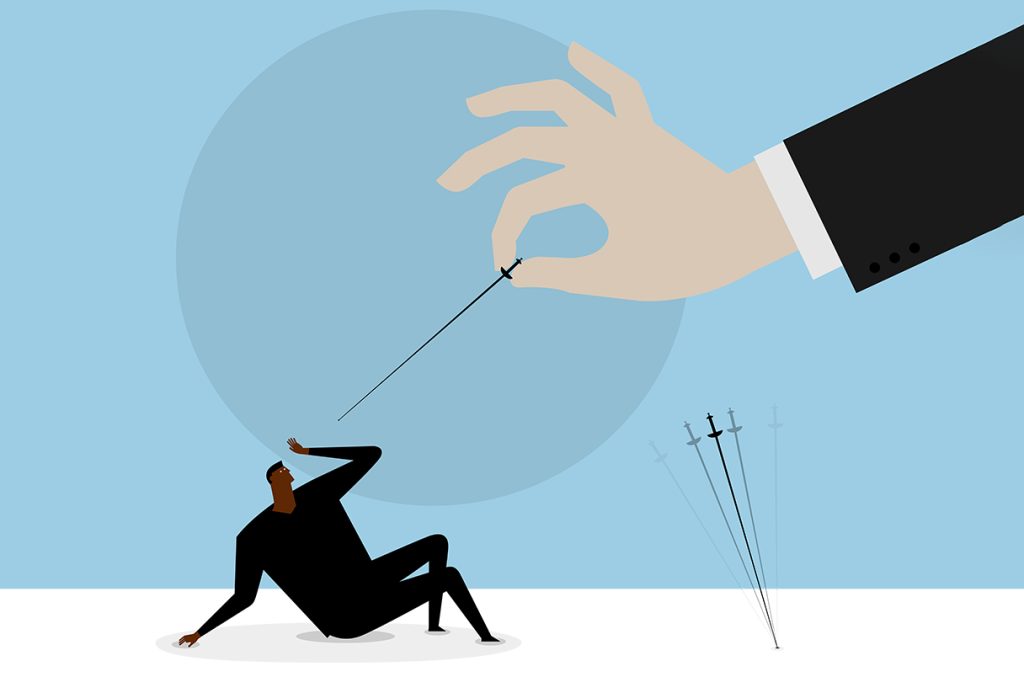
Anticoagulants are crucial for avoiding harmful blood clots, but they also raise the possibility of severe bleeding. If additional research confirms the potential of a novel molecule, blood thinners may no longer increase the risk of bleeding in the future.

The novel drug deliberately targets just one clotting pathway as opposed to all clotting pathways to prevent thrombosis, allowing clotting to proceed without a risk of bleeding or toxicity.
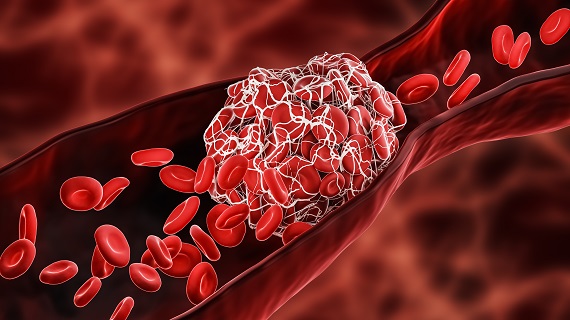
Blood thinners, often known as anticoagulants, work to dissolve and prevent blood clots, semi-solid blood cell clumps, and other things that might obstruct blood flow. However, anticoagulants sometimes function too effectively, which prevents clotting altogether and causes excessive bleeding from the inside or outside.

In a recent study, scientists from the Universities of British Columbia (UBC) and Michigan introduced a novel substance called MPI 8 that may one day make anticoagulants significantly safer.

At the location of an internal or external wound, blood clots often develop, stop the bleeding, and enable the body to start healing. Internal clots can fill the bloodstream or prevent blood flow to vital organs like the heart, brain, and lungs when they become loose. A heart attack, stroke, or pulmonary embolism may be the outcome.

What are Blood thinners?

Blood clots, which can result in a heart attack or stroke, can be avoided by taking blood thinners by mouth, vein, or skin. If you have heart issues like a valve disease or an erratic heartbeat, you could require them.

Blood clots can obstruct the heart, lungs, or brain from receiving blood. You might need to take blood-thinning medicine to stop this.

It’s critical to follow the directions on the label precisely. The drug won’t be as effective if you don’t take it regularly. Extreme bleeding can result from taking too much.

What blood thinners do?

To prevent blood cells from clumping together in the veins and arteries, several drugs thin the blood. Others work to stop blood clots by lengthening the time it takes for them to form. These are referred to as antiplatelet and anticoagulant medications, respectively.

People who have been given a heart disease diagnosis frequently receive anticoagulant prescriptions from their doctors. The word “coagulate” is a medical phrase that implies “to clot.” By prolonging the time it takes for your blood to clot, these blood thinners prevent blood clots.

Clots are prevented from developing by anticoagulants. Common blood thinners that prevent clotting include:

  • warfarin (Jantoven, Coumadin)
  • Lovenox, enoxaparin
  • heparin

Newer anticoagulants with reduced risk of consequences from bleeding include:

  • Pradaxa’s dabigatran
  • (Eliquis) apixaban
  • Xarelto (rivaroxaban)

Antiplatelet medications, on the other hand, stop blood cells, known as platelets, from congregating and creating clots. These include:

  • aspirin
  • (Plavix) clopidogrel
  • periantine dipyridamole
  • (Ticlid) ticlopidine

What blood thinner is best for you will be decided by your doctor. The dosage you receive will be closely watched, and a prothrombin time (PT) test may occasionally be performed. Your INR, or international normalised ratio, is determined by this blood test.

The INR measures how quickly your blood clots. A person’s medical history determines the optimum INR rate for them. You can stop yourself from bleeding excessively or clotting too quickly by staying within your INR range.

To stop a blood clot from developing, medications that are anticoagulant and antiplatelet are both utilized. To break a blood clot that has already formed, like in the case of deep vein thrombosis (DVT) or pulmonary embolism, for instance, a class of drugs known as thrombolytics may be utilized.

Creating MPI 8 to focus on blood clots

Dr. Jay Kizhakkedathu, the study’s principal author, said: “This is very, very interesting and exciting work.”

Dr. Kizhakkedathu remarked, “You know, we have been doing this for many years, but we finally were able to uncover a molecule which is a blood thinner, but which could help a lot of people.

The chemicals involved in blood coagulation that the researchers concentrated on included polyphosphate. Dr. James Morrissey, one of the study’s co-authors, had previously identified it as a prospective therapeutic target.

Dr. Morrissey said in a news release why the research team decided to focus on polyphosphate, saying it may be “a safer target to go after with an antithrombotic drug because it would just slow down these clotting reactions — even if we take out 100% of the action of the polyphosphate.”

However, it can be challenging to target a single molecule in the blood. According to Dr. Kizhakkedathu, polyphosphate is a negatively charged molecule electrically. It is polyanionic, which means that it has several pockets of negative charge. An anionic molecule, on the other hand, has a single negative charge.

MPI 8 stands for “Macromolecular Polyanion Inhibitor 8.”

“Ionic charges are present throughout our bodies. Nearly every surface in our body is polyanionic, including the surfaces of cells and proteins, according to Dr. Kizhakkedathu. We require highly specialised agents that can bind to polyphosphate, a very precise polyanion.

Because there are so many negatively charged anions in the blood, previous attempts to target polyphosphate with cations, positively charged compounds, were toxic because they bound indiscriminately with so many of them.

According to Dr. Kizhakkedathu, the scientists were able to pinpoint a class of molecules known as the MPIs that possessed “very special properties.” “However, it raises the charge density once it has located its target. It binds very tightly and specifically, he continued.

A breakthrough finding might help future research.

As of now, MPI 8 has been tested on mice by the study’s authors, who discovered that it effectively prevents blood clots without being harmful or increasing the risk of bleeding.

For MPI 8, UBC and the University of Michigan have submitted a patent application with the goal of moving on to studies with larger animals and ultimately humans.

The team’s discovery, according to Dr. Kizhakkedathu, “will a help a lot of people if it gets into the clinical trials and approved.”

REFERENCES:

For Blood thinner medications that have been suggested by doctors worldwide are available here https://mygenericpharmacy.com/index.php?therapy=47

Longer naps may increase the risk of obesity & hypertension

Longer naps may increase the risk of obesity & hypertension

According to research, those who nap during the day for longer than 30 minutes appear to be more likely to be obese and have high blood pressure.

They observed that persons with shorter naps are less likely to develop high blood pressure.

Longer naps, according to specialists, may play a role in these illnesses because they can disturb both eating and sleeping patterns at night.

More than 30-minute naps during the midday may raise blood pressure, increase body mass index, and worsen diabetes and heart-related diseases, according to research.

The prevalence of high blood pressure was lower among people who took what are known as “power naps,” which are midday sleep sessions lasting 30 minutes or fewer.

Researchers from Brigham and Women’s Hospital in Boston evaluated more than 3,000 adults from a Mediterranean population—where midday naps, known as “siestas,” are common—for a recent study that was published in the journal Obesity.

The duration of siestas and their association with metabolic syndrome and obesity were investigated by the researchers.

According to studies, those who take siestas of at least 30 minutes are more likely than those who don’t to have higher blood pressure, a higher body mass index, and other diseases linked to diabetes and heart disease.

Additionally, compared to people who did not take a siesta, those who took brief naps were less likely to exhibit elevated systolic blood pressure. “Not all siestas are the same,” said Marta Garaulet, Ph.D., MS, a senior study author and a visiting professor in the Brigham and Women’s Hospital Division of Sleep and Circadian Disorders. “The health effects of a nap can depend on the length of time, position of sleep, and other particular factors.”

Obesity and Naps

According to Garaulet, the group previously conducted research in the UK and discovered that siestas were linked to a higher risk of obesity. The next step was to examine siestas in a nation where afternoon naps were more prevalent in culture.

According to Garaulet, “in this case, Spain, as well as how the duration of siestas is related to metabolic health.” The group notes that there are more than 1 billion obese people in the world, which is a rising health risk.

In the course of metabolic processes, how people digest food has a connection to fat accumulation in the body. Researchers suggested that studying how habits, such as napping, alter certain metabolic pathways, could contribute in the understanding of how habits affect health.

Findings from the napping research

The group looked at information from 3,275 persons in the Murcia region of Spain.

Participants at the University of Murcia had their baseline metabolic parameters assessed, and information about their naps and other lifestyle elements was gathered. No siestas, shorter than 30 minutes, and more than 30 minutes were the categories into which the subjects were split.

In comparison to those who did not take siestas, subjects who took longer naps had higher body mass indices and were more likely to have metabolic syndrome (MetS).

The extended nap group exhibited greater waist circumference, fasting glucose levels, systolic blood pressure (SBP), and diastolic blood pressure values as compared to the no-siesta group. Longer siestas were linked to later nighttime eating and sleeping, more energy consumed during lunch, and smoking.

Sleep and obesity

A lot of study has been done on the relationship between sleep and obesity, according to Becca Krukowski, PhD, a professor at the University of Virginia School of Medicine.

In contrast, Krukowski noted, “This article adds knowledge about sleep and health risks in a cultural context where naps are promoted among healthy people, across the lifespan, while also considering other potentially related factors, such as nap length and eating patterns.”

According to Krukowski, it’s probable that the health issues led to the lengthier sleeps rather than the other way around. The direction of these correlations cannot be determined from this study because it is cross-sectional. It’s likely that obese people sleep less soundly at night and require longer naps as a result.

The study, according to Krukowski, might be a first step towards more illuminating research.

“Previous studies have shown that weight loss interventions improve sleep quality,” said Krukowski. It could be interesting to look at whether weight loss is impacted by sleep therapies, such as controlling nap length and increasing nocturnal sleep.

More study is required on napping

The authors of the study acknowledged that it’s possible that some factors—rather than siestas per se—might be a result of obesity rather than being caused by siestas, as evidenced by a prior investigation of data from the UK Biobank that found a causal link between napping and obesity, particularly abdominal obesity, which they refer to as the most harmful type.

The link between siestas and health indices was found to be mediated by a number of statistically relevant lifestyle factors, according to the authors.

They urge further investigation into whether a little siesta is preferable to a long one, especially for people who smoke, have bad habits like sleeping in late or delaying meals, or who have delayed sleep patterns.

The Brigham’s Division of Sleep and Circadian Disorders’ Frank Scheer, PhD, a senior neuroscientist and professor in the Medical Chronobiology Programme, commented on the study’s findings in a statement. “This study shows the importance of considering siesta length and raises the question of whether short naps may offer unique benefits,” he said. Numerous institutions are starting to recognise the advantages of quick naps, mostly for work productivity but also more and more for overall health.

REFERENCES:

For High blood pressure medications that have been suggested by doctors worldwide are available here https://mygenericpharmacy.com/index.php?therapy=8

Can workplace discrimination result in high blood pressure?

Can workplace discrimination result in high blood pressure?

According to a recent study, those who feel discriminated against at work are far more likely to experience high blood pressure.

The results are consistent with earlier studies in which researchers found that even a small degree of employment discrimination can have an adverse effect on one’s physical and emotional well-being.

According to experts, employment discrimination must be reduced through the implementation of regulatory changes and cultural reforms.

Your blood pressure may increase if you feel discriminated against at work, and not only metaphorically.

Analysing the research’s data

The researchers looked at information from the Midlife in the United States Study (MIDUS) on American adults who had a range of educational backgrounds and occupations for this study. They examined information on 1,246 persons who were tracked from the study’s beginning in 2004 to its halfway point in 2006 without exhibiting signs of high blood pressure. About half of those examined were women and most were white.

They mainly fell into the following age groups:

  • not older than 45
  • aged 46 to 55
  • 56 or more

According to a study published this week in the Journal of the American Heart Association, people who report experiencing high levels of workplace discrimination were 54% more likely to acquire high blood pressure than those who reported experiencing low levels of such discrimination.

To estimate the prevalence of employment discrimination, researchers examined survey responses from 1,246 persons in the US who did not self-report having high blood pressure, often known as hypertension, at the start of the study.

Most of the participants were Caucasian, and they represented a variety of professions and educational levels. There were roughly equal numbers of males and women. Following that, participants were monitored for about 8 years.

A validated questionnaire was used to measure perceived workplace discrimination. Participants were questioned about their work experiences, including whether they felt treated unfairly, whether they felt monitored or ignored more than others, whether job promotions were appropriately rewarded, and how frequently they were exposed to racial, sexual, or ethnic discrimination or jokes.

Every inquiry received a score between 1 (never) and 5 (at least once each week). Participants were split into three groups based on their total scores: low, middle, or strong discrimination.

The outcomes?

After the trial, they discovered that 319 participants had high blood pressure after around eight years of the follow-up period.

People with “low workplace discrimination scores” were 22% less likely to report high blood pressure than those with “intermediate workplace discrimination exposure scores.”

Additionally, in comparison to individuals who had reported low workplace discrimination scores, those with high workplace discrimination exposure ratings were 54% more likely to report high blood pressure readings during the follow-up research period.

Dr. Jian Li, M.D., Ph.D., the lead study author and professor of work and health at the University of California, Los Angeles’ Fielding School of Public Health and School of Nursing, told Healthline that he initially predicted there would be a connection between high blood pressure and workplace discrimination before beginning this project.

He declared that he was “excited to see the association” between discrimination and such a significant increase in blood pressure.

The health effects of discrimination

In a sense, experts say, these results are not surprising because prior research has demonstrated that racism and prejudice can have major effects on both physical and mental health.

It appeared that employment discrimination, even at low levels, had an impact. When compared to individuals with low workplace discrimination ratings, those with intermediate values were still 22% more likely to report having high blood pressure.

Anjali Gowda Ferguson, PhD, a certified clinical psychologist, claimed that discrimination has “profound health impacts that are a result of an exacerbated stress response.”

“People can exhibit trauma symptoms, which essentially put the body in the fight-or-flight position. The physical health of people starts to suffer as a result of these protracted feelings of anxiety”.

Senior lecturer in cognitive science at Troy, New York’s Rensselaer Polytechnic Institute, Alicia Walf, PhD, concurred. Discrimination, according to her, is a “chronic psychosocial stressor” that demands attention.

Waif said that because people are discriminated against in settings other than the workplace, “the effects shown in this study of an increased risk of developing high blood pressure in individuals who reported that they faced discrimination at work has far-reaching consequences.” In addition, high blood pressure is an important indicator since it is associated with a higher risk of diseases other than cardiovascular disease, like immunological and metabolic problems.”

She continued, “I believe that this is an important first study examining the relationships between workplace discrimination and this one signal of the detrimental effects on health, such as high blood pressure. “I hope this inspires future research finding out if there are individual differences based on factors, like age and the type of discrimination faced,” the author says.

Manage discrimination leading to high blood pressure

What should you do if discrimination at work causes your blood pressure to rise or causes other changes to your cardiovascular health?

Li suggested that workers could use self-regulated stress reduction techniques like mindfulness exercises. According to him, studies show that “mindfulness-based stress reduction could lower blood pressure.”

Albert noted that while some people have better coping techniques than others when it comes to managing the effects of workplace discrimination on blood pressure, these measures can be beneficial for the individual.

“Those who have higher coping skills will have better biological responses, meaning they are less likely to develop high blood pressure and other forms of cardiovascular disease,” she said.

Albert emphasised that this places a heavy burden on the individual.

Sincerity be damned, I’ve always had a problem with coping since it tends to focus on the individual rather than the systems and structural elements. Both are necessary, she noted. Interventions that deal with systemic prejudice are necessary, as are interventions that support people as they adjust to having fewer biological effects.

Most adversely affected by discrimination at work

Li responded that a wide spectrum of groups are affected and at danger for the detrimental effects of workplace discrimination.

A person may be the subject of discrimination due to a variety of reasons, including their color, age, gender, sexual orientation, religion, national origin, presence of a certain health condition, or outward appearance.

One noted weakness of the new study is that non-white people with lower levels of education who hold positions where they have less power over their workplaces tended to opt out of the follow-up questioning sessions. Future research should, according to Li, fill some of these gaps.

Albert pointed out that it is significant to take into account the fact that the majority of the participants in this study self-identified as white.

It isn’t difficult to imagine that those same groups would also experience some of the worst cases of discrimination, and, as a result, these detrimental effects on cardiovascular health, she said, given the larger structural barriers the most vulnerable members of our society face because of their race and ethnicity, their sex and gender identity, and their sexual orientation, to name a few examples.

There isn’t a lot of information available on this as of yet, she claimed. She cited studies on the effects of discrimination on the cardiovascular health of Black women that she had conducted and presented.

According to Albert, there is a 30–50% higher risk of coronary heart disease, which is what causes heart attacks, as a result of discrimination.

REFERENCES:

For Blood pressure medications that have been suggested by doctors worldwide are available here https://mygenericpharmacy.com/index.php?therapy=53

Is Strength training effective for managing blood pressure.

Is Strength training effective for managing blood pressure.

Hypertension, often known as high blood pressure, is a common ailment that, if left untreated, can cause major issues. Medication and lifestyle changes can both be used to address high blood pressure.

A systematic evaluation and meta-analysis of the available data revealed that strength training may be a useful non-drug alternative for the management of high blood pressure. Its effectiveness, however, is influenced by variables including intensity and duration.

People who have hypertension or high blood pressure are susceptible to some long-term problems. Blood pressure can be lowered and a person’s risk of problems can be decreased with early management.

The greatest strategies for modifying one’s lifestyle to lower blood pressure are constantly being researched. How strength training affects blood pressure is one topic of interest. Recent systematic reviews and meta-analyses have demonstrated the blood pressure-lowering benefits of strength training.

Researchers found that strength training appears to be most useful when it entails working out at least twice per week for at least two months at a moderate to strenuous level.

High blood pressure and treatments

The force the heart uses to pump blood throughout the body is measured by blood pressure. The force blood applies to blood vessel walls as the heart contracts is known as systolic blood pressure. When the heart relaxes, the blood pressure in the diastole is the force.

It’s critical that blood pressure maintain a healthy range. Stroke, heart attack, or kidney failure are just a few of the severe problems that high blood pressure can cause. Dr. John Higgins, a sports cardiologist from UTHealth Houston and a non-study author, observed:

“Hypertension is a significant risk factor for developing heart disease that, if not managed properly, can result in early coronary artery disease (CAD), stroke, peripheral arterial disease, atrial fibrillation, and heart failure. Increased morbidity and death are linked to all these disorders.

Aside from taking medicine, managing high blood pressure entails making changes to one’s lifestyle. Losing weight, giving up smoking, and exercising are a few examples of lifestyle changes. Individualized treatment programs for people with high blood pressure can be created in collaboration with their doctors.

Dr. Rohini Manaktala, a cardiologist with Memorial Hermann Medical Group and an independent study author, stated that “following a healthy way of living with daily physical activity, maintaining a normal weight, consuming alcohol in moderation, and refraining from tobacco use are all ways to control an individual’s blood pressure.”

Using strength training to manage hypertension

In this systematic review and meta-analysis, researchers investigated the effects of strength training on high blood pressure levels by reviewing several papers. Through several databases, including PubMed, the Cochrane Library, and the World Health Organisation, they discovered studies. Fourteen randomized controlled studies that satisfied inclusion requirements were included in their study.

253 hypertensive people in all were included in the study and analysis. Participants were just about sixty years old on average.

Giovana Rampazzo Teixeira, Ph.D., the senior author of the study and a professor at UNESP – So Paulo State University’s School of Technology and Sciences, said: “We used randomised clinical studies that used strength training as a treatment for arterial hypertension in hypertensive individuals.”

The following criteria were determined to be the most conducive to strength training’s ability to lower blood pressure in participants:

At least twice a week, individuals engaged in strength exercises that ranged from moderate to strenuous intensity. The intervention lasted at least eight weeks. As outlined by Dr. Teixeir:

“We found that people under 59 years old experienced a more notable drop in blood pressure during the physical training phase. People between the ages of 60 and 79 reported a less noticeable but still discernible difference. Thus, we emphasize that strength training provides advantages for both young and old.

Dr Teixeria continued, “Professionals who are faced with a hypertensive subject in clinical practise or even in the day-to-day at the gym will be able to use strength training as a treatment for arterial hypertension, knowing what the necessary variables for this are to be achieved, and always taking into consideration the goals of that subject.”

How to lower blood pressure

Studies like this one, according to Dr. Fahmi Farah (MD), of Bentley Health, can give cardiologists like her another tool when communicating with the patients they care for.

We have always known that exercise lowers the chance of developing cardiovascular disease, but this study gives us additional proof and confidence to tell our patients about the benefits of exercise and encourage them to try it for themselves.

Farah and her peers in the sector are aware that strength training can provide health hazards or be prohibitively expensive or difficult to get owing to geography. is not accessible to all.

“I would say that on a population, a country, and a government level, I think the help needs to come from higher up so that we can make it more practical for everyone to be able to afford working out.”

Even for individuals who can exercise, Makowski advises against becoming overly ambitious or pushing oneself beyond their limits.

Strength training may be done at many degrees, and it’s not always what we imagine when we think of someone bench pressing a lot of weight elastic bands, light dumbbell weights, and bodyweight movements known as isometrics are some examples.

But before beginning weight training as an intervention for high blood pressure, every expert for this article advised the same thing: make sure you’ve spoken with your doctor.

Data limitations and clinical implications

This analysis and assessment does have some restrictions. First, research involving the use of blood pressure-lowering drugs were not disregarded. This fact might have affected how their analysis turned out.

Second, while multiple control groups were employed in the studies that were included, the researchers only paid attention to the blood pressure readings of participants who had high blood pressure. The ability of researchers to compare how strength training would benefit men and women differently was also constrained. Researchers also point out that there may be publication bias in the available studies.

Dr. Manaktala made the following assumptions regarding how strength training might be used to reduce high blood pressure based on the study’s findings:

Strength training is simple to incorporate into a person’s regular routine. The most crucial factor is constancy. A decent first exercise method to lower blood pressure would be a moderate to strenuous workout, 2 to 3 times per week.

It’s also crucial to remember that each person’s use of strength training may seem different. To perform a strength training programme safely, people might ask doctors and other experts for assistance.

Dr. Higgins stated that it is wise to consult with medical professionals before beginning a strength training programme to ensure that it is safe to do so and to get their advice on the appropriate level of intensity.

REFERENCES:

For Blood pressure medications that have been suggested by doctors worldwide are available here https://mygenericpharmacy.com/index.php?therapy=53

Dementia due to brain damage by high blood pressure?

Dementia due to brain damage by high blood pressure?

According to research, some aggressive blood pressure medicines can benefit brain health. As per them, the therapies function by opening up neural pathways in the perivascular regions of the brain.

According to experts, a balanced diet, regular exercise, enough sleep, and avoiding overstimulation are all important components of maintaining excellent brain health. Researchers may be able to detect people with severe cognitive impairment with the aid of additional research.

Dementia, a general term for a multitude of illnesses affecting memory loss and cognitive deterioration, affects more than 55 million individuals worldwide. Scientists are unsure of the exact aetiology of dementia, but they do know that certain factors can affect whether or not someone gets dementia. High blood pressure is one of these.

According to earlier studies, those who have high blood pressure are more likely to experience dementia, including Alzheimer’s disease.

Researchers from the University of Edinburgh in the United Kingdom and Jagiellonian University Medical College in Krakow, Poland, have now identified the precise regions of the brain that may be harmed by high blood pressure and are connected to the onset of dementia.

What is blood pressure? 

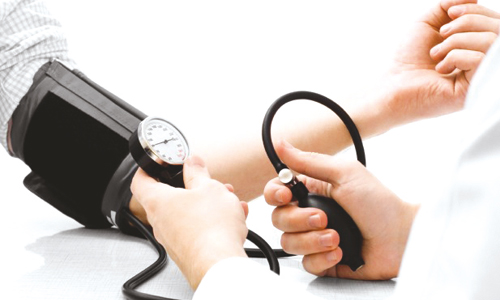
The amount of power the heart exerts to pump blood through the arteries is measured as a person’s blood pressure.

The doctor gets two distinct readings while taking your blood pressure. The highest figure reflects the systolic pressure experienced as the heart pumps blood into the arteries. The diastolic pressure, which the heart experiences between heartbeats, is represented by the bottom number. They are both expressed in millimetres of mercury (mmHg).

For instance, the systolic and diastolic pressures of normal blood pressure are both less than 120 and 80 mmHg, respectively (but more than 90mmHg systolic and 60mmHg diastolic).

High blood pressure is seen as beginning when the systolic and diastolic pressures both rise to 130 and 80, respectively. Stage 2 high blood pressure is defined as systolic and diastolic pressures of at least 90mmHg and 140mmHg, respectively.

High blood pressure

Hypertension, also referred to as high blood pressure, develops when the amount of effort required for blood to flow through the arteries is too great.

This may occur if plaque inside the artery walls, which contains cholesterol, causes the arteries to become damaged or narrower.

A person’s chance of acquiring high blood pressure may be increased by a number of variables, such as:

  • unsound diet
  • obesity
  • inactivity
  • Using tobacco or alcohol
  • genetics
  • certain illnesses, like diabetes

How does high blood pressure affect the brain? 

The lead author of this study and professor of cardiovascular medicine at Jagiellonian University Medical College in Krakow, Poland, and the University of Edinburgh in the United Kingdom, Prof. Tomasz Guzik, believes that having high blood pressure can negatively impact the structure and operation of the brain in a variety of ways.

“For example, hypertension can have a serious influence on your brain’s blood vessels, causing them to change in shape, stiffen, and form clogged arteries. “Small vessel disease” is a condition that results from the malfunction of smaller blood vessels in the brain caused by high blood pressure, which is passed from bigger to smaller blood vessels.

“High blood pressure not only impacts the flow of blood to the brain, but it also speeds up pathological processes including neurodegeneration and inflammatory activationTrusted Source. Dementia, memory loss, and other cognitive impairments are all caused by these conditions, said Tomasz Guzik, Ph.D.

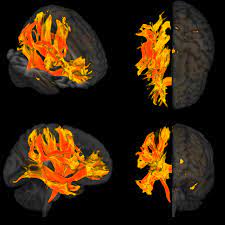
Furthermore, according to Prof. Guzik, excessive blood pressure might harm the brain’s white matter.

He said that damage to this area can result in poor cognitive performance and raise the risk of stroke. “The white matter is formed of nerve fibres that transfer information across different brain regions,” he said.

According to him, this emphasises how crucial it is to keep blood pressure under control in order to avoid white matter damage and the accompanying cognitive problems.

Blood pressure study

The individuals were split into two groups by the scientists for their analysis. With a goal of 120 mm Hg systolic pressure, 243 patients in one group had highly intense treatment for high blood pressure.

The second group, consisting of 199 individuals, received routine care with a 140 mm Hg goal. Pre- and post-study MRIs were used to compare the number of perivascular spaces in each participant’s brain.

The innermost layer of the brain contains spaces filled with cerebrospinal fluid known as Virchow-Robin spaces, or perivascular spaces (PVS), according to Dr. Sandra Narayanan, a vascular neurologist and neuro-interventional surgeon at the Pacific Stroke & Neurovascular Center at Pacific Neuroscience Institute in California.

They may get bigger as a result of neurodegenerative processes, demyelinating diseases, inflammation, or ageing. They aid in clearing the brain of metabolic waste and water, she said.

The American Heart Association states that a normal blood pressure reading is less than 120/80 mm Hg. Elevated blood pressure is defined for adults as 120 to 129 mm Hg for the systolic pressure (the top number) and less than 80 mm Hg for the diastolic pressure.

High blood pressure is defined as a persistently high systolic pressure of 130 mm Hg or higher, or a diastolic pressure of 80 mm Hg or higher.

Hypertension-dementia link

Thousands of participants from the UK Biobank, COGENT, and the International Collaboration for Blood Pressure provided observational data for this study, which Prof. Guzik and his team conducted using a combination of brain magnetic resonance imaging (MRI), genetic analysis, and observational data.

After examination, scientists discovered alterations in nine regions of the brain connected to both deteriorating cognitive function and elevated blood pressure.

The putamen, which is in charge of learning and motor control, is one of these regions. Alzheimer’s disease and putamen dysfunction are related, according to earlier study.

White matter regions, the anterior thalamic radiation, the anterior corona radiata, and the anterior limb of the internal capsule were also affected by high blood pressure. 

Both basic and complicated behaviours are planned and carried out by the anterior thalamic radiation, whereas the anterior corona radiata supports decision-making and emotion regulation. Moreover, the internal capsule’s anterior limb supports motivation, decision-making, and cognitive processing.

What you can do to improve brain health?

According to Narayanan Sajd, “many risk factors for neurodegenerative illnesses, such senior age, tend to be progressive.” There are significant potential clinical consequences on quality and quantity of life for these debilitating and pervasive illnesses if some of the associated clinical aspects are changeable.

According to the study’s findings, maintaining a healthy blood pressure level is crucial for maintaining a healthy brain.

The Mediterranean diet, which is low in fat and abundant in fruits and vegetables, is one example of a nourishing diet that the Alzheimer’s Association recommends. It’s also crucial to challenge your intellect by learning something new.

Behavioral scientist, relationship expert, and developer of the Happiness Hypothesis Method Clarissa Silva advises incorporating the following into your life:

  • Exercise. Daily aerobic activity for at least 30 minutes encourages the growth of new neurons in the brain.
  • Sleep. Regular sleeping patterns prevent the onset of brain fog and can make it worse throughout the day.
  • Overstimulation. Work productivity may be hampered by multitasking, which also adds to our brain’s ongoing overstimulation. Neuroplasticity in the brain is enhanced by concentrating on one task at a time and taking a break before moving on to the next one.
  • Unattended trauma. Trauma affects cognitive performance, self-esteem, and decision-making. Working with a qualified specialist to address trauma can start the process of reversing current cognitive impairment and preventing further degenerative disorders.

According to Silva, limiting screen time can aid in neuron regeneration. “Setting up a routine. At first thing in the morning and an hour before going to bed, try to cut back on checking your gadget. The constant overstimulation that we experience throughout the day needs to be repaired in our brains.

REFERENCES:

For more details, kindly visit below.

Treating hypertension with help of the ultrasonic device.

Treating hypertension with help of the ultrasonic device.

Introduction

The findings of a recent meta-analysis of prior studies looking into a novel method of blood pressure control seem promising. It explains a treatment that “mutes” overactive kidney nerves, a sign of hypertension frequently observed in middle-aged adults.

Participants’ blood pressure was dramatically reduced after the procedure, dropping by an average of 8.5 millimeters of mercury (mmHg). Follow-ups two months later and three years later supported the effectiveness of this advantage.

One of the primary causes of death on a global scale is hypertension or high blood pressure. In addition to heart, brain, and renal disorders, it can cause strokes. Since an estimated 46% of people with hypertension are unaware that they have it, it is frequently referred to as the “silent killer”.

Many hypertension medications, may be helpful in addition to a healthy lifestyle and dietary adjustments in managing the illness. Many folks find this to be adequate. Nonetheless, some people’s blood pressure continues to be consistently high.

Reports

According to a recent meta-analysis, the 506 hypertensive participants in three randomized clinical trials had considerably lower blood pressure when therapeutic ultrasonography was used to reduce kidney-nerve hyperactivity.

The exact etiology of hypertension is unknown. Scientists speculate that it may be a result of a mix of genetics, lifestyle, aging, and other processes.

Middle-aged hypertension is typically accompanied by hyperactive renal nerves, which can raise blood pressure in several different ways. It could cause salt and water retention as well as the production of hormones that raise blood pressure.

Even though there are many different medications for treating hypertension, none explicitly target this renal overactivity. So, the “renal denervation” ultrasound approach investigated in the present study provides clinicians with an extra instrument. Thi was made to support patients in maintaining their health.

Researchers from the Université de Paris in France and Columbia University in New York City carried out the study. You can find it in JAMA Cardiology.

How blood pressure is measured?

Millimeters of mercury, or mmHg, is used to measure blood pressure. This is because early precise blood pressure gauges and some contemporary systems rely on mercury.

Two blood pressure readings are usually displayed, one above the other or to the left of the other. Systolic blood pressure, or the pressure the heart puts off when pumping blood, is the first value. The pressure in arteries between heartbeats is shown by the second value, called the diastolic value.

The American Heart Association defines good blood pressure as having a systolic reading of less than 120 mmHg over a diastolic reading of less than 80 mmHG. A value of 130–139/80–89 mmHG indicates stage 1 hypertension. Higher results indicate hypertension in stage 2.

The current study discovered that renal denervation dramatically decreased participants’ blood pressure, by 5 to 10 mmHG, with an average decrease of 8.5 mmHg.

kidney nerves and high blood pressure

It is believed that overactive renal nerves induce water and sodium retention and produce hormones that can elevate blood pressure. They are a contributing factor in the development of hypertension in middle age. As blood arteries stiffen in older adults, hypertension frequently develops.

Antihypertensive medications lower blood pressure in a variety of methods, such as by dilation of blood vessels, removal of extra fluid, or blockage of hormones that elevate blood pressure. Yet, none of these drugs specifically target the renal nerves.

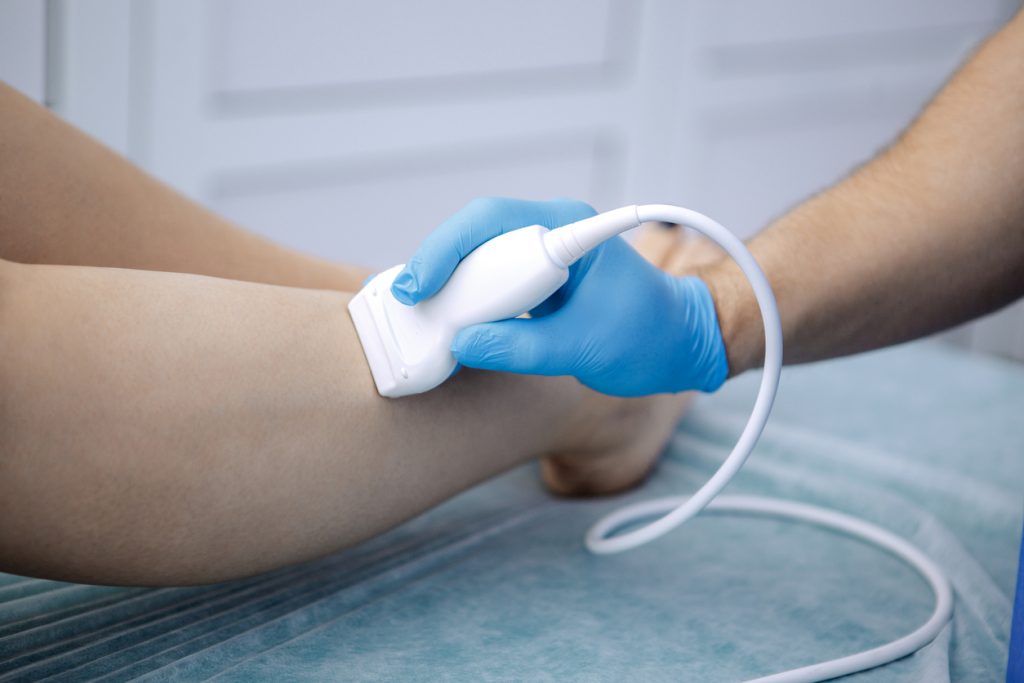
By calming hyperactive nerves in the renal artery, ultrasound treatment blocks the signals that cause hypertension. A thin catheter that is placed into a vein in the wrist or leg and sent to the kidney delivers the therapy to the nerves.

Renal denervation

A tiny catheter that is placed into a vein in the leg or wrist and threaded into the kidney makes up the renal denervation device addressed in the study. During the operation, ultra-high-frequency sound waves are used to treat the kidney’s nerves. This causes minute amounts of scar tissue to form, which reduces the nerve activity. “Ablation” is the name of this procedure.

Lead author Dr. Ajay J. Kirtaine predicted that the surgery would be performed as an outpatient, similar to cardiac catheterization.

“Ultrasound-renal denervation’s ablation portion is less than one minute, and the whole procedure is less than an hour, with conscious sedation/local anesthetic,” he said.

In the research, participants were divided into two groups: the ultrasound denervation group and the control group, which had a sham operation with no therapeutic benefit.

The number of participants in the study arm who received the therapy to lower blood pressure to 135/85 was twice as high. This outcome was the same in all three investigations, which included a population of different racial backgrounds, indicating the technique is probably valuable to many people.

The investigations indicated that the reduction in blood pressure persisted for at least 2 months following the operation and that participants’ blood pressure was improved. The result of the surgery “appears to be durable with follow-up out to 3 years,” according to Dr. Kirtaine.

Not yet, at least not for everyone.

The device is experimental so far, having not acquired permission for usage in the United States. The study’s authors plan to apply it to people whose blood pressure is still uncontrolled despite modifying their lifestyles and taking medication.

Dr. Jayne Morgan, a cardiologist who was not involved in the study, concurred and viewed the procedure as perhaps a secondary treatment rather than a first-choice therapy. But she noted, “I envision that this might certainly be reversed in the future with continued trials and information/data.

According to Dr. Morgan, the surgery may be especially beneficial for Black people and other minorities who have high rates of hypertension and heart disease.

This is a terrific reason why Black volunteers should be recruited, she said, since it may offer a more long-lasting option for blood pressure control in the future. 17% of participants in the meta-analysis were Black Americans.

Dr. Devin Kehl, who was not involved in the research, issued a warning: “The trials have been quite limiting in their inclusion and exclusion criteria,” despite the fact that the technique has an outstanding long-term safety profile and is probably safe.

REFREENCES:

For more details, kindly visit below.

Important food tips to consider for lower cholesterol.

Important food tips to consider for lower cholesterol.

What is cholesterol?

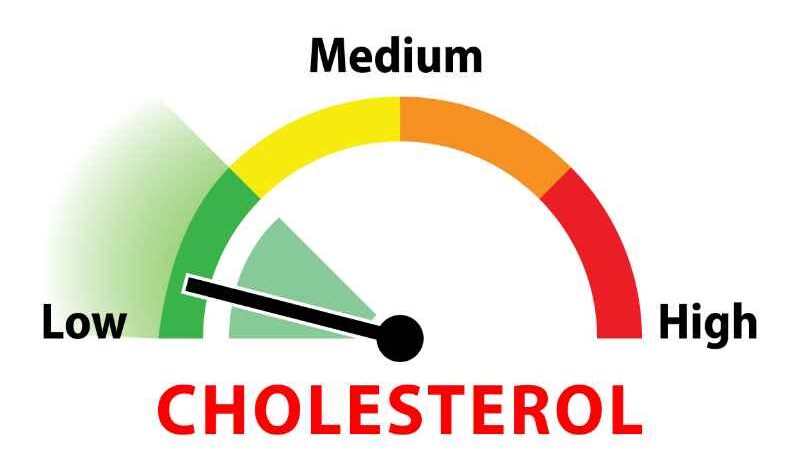
To function effectively, your body requires some cholesterol. But, if there is too much in your blood, it can adhere to the artery walls and constrict or even block them. You run the risk of developing coronary artery disease and other heart disorders as a result.

On a class of proteins known as lipoproteins, cholesterol moves through the blood. LDL, one type, is referred to as the “bad” cholesterol. The accumulation of cholesterol in your arteries is caused by a high LDL level. The “good” cholesterol is frequently referred to as another type, HDL. It transports cholesterol back to your liver from other places of your body. The cholesterol is then eliminated from your body by your liver.

You can take actions to increase your HDL (good cholesterol) and decrease your LDL (bad cholesterol). You can reduce your chance of developing heart illnesses by maintaining normal cholesterol levels.

Food tips to lower your cholesterol

These ten methods include foods that lower cholesterol, suggestions for modest exercise, and more. These can all be used to lower cholesterol without the need of medicine.

To prevent trans fats, read the nutrition labels.

Reading nutrition labels is one of the simplest things you can do to help control your diet, so you’ve definitely heard this advice repeated time and time again. You can use nutrition labels to identify the healthy elements you consume and to steer clear of trans fats, which are among the worst ingredients for your cholesterol levels.

Trans fats, commonly referred to as “hydrogenated oils” or “partially hydrogenated vegetable oil,” are cunning substances that may benefit food producers but are bad for you.

Trans fats make things more durable, which makes them simpler to ship and store. They can be found in a lot of processed foods and many baked items made with margarine or shortening. Sadly, they also increase levels of dangerous LDL cholesterol while lowering levels of good HDL cholesterol.

Thus, read labels and make an effort to avoid trans fats whenever you can if you genuinely want to lower your cholesterol. Cutting them out of your diet can have a significant impact because they are among of the worst culprits when it comes to high cholesterol.

Choose fish or chicken or other meats that contain lower saturated fats.

Lookin’ a little bit more bare in the fridge than usual? When you leave to restock, take a moment to go through your shopping list to see if there are any simple protein substitutions you can make.

Start by cutting back on the red meat. Saturated fats, which are prevalent in a lot of red meats, can cause unhealthy LDL cholesterol levels to rise. Choose skinless chicken or skinless turkey more frequently and stay away from processed meats for healthier choices. Adding additional seafood to your diet is another option.

Fish is low in saturated fats and contains a variety of omega-3 fatty acids that are beneficial for your heart and can raise your levels of the good HDL cholesterol. You can try including the following fish varieties in your diet:

  • oily fish such as tilapia, Atlantic mackerel, or salmon from the Atlantic or Pacific
  • Shellfish include crab and shrimp
  • Lake herring and trout are examples of freshwater fish.
  • Whitefish from the sea, such as cod and grouper
  • Light tuna steaks or fillets in a can

Despite this, it can be difficult to resist eating hamburger and steak. Choose thinner meat pieces when grilling outside. Like anything else, it’s acceptable to consume certain saturated fats. Just remember to consume them in moderation.

Kidney beans, quinoa, whole grain bread, and other foods are good sources of soluble fibre.

You undoubtedly already know that fibre can improve your intestinal health. But, if you believed that fibre was only useful for digestion, reconsider; it can also improve your cardiovascular health.

Soluble fibre is abundant on a list of foods low in cholesterol (fiber that can dissolve into water). To lower levels of harmful LDL cholesterol, soluble fibre absorbs cholesterol in the gut before it enters the bloodstream.

Among the foods high in soluble fibre are:

  • Oats
  • Barley
  • Quinoa
  • granola bread
  • mung beans
  • Lentils
  • Chickpeas

Adding more of these food categories to your diet is simple. For lunch, try curried lentils, and for dinner, try turkey chilli with kidney beans. For morning, try oats and whole grain toast.

But, it’s crucial to keep in mind that not all “healthy” foods are made equal. In general, the more processed a grain or bean is, the less likely it is to be nutritious and provide health advantages. Try to stock up on fresh ingredients whenever you can.

Snacking on fruits, veggies, and nuts will increase your intake of unsaturated fats and fibre.

Having a snack between meals to increase energy or calm an upset stomach is perfectly acceptable. Yet, frequent snacks like crackers, cookies, pastries, microwave popcorn, chips, and other baked goods are high in trans and saturated fats.

On the other hand, snacking on fruits, veggies, and nuts helps you receive both good fats and fibre in addition to helping you avoid toxic fats.

Unsaturated fats, the healthiest sort of fats, are abundant in raw nuts. Due to their ability to increase levels of the beneficial HDL cholesterol and decrease levels of the harmful LDL cholesterol, nuts are a fantastic addition to a heart-healthy diet. Olives and avocados are two further examples of foods high in unsaturated fat.

In addition to numerous fruits and vegetables, nuts can be a fantastic source of soluble fibre. A double dosage of cholesterol-lowering effects may result from including as many of these foods in your diet as you can.

Uncertain about where to begin? Here are a few ideas:

  • Avocados
  • Apples
  • Strawberries
  • Blueberries
  • Oranges
  • Grapes
  • Olives
  • Peas
  • Broccoli
  • Carrots
  • Okra
  • Eggplant
  • Walnuts
  • Peanuts
  • Almonds
  • Cashews
  • Pistachios

Keep in mind that more processing equals less benefit, much like with meats and whole grains. For instance, eating an apple whole will provide more benefits than eating applesauce. Hence, try to obtain raw fruits, vegetables, and nuts if you can (unsalted if you can).

Take advantage of low-fat milk, cheese, and yoghurts.

Making better choices is all it takes to lower your cholesterol; you don’t have to give up everything you love in order to accomplish it. Choosing a healthier alternative when it comes to dairy is a significant area where success can be achieved quickly.

Choose low-fat dairy products rather than the standard varieties for foods like cheese, milk, cream, and yoghurt. Try soy milk as well if you’re up for some experimentation. Exactly what? That can develop into your upcoming craving.

Because full-fat dairy products contain saturated fat as well as cholesterol, making these changes is beneficial. By choosing a low-fat (or non-fat) option, you’re boosting your blood’s cholesterol levels.

Try preparing your food in a new way.

Not only what you eat matters, but also how you eat. The same way you may alter what you purchase at the grocery store, you can also decide on healthier cooking methods that naturally lower your cholesterol. For instance:

While preparing meat or fish, take into account reducing the fat and removing the skin (either before cooking or before eating). This enables you to consume less fat while still getting the protein.

Put your attention on boiling, broiling, baking, poaching, or grilling. These preparation techniques are superior to deep-frying and breading, which might increase fat content.

Consider eating one vegetarian meal a week.

Don’t be alarmed by the phrase “vegetarian.” By selecting a carefully prepared vegetarian dinner, you can simultaneously lower your cholesterol by increasing your intake of soluble fibre and consuming healthy fats. Also, a lot of vegetarian dishes are just as tasty and filling as their meat-based counterparts.

Here is one concept for a recipe with reduced cholesterol: Consider a freshly made salad with grilled, seasoned tofu and a sesame vinaigrette. For dessert, mix low-fat vanilla yoghurt with some fresh blueberries, strawberries, and oats.

Establishing a routine is crucial in this situation; for example, make every Tuesday night vegetarian night. As that becomes customary, consider adding more nights or include a weekly vegetarian lunch as well. You can also be a “flexitarian” by just consuming less meat. These adjustments could truly pay off in the long run.

Add additional movement to your daily activities.

By keeping your body active, you’re assisting it in doing what it was designed to do, which can have benefits for your general health. This includes increasing the heart-healthy HDL cholesterol, controlling blood pressure, and many other advantages.

Do I have to start going for runs every day? Do I need to purchase a lot of home exercise equipment or join a gym? You can if you want to! There are, however, a variety of alternative options, and it’s crucial to establish a schedule that works for you. The workout you will stay with is ultimately the one that is best for your heart.

REFERENCES:

  • https://www.healthline.com/health/ways-lower-cholesterol
  • https://medlineplus.gov/howtolowercholesterol.html
  • https://www.healthpartners.com/blog/how-to-lower-cholesterol-naturally/

For more details, kindly visit below.

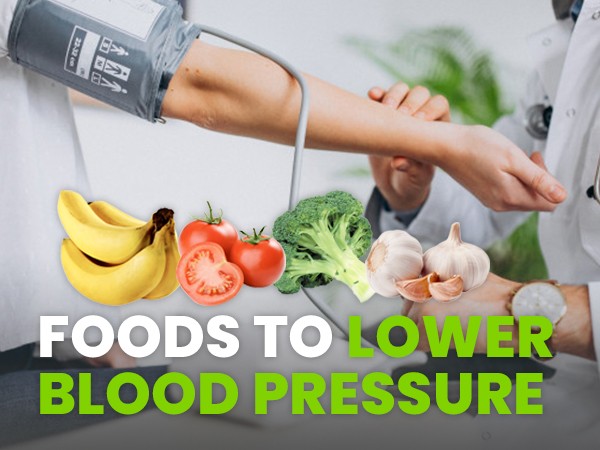
Latest list of foods that can lower blood pressure?

Latest list of foods that can lower blood pressure?

All individuals with high blood pressure, including those using blood pressure-lowering medication, are advised to maintain a heart-healthy diet. It may be especially beneficial to consume foods rich in minerals like magnesium and potassium.

High blood pressure, also known as hypertension, is the most prevalent risk factor for heart disease that may be avoided.

A person with high blood pressure is one who has a systolic blood pressure (SBP) reading of 130 mm Hg or higher. Also, a diastolic blood pressure (DBP) reading of more than 80 mm Hg, or both. High blood pressure affects more than 1 billion individuals worldwide.

Blood pressure medications, such as ACE inhibitors (angiotensin-converting enzyme) inhibitors, are frequently utilised. However, making dietary changes and other lifestyle adjustments can help lower blood pressure to healthy levels. It can also minimise your risk of developing heart disease.

For decreasing blood pressure and maintaining ideal levels, a balanced diet is crucial. According to research, consuming some foods in your diet, particularly those high in certain nutrients like potassium and magnesium, lowers your blood pressure.

Numerous studies have revealed that some foods help lower high blood pressure. We examine several foods that could be beneficial and how to eat them. Generally speaking, a serving is what the United States Department of Agriculture (USDA) defines as:

  • 1 cup of fruit or vegetables, either raw or cooked
  • 100% fruit juice in one cup
  • two cups of leafy salad greens, raw
  • a cup and a half of dry fruit

The USDA suggests eating about 2 cups of fruit and 3 cups of vegetables per day for most people, however this varies slightly by sex and age.

Citrus fruits

Citrus fruits, such as grapefruit, oranges, and lemons, may significantly reduce blood pressure. They include a wealth of vitamins, minerals, and plant chemicals that may help maintain the health of your heart. This decreases the risk factors for heart disease like high blood pressure.

A 5-month study including 101 Japanese women found a strong correlation between daily lemon juice consumption and walking and decreases in SBP. The result was attributable to the citric acid and flavonoid content of lemons.

Consuming orange and grapefruit juice has also been linked in studies to lower blood pressure. However, before including this fruit in your diet, speak with your doctor because grapefruit and grapefruit juice may interact with common blood pressure-lowering drugs.

Fatty seafood such as salmon

Omega-3 fats, which offer considerable advantages for heart health, are a good source in fatty fish. These fats may lower blood pressure by reducing inflammation and oxylipin levels, which are substances that constrict blood vessels.

Increased consumption of fatty fish rich in omega-3 has been associated in research to decrease blood pressure readings.

Those with the greatest blood levels of omega-3 fats had considerably lower SBP and DBP than those with the lowest levels of these fats, according to a study of 2,036 healthy individuals. A decreased risk of hypertension has also been linked to higher omega-3 intake.

Green leafy vegetables

The high nitrate content of leafy green vegetables helps control blood pressure.

Consuming at least 1 cup of green leafy vegetables each day may help lower blood pressure and lower the chance of developing cardiovascular disease, according to some study.

Leafy greens include, for instance:

  • cabbage
  • greens, collard
  • kale
  • dandelion greens
  • spinach
  • Swiss chard

Berries

Berries have a number of remarkable health advantages, including the potential to lower risk factors for heart disease like high blood pressure. Antioxidants, such as anthocyanins, the pigments that give berries their vivid colour, are abundant in berries.

Anthocyanins have been demonstrated to raise blood levels of nitric oxide and decrease the synthesis of blood vessel-restricting molecules, which may aid in lowering blood pressure. However, to corroborate these proposed pathways, more human study is required.

lentils and beans

Fiber, magnesium, and potassium are just a few of the minerals found in beans and lentils that help control blood pressure. Eating beans and lentils may help lower high blood pressure levels, according to numerous research.

In comparison to other diets, beans and lentils significantly lowered SBP and average blood pressure in persons with and without hypertension, according to an analysis of 8 trials including 554 participants.

Dark chocolate

Flavonoids, an antioxidant, are found in cacao, a component of dark chocolate. According to the AHA, flavonoids may assist in lowering blood pressure. It does point out that a person might not be able to eat enough flavonoids from dark chocolate for it to have appreciable advantages.

According to the AHA, a modest quantity of chocolate every so often can be a healthy addition to a diet. However, it suggests that people eat it for enjoyment rather than for health.

Kiwis

According to a 2015 study, eating kiwis on a regular basis may help control modestly elevated blood pressure.

For 8 weeks, people who had 3 kiwis daily exhibited a greater decrease in systolic and diastolic blood pressure than those who consumed 1 apple daily. The authors of the study speculate that this might be because of the bioactive compounds in kiwis.

Kiwis contain a lot of vitamin C. According to an earlier study, people’s blood pressure levels significantly decreased after taking 500 mg of vitamin C daily for roughly 8 weeks.

Oats

Oats include beta-glucan, a type of fibre that may be good for blood pressure and heart health.

Beta-glucan and avenanthramide C, both contained in oats, have been shown in a 2020 rodent study to lower levels of malondialdehyde, a sign of oxidative stress in hypertensive rats. These findings imply that components found in oats may help lower blood pressure and safeguard the heart in other ways.

Fermented food

Probiotics are good bacteria that are abundant in fermented foods and may help control blood pressure.

Researchers looked at information on 11,566 Korean people who are 50 years of age or older from 2020. The findings imply that menopausal women who consumed fermented soy foods had a lower incidence of hypertension. For men, it didn’t seem to be the case, though.

Experts recommend that people restrict their salt intake because it raises the risk of high blood pressure. Even though salt-fermented vegetables have a high sodium content, a 2017 study did not indicate that consuming them increased the risk of high blood pressure.

Organic yoghurt

Fermented dairy products include yoghurt. Data from individuals with and without high blood pressure were analysed in a 2021 study to see whether there was a connection between fermented dairy products and hypertension.

The participants with high blood pressure who ate more yoghurt had reduced systolic and arterial blood pressure compared to the non-participants.

Spices and herbs

Strong chemicals found in some herbs and spices may help blood arteries relax and lower blood pressure.

Animal and human studies have demonstrated the potential for a number of herbs and spices to lower blood pressure, including celery seed, cilantro, saffron, lemongrass, black cumin, ginseng, cinnamon, cardamom, sweet basil, and ginger.

Research suggests that including foods like leafy greens, berries, beans, lentils, seeds, fatty fish, citrus fruits, and carrots in your meals and snacks may help you achieve and keep your blood pressure readings at an ideal range.

Incorporating a couple of the foods suggested in this article into your diet may be beneficial if you have high blood pressure or want to maintain healthy blood pressure.

REFERENCES:

  • https://www.webmd.com/hypertension-high-blood-pressure/ss/slideshow-hypertension-low-bp-foods?
  • https://www.healthline.com/nutrition/foods-high-blood-pressure
  • https://www.medicalnewstoday.com/articles/322284
  • https://www.medicalnewstoday.com/articles/322284
  • https://khealth.com/learn/hypertension/foods-that-lower-blood-pressure/

For more details, kindly visit below.

Quick peek of study in the Deep Vein Thrombosis (DVT).

Quick peek of study in the Deep Vein Thrombosis (DVT).

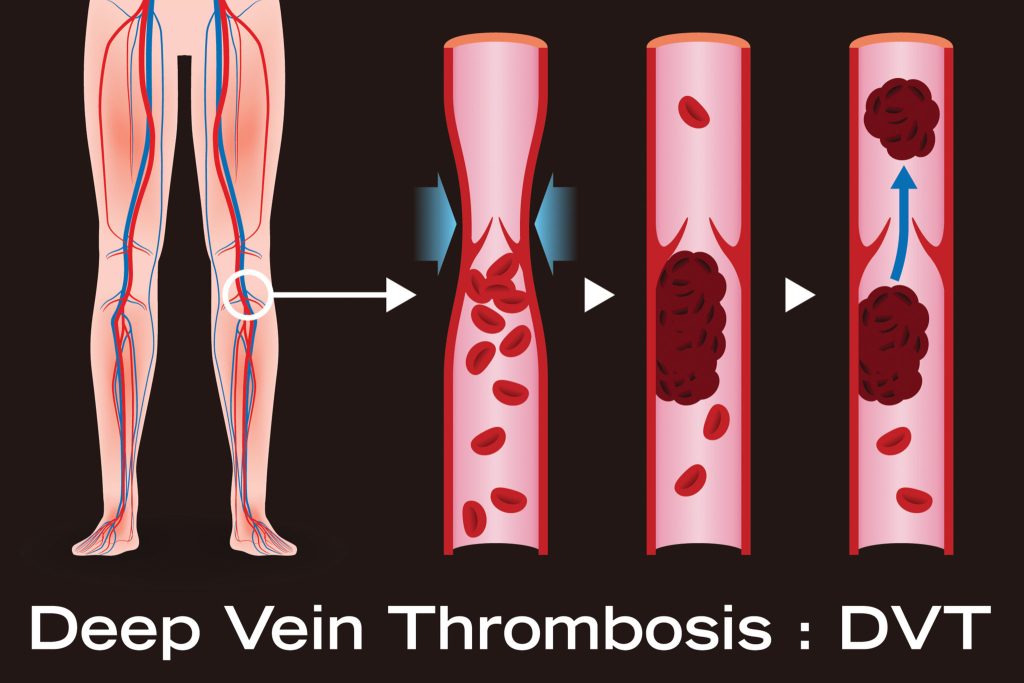
Blood clots commonly form in a deep vein in the leg, which is where deep vein thrombosis occurs. The disorder can also affect pelvic veins in addition to leg veins. The condition known as venous thromboembolism includes the conditions of deep vein thrombosis (DVT) and pulmonary embolism (PE).

A medical emergency is DVT. According to the Centers for Disease Control and Prevention (CDC), 10–30% of persons with DVT in the leg die within a month of their diagnosis due to severe consequences.

What is Deep Vein Thrombosis (DVT)?

Blood clotting known as DVT occurs in deep veins, frequently in the pelvis or leg. Doctors refer to a thrombus or blood clot breaking off as an embolus. A PE can develop if emboli reach the lung.

As in the case of those who have Paget-Schotter illness, clots can also form in the arm veins. DVT is the most frequent reason for maternal death in the industrialised world, according to a 2017 analysis.

DVT in children is incredibly uncommon. The most recent statistics, according to a 2016 study, indicate that 0.30 of every 100,000 children under the age of nine and 0.64 of every 100,000 children between the ages of 10 and 19 get DVT.

DVT symptoms

Only about half of DVT patients, according to the Centers for Disease Control and Prevention (CDC), experience symptoms. Typical DVT signs include:

  • swelling on one side of your leg, ankle, or foot
  • cramping pain, which typically starts in the calf, in the affected leg.
  • acute, irrational foot and ankle pain
  • a patch of skin that feels warmer than the rest of the body
  • depending on skin tone, the skin over the affected area becomes pale, reddish, or bluish in hue.

People who have an arm blood clot or an upper extremity DVT may not exhibit any symptoms. If they do, typical signs include:

  • a stiff neck
  • shoulders hurt
  • the hand or arm swelling
  • deeper or bluer tinge to the skin
  • from the arm to the forearm moving discomfort
  • fragility in the hand

It’s possible for someone to discover they have DVT only after receiving emergency care for a pulmonary embolism (blood clot in the lung).

A DVT clot that has entered the lung from the arm or leg may cause a pulmonary embolism. It is life threatening and necessitates immediate medical attention when an artery in the lung becomes blocked.

Causes and risk factors

A blood clot is the root cause of DVT. The clot prevents blood from flowing through a vein and into your body normally. Various things can cause a DVT or raise the chance of getting one.

They consist of:

  • Injury: Blood flow can be restricted or blocked when a blood vessel’s wall is damaged. As a result, a blood clot may develop.
  • Surgery: Blood vessels may be harmed during surgery, which may cause a blood clot to form. Following surgery, bed rest with minimal to no activity may potentially raise your chance of developing a blood clot.
  • Reduced mobility or inactivity: Blood can accumulate in your legs, especially the lower ones, when you sit regularly, such on a lengthy flight. The blood circulation in your legs may dwindle if you are immobile for a lengthy amount of time. This may lead to the formation of a clot.
  • A few drugs: Some medications make it more likely for your blood to clot. These include antidepressants, glucocorticoids, hormone treatment medications, and birth control pills.
  • Age: DVT can occur at any age, however it is more common as people get older. DVT only occurs in 1 in 10,000 people under the age of 20, whereas it occurs in 1 in 100 people beyond the age of 80.
  • Trauma: A blood clot may form as a result of a wound that weakens your veins, such as a bone fracture.
  • Obesity. Being overweight might increase strain on the veins in your pelvis and legs.
  • Pregnancy: DVT risk is higher during pregnancy. Actually, compared to non-pregnant people, pregnant people have a 5–10 times higher risk of developing DVT.
  • Family history: If you have DVT, you may be more prone to get it.
  • Catheter: Inserting a catheter into a vein can make it more likely for a blood clot to form.
  • Smoking: This is linked to an increased risk of DVT.

Additionally, a number of other medical disorders can raise the risk of DVT.

These consist of

Complications of DVT

Pulmonary embolism is one of the main side effects of DVT. If a blood clot travels to your lungs and clogs a blood vessel, you could have a pulmonary embolism.

Your lungs and other organs could suffer severe harm as a result. Immediately seek medical attention if you experience any pulmonary embolism symptoms. These indicators include:

  • dizziness
  • sweating
  • coughing or taking big breaths causes chest pain that intensifies
  • quickly breathing
  • spitting blood
  • quick heartbeat

Treatments of DVT

Some DVT sufferers may require inpatient treatment. Others might be eligible for outpatient care.

Compression stockings, elevating the affected leg(s) during the day, and taking anticoagulant drugs (blood thinners) are all forms of treatment. In rare instances, intrusive therapies (catheter-based procedures) may be necessary when the DVT is severe.

The main objectives of treatment include:

  • Ensure that the clot doesn’t spread or include other veins.
  • Avoid having a venous clot fragment escape and travel to your lungs.
  • reduce the possibility of a new blood clot.
  • Prevent long-term complications from the blood clot (like chronic venous insufficiency).

Prevention of DVT

Many required modifications are included into a healthy lifestyle to stop blood clots from forming. This entails increasing physical activity, giving up smoking, and maintaining a healthy weight. Your risk of developing DVT can also be decreased by:

  • control of blood pressure
  • quitting smoking
  • keeping a healthy weight

In order to reduce your risk of getting clots following surgery, take whatever blood thinners your doctor recommends. When you sit for longer than four hours, your chance of getting DVT increases.

When you’ve been sitting for a while, moving your legs around will also keep your blood circulating. After being confined to bed, getting up and moving around can stop clots from developing. During long travels, get out of the vehicle and take regular breaks to stretch.

REFERENCES:

For more details, kindly visit below.

Issues in an individual’s life dealing with thalassemia

Issues in an individual’s life dealing with thalassemia

What is thalassemia?

A blood illness called thalassemia causes the body to produce an abnormal kind of haemoglobin. The protein component in red blood cells that carries oxygen is called haemoglobin.

Anemia is brought on by the disorder’s excessive red blood cell oxidation. Your body doesn’t produce enough normal, healthy red blood cells, which is a condition known as anaemia.

Since thalassemia is hereditary, at least one of your parents must have the condition. It results from either a genetic mutation or the loss of specific important gene segments.

A less serious variation of the condition is called thalassemia minor. There are primarily two more severe kinds of thalassemia. At least one of the alpha globin genes has a mutation or other aberration in alpha thalassemia. The beta globin genes are impacted by beta thalassemia.

Different subtypes of these thalassemias exist. The severity of your symptoms and your prognosis will depend on the specific kind you have.

Types of thalassemia

Both the severity of the ailment and the portion of the haemoglobin damaged can be used to classify thalassemia. An individual’s particular kind of thalassemia is typically caused by genetic factors.

Alpha and Beta

Hemoglobin is made up of two beta-globin and four alpha-globin protein chains. Alpha and beta thalassemia are the two primary kinds.

Both parts of the haemoglobin can be impacted by thalassemia, which is sometimes referred to as that part. The term “alpha thalassemia” designates an abnormality of the hemoglobin’s alpha globin chain.

Severity

The degree of the condition is denoted by the phrases “trait,” “minor,” “intermedia,” and “major.” For instance, whereas serious thalassemia may result in severe symptoms necessitating substantial blood transfusions, having the underlying genetic feature for the condition may not cause any symptoms.

Defined terms for identification

The haemoglobin does not create enough alpha protein in people with alpha thalassemia.

Four genes, two on each of the 16 chromosomes, are required for the production of alpha-globin protein chains. Each father gives two to each child. Alpha thalassemia will develop from the absence of one or more of these genes.

The number of mutated genes determines how severe thalassemia is.

  • The individual with one mutant gene shows no symptoms. A carrier is a healthy person who has a child exhibiting thalassemia signs. The name for this variety is alpha thalassemia minimum.
  • Two genes were altered: He or she has a slight anaemia. It is referred to as minor alpha thalassemia.
  • Three genes were altered: Hemoglobin H illness, a form of chronic anaemia, affects the person. Throughout their lifecycle, they will require frequent blood transfusions.
  • Four genes were changed: The most severe type of alpha thalassemia is called major. It is understood to induce hydrops fetalis, a dangerous disorder in which fluid builds up in various regions of a fetus’s body.

Four defective genes make it impossible for a foetus to create healthy haemoglobin, making survival even with blood transfusions difficult.

In southern China, Southeast Asia, India, the Middle East, and Africa, alpha thalassemia is a more prevalent form of thalassemia.

A beta thalassemia

For a person to produce beta-globin chains, two globin genes are required, one from each parent. Beta thalassemia will develop if one or both genes are mutated.

How many genes are altered determines the severity.

  • An altered gene: It’s known as beta thalassemia mild.
  • Two genes were altered: Moderate or severe symptoms are both possible. This is referred to as major thalassemia. It was formerly known as Colley’s anaemia.

People with a Mediterranean background have a higher prevalence of beta thalassemia. In West Asia and North Africa, the prevalence is higher.

Symptoms of thalassemia

Depending on the type of thalassemia, there are different thalassemia symptoms. Symptoms typically start to show in newborns with beta thalassemia and some forms of alpha thalassemia about 6 months of age. This is due to foetal haemoglobin, a unique kind of haemoglobin seen in newborns.

After six months, “normal” haemoglobin begins to replace foetal haemoglobin, and symptoms may start to show. These consist of:

  • pale skin and jaundice
  • sluggishness and exhaustion
  • a chest ache
  • breathing difficulty
  • quick heartbeat
  • sluggish growth
  • nausea and lightheadedness
  • higher propensity to contract infection

As the body strives to manufacture more bone marrow, skeletal deformations may occur. The iron from blood transfusions may build up. The spleen, heart, and liver can all suffer from too much iron.

Gallstones and an enlarged spleen are more common in people with haemoglobin H, an alpha thalassemia-related blood type. Thalassemia problems that are left untreated have the potential to cause organ failure.

Causes of thalassemia

When one of the genes responsible for producing haemoglobin is faulty or mutated, thalassemia develops. Your parents pass on this genetic aberration to you.

You could develop a condition known as thalassemia minor if only one of your parents is a thalassemia carrier. If it does, you’ll most likely not show any symptoms, but you’ll still be a carrier. Mild symptoms might sometimes appear in patients with thalassemia minor.

You have a higher probability of acquiring a more severe form of the disease if both of your parents are thalassemia carriers.

People from Asia, the Middle East, Africa, and Mediterranean nations like Greece and Turkey are those who have thalassemia the most frequently.

Diagnosis of thalassemia

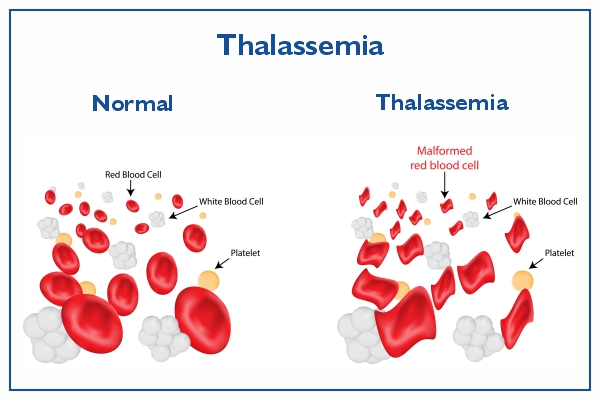
Your doctor will probably request a sample of your blood to diagnose thalassemia. This sample will be sent to a lab for testing on anaemia and abnormal haemoglobin. Additionally, a lab technician will examine the blood under a microscope to check for abnormally shaped red blood cells.

Thalassemia is indicated by red blood cells with abnormal shapes. The haemoglobin electrophoresis test may also be carried out by the lab technician. By separating the various components in the red blood cells, this test can determine which kind is abnormal.

A physical examination might also assist your doctor in making a diagnosis of thalassemia, depending on the kind and severity of the condition. For instance, your doctor would suspect haemoglobin H illness if you have a substantially enlarged spleen.

Treatment options for thalassemia

The kind and severity of the underlying disease will determine the course of treatment for thalassemia. The optimal course of treatment for your unique situation will be recommended to you by your doctor.

Several of the therapies consist of:

Your doctor might advise against taking iron-containing vitamins or supplements. This is particularly true if you require blood transfusions because those who do so build excess iron that the body finds difficult to eliminate. The accumulation of iron in tissues has the potential to be deadly.

Chelation therapy might also be required if you’re undergoing blood transfusions. Typically, a chemical that binds with iron and other heavy metals is injected into the body in order to do this. This aids in getting rid of superfluous iron from your body.

REFERENCES:

For more details, kindly visit below.