Browsed by
Month: March 2026

Antibiotics and Infections: What You Need to Know for Safe Treatment

Antibiotics and Infections: What You Need to Know for Safe Treatment

Antibiotics Guide: Uses, Benefits & Safe Treatment

Learn how antibiotics treat bacterial infections, when they are needed, and why responsible use is essential to prevent antibiotic resistance and protect health.

Antibiotics revolutionized medicine in the 20th century, transforming once-deadly infections into treatable conditions. Before antibiotics, a simple scratch could lead to fatal sepsis, and pneumonia was often a death sentence. Today, these miracle drugs save millions of lives annually.

But antibiotics are a finite resource. Their misuse and overuse have accelerated a global crisis: antimicrobial resistance (AMR). Understanding how antibiotics work, when they’re appropriate, and how to use them safely is essential—not just for your health, but for the future of medicine itself.

What Are Antibiotics?

Antibiotics are medications that kill bacteria or stop them from multiplying. They target bacterial structures or functions that human cells don’t have, such as:

  • Cell wall synthesis (penicillins, cephalosporins)
  • Protein production (tetracyclines, macrolides)
  • DNA replication (fluoroquinolones)
  • Folate metabolism (sulfonamides, trimethoprim)

Crucial distinction: Antibiotics work against bacteria, not viruses. They have no effect on:

  • Common colds
  • Flu (influenza)
  • Most sore throats (except strep)
  • Bronchitis (usually viral)
  • Most sinus infections (often viral)
  • COVID-19

When Are Antibiotics Necessary?

Bacterial Infections That Typically Require Antibiotics

  • Strep throat (confirmed by test)
  • Urinary tract infections (UTIs)
  • Bacterial pneumonia
  • Whooping cough
  • Certain skin infections (cellulitis, infected wounds)
  • Sexually transmitted bacterial infections (chlamydia, gonorrhea, syphilis)

Infections That May or May Not Need Antibiotics

  • Ear infections: Some clear without antibiotics, especially in older children
  • Sinus infections: Often viral; bacterial sinusitis may require antibiotics if symptoms persist >10 days
  • Bronchitis: Almost always viral; antibiotics rarely helpful

Your doctor’s decision to prescribe depends on:

  • Infection severity
  • Duration of symptoms
  • Underlying health conditions
  • Risk of complications
  • Test results

The Dangers of Antibiotic Misuse

1. Antibiotic Resistance

When bacteria are exposed to antibiotics, sensitive bacteria die, but resistant ones survive and multiply. This is natural selection in action. Over time, antibiotics become less effective.

Consequences of resistance:

  • Longer illnesses
  • More hospitalizations
  • Higher medical costs
  • Increased mortality
  • Routine surgeries become risky (no antibiotics to prevent infections)
  • Transplant medicine nd cancer chemotherapy threatened

The CDC estimates that in the United States alone, at least 2.8 million antibiotic-resistant infections occur annually, with more than 35,000 deaths.

2. Side Effects

Antibiotics can cause:

  • Digestive issues: Nausea, diarrhea, abdominal pain
  • Allergic reactions: Ranging from mild rashes to life-threatening anaphylaxis
  • C. difficile infection: Severe diarrhea from disruption of normal gut bacteria
  • Drug interactions: Affecting birth control, blood thinners, and other medications

3. Unnecessary Cost and Inconvenience

Taking antibiotics you don’t need exposes you to side effects and costs without providing any benefit.

How to Take Antibiotics Safely

1. Take Exactly as Prescribed

  • Follow dosing instructions: Don’t skip doses
  • Complete the full course: Even if you feel better, finish all medication
  • Use reminders: Pill organizers, phone alarms

Stopping early can leave behind the strongest bacteria, promoting resistance and allowing infection to return.

2. Never Share or Save Antibiotics

  • Don’t take someone else’s antibiotics: They were prescribed for a specific infection, bacteria, and person
  • Don’t save leftovers for future use: Different infections require different antibiotics
  • Properly dispose of unused antibiotics: Return to pharmacy take-back programs.

3. Communicate with Your Doctor

  • Tell them about all medications you take (including supplements)
  • Report allergies to any antibiotics
  • Inform them if you’re pregnant, breastfeeding, or trying to conceive
  • Call if side effects develop—don’t just stop without guidance

4. Be Patient with Viral Illnesses

Most respiratory infections are viral. Instead of demanding antibiotics:

  • Rest
  • Hydrate
  • Use over-the-counter symptom relievers
  • Try honey for cough (adults and children over 1)
  • Use saline sprays for congestion
  • Give your immune system time to work

Understanding Antibiotic Resistance

How Resistance Spreads

  1. A patient takes antibiotics unnecessarily
  2. Some bacteria in their body carry resistance genes
  3. Sensitive bacteria die; resistant ones survive
  4. Resistant bacteria multiply and can spread to others
  5. These resistant strains cause infections that are harder to treat

Factors Driving Resistance

  • Overprescribing: Up to 30% of outpatient antibiotic prescriptions are unnecessary
  • Agricultural use: 70% of all antibiotics sold are used in livestock (often for growth promotion)
  • Global travel: Resistant strains travel worldwide
  • Poor infection control: In hospitals and communities

What You Can Do to Combat Resistance

As an Individual

  • Don’t demand antibiotics for viral illnesses
  • Take prescribed antibiotics correctly
  • Never share or save antibiotics
  • Prevent infections through handwashing, vaccination, and safe food handling
  • Stay healthy with good nutrition, exercise, and adequate sleep

As a Community

  • Support antibiotic stewardship programs
  • Choose antibiotic-free meat when possible
  • Advocate for policies reducing agricultural antibiotic overuse
  • Stay up-to-date on vaccines (prevents infections needing antibiotics)

Special Populations and Considerations

Children

  • Ear infections are often watched before treating
  • Viral infections are extremely common
  • Liquid formulations require careful measuring
  • Watch for allergic reactions

Older Adults

  • Higher infection risk
  • More likely to have drug interactions
  • Kidney function affects dosing
  • C. difficile risk is higher

Pregnancy

  • Some antibiotics are safe; others are not
  • Always inform the doctor if pregnant or breastfeeding
  • Untreated infections also harm the baby

Travelers

  • Don’t take “just in case” antibiotics for traveler’s diarrhea unless prescribed for that purpose
  • Practice food and water safety
  • Seek local care if symptoms develop

Common Antibiotic Myths Debunked

❌ Myth: Antibiotics cure colds and flu.
✅ Fact: Colds and flu are viral; antibiotics don’t work.

❌ Myth: Green mucus means bacterial infection.
✅ Fact: Viral infections can cause green mucus, too. Color isn’t diagnostic.

❌ Myth: You’ll know you need antibiotics within a day or two.
✅ Fact: Viral illnesses can last 7-14 days. Patience is key.

❌ Myth: Stopping early when you feel better prevents resistance.
✅ Fact: Stopping early can actually promote resistance by leaving behind stronger bacteria.

❌ Myth: Natural antibiotics (garlic, honey) can replace prescription antibiotics for serious infections.
✅ Fact: While some foods have mild antimicrobial properties, they cannot treat established bacterial infections.

The Future of Antibiotics

The antibiotic pipeline has slowed dramatically. Few new classes have been discovered in decades. However, promising developments include:

  • New drug classes (though development takes 10-15 years)
  • Phage therapy: Using viruses that kill bacteria
  • Antibiotic adjuvants: Compounds that restore antibiotic effectiveness
  • Rapid diagnostics: Tests identifying bacterial vs. viral infections quickly
  • Vaccines: Preventing infections reduces antibiotic need

Until these arrive, the antibiotics we have must be protected as the precious resources they ar .

Conclusion: Stewardship Starts with You

Antibiotics are among medicine’s greatest achievements, but their effectiveness depends on responsible use. Every time you take antibiotics appropriately, you help preserve their power for future generations.

Key takeaways:

  1. Antibiotics treat bacteria, not viruses —don’t expect them for colds or flu
  2. Take antibiotics exactly as prescribed —complete the course, don’t skip doses
  3. Never share or save antibiotics —what worked for someone else may harm you
  4. Prevent infections through vaccination, hygiene, and healthy habits
  5. Understand that antibiotic resistance is a global crisis —your actions matter

The next time you’re prescribed an antibiotic, ask your doctor: “Is this definitely bacterial? Do I really need this?” That simple question makes you part of the solution.


References:

  1. Centers for Disease Control and Prevention. Antibiotic Prescribing and Use.
  2. World Health Organization. Antimicrobial Resistance Fact Sheet.
  3. Mayo Clinic. Antibiotics: Are you misusing them?
  4. National Institute of Allergy and Infectious Diseases. Antimicrobial Resistance.
  5. Infectious Diseases Society of America. Antibiotic Stewardship.

Medications that have been suggested by doctors worldwide are available on the link below
https://mygenericpharmacy.com/category/antibiotics


Disclaimer: This article is for educational purposes only. Always consult a healthcare provider for diagnosis and treatment of infections. Never take antibiotics without a prescription.

Colorectal Cancer: Warning Signs That Could Save Your Life

Colorectal Cancer: Warning Signs That Could Save Your Life

Colorectal cancer—cancer of the colon or rectum is the third most common cancer diagnosed in both men and women in the United States. It’s also one of the most preventable and treatable cancers when caught early. Yet despite advances in screening and treatment, many people delay seeing a doctor until symptoms become impossible to ignore.

The tragedy is that colorectal cancer often develops slowly, over several years, from precancerous polyps that can be removed before they become cancerous. Knowing the warning signs and acting on them promptly could literally save your life.

Why Early Detection Matters

Colorectal cancer has a 90% survival rate when caught early (localized stage). However, once it spreads to distant organs, the survival rate drops dramatically to around 14% . This stark difference underscores why recognizing warning signs and getting screened is so critical.

Key statistics:

  • About 1 in 24 people (4.2%) will be diagnosed with colorectal cancer in their lifetime
  • An estimated 153,000 new cases are diagnosed annually in the US
  • Screening could prevent 60% of colorectal cancer deaths

The Warning Signs You Should Never Ignore

Colorectal cancer often causes no symptoms in its earliest stages. That’s why screening is so important. But as the disease progresses, certain warning signs may appear.

1. Changes in Bowel Habits

This is one of the most common early warning signs. Pay attention to:

  • Diarrhea or constipation that lasts more than a few days
  • Narrow or ribbon-like stools (may indicate a tumor narrowing the colon)
  • Feeling that you haven’t completely emptied your bowel after a movement
  • Alternating constipation and diarrhea without a clear cause

2. Blood in Stool

Blood can appear in several ways:

  • Bright red blood on toilet paper or in the toilet bowl (may indicate bleeding near the rectum)
  • Dark red or maroon stools (suggest bleeding higher in the colon)
  • Black, tarry stools (indicate bleeding in the upper digestive tract)

Important: While blood in stool is often caused by hemorrhoids or anal fissures, never assume it’s harmless without medical evaluation.

3. Persistent Abdominal Discomfort

  • Cramping or pain in the lower abdomen
  • Gas pains or bloating that don’t resolve
  • Feeling full or bloated even after eating small amounts

4. Unexplained Weight Loss

Losing 10 pounds or more without trying can be a sign that cancer is affecting your body’s metabolism or causing inflammation.

5. Fatigue and Weakness

Persistent tiredness that doesn’t improve with rest may result from:

  • Internal bleeding causes anemia (low red blood cells)
  • The body’s energy is being diverted to fight cancer
  • Nutritional deficiencies from poor absorption

6. Iron Deficiency Anemia

Often discovered during routine blood tests, iron deficiency anemia without an obvious cause (like heavy periods) should always prompt investigation for colon cancer, especially in men and postmenopausal women.

When to See a Doctor

Don’t wait for multiple symptoms to appear. See a healthcare provider if:

  • YDo youhave any of these symptoms lasting more than a few days
  • You notice blood in your stool—even once
  • You have unexplained weight loss or fatigue
  • You’re due for screening (age 45 or older, or earlier with risk factors)
  • You have a family history of colorectal cancer or polyps

Who Is at Risk?

Non-Modifiable Risk Factors

  • Age: Risk increases significantly after 45 (new guidelines recommend starting screening at 45, down from 50)
  • Family history: Having a first-degree relative (parent, sibling, child) with colorectal cancer doubles your risk
  • Personal history: Previous colorectal polyps or cancer
  • Inflammatory bowel disease: Crohn’s disease or ulcerative colitis increases the risk
  • Genetic syndromes: Lynch syndrome, familial adenomatous polyposis (FAP)

Modifiable Risk Factors

  • A diet high in red and processed meats
  • Low fiber intake (fruits, vegetables, whole grains)
  • Sedentary lifestyle
  • Obesity (especially excess abdominal fat)
  • Smoking (increases risk by 20-30%)
  • Heavy alcohol use (more than 2 drinks daily for men, 1 for women)
  • Type 2 diabetes

Screening: Your Best Defense

Because colorectal cancer often develops without symptoms, screening is essential. Screening can find precancerous polyps that can be removed before they turn into cancer.

Screening Options

TestFrequencyWhat It Does
ColonoscopyEvery 10 yearsImaging of colon requires prep but no sedation
FIT (Fecal Immunochemical Test)YearlyDetects hidden blood in stool
Stool DNA test (Cologuard)Every 3 yearsDetects blood and DNA markers
CT colonography (virtual colonoscopy)Every 5 yearsImaging of the colon requires prep but no sedation

Gold standard: Colonoscopy remains the most comprehensive screening because it allows both detection and removal of polyps in one session.

Prevention Strategies

Diet and Lifestyle

  • Eat more fiber: Aim for 25-35 grams daily from fruits, vegetables, legumes, and whole grains.
  • Limit red meat: No more than 18ounces off cooked red meat weekly; avoid processed meats.
  • Exercise regularly: 150 minutes of moderate activity weekly reduces risk by 24%
  • Maintain a healthy weight: Obesity increases risk by 30-40%
  • Limit alcohol: If you drink, do so in moderation
  • Don’t smoke: Quitting reduces colorectal cancer risk

Medications

Some studies suggest aspirin and NSAIDs may reduce colorectal cancer risk, but the benefits must be weighed against bleeding risks. Discuss with your doctor.

What to Expect During Diagnosis

If screening or symptoms lead to suspicion of cancer, your doctor will typically:

  1. Perform a colonoscopy with biopsy of any suspicious areas
  2. Order imaging (CT scans) to see if cancer has spread
  3. Conduct blood tests, including CEA (carcinoembryonic antigen), a tumor marker

If cancer is confirmed, staging determines how far it has spread and guides treatment.

Treatment Overview

Treatment depends on cancer stage, location, and overall health:

Localized Cancer (Stage I-III)

  • Surgery: Removal of the tumor and nearby lymph nodes
  • Chemotherapy: Often, after surgery,y to kill remaining cells
  • Radiation: May be used for rectal cancer before or after surgery

Advanced Cancer (Stage IV)

  • Chemotherapy as primary treatment
  • Targeted therapy: Drugs targeting specific cancer mutations
  • Immunotherapy: For certain genetic subtypes
  • Surgery: May remove isolated metastases (liver, lung)

Quality of Life

  • Ostomy (colostomy): Some patients need temporary or permanent ostomy bags; nurses provide comprehensive training
  • Support services: Nutritionists, social workers, support groups

The Bottom Line

Colorectal cancer is highly preventable and treatable—but only if you pay attention to warning signs and get screened. If you’re 45 or older, talk to your doctor about screening. If you’re younger but have symptoms or risk factors, don’t wait.

Remember:

  1. Know the warning signs—changes in bowel habits, blood in stool, unexplained weightlosss
  2. Don’t ignore symptoms—early evaluation saves lives
  3. Get screened on schedule—screening prevents cancer
  4. Know your family history—and share it with your doctor
  5. Adopt healthy habits—diet, exercise, no smoking, limited alcohol

Colorectal cancer is one cancer where you have significant power—through prevention, early detection, and prompt treatment—to change the outcome.


References:

  1. American Cancer Society. Colorectal Cancer Facts & Figures.
  2. Centers for Disease Control and Prevention. Colorectal Cancer Statistics.
  3. Mayo Clinic. Colon cancer – Symptoms and causes.
  4. National Cancer Institute. Colorectal Cancer Prevention.
  5. American College of Gastroenterology. Colorectal Cancer Screening Guidelines.

Medications that have been suggested by doctors worldwide are available on the link below
https://mygenericpharmacy.com/category/disease/cancer


Disclaimer: This article is for educational purposes only. If you have symptoms or concerns about colorectal cancer, consult a healthcare provider immediately.

Healthy Eyes, Better Life: Simple Eye Care Tips That Work

Healthy Eyes, Better Life: Simple Eye Care Tips That Work

Eye Care Tips: Protect Your Vision & Keep Eyes Healthy

Discover essential eye care tips to protect your vision, reduce digital eye strain, and maintain healthy eyes with simple daily habits and proper care.

Your eyes are among your most precious assets—they allow you to work, connect with loved ones, experience beauty, and navigate the world safely. Yet in our screen-dominated age, eye health is often neglected until problems arise. The good news? Maintaining healthy vision doesn’t require complicated routines. Simple, consistent habits can protect your eyes for decades to come.

This guide covers practical, evidence-based eye care tips that actually work—from nutrition and screen habits to professional care and safety measures.

The 20-20-20 Rule: Combat Digital Eye Strain

With many of us spending 7+ hours daily staring at screens, digital eye strain has become epidemic. Symptoms include dry eyes, headaches, blurred vision, and neck pain .

The 20-20-20 rule is your best defense:

Every 20 minutes, look at something 20 feet away for at least 20 seconds. This simple habit relaxes focusing muscles and reduces fatigue .

Additional screen tips:

  • Position screens 20-30 inches from eyes
  • Keep screen top at or slightly below eye level
  • Reduce glare with anti-glare filters or proper lighting
  • Blink consciously—we blink 66% less when staring at screens
  • Use artificial tears if eyes feel dry
  • Consider blue light filters (though evidence for blue light glasses is mixed)

Protect Your Eyes from UV Damage

Just as UV rays damage skin, they harm eyes—increasing risks of cataracts, macular degeneration, and growths on the eye surface .

Smart sun protection:

  • Choose sunglasses blocking 99-100% of UVA and UVB rays
  • Look for “UV400” or “100% UV protection” labels
  • Larger lenses and wraparound styles offer better coverage
  • Wear a wide-brimmed hat for additional protection
  • Don’t forget cloudy days—UV penetrates clouds

Children need UV protection too; cumulative damage starts early .

Quit Smoking for Eye Health

Smoking dramatically increases risk of:

  • Cataracts: 2-3 times higher risk
  • Age-related macular degeneration: 2-4 times higher risk
  • Dry eye syndrome
  • Diabetic retinopathy progression
  • Optic nerve damage

The good news? Quitting reduces these risks, even later in life .

Sleep and Eye Health

During sleep, eyes are refreshed, lubricated, and cleared of irritants. Chronic sleep deprivation contributes to:

  • Dry eyes
  • Eye twitching (myokymia)
  • Dark circles and puffiness
  • Blurry vision
  • Increased risk of glaucoma (through elevated eye pressure)

Aim for 7-9 hours of quality sleep nightly. If you wake with dry, irritated eyes, consider a humidifier or preservative-free artificial tears at bedtime .

Proper Contact Lens Care

Contact lens misuse causes thousands of eye infections yearly, some sight-threatening.

Essential rules:

  • Wash hands before touching lenses
  • Clean lenses with fresh solution each time—never top off old solution
  • Replace case every 3 months
  • Never sleep in lenses not approved for overnight wear
  • Don’t shower or swim while wearing lenses
  • Replace lenses as scheduled (daily, bi-weekly, monthly)
  • Give eyes a break with glasses when possible

Red flags: Remove lenses immediately and see a doctor if you experience pain, redness, sensitivity to light, or blurred vision .

Workplace Eye Safety

For Desk Jobs

  • Position screen to reduce glare
  • Use proper lighting (not too bright, not too dim)
  • Adjust font sizes to comfortable reading level
  • Blink frequently
  • Use lubricating drops if needed

For Physical Jobs

  • Wear appropriate safety glasses, goggles, or face shields
  • 2,000 U.S. workers experience job-related eye injuries daily
  • 90% are preventable with proper protection
  • Know emergency eyewash station locations

Regular Eye Exams: Non-Negotiable

Many eye diseases (glaucoma, diabetic retinopathy, macular degeneration) have no early symptoms. Regular exams catch problems before irreversible damage occurs.

Recommended Schedule

  • Children: Before age 3, then before school
  • Adults 20-39: Every 5-10 years (more often if symptoms or risk factors)
  • Adults 40-64: Every 2-4 years
  • Adults 65+: Every 1-2 years

More frequent exams needed if:

  • Diabetes
  • Family history of eye disease
  • Personal history of eye injury or surgery
  • Contact lens wear
  • Certain medications (hydroxychloroquine, tamoxifen, steroids)

Know Your Family History

Many eye conditions run in families:

  • Glaucoma
  • Macular degeneration
  • Retinal detachments
  • Strabismus (crossed eyes)
  • Amblyopia (lazy eye)
  • Certain tumors (retinoblastoma)

Share family history with your eye doctor—it guides screening frequency and preventive strategies .

Eye Health by Age

Children

  • Amblyopia (lazy eye): Treatable only until age 7-10
  • Strabismus: Crossed or misaligned eyes
  • Refractive errors: Nearsightedness increasingly common
  • First comprehensive exam around age 3

Adults 20-40

  • Establish baseline eye health
  • Address digital eye strain
  • Protect eyes during sports
  • Start UV protection habits

Adults 40-60

  • Presbyopia sets in (need for reading glasses)
  • Glaucoma and cataract screening intensifies
  • Monitor for early AMD signs
  • Manage chronic conditions (diabetes, hypertension)

Seniors (60+)

  • Annual comprehensive exams essential
  • Cataracts, AMD, glaucoma become more common
  • Low vision services if needed
  • Home safety assessments to prevent falls

Simple Daily Habits for Healthier Eyes

  • Wash hands before touching eyes
  • Remove makeup thoroughly before sleep
  • Replace eye makeup every 3-6 months (bacteria grow in old products)
  • Don’t share eye drops, makeup, or towels
  • Stay hydrated—adequate water intake supports tear production
  • Exercise regularly—improves blood flow to eyes
  • Manage blood pressure, cholesterol, blood sugar—all affect eye health

When to See a Doctor Immediately

Seek emergency care for:

  • Sudden vision loss or change
  • Flashes of light or new floaters (could signal retinal detachment)
  • Eye pain, redness, or sensitivity to light
  • Double vision
  • Bulging eye
  • Eye injury or chemical exposure
  • Pupil irregularity

Conclusion: Small Steps, Big Impact

Healthy eyes don’t require expensive treatments or complicated regimens. Simple, consistent habits—screen breaks, UV protection, proper nutrition, regular exams—make all the difference.

Your eye health checklist:

  1. Follow the 20-20-20 rule for screen breaks
  2. Eat eye-healthy foods rich in vitamins and antioxidants
  3. Wear UV-protective sunglasses outdoors
  4. Don’t smoke—or quit if you do
  5. Get regular eye exams based on age and risk
  6. Protect eyes during work and sports
  7. Know your family history
  8. Remove contacts properly and maintain hygiene
  9. Sleep well to refresh tired eyes
  10. See a doctor immediately for concerning symptoms

Your eyes work tirelessly for you every waking moment. Return the favor with consistent, mindful care—they’ll serve you well for life.


References:

  1. American Academy of Ophthalmology. Eye Health Tips.
  2. American Optometric Association. Guide to Eye Health.
  3. National Eye Institute. Keep Your Eyes Healthy.
  4. Centers for Disease Control and Prevention. Vision Health Initiative.
  5. World Health Organization. World Report on Vision.

Medications that have been suggested by doctors worldwide are available on the link below
https://mygenericpharmacy.com/category/products/disease/glaucoma


Disclaimer: This article is for educational purposes only. Regular eye exams with an eye care professional are essential for maintaining optimal vision and detecting problems early.

Osteoarthritis: The Complete Guide to Joint Pain, Causes & Treatment

Osteoarthritis: The Complete Guide to Joint Pain, Causes & Treatment

Osteoarthritis: Symptoms, Causes & Joint Pain Treatment

Osteoarthritis, its symptoms, causes, and treatment options. Discover effective ways to manage joint pain and maintain mobility and joint health.

Osteoarthritis (OA) is the most common form of arthritis, affecting over 32 million adults in the United States alone . Often called “wear and tear” arthritis, it occurs when the protective cartilage that cushions the ends of your bones gradually wears down. While OA can damage any joint, it most commonly affects the knees, hips, hands, and spine.

Unlike rheumatoid arthritis, which is an autoimmune condition, osteoarthritis is primarily a mechanical disorder. However, it’s more than just aging joints—it’s a complex condition involving the entire joint structure .

What Happens in Osteoarthritis?

In healthy joints, a smooth layer of cartilage allows bones to glide effortlessly against each other. In osteoarthritis:

  • Cartilage breaks down: The smooth surface becomes rough and thin
  • Bone changes: Bones may thicken and form growths called bone spurs (osteophytes)
  • Inflammation: The joint lining (synovium) can become irritated
  • Fluid changes: Joint fluid may lose its shock-absorbing properties
  • Supporting structures weaken: Ligaments and muscles around the joint may weaken

The result is pain, stiffness, and reduced mobility that worsens over time .

Common Symptoms

Osteoarthritis symptoms develop gradually and worsen over years. Key signs include:

Pain

  • Aching or sharp pain in the affected joint
  • Pain worsens with activity and improves with rest
  • May feel deep, burning, or throbbing

Stiffness

  • Morning stiffness lasting less than 30 minutes
  • Stiffness after sitting or resting (gelling phenomenon)
  • Improves with movement

Other Symptoms

  • Swelling: From fluid accumulation or bone enlargement
  • Crepitus: Grating sensation or cracking sound with movement
  • Loss of flexibility: Decreased range of motion
  • Joint instability: Buckling or giving way (especially in knees)
  • Muscle weakness: Around affected joints

Common Sites

  • Knees: Pain when walking, climbing stairs, kneeling
  • Hips: Groin pain, buttock pain, difficulty putting on shoes
  • Hands: Base of thumb, finger joints (Heberden’s nodes at fingertips, Bouchard’s nodes at middle joints)
  • Spine: Neck or low back pain, stiffness

Causes and Risk Factors

Non-Modifiable Risk Factors

  • Age: Risk increases significantly after 50
  • Gender: More common in women, especially after menopause
  • Genetics: Family history increases risk
  • Joint structure: Congenital abnormalities (hip dysplasia, misalignment)

Modifiable Risk Factors

  • Obesity: The single most important preventable risk factor. Excess weight puts 4-6 times more pressure on knees . Losing just 5-10% of body weight significantly reduces pain
  • Joint injuries: Previous injuries (ACL tears, meniscus tears, fractures) increase OA risk later in life
  • Occupation: Jobs with repetitive joint stress (kneeling, squatting, heavy lifting)
  • Sports: High-impact sports with joint stress or injury risk
  • Muscle weakness: Weak muscles provide less joint support

Diagnosis: How OA Is Identified

Medical History and Physical Exam

  • Symptom pattern, location, and triggers
  • Family history
  • Joint examination for tenderness, swelling, crepitus, range of motion
  • Gait assessment

Imaging

  • X-rays: Show joint space narrowing, bone spurs, bone changes. Can detect OA before symptoms appear
  • MRI: Not routinely needed but shows cartilage, ligaments, menisci in detail

Laboratory Tests

No blood test diagnoses OA, but tests rule out other arthritis types (rheumatoid arthritis, gout). Joint fluid analysis may be done if swelling present .

Treatment Options

Osteoarthritis treatment focuses on managing symptoms, improving function, and slowing progression. No cure exists, but many effective treatments help.

Lifestyle Modifications (First-Line Treatment)

Exercise:

  • Low-impact aerobic: Walking, swimming, cycling (150 minutes weekly)
  • Strength training: Builds muscles supporting joints (quadriceps for knees, glutes for hips)
  • Range of motion: Stretching, yoga, tai chi
  • Balance exercises: Reduces fall risk

Weight Management:

  • Even 5-10% weight loss significantly reduces pain and improves function
  • Every pound lost removes 4 pounds of pressure from knees

Joint Protection:

  • Pace activities (balance rest and activity)
  • Use proper body mechanics
  • Avoid prolonged kneeling, squatting, stair climbing

Physical and Occupational Therapy

  • Personalized exercise programs
  • Gait training
  • Assistive devices (canes, walkers, braces)
  • Energy conservation techniques
  • Adaptive tools (jar openers, long-handled grippers)

Medications

Topical (First-line for mild-moderate OA):

  • NSAID gels/creams: Diclofenac gel (Voltaren)—fewer systemic side effects
  • Capsaicin cream: Depletes substance P involved in pain transmission

Oral Medications:

  • Acetaminophen: For mild pain (caution with liver, limit to <3,000 mg daily)
  • Oral NSAIDs: Ibuprofen, naproxen—effective but monitor stomach, kidney, heart risks
  • Duloxetine: Antidepressant that helps chronic musculoskeletal pain

Injections:

  • Corticosteroid injections: Short-term relief (weeks to months), limit to 3-4 per year
  • Hyaluronic acid (viscosupplementation): Controversial evidence, may help some
  • Platelet-rich plasma (PRP): Emerging evidence, especially for knee OA

Surgical Options

Considered when conservative treatments fail and pain significantly impacts quality of life:

  • Arthroscopy: Generally not recommended for OA (except for mechanical symptoms like locking)
  • Osteotomy: Realigning bone (younger patients with uneven wear)
  • Partial joint replacement: Replacing only damaged compartment
  • Total joint replacement: Gold standard for end-stage OA, >90% success rates

Self-Management Strategies

Heat and Cold

  • Heat: Warm showers, heating pads for stiffness
  • Cold: Ice packs (wrapped in towel) for acute pain or after activity

Assistive Devices

  • Canes, walkers (reduce joint load)
  • Shock-absorbing shoes or insoles
  • Knee braces (unloader braces for knee OA)
  • Long-handled tools, raised toilet seats

Diet and Nutrition

  • Anti-inflammatory foods: Omega-3s (fatty fish, walnuts), colorful fruits/vegetables
  • Mediterranean diet pattern: Associated with lower OA risk and symptoms
  • Supplements: Glucosamine/chondroitin (mixed evidence, may help some), vitamin D (correct deficiency), turmeric (moderate evidence for pain)

Mind-Body Approaches

  • Cognitive behavioral therapy (CBT) for pain management
  • Mindfulness meditation
  • Stress reduction (stress worsens pain perception)
  • Support groups

When to See a Doctor

Consult a healthcare provider if:

  • Joint pain interferes with daily activities
  • Pain persists despite self-care
  • Joint is visibly swollen, warm, or red
  • You have difficulty using the joint normally
  • Morning stiffness lasts >30 minutes

Living Well with Osteoarthritis

Osteoarthritis is chronic, but it doesn’t have to define your life. Successful management includes:

  1. Stay active with appropriate exercises
  2. Maintain healthy weight to reduce joint stress
  3. Protect your joints in daily activities
  4. Use medications wisely under medical guidance
  5. Listen to your body—pace yourself, rest when needed
  6. Stay positive—depression and anxiety worsen pain

With proper management, most people with osteoarthritis maintain active, productive lives.

The Future: Emerging Treatments

Research continues to advance OA treatment:

  • Disease-modifying OA drugs (DMOADs): Aim to slow or stop disease progression
  • Stem cell therapy: Experimental for cartilage regeneration
  • Senolytics: Drugs targeting aging cells that promote inflammation
  • Gene therapy: Delivering protective proteins to joints
  • Personalized medicine: Matching treatments to OA subtypes

While not yet available, these approaches offer hope for better outcomes .


References:

  1. Arthritis Foundation. Osteoarthritis.
  2. Centers for Disease Control and Prevention. Osteoarthritis (OA).
  3. Mayo Clinic. Osteoarthritis – Symptoms and causes.
  4. Johns Hopkins Medicine. Osteoarthritis.
  5. American College of Rheumatology. Osteoarthritis Treatment Guidelines.

Medications that have been suggested by doctors worldwide are available on the link below
https://mygenericpharmacy.com/category/pain-relief


Disclaimer: This article is for educational purposes only. Consult a healthcare provider for proper diagnosis and treatment of osteoarthritis.

How to Quit Smoking: Effective Methods That Actually Work

How to Quit Smoking: Effective Methods That Actually Work

Quit Smoking: Tips to Break the Habit for Good

Discover effective ways to quit smoking, understand nicotine addiction, and learn proven tips to overcome cravings for a healthier, smoke-free life.

Smoking remains the leading cause of preventable death worldwide, claiming over 8 million lives annually . Yet nicotine is one of the most addictive substances known—making quitting incredibly difficult. The good news? Millions have successfully quit, and with the right strategies, you can too. The benefits begin almost immediately and compound over time.

This guide covers proven methods that actually work, from medications to behavioral strategies and practical tips for lasting success.

Why Quitting Is So Hard: Understanding Addiction

Nicotine reaches the brain within 10 seconds of inhalation, triggering dopamine release—the same pleasure chemical involved in cocaine and heroin addiction . Over time, your brain becomes dependent on nicotine to function normally. When you stop, withdrawal symptoms emerge:

  • Irritability, anxiety, depression
  • Difficulty concentrating
  • Increased appetite
  • Intense cravings
  • Sleep disturbances
  • Restlessness

These symptoms typically peak within the first week and subside over 2-4 weeks . Understanding this timeline helps you prepare mentally for the challenge ahead.

Proven Methods That Actually Work

1. Cold Turkey

Stopping abruptly works for some, but success rates are only 3-5% without additional support . However, combining cold turkey with behavioral support improves outcomes.

2. Nicotine Replacement Therapy (NRT)

NRT delivers controlled nicotine doses without the toxins in tobacco smoke. It reduces withdrawal symptoms and cravings, increasing quit success rates by 50-70% .

3. Prescription Medications

Varenicline (Chantix):

  • Reduces cravings and withdrawal
  • Blocks nicotine’s pleasurable effects
  • Doubles to triples quit success rates
  • Side effects: Nausea, vivid dreams, rare mood changes

Bupropion (Zyban):

  • Helps with withdrawal and cravings
  • Also treats depression
  • Doubles quit success rates
  • Side effects: Insomnia, dry mouth

Both require a prescription and should be started 1-2 weeks before your quit date .

4. Behavioral Support

Medication works best when combined with counseling:

  • Individual counseling: 1-on-1 sessions with trained specialists
  • Group programs: Shared experiences, mutual support
  • Quitlines: Free phone coaching (1-800-QUIT-NOW in US)
  • Mobile apps: 24/7 support, tracking, tips
  • Text programs: Daily encouragement and reminders

The combination of medication plus counseling yields the highest success rates—up to 30% sustained abstinence at one year .

Creating Your Quit Plan

Step 1: Set a Quit Date

Choose a date within the next 2 weeks. Mark it on your calendar and tell supportive friends and family. Avoid high-stress periods if possible.

Step 2: Identify Triggers

Keep a smoking log for 3 days. Note:

  • When you smoke
  • Where you are
  • What you’re doing
  • Who you’re with
  • How you’re feeling

Common triggers: Coffee, alcohol, meals, stress, boredom, social situations, finishing tasks.

Step 3: Prepare Your Environment

  • Remove all cigarettes, lighters, ashtrays from home, car, work
  • Clean your living space to eliminate smoke smell
  • Stock up on substitutes: Sugar-free gum, carrot sticks, toothpicks, stress balls
  • Plan alternative activities for trigger moments

Step 4: Build Support

  • Tell friends, family, coworkers you’re quitting
  • Ask specific people to be your “quit buddies”
  • Join an online support community
  • Inform your healthcare provider

Step 5: Plan for Withdrawal

  • Drink plenty of water
  • Exercise daily (even walking helps)
  • Practice deep breathing when cravings hit
  • Get extra sleep in early weeks
  • Keep hands busy with fidget toys

Practical Tips for Quit Day and Beyond

Managing Cravings

Cravings typically last 5-10 minutes. Use the “4 Ds”:

  • Delay: Wait 10 minutes—the urge will pass
  • Deep breathe: Take slow, deep breaths
  • Drink water: Sip slowly
  • Distract: Do something else immediately

Handling High-Risk Situations

Alcohol: Avoid drinking for the first few weeks—it lowers inhibitions and is strongly linked to relapse.

Stress: Have a plan: deep breathing, calling a friend, going for a walk, listening to music.

Social situations: Practice saying “No thanks, I don’t smoke” or “I’m quitting.” Have an exit strategy if cravings become overwhelming.

Weight gain concerns: Average gain is 5-10 pounds, but much is preventable. Plan healthy snacks, increase physical activity, and remember—the health risks of smoking far outweigh modest weight gain .

If You Slip: Don’t Give Up

Most successful quitters try 6-8 times before succeeding permanently . A slip is not a failure—it’s practice.

If you smoke:

  • Stop again immediately—don’t let one cigarette become a pack
  • Analyze what triggered it and plan differently next time
  • Learn, don’t punish yourself—guilt undermines motivation
  • Renew your commitment—review why you want to quit

The key is to never stop trying.

Special Considerations

Pregnancy

Quitting during pregnancy is one of the best things you can do for your baby’s health. Consult your OB-GYN for safe cessation methods. The benefits of quitting far outweigh any small risks from NRT .

Mental Health

Depression and anxiety are more common in smokers. Quitting can temporarily worsen symptoms—work closely with your mental health provider. Many find their mental health actually improves after quitting as anxiety decreases .

Diabetes

Smoking increases insulin resistance and complication risks. Quitting improves blood sugar control, though weight gain concerns require monitoring .

Conclusion: You Can Do This

Quitting smoking is the single best thing you can do for your health. The journey may be challenging, but you don’t have to walk it alone. With proven medications, behavioral support, and a solid plan, you can join the millions who have successfully quit.

Your action plan:

  1. Choose a quit date within 2 weeks
  2. Talk to your doctor about medications
  3. Call a quitline (1-800-QUIT-NOW) for free coaching
  4. Tell your support network
  5. Remove all tobacco from your environment
  6. Be prepared for cravings—they will pass
  7. Never stop trying—each attempt brings you closer

Your body will thank you. Your family will thank you. Your future self will thank you.


References:

  1. World Health Organization. Tobacco fact sheet.
  2. American Cancer Society. Guide to Quitting Smoking.
  3. Centers for Disease Control and Prevention. Smoking Cessation: Fast Facts.
  4. Mayo Clinic. Quitting smoking: 10 ways to resist tobacco cravings.
  5. National Cancer Institute. How to Handle Withdrawal Symptoms and Triggers.

Medications that have been suggested by doctors worldwide are available on the link below
https://mygenericpharmacy.com/category/disease/quit-smoking


Disclaimer: This article is for educational purposes only. Quitting smoking is a medical process—consult healthcare providers for personalized advice.

Say Goodbye to Nausea: Effective Ways to Stop Vomiting and Feel Better

Say Goodbye to Nausea: Effective Ways to Stop Vomiting and Feel Better

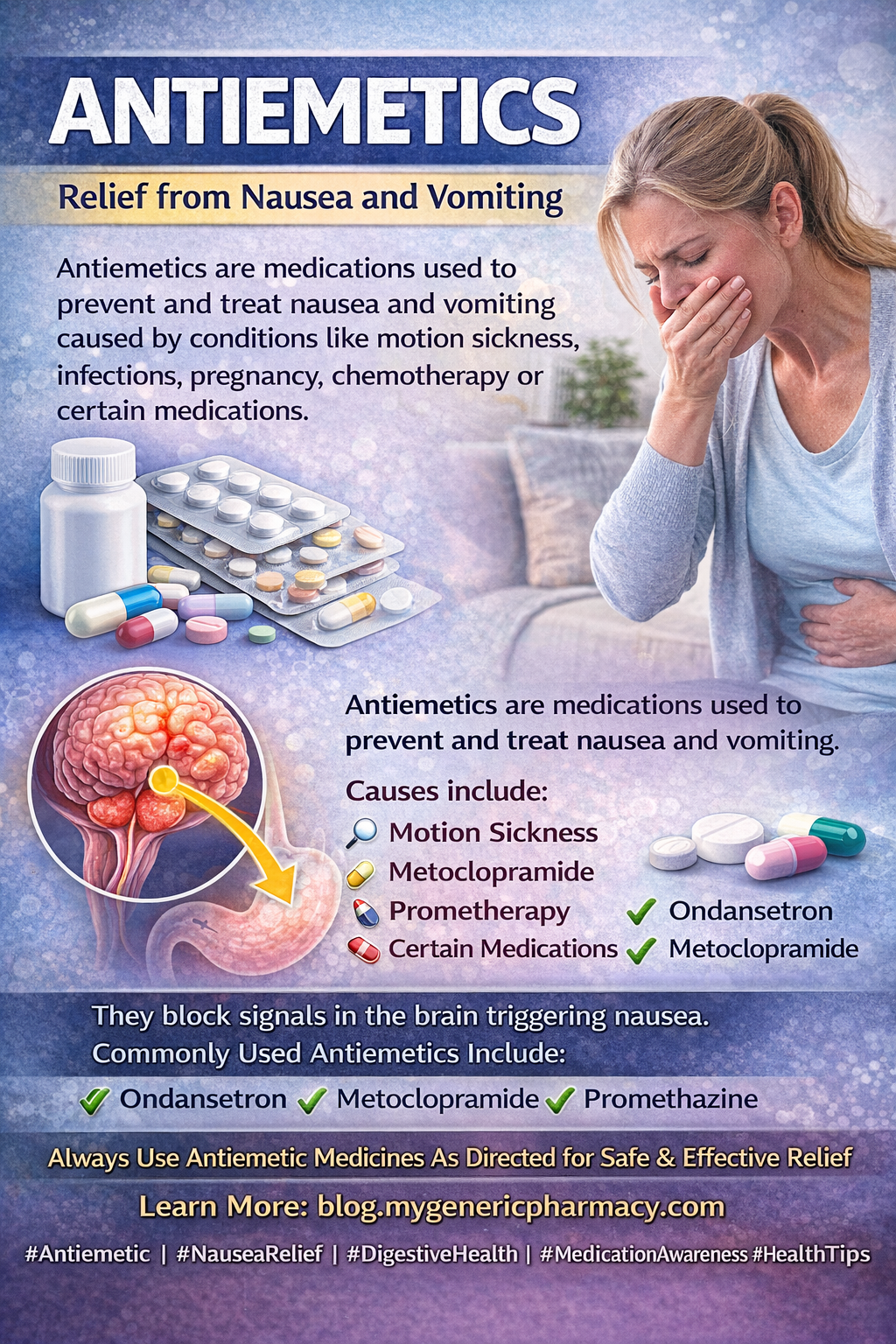
Nausea and Vomiting Relief: Causes, Symptoms & Treatment
Discover the common causes of nausea and vomiting, their symptoms, and effective treatments. Learn simple remedies and medical options for quick relief.

Few sensations are as universally miserable as nausea. That queasy, unsettled feeling in your stomach—often followed by the violent expulsion of vomiting—can derail your entire day, leaving you weak, dehydrated, and desperate for relief. Whether caused by a stomach bug, pregnancy, motion sickness, medication, or anxiety, nausea demands attention.

The good news? There are proven strategies to calm your stomach, stop vomiting, and speed your recovery. This guide covers immediate actions, home remedies, medications, and when to seek medical help.

First Steps: What to Do Immediately

Stop Eating and Drinking Temporarily

When you’re nauseous, your digestive system is in distress. Give it a rest. Avoid solid food for several hours, and take only small sips of clear liquids. Trying to eat or drink too much too soon can trigger more vomiting .

Rest in an Upright Position

Lying flat can allow stomach acid and contents to rise into your esophagus, worsening nausea. Instead, rest in a seated position or prop yourself up with pillows. Movement can aggravate symptoms, so stay still when possible .

Avoid Strong Odors

Perfumes, cooking smells, smoke, and other strong odors can trigger or worsen nausea. Move to a well-ventilated area or step outside for fresh air .

Home Remedies That Actually Work

Ginger

Ginger is one of the most well-researched natural remedies for nausea. It contains compounds called gingerols and shogaols that help speed stomach emptying and calm gastrointestinal irritation . Studies show it’s effective for pregnancy-related nausea, motion sickness, and post-operative nausea.

How to use: Sip ginger tea, chew crystallized ginger, take ginger capsules (250mg four times daily), or drink flat ginger ale (let the fizz settle first).

Peppermint

Peppermint relaxes the stomach muscles and improves bile flow, which can help relieve nausea . Peppermint tea is gentle and soothing, while peppermint oil capsules (enteric-coated) may help with nausea from digestive issues.

Lemon

The scent of fresh lemon has been shown to reduce nausea, particularly in pregnancy . Sucking on lemon drops or adding lemon to water can also help settle your stomach.

BRAT Diet

Once you’re ready to eat, start with bland, easy-to-digest foods. The BRAT diet includes:

  • Bananas: Gentle, potassium-rich
  • Rice: Plain, white rice
  • Applesauce: Provides energy without irritation
  • Toast: Plain, dry toast

Other safe options include crackers, pretzels, plain potatoes, and clear broth. Avoid dairy, spicy foods, fried foods, and anything with strong flavors until you’re fully recovered .

Stay Hydrated—Carefully

Vomiting depletes fluids and electrolytes. But drinking too much at once can trigger more vomiting.

The 15-minute rule: Take small sips every 15 minutes. If you keep that down, gradually increase the amount. Good options include:

  • Water
  • Clear broths
  • Electrolyte solutions (Pedialyte, electrolyte drinks)
  • Diluted fruit juices (avoid acidic juices like orange)
  • Ice chips or popsicles

Over-the-Counter Medications

Antacids

For nausea caused by acid reflux or indigestion, antacids like Tums, Rolaids, or Pepto-Bismol (bismuth subsalicylate) can help. Pepto-Bismol is particularly effective for traveler’s diarrhea and general stomach upset, but avoid it if you’re allergic to aspirin .

Antihistamines

For motion sickness or vertigo-related nausea, antihistamines like dimenhydrinate (Dramamine) or meclizine (Bonine) are effective. Take them 30-60 minutes before travel. They cause drowsiness, so plan accordingly .

Vitamin B6

For pregnancy-related nausea, vitamin B6 (pyridoxine) is considered first-line treatment. The standard dose is 10-25 mg three or four times daily. It’s safe, effective, and often combined with doxylamine (Unisom) for morning sickness .

When to Consider Prescription Options

If over-the-counter remedies fail, doctors can prescribe stronger anti-nausea medications:

  • Ondansetron (Zofran): Highly effective for severe nausea from chemotherapy, surgery, or gastroenteritis
  • Promethazine (Phenergan): Strong antihistamine; causes significant drowsiness
  • Metoclopramide (Reglan): Helps empty stomach contents; useful for gastroparesis
  • Prochlorperazine (Compazine): For severe nausea from various causes

These require a prescription and should be used under medical supervision.

Mind-Body Techniques

Deep Breathing

Slow, controlled breathing can calm the nervous system and reduce nausea. Try the 4-7-8 technique: Inhale through nose for 4 seconds, hold for 7 seconds, exhale through mouth for 8 seconds. Repeat several times .

Acupressure

Stimulating the P6 (Neiguan) point on the inner wrist has been shown to reduce nausea in multiple studies . You can:

  • Apply firm pressure with your thumb
  • Use acupressure wristbands (available at drugstores)
  • Press the point located three finger-widths below the wrist crease, between the two tendons

Distraction

Focusing on something other than your nausea can help. Listen to music, watch a calming show, or engage in gentle conversation. Avoid screens if they make you dizzy.

Specific Situations and Solutions

Motion Sickness

  • Prevention is key: Take medication 30-60 minutes before travel
  • Choose your seat: Front seat of car, over the wing on planes
  • Focus on horizon: Fix your gaze on a stable point
  • Avoid reading: Don’t read or use phones in moving vehicles

Morning Sickness

  • Eat small, frequent meals
  • Keep crackers by your bed and eat before getting up
  • Avoid empty stomachs
  • Try vitamin B6 (discuss with OB first)
  • Avoid triggers (strong smells, certain foods)

Hangover Nausea

  • Hydrate with electrolyte solutions
  • Eat bland carbohydrates
  • Ginger tea or ginger ale
  • Rest and sleep

Chemotherapy-Induced Nausea

Modern antiemetic regimens (including ondansetron, dexamethasone, and aprepitant) have revolutionized cancer care. Always take prescribed anti-nausea medications on schedule, not just when symptoms appear .

Red Flags: When to Call a Doctor

Seek medical attention if:

  • Vomiting persists for more than 24 hours in adults (12 hours in children)
  • You can’t keep any liquids down
  • You show signs of dehydration: dark urine, dry mouth, dizziness when standing, decreased urination
  • Vomit contains blood (red or coffee-ground appearance)
  • Severe abdominal pain accompanies nausea
  • You have a fever over 101°F (38.3°C)
  • You’ve recently had a head injury
  • You’re diabetic and can’t keep food/medication down
  • You suspect poisoning

Conclusion: Finding Relief

Nausea and vomiting are miserable but usually short-lived. With the right combination of home remedies, over-the-counter options, and medical care when needed, you can find relief and speed your recovery.

Remember:

  1. Rest your stomach with clear liquids first
  2. Try proven remedies: Ginger, peppermint, BRAT diet
  3. Stay hydrated slowly with small, frequent sips
  4. Use medications appropriately when needed
  5. Know when to seek help—persistent vomiting requires medical attention

Your stomach will settle. Relief is on the way.


References:

  1. Harvard Health Publishing. Nausea and vomiting: Causes and treatments.
  2. Cleveland Clinic. Nausea: Causes, Treatment, and Prevention.
  3. American Academy of Family Physicians. Nausea and Vomiting in Adults.
  4. Johns Hopkins Medicine. Nausea and Vomiting.
  5. Mayo Clinic. Nausea and vomiting – When to see a doctor.

Medications that have been suggested by doctors worldwide are available on the link below
https://mygenericpharmacy.com/category/disease/antiemetic


Disclaimer: This article is for educational purposes only. Consult a healthcare provider for persistent or severe symptoms.

Menopause: Understanding the Changes and How to Stay Healthy

Menopause: Understanding the Changes and How to Stay Healthy

Menopause: Symptoms, Causes & Treatment Guide
Learn about menopause, including its symptoms, causes, stages, and treatment options. Discover helpful tips to manage hot flashes, mood swings, and hormonal changes.

Menopause is a natural biological process that marks the end of a woman’s reproductive years. It’s not a disease or disorder—it’s a normal life transition, much like puberty. Yet despite being something every woman will experience if she lives long enough, menopause remains widely misunderstood and underdiscussed.

Understanding what’s happening in your body and knowing how to manage symptoms can transform this transition from a source of anxiety into an opportunity for renewed health and self-awareness.

What Is Menopause?

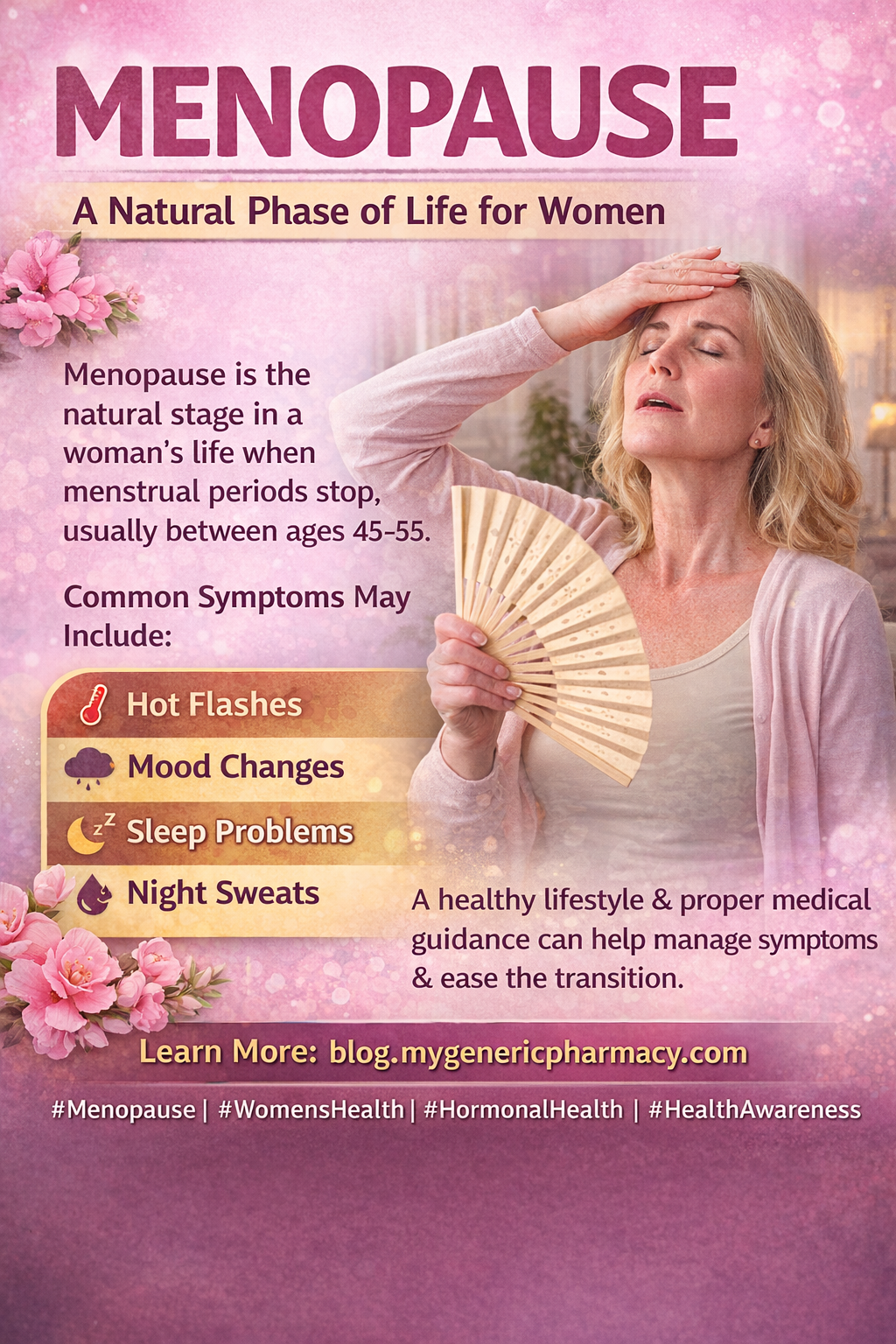
Menopause is defined as the point when a woman has gone 12 consecutive months without a menstrual period. The average age of menopause in the United States is 51, but it can occur normally anytime between ages 45 and 55 .

The transition to menopause happens in stages:

Perimenopause (The Transition)

This phase can begin 4-8 years before menopause. Ovaries gradually produce less estrogen, leading to irregular periods and the onset of symptoms. Hormone levels fluctuate unpredictably—sometimes surging, sometimes plummeting .

Menopause

The one-year mark without a period. By this point, ovaries have stopped releasing eggs and estrogen production has dramatically decreased.

Postmenopause

The years following menopause. Symptoms often ease for many women, but the lower hormone levels create long-term health considerations .

Common Symptoms and Changes

Every woman’s experience is unique. Some glide through with minimal symptoms; others find daily life disrupted.

Physical Symptoms

  • Hot flashes and night sweats: The most common symptom, affecting up to 80% of women. Sudden waves of heat, flushing, and sweating can disrupt sleep and daily activities
  • Sleep disturbances: Even without night sweats, many women struggle with insomnia
  • Vaginal dryness and discomfort: Declining estrogen thins vaginal tissues, causing dryness, itching, and pain during intercourse
  • Urinary changes: Increased urgency, frequency, or recurrent infections
  • Weight gain, especially around the abdomen: Metabolic changes make weight redistribution common
  • Joint and muscle aches
  • Skin and hair changes: Dryness, thinning, texture changes

Emotional and Cognitive Changes

  • Mood swings, irritability, anxiety
  • Brain fog: Difficulty concentrating, memory lapses
  • Depression: Risk increases during perimenopause, especially in women with prior history
  • Decreased libido: Complex interplay of hormonal, physical, and emotional factors

Long-Term Health Considerations

Lower estrogen levels after menopause affect more than just fertility. Two major health concerns emerge:

Bone Health

Estrogen protects bones. After menopause, bone loss accelerates, increasing the risk of osteoporosis and fractures. Women can lose up to 20% of bone density in the 5-7 years after menopause .

Heart Health

Heart disease risk rises significantly after menopause. Estrogen provides cardiovascular protection; without it, risks of high blood pressure, cholesterol changes, and heart disease increase .

Managing Symptoms: Practical Strategies

Lifestyle Approaches

  • Stay cool: Dress in layers, use fans, identify and avoid triggers (spicy foods, caffeine, alcohol, stress)
  • Exercise regularly: 150 minutes weekly of moderate activity. Weight-bearing exercise (walking, strength training) protects bones; aerobic exercise helps heart health and mood
  • Eat for health: Calcium-rich foods (dairy, leafy greens), vitamin D, limited processed foods and added sugars
  • Prioritize sleep: Cool room, consistent schedule, relaxation techniques
  • Manage stress: Mindfulness, yoga, deep breathing, adequate rest
  • Don’t smoke, limit alcohol

Treatment Options

Hormone Therapy (HT):
The most effective treatment for hot flashes and night sweats. Estrogen (with progesterone if uterus intact) replaces declining hormones. Benefits greatest when started within 10 years of menopause. Not suitable for everyone—discuss risks and benefits with your doctor .

Non-Hormonal Medical Options:

  • Antidepressants (SSRIs/SNRIs) for hot flashes and mood
  • Gabapentin for night sweats
  • Ospemifene for vaginal dryness
  • Vaginal estrogen (low dose, minimal systemic absorption) for genitourinary symptoms

Complementary Approaches:

  • Cognitive behavioral therapy (CBT) for sleep and mood
  • Acupuncture (modest evidence for hot flashes)
  • Hypnosis
  • Pelvic floor physical therapy

Supplements to Discuss with Your Doctor

  • Calcium (1,000-1,200 mg daily from food + supplements if needed)
  • Vitamin D (600-800 IU daily)
  • Magnesium (may help sleep, mood)
  • Black cohosh, red clover, soy isoflavones (mixed evidence, discuss first)

Emotional Well-Being and Identity

Menopause coincides with other midlife transitions—children leaving home, aging parents, career changes. This “empty nest” period can be freeing or disorienting.

  • Acknowledge the shift: It’s normal to grieve lost fertility while embracing new freedom
  • Stay connected: Isolation worsens symptoms; maintain social bonds
  • Redefine intimacy: Communicate with partners about changing needs
  • Consider counseling: Especially if depression or anxiety emerge

When to See a Doctor

Consult a healthcare provider if:

  • Symptoms disrupt sleep, work, or quality of life
  • You experience bleeding after 12+ months without a period (needs evaluation)
  • You have concerns about bone health or heart risk
  • Mood changes are severe or persistent
  • You want to explore treatment options

Conclusion: A New Chapter

Menopause is not an ending—it’s a transition to a new phase of life. With knowledge, support, and proactive health strategies, women can navigate this change successfully and emerge healthier and more empowered than before.

Key messages:

  1. It’s normal, not a disease – Understanding this reduces anxiety
  2. Symptoms vary widely – Your experience is your own
  3. Lifestyle matters – Exercise, nutrition, stress management are powerful tools
  4. Treatment exists – Don’t suffer in silence
  5. Long-term health requires attention – Bones, heart, and overall wellness need proactive care

Menopause marks the end of one chapter—but it’s also the beginning of another, often rich with wisdom, freedom, and renewed purpose.


References:

  1. Menopause is an inevitable component of ageing
  2. Mayo Clinic. Menopause – Symptoms and causes.
  3. Cleveland Clinic. Menopause: What It Is, Age, Stages, Signs & Side Effects.
  4. Johns Hopkins Medicine. Introduction to Menopause.
  5. National Institute on Aging. What Is Menopause?

Medications that have been suggested by doctors worldwide are available on the link below
https://mygenericpharmacy.com/category/menopause


Disclaimer: This article is for educational purposes only. Consult your healthcare provider for personalized advice about menopause management.

Neurocysticercosis: The Silent Brain Parasite Infection You Should Never Ignore

Neurocysticercosis: The Silent Brain Parasite Infection You Should Never Ignore

Neurocysticercosis: Causes, Symptoms & Treatment Guide
Learn about neurocysticercosis, a brain infection caused by tapeworm larvae. Discover its symptoms, causes, diagnosis, and the best treatment options.

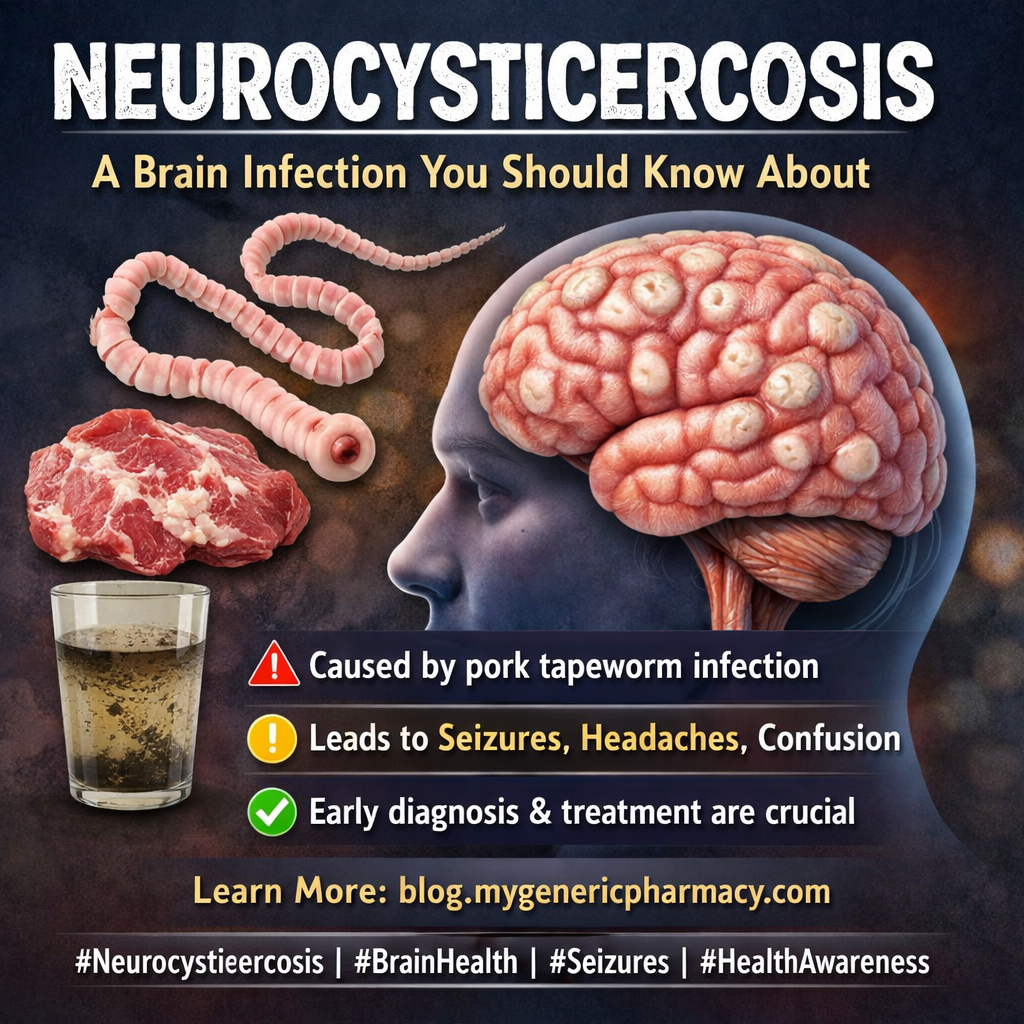
Neurocysticercosis is a serious and potentially life-threatening parasitic infection of the central nervous system. Caused by the larval stage of the pork tapeworm, Taenia solium, this condition is a leading cause of acquired epilepsy worldwide . Despite its severity, it often goes unnoticed until devastating symptoms appear, earning its reputation as a “silent” brain infection.

While rare in developed countries, neurocysticercosis remains endemic in many parts of Latin America, sub-Saharan Africa, and Asia, affecting millions of people . Understanding this condition is crucial for travelers, healthcare providers, and anyone living in or visiting high-risk areas.

How Infection Occurs: The Lifecycle

Contrary to common belief, you don’t get neurocysticercosis from eating undercooked pork. The infection occurs when you accidentally ingest microscopic eggs shed in the feces of a person carrying an adult tapeworm in their intestine .

The transmission cycle:

  1. A person eats undercooked pork containing tapeworm cysts and develops an intestinal tapeworm infection (taeniasis)
  2. That person sheds tapeworm eggs in their stool
  3. Another person ingests these eggs through contaminated food, water, or poor hand hygiene
  4. Eggs hatch in the intestine, releasing larvae that penetrate the intestinal wall
  5. Larvae travel through the bloodstream and can lodge in muscles, eyes, and most dangerously—the brain
  6. In the brain, they form cysts, leading to neurocysticercosis

This is a classic example of fecal-oral transmission and is closely linked to poor sanitation and hygiene practices .

Why the Brain? Understanding the Pathology

The larvae have a predilection for the central nervous system, where they form fluid-filled cysts called cysticerci. These cysts can remain viable for years, living quietly without causing symptoms. However, when the larvae eventually die, the body’s immune system mounts an inflammatory response that triggers the devastating neurological symptoms .

The location, number, and stage of these cysts determine the clinical presentation:

  • Parenchymal cysts: Located in brain tissue itself
  • Extraparenchymal cysts: Found in the ventricles (fluid-filled spaces) or subarachnoid space surrounding the brain—often more difficult to treat
  • Racemose cysts: Proliferating, grape-like clusters that don’t contain a scolex (tapeworm head) and are highly aggressive

Symptoms: When the Silent Infection Speaks

Symptoms can appear months or even years after initial infection. The presentation varies dramatically based on cyst location and host immune response.

Most Common Presentation: Seizures

Seizures are the hallmark symptom, occurring in 70-90% of symptomatic patients . Neurocysticercosis is one of the leading causes of adult-onset epilepsy in endemic regions. Seizures typically occur when cysts begin to degenerate and trigger inflammation.

Other Neurological Symptoms

  • Chronic headaches (often mimicking migraines or tension headaches)
  • Increased intracranial pressure: Nausea, vomiting, vision changes, dizziness
  • Focal neurological deficits: Weakness or numbness on one side of the body, difficulty speaking
  • Cognitive decline: Memory problems, confusion, difficulty concentrating
  • Hydrocephalus: Fluid buildup in the brain due to cyst obstruction
  • Stroke-like symptoms: From inflammation of blood vessels (vasculitis)
  • Neuropsychiatric symptoms: Depression, anxiety, personality changes

Diagnosis: Detecting the Hidden Parasite

Diagnosing neurocysticercosis requires a high index of suspicion, especially in patients from endemic areas presenting with new-onset seizures.

Key Diagnostic Tools

  • Neuroimaging (MRI/CT): MRI is the most sensitive, revealing cyst location, number, and stage. CT scans are excellent for detecting calcified (dead) cysts
  • Serologic tests: Blood tests detect antibodies against Taenia solium. The enzyme-linked immunoelectrotransfer blot (EITB) is highly specific
  • Epidemiological history: Travel to or residence in endemic areas, exposure to tapeworm carriers
  • Biopsy: Rarely needed but definitive if tissue is obtained

Treatment: A Complex Approach

Treatment is not one-size-fits-all and depends on cyst characteristics, location, number, and symptoms.

Antiparasitic Drugs

  • Albendazole (first-line) and praziquantel kill viable cysts
  • Crucial: Always given with corticosteroids (prednisone, dexamethasone) to control the dangerous inflammatory response triggered by dying cysts
  • Not used for calcified (dead) cysts or in certain high-risk locations (eye, spinal cord)

Symptomatic Treatment

  • Antiepileptic drugs to control seizures (often lifelong)
  • Analgesics for headache
  • Surgical intervention for hydrocephalus (shunt placement) or removal of accessible cysts

Duration

Treatment courses vary from days to months, with close follow-up and repeat imaging to assess response.

Complications: Why Early Treatment Matters

Untreated neurocysticercosis can lead to devastating, irreversible consequences:

  • Status epilepticus: Prolonged, life-threatening seizures
  • Permanent neurological deficits: Weakness, cognitive impairment
  • Hydrocephalus: Can cause brain damage and death if untreated
  • Blindness (if cysts affect optic pathways)
  • Death: From increased intracranial pressure or complications of untreated seizures

Prevention: Breaking the Cycle

Neurocysticercosis is entirely preventable through public health measures.

Individual Prevention

  • Wash hands thoroughly with soap and water before eating and after using toilet
  • Wash and cook vegetables properly, especially in endemic areas
  • Drink safe water (bottled or treated)
  • Avoid consuming raw or undercooked pork

Community Prevention

  • Improved sanitation: Access to toilets and safe waste disposal
  • Pig management: Preventing pigs from accessing human feces
  • Health education: Teaching communities about transmission
  • Identification and treatment of tapeworm carriers: The single most effective way to stop transmission, as carriers shed eggs into the environment

Global Burden and Elimination Efforts

Neurocysticercosis is one of the leading causes of epilepsy in the developing world, responsible for approximately 30% of epilepsy cases in endemic regions . It is classified as a Neglected Tropical Disease (NTD) by the World Health Organization.

Encouragingly, coordinated public health efforts in several Latin American countries have demonstrated that elimination is possible through mass drug administration, pig vaccination, and sanitation improvements. The WHO’s 2021-2030 NTD roadmap includes targets for validating elimination of Taenia solium transmission in selected countries .

Conclusion: A Preventable Tragedy

Neurocysticercosis is a silent but devastating disease that preys on communities with limited sanitation and healthcare access. For travelers and residents of endemic areas, awareness is the first line of defense. Simple hygiene measures can prevent infection.

For healthcare providers, maintaining a high index of suspicion in patients with new-onset seizures—especially those from high-risk backgrounds—can lead to early diagnosis and treatment, preventing permanent neurological damage.

This ancient parasite continues to cause suffering, but with modern diagnostics, effective treatments, and determined public health efforts, we have the tools to eventually consign neurocysticercosis to the history books.


References:

  1. World Health Organization. Taeniasis/Cysticercosis fact sheet.
  2. Centers for Disease Control and Prevention. Parasites – Cysticercosis.
  3. Mayo Clinic Proceedings. Neurocysticercosis: A Review.
  4. National Institute of Neurological Disorders and Stroke. Cysticercosis Fact Sheet.

Medications that have been suggested by doctors worldwide are available on the link below
https://mygenericpharmacy.com/category/disease/diabetes


Disclaimer: This article is for educational purposes only. If you suspect neurocysticercosis or have unexplained neurological symptoms, consult a healthcare provider immediately.

Gangrene: The Deadly Tissue Infection That Demands Urgent Care

Gangrene: The Deadly Tissue Infection That Demands Urgent Care

Gangrene: Warning Signs You Should Never Ignore

Gangrene is a serious condition caused by loss of blood supply or infection. Learn its symptoms, causes, and treatments to prevent life-threatening complications.


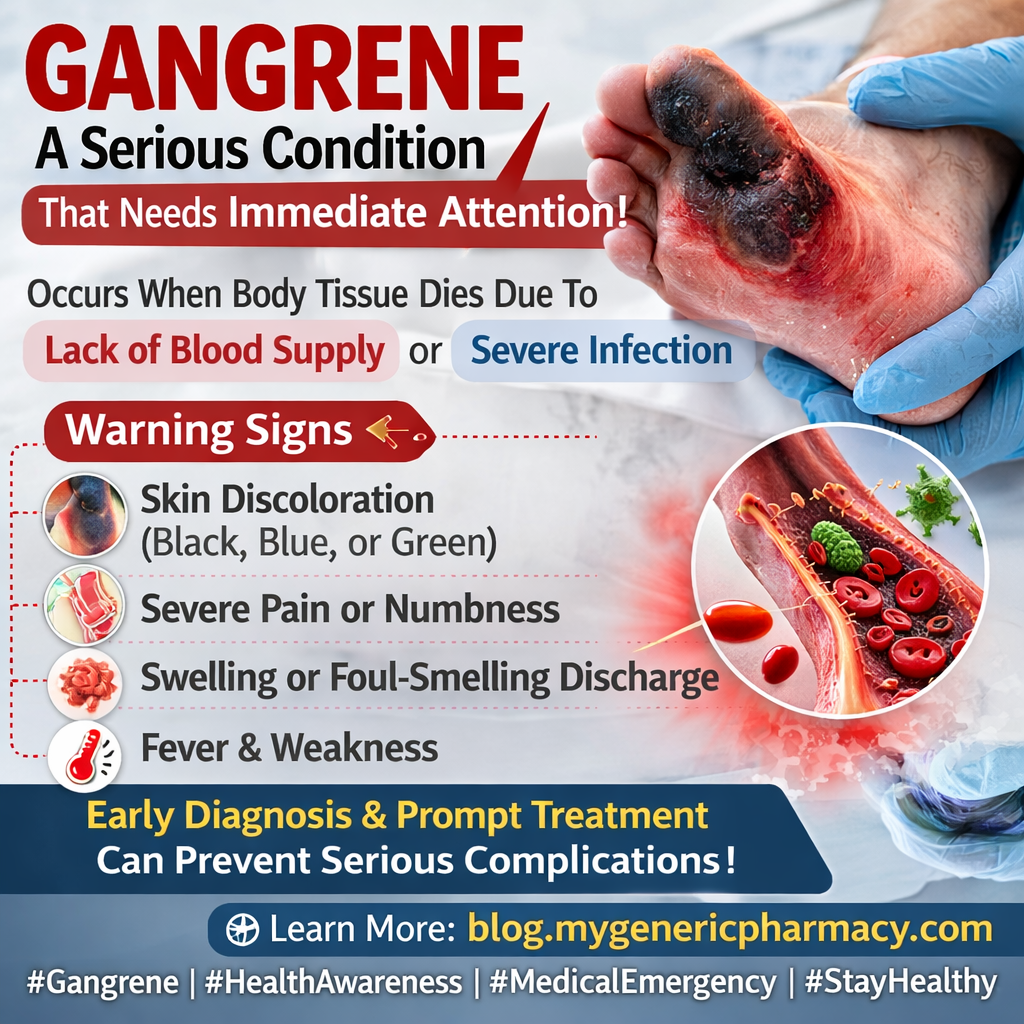
Gangrene is a serious and potentially life-threatening condition that occurs when body tissue dies due to a lack of blood flow or a severe bacterial infection. While the word might evoke medieval times, gangrene remains a critical medical emergency in the modern world, demanding immediate attention. It can affect any part of the body, but it is most commonly found in the extremities like the toes, fingers, and limbs, and can also involve internal organs and muscles .

Understanding the causes, recognizing the symptoms, and knowing the urgency of treatment are vital for improving outcomes and saving lives. This guide provides a comprehensive overview of gangrene, from its various forms to the latest treatment protocols.

What is Gangrene? An Overview

Gangrene is the irreversible death (necrosis) of body tissue caused by a loss of blood supply (ischemia), a severe bacterial infection, or a combination of both . Without a proper blood supply, cells cannot survive, and the affected tissue begins to decay. If bacteria invade the dead tissue, it accelerates the decay process and can lead to a life-threatening systemic infection known as sepsis . This condition can significantly impair a patient’s quality of life due to pain, reduced mobility, and frequent hospitalizations .

Types of Gangrene

Gangrene is broadly classified into three main types: dry, wet, and gas gangrene. A few other specific forms also exist.

Dry Gangrene

Dry gangrene is characterized by progressive ischemia (lack of blood flow) and is most common in the digits (toes and fingers) . It typically results from conditions that slowly block the arteries, such as atherosclerosis or peripheral vascular disease . The affected tissue becomes dry, shrinks, and turns dark brown or black. It is called “dry” because the tissue contains little moisture. Interestingly, dry gangrene is often aseptic, meaning it occurs without bacterial infection, as bacteria do not thrive in the mummified tissue . A clear line of demarcation usually forms between the dead and healthy tissue.

Wet Gangrene

Wet gangrene develops when necrotic tissue becomes infected by bacteria . This is a much more dangerous condition than dry gangrene because the bacteria thrive in the moist environment, causing the infection to spread rapidly. The area becomes swollen, blistered, and wet, often with a foul-smelling discharge. The infection can quickly move into the bloodstream, leading to sepsis and septic shock, which is life-threatening . This type is common in people with diabetes who sustain a minor injury, as their impaired circulation and immune response create the perfect environment for infection to set in. Conditions like Fournier’s gangrene, which affects the genitals, and internal gangrene (e.g., of the gallbladder or intestine) fall under this category .

Gas Gangrene

Gas gangrene is a rapidly progressive, life-threatening necrotizing infection caused by bacteria that produce gas. It is most commonly caused by Clostridium perfringens and other Clostridium species, which are anaerobic bacteria (they thrive in the absence of oxygen) . These bacteria produce potent exotoxins that destroy muscle tissue, blood cells, and blood vessels. As they multiply, they produce gas within the tissues. This condition is a true medical emergency, with mortality rates that can exceed 40% even with treatment .

Fournier’s Gangrene

This is a specific, rare, and aggressive form of wet gangrene that affects the genitals and perineum (the area between the genitals and anus). It is a polymicrobial necrotizing fasciitis, meaning it involves multiple types of bacteria that destroy soft tissue . It is more common in men but can affect women. It often originates from an infection in the skin, urinary tract, or bowel and spreads rapidly. A 2025 observational study highlighted that diabetes is a major comorbidity in patients with Fournier’s gangrene, affecting nearly 29% of patients .

Causes and Risk Factors

Gangrene is the end result of a critical failure of the body’s tissue support systems. The causes can be broken down into three primary categories.

Causes

  • Loss of Blood Supply (Ischemia): This is the primary cause of dry gangrene. When arteries become blocked or narrowed, oxygen and essential nutrients cannot reach the tissues. Common causes include atherosclerosis (hardening of the arteries), blood clots, and traumatic injury .
  • Infection: Severe bacterial infections can directly destroy tissue and produce toxins that kill cells. In wet and gas gangrene, infection is the primary driver. Bacteria can enter the body through wounds, surgical incisions, or even minor breaks in the skin .

Risk Factors

Certain factors increase a person’s susceptibility to gangrene:

  • Diabetes: This is a major risk factor. High blood sugar damages blood vessels (microvascular disease) and nerves (neuropathy). Neuropathy means a person might not feel an injury, and the poor blood flow prevents the wound from healing, making it a prime target for infection .
  • Peripheral Artery Disease (PAD): Atherosclerosis can narrow the arteries in the legs and arms, starving them of blood flow.
  • Smoking: Tobacco use damages blood vessels, causing them to narrow and increasing the risk of clots .
  • Trauma or Surgery: Severe injuries like crush wounds, burns, or deep cuts can suddenly cut off blood supply or introduce bacteria deep into tissues. Post-surgical infections are another potential cause .
  • Immunocompromised State: People undergoing chemotherapy, taking steroids, or with conditions like HIV have a weakened ability to fight off infections .
  • Obesity: Excess weight can put pressure on arteries and impair circulation .

Signs and Symptoms to Recognize

Early recognition is crucial for survival. Symptoms vary by the type and location of the gangrene.

General Symptoms

  • Skin Changes: This is often the first sign. The skin may initially be pale, then progress to blue, purple, bronze, red, or finally black .
  • Loss of Sensation (Numbness): As nerves are destroyed by lack of blood or infection, the area may become numb. In necrotizing fasciitis, this anesthesia is a sign of advanced disease .
  • Severe Pain: In gas gangrene and many cases of wet gangrene, sudden, severe pain is common, often before other skin changes are visible. The pain may seem out of proportion to how the skin looks .
  • Swelling and Blisters: The affected area may swell significantly, and blisters (bullae) filled with clear, red, or dark fluid can form .
  • Foul Odor: A putrid or foul smell from the wound is a classic sign of infected, necrotic tissue .

Symptoms Specific to Gas Gangrene

  • Crepitus: A crackling sensation under the skin caused by gas bubbles trapped in the tissues .
  • Rapid Progression: The infection can spread visibly over the course of hours, and patients can become critically ill very quickly.
  • Systemic Toxicity: Due to potent bacterial toxins, patients often have a rapid heart rate, fever, sweating, and anxiety. In late stages, they may develop jaundice (yellowing of the skin), shock, and kidney failure .

Systemic Symptoms (The Body’s Response)

As the condition worsens, toxins and bacteria enter the bloodstream, leading to sepsis. This can cause:

  • High fever (though some may have a low temperature)
  • Rapid heartbeat and breathing
  • Low blood pressure and dizziness
  • Confusion or loss of consciousness 

Diagnosis: How is Gangrene Identified?

Diagnosis must be rapid to prevent further tissue loss and death. It involves a combination of clinical evaluation and tests.

  • Physical Examination: A doctor will assess the wound’s appearance, check for crepitus, and evaluate the extent of tissue damage.
  • Laboratory Tests: Blood tests are done to check for signs of infection (elevated white blood cell count) and organ damage. Cultures of wound fluid or tissue can identify the specific bacteria causing the infection .
  • Imaging Studies:
    • X-rays: Can reveal gas bubbles in the tissues, which is a key sign of gas gangrene .
    • CT (Computed Tomography) and MRI (Magnetic Resonance Imaging): These are more detailed scans that can show the extent of tissue death, fluid collections, and gas pockets. They help surgeons plan the necessary debridement .
  • Surgery: Often, the most definitive way to diagnose the extent of the disease is through surgical exploration. This allows the surgeon to see the health of the muscle and deep tissues firsthand. A biopsy can be taken for laboratory analysis .

Treatment: A Multi-Pronged Emergency Approach

The treatment of gangrene is a race against time. It requires aggressive intervention in a hospital setting, often involving a team of surgeons, infectious disease specialists, and other experts.

1. Emergency Surgery (Debridement)

Surgery is the cornerstone of treatment for wet and gas gangrene. The procedure, called debridement, involves cutting away all dead, infected, and devitalized tissue . This is crucial because the dead tissue has no blood supply, so antibiotics cannot reach it. Leaving it in place allows the infection to continue spreading. In severe cases, an amputation of a toe, foot, or limb may be necessary to save the patient’s life . Often, more than one surgery is needed to ensure all necrotic tissue has been removed.

2. Intravenous Antibiotics

High-dose antibiotics are administered immediately, often before the exact bacteria are identified. The choice of antibiotics is based on the suspected type of infection.

  • For clostridial infections (gas gangrene), the standard regimen is high-dose intravenous penicillin in combination with clindamycin. Clindamycin is added because it helps stop the bacteria from producing their deadly toxins .
  • For polymicrobial infections like Fournier’s gangrene, broad-spectrum antibiotics that cover a wide range of bacteria are used .
  • The 2025 guidelines for diabetic ulcers and gangrene emphasize the role of targeted oral antibiotics once the patient is stabilized, in addition to initial intravenous therapy .

3. Supportive Care

Patients with gangrene are often critically ill. Supportive care includes:

  • Intravenous fluids to maintain blood pressure and hydration.
  • Medications to support blood pressure.
  • Pain management.
  • Nutritional support to help the body heal .

4. Revascularization Procedures

For dry gangrene where the tissue is dead due to blocked arteries, the primary goal is to restore blood flow to the healthy tissue to prevent further loss. This can be done through:

  • Vascular bypass surgery: Creating a detour around the blocked artery.
  • Angioplasty and stenting: Inserting a balloon to open the narrowed artery and placing a small tube (stent) to keep it open .

5. Hyperbaric Oxygen Therapy

Hyperbaric oxygen therapy involves placing the patient in a special chamber where they breathe 100% oxygen at a pressure higher than normal. This increases the amount of oxygen in the blood, which can help kill anaerobic bacteria like Clostridium and improve wound healing . It is used as an adjunctive therapy, meaning it is a helpful addition to surgery and antibiotics, but it should never delay surgical debridement .

Prevention: The Best Defense

Preventing gangrene focuses on managing risk factors and protecting your body.

  • Manage Chronic Conditions: Strictly control blood sugar levels if you have diabetes. Manage high blood pressure and high cholesterol.
  • Stop Smoking: This is one of the most important steps to improve circulation.
  • Inspect Your Body Daily: If you have diabetes or PAD, inspect your feet and legs every day for cuts, blisters, redness, or swelling that you may not feel.
  • Practice Good Wound Care: Clean any wound thoroughly and seek medical attention for deep wounds, animal bites, or signs of infection (redness, warmth, swelling, pus) .
  • Maintain a Healthy Weight: This reduces stress on your circulatory system .

Conclusion: Time is Tissue

Gangrene is a devastating condition, but understanding its types, causes, and warning signs can be life-saving. The key takeaway is that time is tissue. The longer treatment is delayed, the more tissue is lost and the higher the risk of death.

Modern medicine offers a powerful arsenal—from aggressive surgical techniques and potent antibiotics to advanced revascularization and hyperbaric oxygen therapy—to fight this disease. The 2025 updates to clinical guidelines reflect the ongoing efforts to refine these treatments and improve outcomes for patients . If you are at high risk, vigilant self-care is your best defense. If you or someone you know experiences the signs of gangrene, seek emergency medical care immediately.

Reference:

https://www.mayoclinic.org/diseases-conditions/gangrene/symptoms-causes/syc-20352567
https://my.clevelandclinic.org/health/diseases/21070-gangrene
https://www.ncbi.nlm.nih.gov/books/NBK560552/
https://www.webmd.com/skin-problems-and-treatments/gangrene-causes-symptoms-treatments
https://www.sciencedirect.com/topics/medicine-and-dentistry/gangrene

Medications that have been suggested by doctors worldwide are available on the link below
https://mygenericpharmacy.com/category/disease/diabetes


Disclaimer: This article is for informational purposes only and does not constitute medical advice. Always consult a qualified healthcare professional for any health concerns or before making any decisions related to your health or treatment.

Your Complete Guide to Stomach Health: Causes, Symptoms & Care

Your Complete Guide to Stomach Health: Causes, Symptoms & Care

Stomach Health: Causes, Symptoms & Care Guide

Learn about stomach health, including common causes of stomach problems, key symptoms to watch for, and effective care tips to maintain a healthy digestive system.

Your stomach is more than just a food processor—it’s a complex organ that plays a central role in digestion, immunity, and even mood regulation. When your stomach is happy, you barely notice it. But when something goes wrong, it can dominate your entire day. Understanding common stomach issues and how to maintain digestive health is essential for overall well-being.

Common Stomach Problems and Their Causes

Indigestion (Dyspepsia)

Indigestion is a general term for discomfort in the upper abdomen. Symptoms include burning, bloating, feeling overly full, and nausea. Common triggers include eating too quickly, fatty or spicy foods, caffeine, alcohol, and stress.

Gastritis

Gastritis is inflammation of the stomach lining. It can be acute (sudden) or chronic (long-term). Causes include infection with H. pylori bacteria, regular use of NSAIDs (ibuprofen, aspirin), excessive alcohol consumption, and autoimmune conditions.

Acid Reflux and GERD

When stomach acid flows back into the esophagus, it causes heartburn—a burning sensation in the chest. Occasional reflux is common, but frequent episodes (twice weekly or more) may indicate gastroesophageal reflux disease (GERD).

Peptic Ulcers

These are open sores that develop on the stomach lining. The two main causes are H. pylori infection and long-term NSAID use. Contrary to old beliefs, stress and spicy foods don’t cause ulcers—but they can worsen symptoms.

Irritable Bowel Syndrome (IBS)

IBS affects the large intestine, causing cramping, abdominal pain, bloating, gas, and alternating diarrhea and constipation. It’s a functional disorder, meaning the digestive tract looks normal but doesn’t function properly.

Gastroenteritis (Stomach Flu)

Viral or bacterial infection causes inflammation of the stomach and intestines, leading to nausea, vomiting, diarrhea, and abdominal cramps. It’s usually short-lived but can cause dehydration.

Recognizing Symptoms: When to Pay Attention

Common Digestive Symptoms

  • Heartburn or acid reflux
  • Bloating and excessive gas
  • Nausea and vomiting
  • Abdominal pain or cramping
  • Diarrhea or constipation
  • Loss of appetite
  • Unexplained weight changes

Red Flags: When to See a Doctor

Seek medical attention immediately if you experience :

  • Blood in vomit (red or coffee-ground appearance)
  • Blood in stool (red, black, or tarry)
  • Severe, persistent abdominal pain
  • Difficulty swallowing or pain with swallowing
  • Unexplained weight loss
  • Persistent vomiting or inability to keep fluids down
  • Jaundice (yellowing of skin or eyes)

Maintaining Stomach Health: Prevention Strategies

Eat Mindfully

  • Chew thoroughly: Digestion begins in the mouth. Chewing breaks down food and signals the stomach to prepare for digestion.
  • Eat slowly: Rushing meals can cause overeating and indigestion.
  • Regular meal times: Consistency helps regulate digestive processes.

Choose Stomach-Friendly Foods

  • Fiber-rich foods: Fruits, vegetables, whole grains, legumes (promote regular bowel movements)
  • Lean proteins: Chicken, fish, tofu (easier to digest than fatty meats)
  • Probiotics: Yogurt, kefir, fermented foods (support healthy gut bacteria)
  • Ginger and peppermint: Natural remedies for nausea and indigestion
  • Stay hydrated: Water aids digestion and prevents constipation

Limit or Avoid

  • Spicy and fatty foods: Can trigger heartburn and indigestion
  • Processed foods: Often low in fiber, high in unhealthy fats
  • Excessive caffeine and alcohol: Irritate the stomach lining
  • Carbonated beverages: Cause bloating and gas
  • Late-night eating: Lying down soon after eating promotes reflux

Lifestyle Habits

  • Manage stress: Chronic stress affects digestion through the gut-brain connection.
  • Don’t smoke: Smoking weakens the valve that prevents acid reflux
  • Maintaina healthy weight: Excess weight increases abdominal pressure, promoting reflux
  • Exercise regularly: Promotes healthy digestion and reduces stress

Treatment Approaches

Home Remedies

  • Ginger tea: Soothes nausea
  • Peppermint: Relieves indigestion and gas
  • Chamomile tea: Calms the digestive system
  • BRAT diet (bananas, rice, applesauce, toast): For acute diarrhea
  • Heating pad: Eases abdominal cramps

Over-the-Counter Options

  • Antacids: Neutralize stomach acid (Tums, Rolaids)
  • H2 blockers: Reduce acid production (famotidine, ranitidine)
  • Proton pump inhibitors: Stronger acid reduction (omeprazole, lansoprazole)
  • Anti-diarrheals: Loperamide (Imodium)
  • Laxatives: For occasional constipation (use sparingly)

When You Need Prescription Medications

  • Antibiotics for H. pylori infection
  • Prescription-strength acid reducers
  • Medications for chronic conditions (IBS, IBD)
  • Anti-nausea medications

The Gut-Brain Connection

Your digestive system has its own nervous system—the enteric nervous system—often called the “second brain.” It contains over 100 million neurons and communicates constantly with your brain.

This explains why :

  • Stress triggers digestive symptoms
  • Anxiety can cause nausea or diarrhea
  • Depression affects appetite
  • Mindfulness practices improve digestion

Managing mental health is an essential part of maintaining stomach health.

Special Considerations

Age-Related Changes

As we age, stomach acid production may decrease, slowing digestion. Older adults are also more prone to constipation and may need more fiber and hydration.

Pregnancy

Hormonal changes and pressure from ga rowing uterus can cause heartburn and constipation. Small, frequent meals and avoiding trigger foods help.

Medications

Many common medications affect digestion:

  • NSAIDs: Can cause gastritis and ulcers
  • Antibiotics: Disrupt gut bacteria, may cause diarrhea
  • Opioids: Cause constipation
  • Iron supplements: Can cause nausea and constipation

Conclusion: Listen to Your Gut

Your stomach communicates with you constantly—through hunger pangs, fullness signals, and sometimes discomfort. Learning to listen and respond appropriately is the foundation of good digestive health.

Key takeaways:

  1. Pay attention to symptoms and patterns
  2. Don’t ignore persistent or severe symptoms
  3. Build healthy eating and lifestyle habits
  4. Manage stress—it directly affects digestion
  5. Seek medical help when red flags appear

With proper care and attention, you can maintain a healthy stomach that serves you well for life.


References:

  1. Cleveland Clinic. Common Digestive Conditions.
  2. Mayo Clinic. Indigestion – Symptoms and causes.
  3. Johns Hopkins Medicine. The Gut-Brain Connection.
  4. National Institute of Diabetes and Digestive and Kidney Diseases. Digestive Diseases.
  5. American Gastroenterological Association. Patient Center.

Medications that have been suggested by doctors worldwide are available on the link below
https://mygenericpharmacy.com/category/stomach


Disclaimer: This article is for educational purposes only. Consult a healthcare provider for proper diagnosis and treatment of digestive symptoms.