Browsed by
Month: March 2026

New Study Debunks Myth: Calcium Supplements Don’t Raise Dementia Risk

New Study Debunks Myth: Calcium Supplements Don’t Raise Dementia Risk

Calcium Supplements Not Linked to Dementia Risk

New research shows calcium supplements are not linked to dementia risk in older women. Learn how they support bone health safely and effectively.
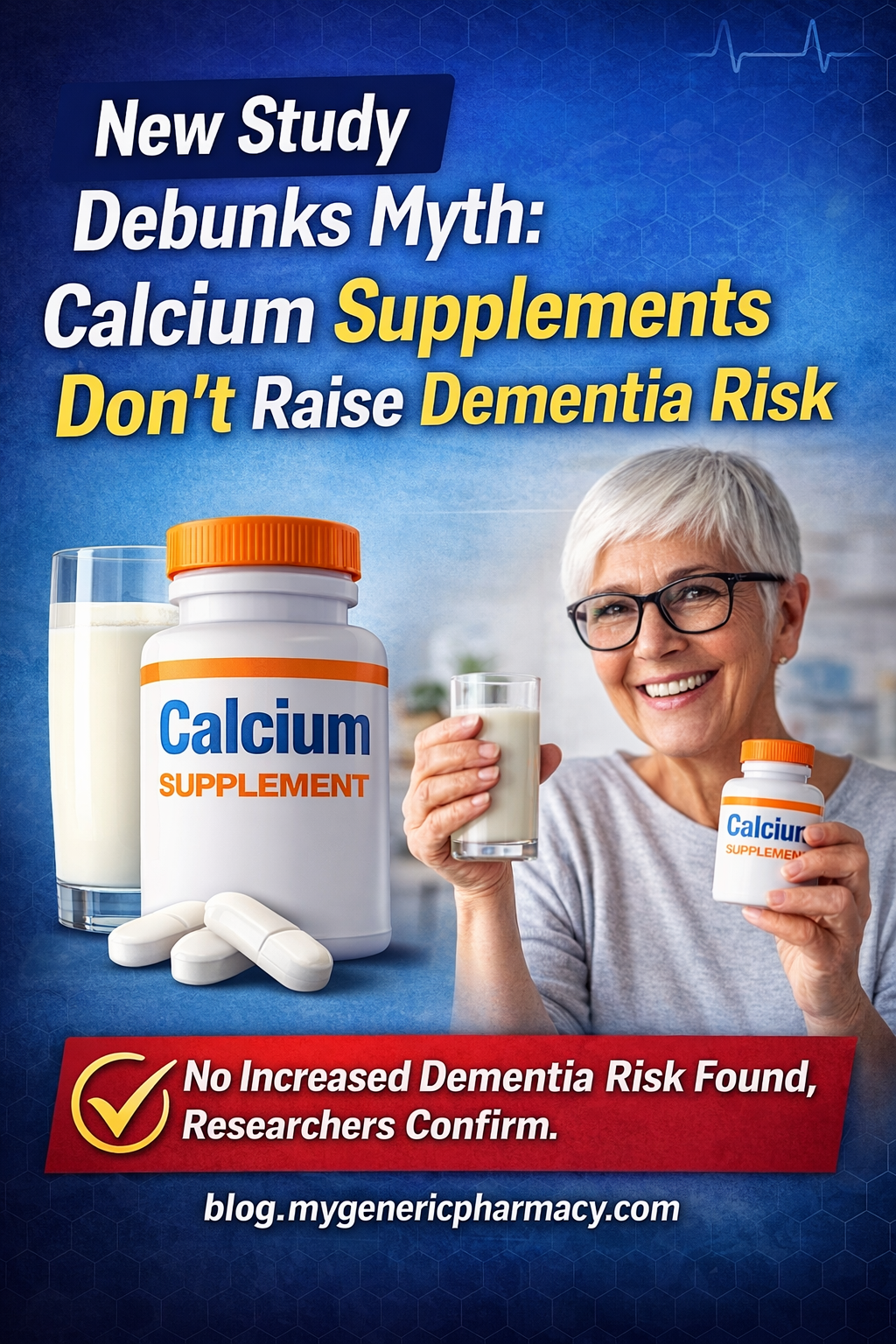
For millions of older women, calcium supplements are a non-negotiable part of their daily routine—a first line of defense against osteoporosis and debilitating fractures. But in recent years, a worrying question has lingered in the minds of patients and clinicians alike: Could this habit be harming my brain?

Earlier observational studies had suggested a potential link between calcium supplementation and an increased risk of dementia, causing confusion and concern. However, a landmark new study published in October 2025 in The Lancet Regional Health – Western Pacific provides the most definitive answer to date: Calcium supplements do not increase the long-term risk of dementia.

Here is what you need to know about this reassuring study and what it means for your bone—and brain—health.

The Origin of the Concern

To understand why this new study is so important, we have to look back at why the concern existed in the first place.

The worry stemmed largely from observational research, including a 2016 Swedish study that suggested older women with cerebrovascular disease who took calcium supplements had a slightly higher risk of dementia. The theoretical mechanism was plausible: some scientists hypothesized that a sudden influx of calcium could lead to “calcium overload” in cells or promote deposits in the brain’s vasculature.

However, these earlier studies were “observational.” They could show a link, but they couldn’t prove cause and effect. They were often plagued by confounding factors—meaning the women taking supplements might have had different health profiles than those who didn’t, which skewed the results.

Inside the 2025 Study: A Gold-Standard Investigation

A team of researchers from Edith Cowan University (ECU), Curtin University, and the University of Western Australia set out to get a clear answer by looking at data that is far more reliable than standard observation: a randomized controlled trial (RCT) 

They conducted a post-hoc analysis of the Calcium Intake Fracture Outcome Study (CAIFOS), a five-year, double-blind, placebo-controlled trial. This is the “gold standard” of medical research design.

  • The Participants: 1,460 community-dwelling women aged 70 and older who were dementia-free at the start.
  • The Method: Half of the women received 1,200 mg of elemental calcium (as calcium carbonate) daily for five years. The other half received a placebo.
  • The Follow-Up: Crucially, the researchers didn’t stop there. They followed the women for an additional 9.5 years, bringing the total follow-up time to a remarkable 14.5 years.

The Results: No Increased Risk

After nearly a decade and a half of follow-up, 269 women had dementia-related events (hospitalizations or deaths). When the researchers crunched the numbers, the verdict was clear.

Compared to the placebo group, the women who took calcium supplements showed no increased risk of developing dementia.

  • The Hazard Ratio (HR) for all-cause dementia was 0.90. While this slightly favored the calcium group, it was not statistically significant, meaning the supplements were neither harmful nor beneficial—they were neutral 
  • These results held true even when the researchers adjusted for lifestyle factors, dietary calcium intake, and genetic risk (like the APOE gene), and even when looking specifically at women who adhered strictly to their supplement regimen.

What the Experts Are Saying

The research community has greeted these findings as a significant step forward in separating myth from fact.

Dr. Marc Sim, Senior Research Fellow at ECU and a study author, emphasized the strength of this new data compared to the old. “Previous research suggesting potential links between calcium supplement use and the risk for dementia was purely observational in nature,” he explained. “Our research… reduces the likelihood of unmeasured confounding”.

Professor Blossom Stephan, a Dementia Australia Honorary Medical Advisor, noted that the research provides “reassurance to clinicians and patients about the long-term safety of calcium supplementation.n” 

This consensus is vital because fear of dementia might have led some patients to abandon supplements that are critical for preventing osteoporotic fractures—a major cause of disability and loss of independence in older age 

What This Means For You

This study offers a strong “all clear” for the primary demographic concerned about this issue: older women.

For Bone Health: You can continue taking calcium supplements as prescribed or recommended for osteoporosis prevention without the fear that you are harming your cognitive future. The benefits for your skeleton remain well-established.

For Brain Health: The theoretical risk of calcium supplements causing dementia appears to be spurious. As the researchers put it, the findings “do not support concerns that calcium supplementation increases long-term risk of dementia”.

Important Caveats and A Look Ahead

While this study is the most rigorous to date, it has limitations that researchers are keen to highlight.

  1. Demographic Limits: The study was conducted exclusively in older white women. The results cannot be automatically generalized to men, younger women, or other ethnic groups. 
  2. Monotherapy Focus: The study looked at calcium on its own (monotherapy). While combination calcium-vitamin D supplements are common and generally considered safe, this specific study didn’t evaluate them for dementia risk, though other RCTs have found no increased risk with the combination either.
  3. Ongoing Research: Scientists agree that future clinical trials should be designed specifically to look at brain health as a primary outcome, and should include more diverse populations.

The Bottom Line

The myth that calcium supplements might raise dementia risk has been effectively debunked by high-quality, long-term data. For the millions of women relying on these supplements to maintain their mobility and skeletal strength, this news is a welcome relief.

As always, you should consult with your healthcare provider or pharmacist to ensure that any supplement regimen is right for your personal health profile. But when it comes to calcium and cognition, the evidence now suggests you can take that tablet with confidence.

Reference:

https://www.medicalnewstoday.com/articles/daily-calcium-supplements-not-linked-to-dementia
https://www.sciencedirect.com/science/article/pii/S2666606525002330
https://www.pharmacytimes.com/view/data-reinforces-that-calcium-supplementation-is-not-linked-to-dementia-risk-in-older-women

Medications that have been suggested by doctors worldwide are available on the link below
https://mygenericpharmacy.com/category/disease/alzheimer-disease


Disclaimer: This blog post is for informational purposes only and does not constitute medical advice. Always consult with a qualified healthcare professional before making any decisions about your health or supplement regimen.
Can Diabetes Be Reversed? 5 Proven Strategies That Deliver Results

Can Diabetes Be Reversed? 5 Proven Strategies That Deliver Results

Can Diabetes Be Reversed? 5 Proven Strategies

Discover 5 proven strategies to reduce or even reverse diabetes naturally. Take control of your blood sugar and improve your health starting today.

For decades, a diagnosis of Type 2 diabetes was viewed as a life sentence to a future of progressive medication dependence. However, a seismic shift in medical understanding has changed that. Leading health authorities, including the American Diabetes Association (ADA) in its 2026 Standards of Care, now recognize that diabetes remission is a primary treatment goal. But what does “reversal” actually mean? It means achieving normal blood sugar levels (an HbA1c below 6.5%) without the use of glucose-lowering medication.

While this isn’t a “cure” (vigilance must be maintained to prevent relapse), remission is a tangible reality for many. The key lies in aggressive, multi-faceted intervention. Here are five proven strategies, backed by the latest research from 2026, that are delivering real results.

1. The Power of Significant Weight Loss

The single most effective driver of diabetes remission is substantial, sustained weight loss. The landmark DiRECT trial demonstrated that remission is directly linked to shedding kilograms, and the 2026 ADA guidelines reinforce this.

  • The Target: According to the ADA, a loss of 10% or more of your baseline body weight can achieve “disease-modifying effects and remission of type 2 diabetes.” 
  • Why it Works: Excess fat accumulates in the liver and pancreas (ectopic fat), disrupting insulin production and sensitivity. This is known as the “twin-cycle hypothesis.” Significant weight loss drains this fat, effectively rebooting the body’s ability to regulate blood sugar.

Real-World Impact: Take Del Bains, a 57-year-old participant in the UK-based COMBINE study. By losing 20kg through a structured program, his blood sugar levels dropped from a dangerous 11% to a healthy 5.7%, allowing him to come off all medication.

2. Very-Low-Energy and Ketogenic Therapies

To achieve the necessary weight loss for remission, standard dietary advice sometimes isn’t enough. Intensive dietary interventions are proving to be the most effective catalyst.

  • VLEDs: Very-Low-Energy Diets (typically 800-1200 calories per day) using meal replacements can induce rapid weight loss and quickly lower blood glucose.
  • VLEKT: A 2026 review in Current Obesity Reports highlights Very-Low-Energy Ketogenic Therapy (VLEKT) as a standout strategy. It targets the key mechanisms of “diabesity”—insulin resistance and inflammation—more aggressively than standard diets.
  • Caution: These are medical interventions that require professional supervision to ensure nutritional adequacy and safety.

3. Structured Exercise: The Essential Partner

Diet does the heavy lifting on weight loss, but exercise is crucial for maintaining muscle mass and ensuring long-term success. The combination is powerful.
The COMBINE study mentioned earlier specifically looked at pairing a high-protein, low-energy diet with structured exercise. The goal was to minimize muscle loss while maximizing fat loss and blood sugar control—a critical factor for sustaining a healthy metabolism.
Furthermore, research from the PREVIEW trial found that enduring improvements in hepatic (liver) insulin sensitivity—which is heavily influenced by physical activity—were a key predictor of whether participants maintained remission over three years, independent of weight change.

4. Pharmacological Support: Newer Medications

For many, lifestyle changes alone are difficult to sustain. Fortunately, a new generation of medications has revolutionized the playing field. The ADA now recommends a GLP-1 RA or a dual GIP/GLP-1 RA (like semaglutide or tirzepatide) as the first-choice pharmacological treatment for people with diabetes and overweight or obesity.
These drugs don’t just lower blood sugar; they promote significant weight loss by suppressing appetite. By achieving the 10%+ weight loss threshold, they can effectively put diabetes into remission. They are powerful tools that, when combined with lifestyle changes, can break the cycle of obesity and diabetes.

5. Future Frontiers: Immunometabolism and Regeneration

While the above strategies are available now, the future of diabetes reversal looks even brighter, with breakthroughs occurring on two major fronts.

  • Targeting Immune Cells: Scientists at the University of Pittsburgh have discovered that a protein called SerpinB2 is essential for “good” immune cells (resident macrophages) in our fat tissue. In obesity, these cells die off, causing inflammation and insulin resistance. Researchers are now working on a drug to boost SerpinB2, which could “stop and reverse the process that leads to bad fat accumulation”.
  • A Functional Cure for Type 1? For the first time, a “functional cure” for Type 1 diabetes is on the horizon. Therapies like Vertex’s VX-880 (Zimislecel) use stem cells to regenerate insulin-producing islet cells. At the 2026 ATTD conference, data showed that 83% of patients achieved “insulin independence” after treatment. This could redefine the meaning of “reversal” for the 1.6 million Americans living with Type 1 diabetes.

The Bottom Line

Diabetes reversal is no longer a fringe concept but a central goal of modern medicine. It requires a combination of significant weight loss, nutritional therapy, exercise, and often, the strategic use of medication. It’s not an easy path, but with the proven strategies outlined above—and exciting new discoveries on the horizon—achieving a life free from diabetes medication is an increasingly attainable reality.

Reference:

https://www.emoryhealthcare.org/stories/wellness/5-ways-to-reduce-or-even-reverse-diabetes


Disclaimer: This blog post is for informational purposes only and does not constitute medical advice. Always consult a qualified healthcare professional before making any decisions about your health, especially regarding significant dietary changes or the introduction of new medications.

Warning Signs of Kidney Disease You Should Never Miss

Warning Signs of Kidney Disease You Should Never Miss

Kidney Disease: Signs, Causes & Prevention Tips

Kidney disease often shows no early symptoms. Learn the warning signs, causes, and simple steps to protect your kidney health before it’s too late.

Kidney disease is often called a “silent killer“—and for good reason. The kidneys are remarkably resilient organs; they can function at a fraction of their capacity without causing noticeable pain or discomfort. By the time symptoms become obvious, significant and often irreversible damage has already occurred.

For a pharmacy audience, understanding these warning signs is critical. Pharmacists are often the most accessible healthcare professionals, seeing patients monthly for refills or weekly for minor ailments. Recognizing the subtle clues of kidney stress can lead to earlier intervention, potentially slowing disease progression and improving patient outcomes.

Why Early Detection Matters

Chronic Kidney Disease (CKD) affects an estimated 1 in 7 (15%) of U.S. adults, yet 9 in 10 adults with CKD do not know they have it. The danger lies in the progression. If caught early, lifestyle changes and medication can often halt or slow the damage. If missed, CKD can progress to kidney failure, requiring dialysis or a transplant.

Here are the warning signs you—and your patients—should never ignore.

1. Changes in Urination (The Earliest Clue)

Since the kidneys produce urine, changes in urinary habits are often the first red flag. These changes can be subtle and gradual, including:

  • Frequency: Getting up more frequently at night to urinate (nocturia).
  • Volume: Producing noticeably more or less urine than usual.
  • Appearance: Urine that is foamy or bubbly (indicating protein, or albumin) or dark in color (indicating blood).
  • Strain: Feeling pressure or having difficulty urinating.

Pharmacy Tip: When a patient mentions they are buying larger packs of incontinence pads, or cocomplainsbout interrupted sleep due to bathroom trips, it is worth asking about other risk factors like diabetes or hypertension.

2. Swelling (Edema) in Unexpected Places

When kidneys fail to filter properly, excess fluid and sodium build up in the body. This causes swelling, known as edema. It is most common in the:

  • Hands and Feet: Patients may notice their shoes feel tight by the end of the day or that rings no longer fit.
  • Ankles and Lower Legs: Pitting edema (pressure on the skin leaves an indent) is a classic sign.
  • Face: Puffiness around the eyes, particularly in the morning, can indicate that the kidneys are leaking large amounts of protein.

Pharmacy Tip: Patients purchasing compression socks or diuretic herbal supplements (like dandelion or uva ursi) might be self-treating swelling. This is an opportunity to ask, “Have you mentioned this swelling to your doctor?” rather than just recommending a product.

3. Persistent Fatigue and “Brain Fog.”

Healthy kidneys produce a hormone called erythropoietin (EPO, which signals the body to make red blood cells. In kidney disease, EPO production drops, leading to anemia. This results in profound fatigue, weakness, and difficulty concentrating.

The Red Flag: Normal tiredness improves with rest. Kidney-related fatigue is a bone-deep weariness that sleep doesn’t fix. Patients may complain of feeling “foggy” or unable to focus, which is often mistaken for aging or stress.

4. Itchy Skin and Unexplained Rashes

When waste products build up in the blood (a condition called uremia), it can cause severe, persistent itching. This occurs because the kidneys are no longer able to balance minerals and nutrients, leading to high phosphorus levels, which trigger skin irritation.

The Red Flag: Patients may try over-the-counter antihistamines or hydrocortisone creams with little to no relief. If a patient presents with dry, itchy skin that doesn’t respond to standard treatments and they have risk factors (diabetes, high blood pressure), kidney function should be considered.

5. Metallic Taste and Ammonia Breath

The buildup of urea in the blood (uremia) can have a noticeable effect on the mouth. Patients may complain of:

  • Ammonia Breath: Breath that smells like urine or ammonia.
  • Metallic Taste: A persistent bad taste in the mouth or a strong aversion to eating meat (protein intolerance), as proteins break down and taste different to the affected patient.
  • Weight Loss: This taste change can lead to a loss of appetite and unintended weight loss.

6. Muscle Cramps

Electrolyte imbalances—caused by failing kidneys—can lead to muscle cramps. Common culprits are low calcium levels and uncontrolled phosphorus. These cramps often occur in the legs or feet and can be disruptive to sleep.

Pharmacy Tip: While patients often reach for magnesium or potassium for cramps, those with kidney issues need to be very careful with electrolyte supplements, as their kidneys may not be able to filter the excess. Always ask about kidney health before recommending electrolyte replacements.

The Greatest Masquerader: No Symptoms at All

It is vital to remember that many people with moderate CKD (Stages 1-3) have zero symptoms. The only way to know for sure is through lab testing. The two key numbers are:

  1. eGFR (Estimated Glomerular Filtration Rate): A measure of kidney function. Below 60 for three months or more indicates CKD.
  2. Urine Albumin-to-Creatinine Ratio (UACR): Measures protein leaking into the urine.

High-Risk Populations (Who Needs to Be Extra Vigilant)

Certain populations are at higher risk and should be screened regularly, even without symptoms:

  • Diabetics: Diabetes is the leading cause of kidney failure (responsible for nearly 40% of cases) .
  • Hypertensives: High blood pressure is the second leading cause of kidney failure.
  • Cardiovascular Disease: Heart disease and kidney disease often go hand-in-hand.
  • Family History: Those with a family history of kidney failure or genetic conditions like Polycystic Kidney Disease (PKD).
  • Long-term NSAID Use: Chronic use of ibuprofen or naproxen can damage the kidneys over time.

The Pharmacist’s Role: A Critical Safety Net

Pharmacists are uniquely positioned to spot kidney issues. Every time you process a prescription, you see the patient’s age and often their medication profile.

  • Dose Adjustments: Are you verifying that medications (like Metformin, Gabapentin, or certain antibiotics) are dosed correctly for the patient’s kidney function? Many electronic systems now flag eGFR levels.
  • OTC Counseling: Warn patients with hypertension or diabetes about the risks of NSAIDs. Steer them toward acetaminophen (Tylenol) for pain relief instead.
  • Screening Opportunities: If a patient with diabetes picks up their meds, a simple question like, “When was the last time your doctor checked your kidney function?” can be a life-saving nudge.

Conclusion

Kidney disease is a progressive condition, but it doesn’t have to be a mystery. By recognizing the subtle signs—swollen ankles, foamy urine, persistent fatigue, and itchy skin—and understanding the critical lab values, pharmacists and patients alike can catch the disease early.

If you or a loved one is experiencing any of these warning signs, particularly if you have diabetes or high blood pressure, speak to a healthcare provider about getting a simple blood and urine test. Your kidneys are counting on you.

References for “Warning Signs of Kidney Disease”

https://www.cdc.gov/kidney-disease/php/data-research/index.html
https://www.kidney.org/kidney-topics/chronic-kidney-disease-ckd
https://diabetesjournals.org/care/article/47/Supplement_1/S219/153938/11-Chronic-Kidney-Disease-and-Risk-Management
https://kdigo.org/guidelines/ckd-evaluation-and-management/
https://www.fda.gov/drugs/postmarket-drug-safety-information-patients-and-providers/nonsteroidal-anti-inflammatory-drugs-nsaids

Medications that have been suggested by doctors worldwide are available on the link below
https://mygenericpharmacy.com/category/products/disease/chronic-kidney-disease


Disclaimer: This blog post is for informational purposes only and does not constitute medical advice. Always consult with a healthcare professional for medical advice, diagnosis, or treatment.

Move More, Remember Better: The 20-Minute Memory Hack

Move More, Remember Better: The 20-Minute Memory Hack

20 Minutes Exercise Can Boost Memory Fast

Just 20 minutes of daily physical activity may improve memory, focus, and brain function. Discover how simple exercise can sharpen your mind.

In the fast-paced world of healthcare, we often focus on pills and prescriptions to treat cognitive decline. However, one of the most potent “drugs” for brain health doesn’t come in a bottle—it comes from movement. Emerging research is revealing a powerful truth: you don’t need hours at the gym to boost your brainpower. Just 20 minutes of movement can significantly enhance memory and cognitive function.

For pharmacists and healthcare professionals, understanding this connection is vital. It offers a non-pharmacological intervention that can complement treatments for conditions ranging from mild cognitive impairment to Alzheimer’s disease, and even help patients manage the cognitive side effects of various medications.

The Science of the 20-Minute Memory Hack

The idea that exercise is good for the brain isn’t new, but the efficiency of short bursts of activity is. Recent studies have pinpointed the 20-minute mark as a “sweet spot” for cognitive benefits.

The BDNF Boost

The primary driver of this phenomenon is a protein called Brain-Derived Neurotrophic Factor (BDNF). Often described as “fertilizer for the brain,” BDNF supports the survival of existing neurons and encourages the growth of new neurons and synapses.

Research shows that just 20 minutes of moderate-intensity exercise (like brisk walking or cycling) can significantly elevate BDNF levels in the body. This spike in BDNF is directly linked to improved memory consolidation—the process by which short-term memories are transformed into long-term ones.

The Hippocampus at Work

The hippocampus, the brain’s memory center, is particularly responsive to exercise. A landmark study found that just 20 minutes of walking increased blood flow to the hippocampus by over 10%. This surge in oxygen and nutrients helps the region function more efficiently. Over time, consistent short exercise sessions can even counteract the age-related shrinkage of the hippocampus, preserving memory function well into old age.

Beyond the Gym: Practical 20-Minute Hacks

The beauty of the 20-minute memory hack is its accessibility. It doesn’t require expensive equipment or a gym membership. Here are practical ways patients can integrate this into their daily routine:

  • The Brisk Walk: A 20-minute walk during a lunch break or after dinner is enough to trigger BDNF release.
  • The Dance Break: Turning on music and dancing for 20 minutes combines cardiovascular exercise with coordination, engaging multiple brain regions simultaneously.
  • The Stair Climb: If time is tight, 20 minutes of stair climbing provides high-intensity benefits in a short window.
  • Yoga or Tai Chi: These mind-body exercises not only provide movement but also reduce stress, which is a known enemy of memory.

The Pharmacy Connection: Movement as Medicine

For those managing chronic conditions, the 20-minute memory hack offers specific, actionable benefits.

Counteracting Medication Side Effects

Many medications commonly dispensed in pharmacies can impact cognitive function. For example:

  • Anticholinergics (used for allergies, depression, or overactive bladder) can cause brain fog and memory issues.
  • Benzodiazepines and sedatives are known to impair short-term memory.
  • Statins, while life-saving for heart health, have been linked by some patients to cognitive complaints.

Encouraging patients on these medications to engage in brief daily exercise can help offset these cognitive side effects naturally. It supports cerebral blood flow and neuroplasticity, potentially mitigating the “fog” associated with their prescriptions.

Managing Chronic Stress

Chronic stress floods the brain with cortisol, a hormone that damages the hippocampus and impairs memory recall. Twenty minutes of movement acts as a pressure valve, reducing cortisol levels and shifting the nervous system from “fight or flight” to “rest and digest.” For patients juggling multiple prescriptions and health anxieties, this is a critical, drug-free tool for mental clarity.

Real-World Evidence: What the Studies Show

The evidence supporting short-duration exercise for memory is robust:

  • The 20-Minute Rule: A study published in Psychonomic Bulletin & Review analyzed multiple exercise studies and concluded that a single 20-minute session of aerobic exercise leads to improved memory encoding and retention.
  • The “Cognitive Boost” Effect: Researchers have found that students who walked for 20 minutes before a test performed better than those who remained sedentary. The exercise primed their brains for information recall.
  • Alzheimer’s Prevention: The CDC highlights that regular physical activity is one of the most effective ways to reduce the risk of cognitive decline. Starting with just 20 minutes a day helps build the habit that leads to long-term brain protection.

Breaking Down Barriers: How to Motivate Patients

As a trusted healthcare provider, your advice carries weight. When counseling patients, especially older adults, it’s important to address common barriers to exercise:

  • “I don’t have time.” Reframe it: “It’s just 20 minutes—the length of a sitcom. Think of it as an investment in your memory.”
  • “I’m not fit enough.” Emphasize that “moderate intensity” means you can talk, but not sing. A slow stroll around the block counts if it raises the heart rate slightly.
  • “I’m in pain.” Suggest low-impact options like swimming or chair exercises. Movement often helps reduce chronic pain over time by lubricating joints and reducing stiffness.

The Long Game: From Hack to Habit

While a single 20-minute session provides an immediate cognitive boost, the real magic happens when these sessions become routine. Regular short exercise leads to:

  • Increased hippocampal volume.
  • Improved synaptic plasticity (how neurons communicate).
  • Enhanced cerebral blood flow.
  • Reduced neuroinflammation.

For patients worried about “senior moments” or those with a family history of dementia, framing exercise as a daily dose of brain medicine can be transformative.

Conclusion: Prescribe Movement First

Before reaching for a supplement or a new medication to address memory complaints, consider the power of movement. The 20-minute memory hack is evidence-based, free, and accessible to nearly everyone. For pharmacists, it represents an opportunity to extend care beyond the counter—empowering patients to take control of their brain health one step at a time.

Reference:
https://www.magneticmemorymethod.com/memory-hacks/
https://yourstory.com/2025/07/10-weird-memory-hacks
https://www.realfastspanish.com/tips/unexpected-tips-boost-your-memory
https://www.mindler.com/blog/simple-hacks-improve-your-memory/

Medications that have been suggested by doctors worldwide are available on the link below:
https://mygenericpharmacy.com/category/disease/alzheimer-disease


Disclaimer: This blog post is for informational purposes only and does not constitute medical advice. Always consult with a healthcare professional before starting any new exercise regimen, especially if you have underlying health conditions.

Drinking Water and Brain Health: The Emerging Link to Parkinson’s Disease

Drinking Water and Brain Health: The Emerging Link to Parkinson’s Disease

Water & Parkinson’s Risk: What You Must Know

Can your drinking water increase Parkinson’s risk? Learn how water sources and contaminants may impact brain health and what you can do to stay safe.

When we think about brain health, we often focus on diet, exercise, and genetics. However, a growing body of evidence suggests that one of the most fundamental elements of life—drinking water—plays a critical role in the prevention and management of neurodegenerative diseases like Parkinson’s. For a pharmacy audience, understanding this link is crucial, as it bridges the gap between environmental health, patient counseling, and medication efficacy.

The Emerging Risk: Newer Groundwater and Contaminants

Recent research presented at the American Academy of Neurology’s 2026 Annual Meeting has unveiled a startling connection between the source of our drinking water and the risk of developing Parkinson’s disease (PD). The large-scale study, which analyzed data from over 1.2 million individuals, found that people whose drinking water comes from carbonate aquifer systems face a significantly higher risk of PD.

Specifically, the risk was 24% higher for those sourcing water from these systems compared to other aquifer types. When compared to water from ancient glacial aquifers, the risk skyrocketed to 62%. The key differentiator? Age of the water. Carbonate aquifers contain “newer” groundwater (roughly 25-75 years old) that is shallower and more susceptible to contamination from modern industrial chemicals and pesticides . Conversely, glacial aquifers contain water that fell as rain thousands of years ago, long before the widespread use of synthetic neurotoxins.

How Do Contaminants Trigger Parkinson’s?

The biological mechanism is becoming clearer. Substances like trichloroethylene (TCE) and perchloroethylene (PCE) —industrial solvents recently banned by the EPA due to public health pressure—are known to damage the mitochondria of dopamine-producing neurons. Similarly, pesticides like paraquat and glyphosate, along with PFAS (“forever chemicals”), can cross the blood-brain barrier, promote the aggregation of α-synuclein (a protein hallmark of Parkinson’s), and trigger neuroinflammation .

While a 2021 meta-analysis showed contradictory results regarding well-water consumption globally, the new geological data suggest that what is in the water (dependent on aquifer type) matters more than the water source itself. This shifts the conversation from “well water vs. municipal” to “contaminant exposure vs. brain health.”

Hydration as a Protective Factor for the Aging Brain

While avoiding toxins is one side of the coin, ensuring adequate hydration is the other. The brain is approximately 75% water, and even mild dehydration can have profound effects.

Clearing Brain Waste: The Glymphatic System

Recent advances in Alzheimer’s research are highly relevant to Parkinson’s. Studies on brain amyloid deposition—a hallmark of Alzheimer’s—have found that low daily fluid intake is associated with greater accumulation of toxic proteins in the brain . This is believed to be linked to the glymphatic system, a waste clearance pathway in the brain that relies heavily on fluid balance to flush out metabolic waste and proteins like amyloid-β and potentially α-synuclein.

For pharmacists, this reinforces the importance of hydration not just for the body, but for the brain’s “housekeeping” functions. While more research is needed to directly link hydration to α-synuclein clearance in PD, the parallel findings in Alzheimer’s suggest that chronic dehydration could accelerate neurodegeneration.

Daily Hydration Needs

Older adults are particularly susceptible to dehydration because the sense of thirst diminishes with age. For those already living with Parkinson’s, dehydration can exacerbate symptoms, leading to severe constipation, low blood pressure (increasing fall risk), and cognitive confusion. 

Why Hydration Matters for Parkinson’s Management

For patients currently managing Parkinson’s, water intake is not just a general health recommendation; it is a critical component of medication management.

  • Medication Absorption: Taking levodopa with a full glass of water helps “flush” the medication from the stomach to the small intestine, where it is absorbed. Inadequate water intake can lead to erratic drug absorption and reduced symptom control .
  • Managing Side Effects: Constipation is one of the most common and bothersome non-motor symptoms of PD. Adequate hydration, alongside fiber, is the first line of defense.
  • Blood Pressure Regulation: Autonomic dysfunction in PD often causes hypotension. Dehydration exacerbates this, leading to dizziness and syncope. 

A study on sudden unexpected death in Parkinson’s disease (SUDPAR) even highlighted that dehydration may be a contributing factor to mortality, as it stresses the cardiovascular system and exacerbates the physical decline associated with the disease .

Practical Advice for Brain-Healthy Hydration

Bridging the gap between emerging research and daily practice, here are actionable tips for patients and healthcare providers:

  1. Know Your Water Source: Patients on private wells, particularly in areas with carbonate aquifers (common in the Midwest, South, and Florida), might consider testing their water for pesticides, VOCs (like TCE), and heavy metals.
  2. Aim for Adequate Intake: General guidelines suggest around 2.1 liters (approx. 8 glasses) for women and 2.6 liters (approx. 10 glasses) for men daily. However, needs may vary based on health status and activity.
  3. Sync with Meds: Advise patients to take medications with a full glass of water and to spread fluid intake throughout the day rather than drinking large amounts all at once .
  4. Eat Your Water: Incorporate high-water-content foods like cucumbers, melon, oranges, and celery into diets to supplement fluid intake.
  5. Limit Diuretics: While staying hydrated, be mindful of excessive caffeine and alcohol, which can have a diuretic effect 

The Future of Prevention

The EPA’s recent ban on TCE and stricter limits on PFAS are monumental steps in reducing the environmental burden of Parkinson’s. However, on an individual level, hydration remains a simple, cost-effective intervention.

As research continues to explore the link between groundwater contaminants and neurodegeneration, one message is clear: water is not just for survival—it is essential for long-term brain health. For the pharmacy team, reinforcing the importance of safe, adequate hydration is a powerful tool in supporting both the prevention of Parkinson’s and the quality of life for those living with it.

Disclaimer: This blog post is for informational purposes only and does not constitute medical advice. Always consult with a healthcare professional for medical advice, diagnosis, or treatment.

Preventing Dangerous Infections: Why Plasma Is Tested for Hepatitis C and HIV

Preventing Dangerous Infections: Why Plasma Is Tested for Hepatitis C and HIV

Hepatitis C and HIV Screening Before Plasma Fractionation
Plasma is tested for Hepatitis C RNA and Human Immunodeficiency Virus antibodies before fractionation to ensure blood safety and prevent transmission of dangerous infections.

Every time a patient receives a lifesaving plasma transfusion, or a person sits down to donate plasma for compensation, an invisible war is being fought in laboratories across the country. The enemy? Microscopic viruses like Hepatitis C (HCV) and Human Immunodeficiency Virus (HIV) could turn a medical miracle into a lifelong tragedy.

Blood plasma—the straw-colored liquid component of blood—is essential for treating burn victims, immune deficiencies, and bleeding disorders. But because it is derived from human donors, it carries the potential to transmit disease. This is why the phrase “plasma tested for hepatitis C and HIV” is not just regulatory jargon; it is a life-saving promise.

Here is a look behind the lab curtain to understand why rigorous testing is mandatory, how it works, and what it means for the safety of the plasma supply.

The Legacy of Contamination: Why We Test

To understand the importance of testing, we have to look back at the “tainted blood” crises of the late 20th century. Before reliable screening was available, thousands of people with hemophilia and other bleeding disorders were infected with HIV and Hepatitis C through contaminated blood products.

In the UK and Europe, this scandal affected over 30,000 patients between the 1970s and early 1990s, leading to thousands of deaths. In the United States, the tragedy spurred the government to overhaul the blood supply system entirely.

These historical disasters taught the medical community a brutal lesson: You cannot trust the source; you must test the product. Donors can be asymptomatic carriers. They may genuinely believe they are healthy, or they may omit risk factors due to social stigma or a desire for financial compensation. Nucleic Acid Testing (NAT) removes the human error from the equation.

The Enemy Within: Hepatitis C and HIV

Why focus specifically on Hepatitis C and HIV? While plasma is tested for a battery of pathogens (including Hepatitis B and Syphilis), HCV and HIV are particularly dangerous for two reasons: they have long “window periods,” and they establish chronic, lifelong infections.

  • Hepatitis C (HCV): Often called a “silent epidemic,” Hepatitis C attacks the liver. It can live in the body for decades without causing symptoms, slowly causing cirrhosis or liver cancer. Before widespread testing, it was the most common chronic bloodborne infection in the United States.
  • HIV (Human Immunodeficiency Virus): HIV attacks the body’s immune system, specifically the CD4 cells (T cells), making it difficult to fight off infections. If left untreated, it leads to Acquired Immunodeficiency Syndrome (AIDS). While modern antiretrovirals make it manageable, it remains incurable and life-altering.

The Science of Safety: How Plasma Is Tested

When you donate plasma, either at a collection center for fractionation (manufacturing into medicines) or for direct transfusion, your donation undergoes a gauntlet of testing. The gold standard today is Nucleic Acid Testing (NAT).

Unlike older antibody tests that look for the body’s response to a virus (which can take weeks to develop), NAT looks for the genetic material of the virus itself. This drastically shrinks the “window period”—the time between when a person is infected and when the test can detect it.

Here is the typical process:

  1. Initial Screening: When you donate, you answer a detailed questionnaire about your medical history and risk factors.
  2. Laboratory Testing: A sample of your plasma is sent to a lab. Using NAT technology, technicians look for the RNA (ribonucleic acid) of HIV and HCV. These tests are incredibly sensitive and can detect a handful of viral particles among millions of human cells.
  3. Quarantine: The donated plasma is placed in “quarantine” and cannot be released for use until all test results come back negative.
  4. Serology Tests: Labs also run serology tests to look for antibodies (like the HIV p24 antigen and anti-HCV), providing a secondary layer of defense in case the viral load is too low for NAT detection.
  5. Lookback: If a donor tests positive, previous donations from that individual are traced, located, and destroyed if they are still in the supply chain.

What Happens If a Test Comes Back Positive?

Plasma centers operate on a strict “zero-risk” policy. If a sample tests reactive (positive) on a screening test, it is retested in duplicate to confirm.

If confirmed positive:

  • The Unit is Destroyed: The specific bag of plasma is incinerated or disposed of as biohazardous waste. It never reaches a patient.
  • Donor Notification: The donor is notified of the result (usually by a medical professional) and is counseled on the next steps for their own health. They are permanently deferred from donating plasma or blood in the future.

The Result: The Safest Supply in History

Thanks to these rigorous measures, the blood and plasma supply in North America and Europe is safer today than it has ever been. The risk of transfusion-transmitted HIV or HCV is now estimated to be less than 1 in 2 million units.

For patients with Primary Immunodeficiency Diseases who rely on weekly infusions of plasma-derived immunoglobulins, this safety margin is non-negotiable. It allows them to live normal lives without the fear that their medicine might make them sicker.

Conclusion

The phrase “plasma tested for Hepatitis C and HIV” is a testament to modern medicine’s ability to learn from past mistakes. Through Nucleic Acid Testing, stringent donor screening, and quarantine protocols, the industry ensures that the gift of plasma saves lives—without endangering them.

If you are considering donating plasma, rest assured that your safety and the safety of the recipients are protected by some of the most advanced virology screening in the world.


Disclaimer: This blog post is for informational purposes only and does not constitute medical advice. If you have concerns about bloodborne pathogens or your eligibility to donate, please consult a healthcare professional.


References:

https://pmc.ncbi.nlm.nih.gov/articles/PMC12473043/
https://www.cdc.gov/hepatitis-surveillance-2023/hepatitis-c/index.html
https://www.fda.gov/regulatory-information/search-fda-guidance-documents/recommendations-evaluating-donor-eligibility-using-individual-risk-based-questions-reduce-risk-human
https://pubmed.ncbi.nlm.nih.gov/30808637/

Medications that have been suggested by doctors worldwide are available on the link below
https://mygenericpharmacy.com/category/hiv

Could Mounjaro and Zepbound Cure Sleep Apnea? New Research Brings Hope

Could Mounjaro and Zepbound Cure Sleep Apnea? New Research Brings Hope

Can Mounjaro and Zepbound Cure Sleep Apnea?
New research suggests the obesity drug in Mounjaro and Zepbound may improve Obstructive Sleep Apnea by promoting significant weight loss.

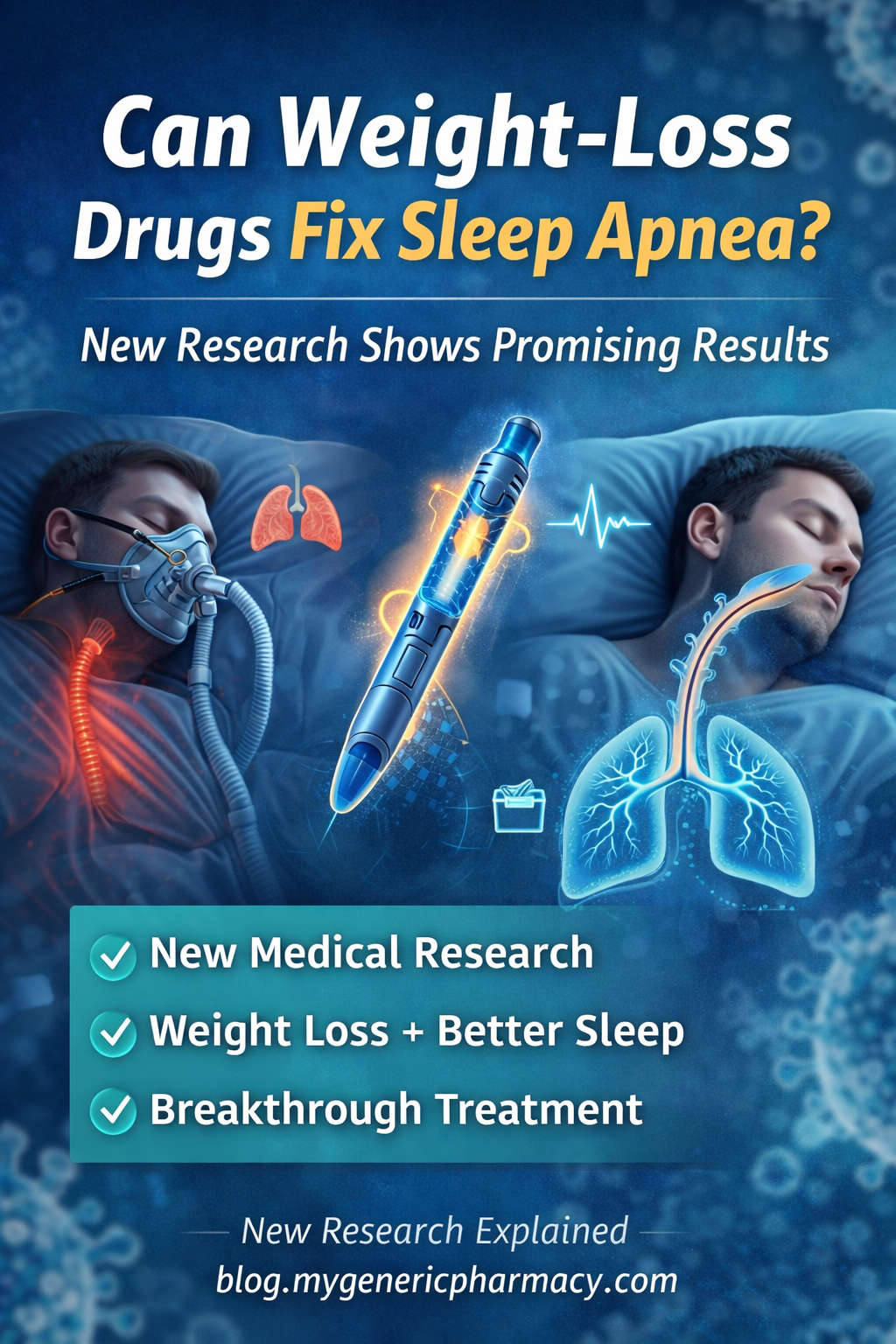
For the millions of Americans who dread the nightly ritual of strapping on a CPAP machine, the question is tantalizing: Is there a cure? For decades, Obstructive Sleep Apnea (OSA) has been managed, not solved. But a seismic shift is underway in the sleep medicine world, driven by the very same medications revolutionizing weight loss: tirzepatide (Mounjaro and Zepbound).

While a true “cure” is a strong word, new research published in 2026 suggests these drugs are doing far more than just helping patients breathe easier at night—they are fundamentally altering the cardiometabolic drivers of the disease.

The 2026 Evidence: More Than Just Weight Loss

We already know that the FDA approved Zepbound for moderate-to-severe OSA in adults with obesity at the end of 2024, based on the impressive SURMOUNT-OSA trials. Those trials showed that patients experienced a significant drop in their Apnea-Hypopnea Index (AHI)—some achieving disease remission.

But new data published in January 2026 in Nature Medicine digs deeper. The latest analysis from the SURMOUNT-OSA program reveals that tirzepatide’s benefits extend deep into the body’s metabolic core.

Researchers reported that tirzepatide treatment led to broad improvements in cardiometabolic risk factors compared to placebo. This included:

  • Reduced Inflammation: A significant drop in high-sensitivity C-reactive protein (hsCRP), a key marker of systemic inflammation.
  • Improved Blood Pressure: Systolic blood pressure was reduced by an estimated treatment difference of -7.9 mmHg in one study group.
  • Better Insulin Sensitivity: Markers like HOMA-IR (insulin resistance) improved dramatically.

Perhaps most importantly, the mediation analysis published in Nature Medicine suggests that these benefits are not solely due to weight loss. Improvements in the actual sleep-disordered breathing metrics (like AHI and hypoxic burden) independently contributed to reductions in inflammation and triglyceride levels. This implies that treating the apnea itself has a direct, positive effect on heart health, separate from the benefits of losing weight.

Real-World Data: Fewer CPAP Machines

It’s one thing to see results in a controlled clinical trial; it’s another to see them in real life. A large study published in late 2025 in JAMA Network Open analyzed the medical records of over 93,000 people with obesity, type 2 diabetes, and sleep apnea.

The real-world findings were striking:

  • Patients taking GLP-1 drugs (like tirzepatide) were 8% less likely to need a CPAP machine after nearly a year of follow-up.
  • They were also 32% less likely to die from any cause and 10% less likely to be hospitalized.

Dr. Gary Wohlberg, director of Northwell Health’s South Shore University Hospital Sleep Lab, noted that this study supports what clinicians are seeing: these drugs help patients in multiple ways, potentially including direct effects on the airway itself.

The “Cure” Question: What Experts Are Saying

So, can we use the word “cure”? The medical community is cautiously optimistic but precise with language.

An editorial published in Annals of Medicine & Surgery in late 2025 posed the question directly: “Metabolic miracle or misguided shift?” The authors argue that while tirzepatide represents a major shift from symptom-based management (CPAP) toward a weight-centered, disease-modifying strategy, it may not be a standalone cure for everyone.

Here is the reality check:

  1. Anatomy Matters: OSA is caused by the physical collapse of the airway. Weight loss reduces the fatty tissue crowding the airway, which is highly effective. However, for patients with severe anatomical issues (like large tonsils or specific jaw structures), weight loss alone might not fully resolve the obstruction.
  2. Maintenance is Key: Like all obesity medications, tirzepatide requires ongoing use. Studies show that if patients stop the medication, they are likely to regain weight, and OSA severity is likely to return.
  3. A Complementary Tool: Most experts agree that tirzepatide is best viewed as a powerful tool to potentially reduce dependence on CPAP or to make CPAP more effective by lowering the pressure requirements.

As one Nature Medicine paper concluded, treating both the sleep-disordered breathing and the obesity is likely required to optimize the treatment effect for patients.

What This Means for You

If you have been struggling with CPAP compliance, these developments offer genuine hope. Here is what the new research means for your treatment journey:

  • Potential for “Remission”: The clinical trials showed that a significant portion of patients on the highest doses achieved “disease resolution” or mild, non-symptomatic OSA after one year. For these individuals, the condition is effectively in remission.
  • Heart Health Boost: Even if you still need the mask, treating with tirzepatide could lower your blood pressure and inflammation, reducing your overall cardiovascular risk.
  • The Best of Both Worlds: Researchers are now exploring combinations. For example, using sultiame (a drug that improves upper airway muscle tone) alongside tirzepatide could eventually target both the structural and metabolic causes of apnea simultaneously.

The Bottom Line

While “cure” remains a strong word in medicine, 2026 research confirms that tirzepatide (Mounjaro/Zepbound) is the closest thing we have to a disease-modifying therapy for obesity-related sleep apnea. It doesn’t just mask the problem—it tackles the root causes of weight and metabolic dysfunction.

If you are living with sleep apnea and obesity, these findings are a reason to talk to your doctor. The era of relying solely on a machine may finally be giving way to a future where a once-weekly injection helps you breathe more easily.

A popular obesity drug may help treat a dangerous disorder in which people struggle to breathe while they sleep, a new study finds.

Tirzepatide, the medication in the weight-loss drug Zepbound and also the diabetes treatment Mounjaro, appeared to reduce the severity of sleep apnea along with reducing weight and improving blood pressure and other health measures in patients with obesity who took the drug for a year.


Disclaimer: This blog post is for informational purposes only and does not constitute medical advice. Always consult with a qualified healthcare professional for diagnosis and treatment options.


References:

https://www.healthday.com/health-news/sleep-disorder/glp-1-drugs-might-help-quell-sleep-apnea
https://www.nature.com/articles/s41591-025-04071-1
https://pubmed.ncbi.nlm.nih.gov/41540105/
https://www.drugs.com/medical-answers/how-zepbound-help-treat-sleep-apnea-3578786/
https://www.webmd.com/sleep-disorders/sleep-apnea/zepbound-obstructive-sleep-apnea
https://www.goodrx.com/zepbound/sleep-apnea-relief?srsltid=AfmBOooYShf_NhxwU8F2kSZ7qXiwm7ymWOexac2Ey8fGKIKR-WWCe_bc

Medications that have been suggested by doctors worldwide are available on the link below
https://mygenericpharmacy.com/category/disease/diabetes

Breakthrough: New Antibody-Drug Conjugate Strategy Could Block HIV Infection

Breakthrough: New Antibody-Drug Conjugate Strategy Could Block HIV Infection

Antibody-Drug Conjugate Strategy to Block HIV Infection
Scientists develop a new antibody-drug conjugate strategy that targets infected cells and may help block HIV infection, offering hope for more effective HIV treatment.

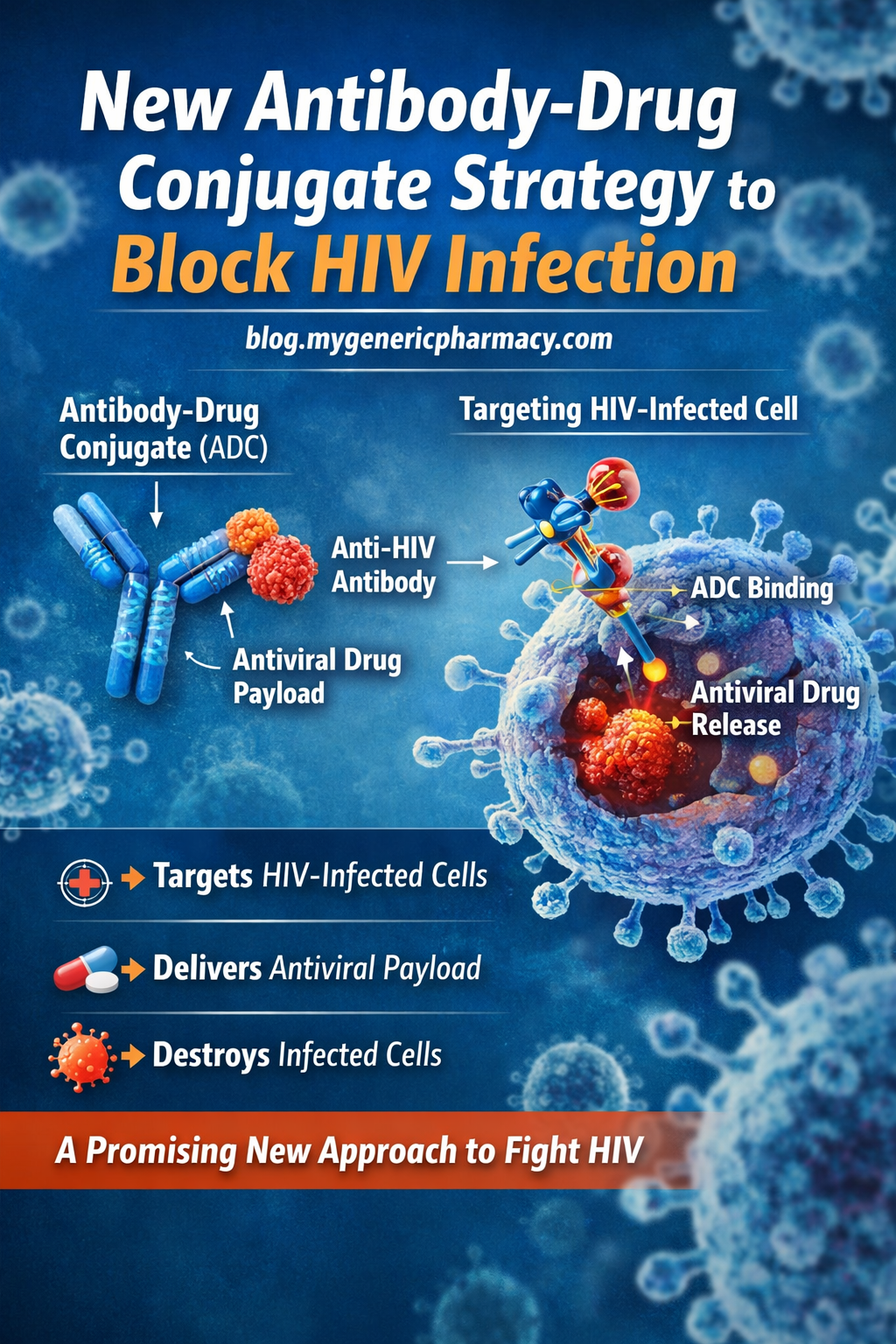
Scientists are developing an innovative treatment approach called antibody-drug conjugates (ADCs) that may help block and prevent infection from Human Immunodeficiency Virus more effectively than traditional therapies.


🔬 What Is the New Strategy?

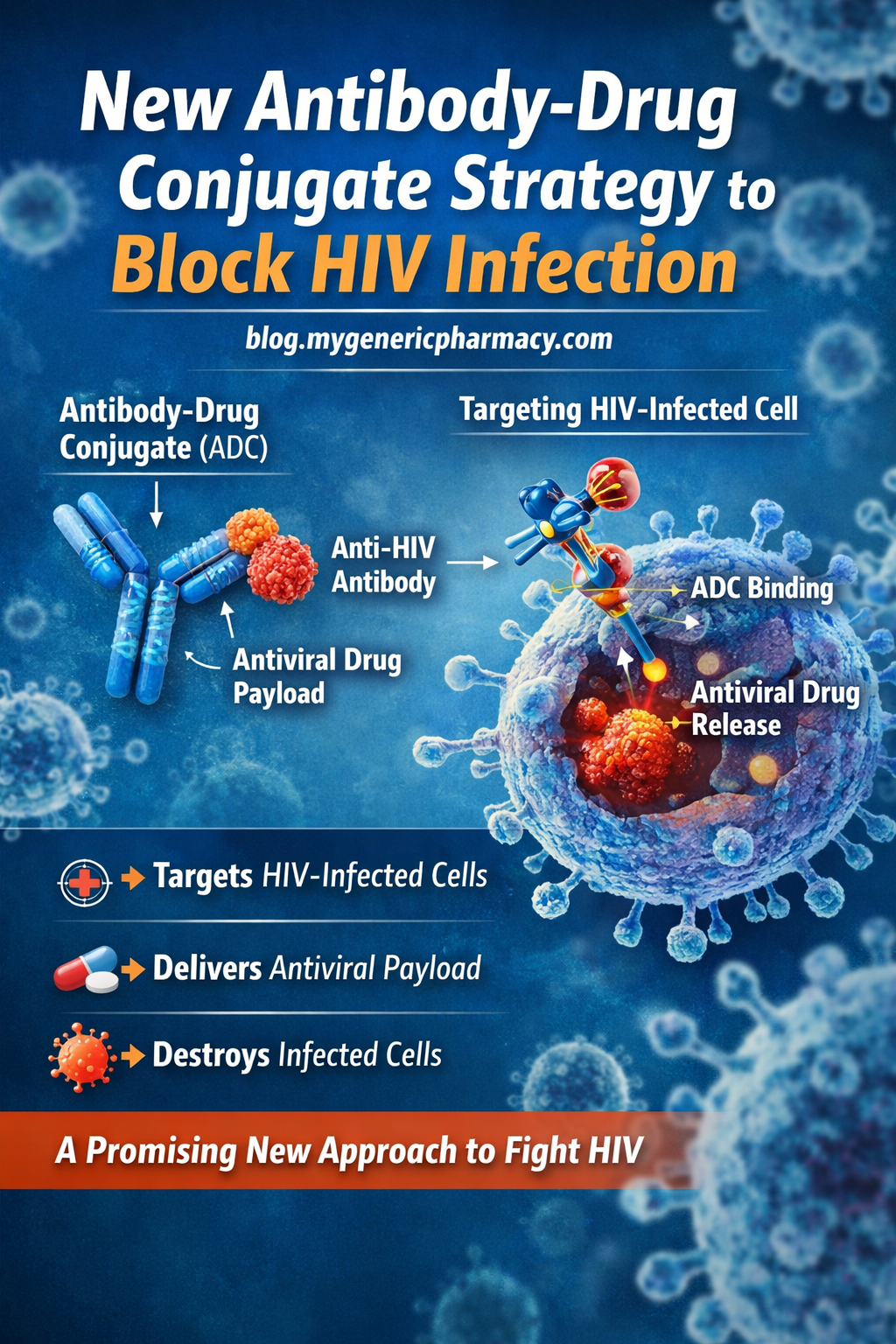
Researchers combine a powerful antibody with a targeted antiviral drug to create a single molecule called an antibody-drug conjugate (ADC).

This ADC works like a guided missile:

  1. Antibody component – recognizes and binds specifically to HIV-infected cells.
  2. Drug component – delivers a toxic or antiviral payload directly into those infected cells.
  3. Targeted killing – destroys the infected cells without harming healthy ones.

🧪 How It May Block HIV Infection

The new strategy aims to stop HIV in multiple ways:

  • Targeting infected cells early before the virus spreads.
  • Blocking viral entry into immune cells.
  • Delivering antiviral drugs directly to the virus reservoir.
  • Reducing viral replication more efficiently.

This targeted method could help overcome one of the biggest challenges of HIV treatmenthidden viral reservoirs that allow the virus to persist in the body.


💡 Why This Approach Is Important

Current treatments like antiretroviral therapy (ART) control HIV but do not completely eliminate the virus. ADC-based therapies could:

✔ Improve precision treatment
✔ Reduce drug toxicity
✔ Target latent HIV reservoirs
✔ Potentially move closer to a functional cure


🧬 Potential Benefits

  • Highly targeted therapy
  • May reduce the number of medications needed
  • Could help prevent viral rebound
  • May work alongside existing HIV therapies

⚠️ Current Status

The ADC strategy is still in early research and experimental stages, but early studies show promising results. Clinical trials will be required before it becomes a standard treatment.


📌 Bottom Line

This antibody-drug conjugate approach represents a promising new direction in the fight against Human Immunodeficiency Virus, potentially helping scientists develop treatments that not only control the virus but may eventually block or eliminate infection.

Reference:

https://pmc.ncbi.nlm.nih.gov/articles/PMC8282362/
https://www.sciencedirect.com/science/article/pii/S2405844023032346
https://pmc.ncbi.nlm.nih.gov/articles/PMC12792407/
https://www.nature.com/articles/s41698-025-01159-2

Medications that have been suggested by doctors worldwide are available on the link below
https://mygenericpharmacy.com/category/hiv

Tetanus Prevention: Simple Steps That Can Save Your Life

Tetanus Prevention: Simple Steps That Can Save Your Life

Tetanus Prevention: How to Protect Yourself from Infection
Learn how to prevent tetanus infection through vaccination, proper wound care, and timely medical attention. Simple steps can protect you from this serious disease.

Introduction: A Preventable Tragedy

Tetanus, often called “lockjaw,” is a serious bacterial infection that affects the nervous system, causing painful muscle stiffness and spasms. Despite being entirely preventable through vaccination, tetanus still claims thousands of lives globally each year, primarily in regions with limited access to healthcare. The bacteria that cause tetanus are everywhere—in soil, dust, and manure—making awareness and prevention essential for everyone.

The good news is that tetanus prevention is straightforward, accessible, and highly effective. This guide covers everything you need to know about protecting yourself and your loved ones from this potentially fatal but entirely preventable disease.

What Is Tetanus?

Tetanus is caused by Clostridium tetani, a bacterium that produces a potent neurotoxin called tetanospasmin. These bacteria are anaerobic, meaning they thrive in environments without oxygen. They exist as spores that can survive for years in soil and enter the body through breaks in the skin.

Once inside a wound with low oxygen (like a deep puncture), the spores germinate and release toxin. The toxin travels through nerve pathways to the spinal cord and brain, blocking nerve signals that tell muscles to relax. This results in uncontrollable muscle stiffness and spasms.

Key Facts About Tetanus

  • Not contagious: You cannot catch tetanus from an infected person
  • Environmental reservoir: Spores are ubiquitous in soil, especially those contaminated with animal manure
  • Incubation period: Typically 3-21 days, though cit an range from 1 day to several months
  • Mortality rate: 10-20% even with modern treatment; higher in unvaccinated individuals

Why Tetanus Prevention Matters

Before the tetanus vaccine was developed in the 1920s, the disease caused an estimated 50,000 deaths annually in the United States alone. Globally, neonatal tetanus (infection through an unhealed umbilical stump) was a leading cause of infant mortality.

While rare in developed countries today due to widespread vaccination, tetanus hasn’t disappeared. The CDC still reports about 30 cases annually in the US, nearly all in unvaccinated or under-vaccinated individuals. Worldwide, an estimated 25,000 newborns died from neonatal tetanus in 2018—a dramatic reduction, but still far too many preventable deaths

The Tetanus Vaccine: Your Best Protection

Types of Tetanus Vaccines

Tetanus vaccines are always combined with other vaccines:

VaccineProtects AgainstTypical Use
DTaPDiphtheria, Tetanus, PertussisChildren under 7
TdapTetanus, Diphtheria, PertussisAdolescents and adults (booster)
TdTetanus, DiphtheriaRoutine booster every 10 years

The “d” in Tdap and Td indicates a lower dose of diphtheria vaccine, which is appropriate for older children and adults .

Recommended Vaccination Schedule

Children:

  • 5 doses of DTaP at ages:
    • 2 months
    • 4 months
    • 6 months
    • 15-18 months
    • 4-6 years

Adolescents and Adults:

  • Tdap booster at age 11-12
  • Td booster every 10 years thereafter
  • One dose of Tdap during each pregnancy (preferably at 27-36 weeks) to protect the newborn from pertussis

How Well Does the Vaccine Work?

The tetanus vaccine is highly effective. Nearly 100% of people who complete the primary series develop protective antibodies. However, immunity wanes over time, which is why booster doses every 10 years are essential.

Wound Care: Your Second Line of Defense

Even if you’re vaccinated, proper wound care is crucial. Deep, dirty wounds may require a booster dose if your last shot was more than 5 years ago.

Wound Assessment and Care

Clean, Minor Wounds:

  • Wash thoroughly with soap and water
  • Apply antibiotic ointment
  • Cover with ca lean bandage
  • Monitor for signs of infection

High-Risk Wounds:

  • Deep puncture wounds (nails, needles, animal bites)
  • Wounds contaminated with dirt, feces, soil, or saliva
  • Crush injuries
  • Burns
  • Frostbite
  • Wounds with dead tissue

Tetanus Booster Guidelines After Injury

Vaccination HistoryClean, Minor WoundAll Other Wounds
Unknown or <3 dosesTdap or Td recommendedTdap or Td recommended + TIG*
3+ doses, last within 5 yearsNone neededNone needed
3+ doses, last 5-10 yearsNone neededTdap or Td recommended
3+ doses, last >10 yearsTdap or Td recommendedTdap or Td recommended

*TIG = Tetanus Immune Globulin (provides immediate, short-term protection)

Recognizing Tetanus Symptoms

Early recognition can save lives. Symptoms typically appear 3-21 days after infection and progress over days.

Common Symptoms

  • Trismus (lockjaw): Stiffness of jaw muscles, difficulty opening the mouth
  • Muscle stiffness: Neck, shoulder, and back muscles become rigid
  • Opisthotonos: Severe arching of the back due to muscle spasms
  • Risus sardonicus: Fixed, grinning expression from facial muscle spasms
  • Difficulty swallowing
  • Irritability and restlessness

Late Symptoms

  • Severe, painful muscle spasms triggered by minor stimuli (noise, light, touch)
  • Spasms can be strong enough to fracture bones
  • Autonomic instability: Rapid heart rate, high blood pressure, sweating
  • Respiratory failure from diaphragm spasm

If you suspect tetanus, seek emergency medical care immediately. This is a life-threatening condition requiring hospital treatment.

Treatment: What Happens If You Get Tetanus

There is no cure for tetanus once symptoms develop. Treatment focuses on:

  1. Wound debridement: Removing dead tissue and cleaning the wound
  2. Antibiotics: Metronidazole to kill bacteria
  3. Tetanus immune globulin (TIG): Neutralizes unbound toxin
  4. Muscle relaxants: Diazepam or other sedatives for spasms
  5. Respiratory support: Mechanical ventilation if needed
  6. Supportive care: In a dark, quiet room to avoid triggering spasms

Recovery can take weeks to months. Even with intensive care, 10-20% of cases are fatal.

Special Populations and Considerations

Pregnancy

Pregnant women should receive Tdap during each pregnancy, ideally at 27-36 weeks. This protects both mother and passes antibodies to the newborn, protecting against pertussis and tetanus in early infancy .

International Travelers

Tetanus is more common in developing countries with limited healthcare access. Before traveling:

  • Ensure your tetanus vaccination is up to date
  • Carry a personal first aid kit
  • Seek prompt care for any wound, especially in remote areas

Older Adults

Many older adults have waning immunity. If you’re over 65 and unsure of your vaccination status, get a Tdap booster. Medicare Part D covers tetanus vaccines.

Common Myths and Misconceptions

❌ Myth: You can get tetanus from a rusty nail.
✅ Fact: Rust itself doesn’t cause tetanus. Rusty nails often carry dirt and soil containing tetanus spores, and the puncture wound creates an oxygen-free environment ideal for bacterial growth. Clean nails can also transmit tetanus if contaminated.

❌ Myth: One tetanus shot lasts a lifetime.
✅ Fact: Immunity wanes over time. Boosters every 10 years are essential.

❌ Myth: Tetanus is eradicated in developed countries.
✅ Fact: Cases still occur in unvaccinated individuals. The bacteria remain in soil everywhere.

❌ Myth: You don’t need a booster for minor cuts.
✅ Fact: Even small wounds can transmit tetanus. If your vaccination status is uncertain or outdated, seek medical advice.

Global Elimination Efforts

The World Health Organization has targeted maternal and neonatal tetanus elimination as a public health priority. As of 2024, 13 countries have yet to eliminate the disease, down from 59 in 200. Progress continues through:

  • Vaccination campaigns for women of reproductive age
  • Clean delivery practices
  • Surveillance and rapid response

Elimination is defined as less than one case per 1000 live births at the district level .

Conclusion: Simple Steps, Life-Saving Protection

Tetanus prevention is straightforward but requires attention. The key takeaways:

  1. Get vaccinated: Complete the primary series and boosters every 10 years
  2. Practice proper wound care: Clean all wounds thoroughly
  3. Know when to seek help: Deep, dirty wounds may require boosters
  4. Stay informed: If unsure of vaccination status, check with your doctor
  5. Spread awareness: Share this information with family and friends

The tetanus vaccine is safe, effective, and widely available. A simple shot every decade—plus prompt care for wounds—can protect you from a disease that has caused unimaginable suffering throughout human history. Don’t leave your protection to chance. Check your vaccination status today.


References:

  1. Centers for Disease Control and Prevention. Tetanus: Causes and Transmission.
  2. World Health Organization. Tetanus Fact Sheet.
  3. Mayo Clinic. Tetanus – Symptoms and causes.
  4. CDC Vaccine Information Statements. Tdap/Td.
  5. Immunization Action Coalition. Tetanus: Questions and Answers.
  6. WHO. Maternal and Neonatal Tetanus Elimination.

Disclaimer: This article is for educational purposes only. Consult your healthcare provider for personalized vaccination recommendations and wound care advice.

Hope for Depression: Psychedelics May Unlock the Brain’s Healing Power

Hope for Depression: Psychedelics May Unlock the Brain’s Healing Power

Psychedelics and Depression: Can They Rewire the Brain?
New research suggests psychedelics may help rewire the brain, offering promising new possibilities for treating depression and improving mental health outcomes.

Introduction: A New Frontier in Mental Health
For the millions of people living with depression—including the estimated 300 million globally—the search for effective treatment can feel endless. Standard antidepressants like SSRIs help many, but a significant subset of patients do not respond despite repeated treatment attempts. This condition, known as treatment-resistant depression (TRD), affects up to 30% of those diagnosed and leaves individuals struggling with persistent symptoms and cognitive impairments that standard therapies often fail to address.

However, a growing body of research is reigniting hope. Psychedelic compounds—particularly psilocybin, the active ingredient in “magic mushrooms”—are showing remarkable promise in clinical trials. By fundamentally altering brain function and promoting neuroplasticity, these substances may unlock the brain’s innate ability to heal itself, offering a radically different approach to treating depression.

Understanding the Mechanism: How Psychedelics Reshape the Brain

Scrambling the Default Mode Network

To understand how psychedelics work, we must look at the brain’s default mode network (DMN). The DMN is a collection of brain regions that synchronize when the mind is at rest—daydreaming, remembering, or ruminating. In people with depression, this network becomes hyperconnected and rigid, trapping individuals in negative thought patterns and self-critical rumination.

Recent neuroimaging studies reveal that psilocybin profoundly disrupts the DMN. According to a 2024 study published in Nature, psilocybin causes the DMN to desynchronize, temporarily “wiping out” an individual’s distinctive brain network patterns. As one researcher described it, “The brains of people on psilocybin look more similar to each other than to their untripping selves. Their individuality is temporarily wiped out”.

While the most dramatic effects wear off as the drug leaves the system, small but meaningful changes persist for weeks, making the brain more flexible and potentially more able to adopt healthier states.

Promoting Neuroplasticity

Beyond network disruption, psilocybin appears to promote neuroplasticity—the brain’s ability to form new neural connections. Preclinical research has demonstrated that psilocybin can stimulate the growth of dendritic spines in the frontal cortex, a region critical for mood regulation and cognitive function.

This neuroplastic effect suggests that psilocybin doesn’t just temporarily mask symptoms but may actually help rewire the brain toward healthier functioning. A 2026 narrative review concluded that convergent animal and human mechanistic findings support neuroplasticity as a biologically plausible contributor to sustained clinical improvement.

Restoring Emotional Balance

Another key mechanism involves emotional processing. People with depression often exhibit a “negative affective bias”—they are more likely to interpret neutral or ambiguous stimuli negatively. A 2025 randomized trial compared psilocybin therapy with the conventional antidepressant escitalopram and found that both treatments reduced negative bias in facial expression recognition. This suggests that even a short dosing regimen with psilocybin can shift emotional processing toward a more positive outlook.

The Clinical Evidence: What the Trials Show

Rapid and Sustained Symptom Reduction

Multiple clinical trials have demonstrated that psilocybin can produce rapid and durable antidepressant effects. A comprehensive umbrella review of meta-analyses published in late 2025 reported that psilocybin demonstrated large effect sizes in major depression (Hedges’ g ≈ 1.05), with some evidence of sustained benefits up to six months.

In a pilot trial of patients with treatment-resistant depression, participants receiving two 25 mg doses of psilocybin alongside psychological support showed a clinically meaningful reduction in depressive symptoms at three weeks, with effects maintained at 20-week follow-up. Notably, the effect size was substantial (Hedges’ g = -1.27), indicating a powerful therapeutic impact.

Improving Cognition

Treatment-resistant depression often involves cognitive impairments that standard antidepressants fail to address. A 2025 study from the University Health Network in Toronto explored whether psilocybin could improve both mood and cognition in 26 TRD patients. Results indicated that psilocybin improved cognition modestly over time—as early as one day post-treatment—and these improvements occurred independently of changes in depressive symptoms.

While the researchers caution that only a minority of patients exhibited clinically meaningful cognitive changes, the findings represent an “invaluable first step” in identifying a treatment that could revolutionize care for TRD.

Individual Variability in Response

It’s important to note that not everyone responds the same way. A 2025 Australian pilot trial revealed diverse response patterns among seven participants: two displayed sustained treatment response, three relapsed after initial improvement, and two exhibited no substantial improvement. Exploratory analyses identified mindset before dosing, spiritual experiences during sessions, and perceptual shifts as predictors of better outcomes, while treatment expectations alone were not reliable predictors.

The Safety Profile

Across multiple studies, psilocybin has demonstrated a favorable safety profile when administered in controlled clinical settings with appropriate psychological support. A 2025 living systematic review of 30 randomized controlled trials found that psychedelics were not associated with ha igher risk of all-cause discontinuation compared to controls, suggesting good tolerability.

Common adverse effects are generally mild and transient, including temporary increases in blood pressure, nausea, and anxiety during the drug experience. Serious adverse events are rare, and no consistent signal for serious harm has emerged across trials.

The Importance of Context: Set, Setting, and Support

A crucial insight from psychedelic research is that the drug alone is not enough. The effects vary dramatically depending on “set and setting” —the individual’s mindset, the physical environment, and the quality of therapeutic support.

In a supportive environment, psilocybin promotes openness, cognitive flexibility, and a renewed sense of connectedness to self, others, and the world. These experiences may create a “fertile yet vulnerable window for change” that, when combined with therapeutic guidance, enables lasting transformation.

However, in a hostile or unsupportive environment, increased context receptivity could promote anxiety and adverse events. This underscores why psychedelic therapy—not just psychedelic drugs—is the appropriate model for clinical use.

The Regulatory Landscape

Breakthrough Therapy Designations

The FDA has recognized the potential of psychedelic therapies. In 2018, psilocybin received Breakthrough Therapy designation for treatment-resistant depression, and in 2024, this designation was extended to CYB003, a deuterated psilocybin analog developed by Cybin for major depressive disorder.

Breakthrough Therapy designation is reserved for therapies that show substantial improvement over existing treatments for serious conditions. It accelerates development and review processes, potentially bringing effective treatments to patients faster.

Recent Setbacks and Strategic Shifts

The field faced a major regulatory setback in 2024 when the FDA declined to approve MDMA-assisted therapy for PTSD, citing concerns about study design, data integrity, and the need for additional research. This decision has prompted a strategic shift, with some companies pivoting toward positioning psychedelics as standalone drug therapies rather than adjuncts to psychotherapy, focusing on measurable pharmacological outcomes rather than therapy-facilitated transformation.

Ongoing Research Needs

Despite promising results, experts emphasize the need for larger, high-quality studies to establish long-term safety, durability of effects, and optimal clinical contexts. Methodological challenges include the difficulty of maintaining participant blinding given the unmistakable psychoactive effects of psychedelics, which can introduce bias.

Future Directions

The future of psychedelic therapy is bright but requires careful navigation. Key priorities include:

  • Larger controlled trials with diverse populations
  • Long-term safety monitoring
  • Identification of predictors of response to personalize treatment
  • Optimization of dosing regimens
  • Integration with psychotherapeutic support in clinically feasible models

As the UC Berkeley Center for the Science of Psychedelics estimates, over 5 million Americans could benefit from psilocybin-assisted therapy if approved by the FDA. With nearly 20% of Medicaid beneficiaries living with clinical depression, the unmet need for accessible, effective treatment options is staggering. 

Conclusion: A Paradigm Shift in Mental Health Care

Psychedelic therapy represents a potential paradigm shift in how we treat depression. Rather than daily pills that manage symptoms, this approach offers the possibility of transformative change through limited dosing sessions combined with psychological support.

The evidence base is growing rapidly. From neuroimaging studies revealing how psychedelics “reset” rigid brain networks to clinical trials demonstrating rapid and sustained symptom reduction, the science is converging on a compelling conclusion: psychedelics may indeed unlock the brain’s healing power.

While regulatory and methodological challenges remain, the trajectory is clear. Psychedelic-assisted therapy is moving from the fringes to the forefront of psychiatric research, offering genuine hope for the millions who have not found relief with existing treatments.

As one researcher noted, “even though the results of our study should be interpreted cautiously, this is an invaluable first step in identifying and introducing a new treatment that could revolutionize care for TRD”. With continued rigorous research, that revolution may be closer than we think.


References:

https://www.nih.gov/news-events/nih-research-matters/how-psychedelic-drugs-may-help-depression
https://www.medicalnewstoday.com/articles/psychedelics-may-rewire-memory-circuits-key-to-mental-health
https://www.hopkinsmedicine.org/psychiatry/research/psychedelics-research
https://www.sciencedirect.com/science/article/abs/pii/S0165178124001719

Medications that have been suggested by doctors worldwide are available on the link below
https://mygenericpharmacy.com/category/disease/mental-health


Disclaimer: This article is for educational purposes only. Psychedelic therapy remains an experimental treatment not approved by regulatory agencies for routine clinical use. Individuals experiencing depression should consult qualified healthcare providers about evidence-based treatment options.