Healthy Eyes, Better Life: Simple Eye Care Tips That Work
Eye Care Tips: Protect Your Vision & Keep Eyes Healthy
Discover essential eye care tips to protect your vision, reduce digital eye strain, and maintain healthy eyes with simple daily habits and proper care.
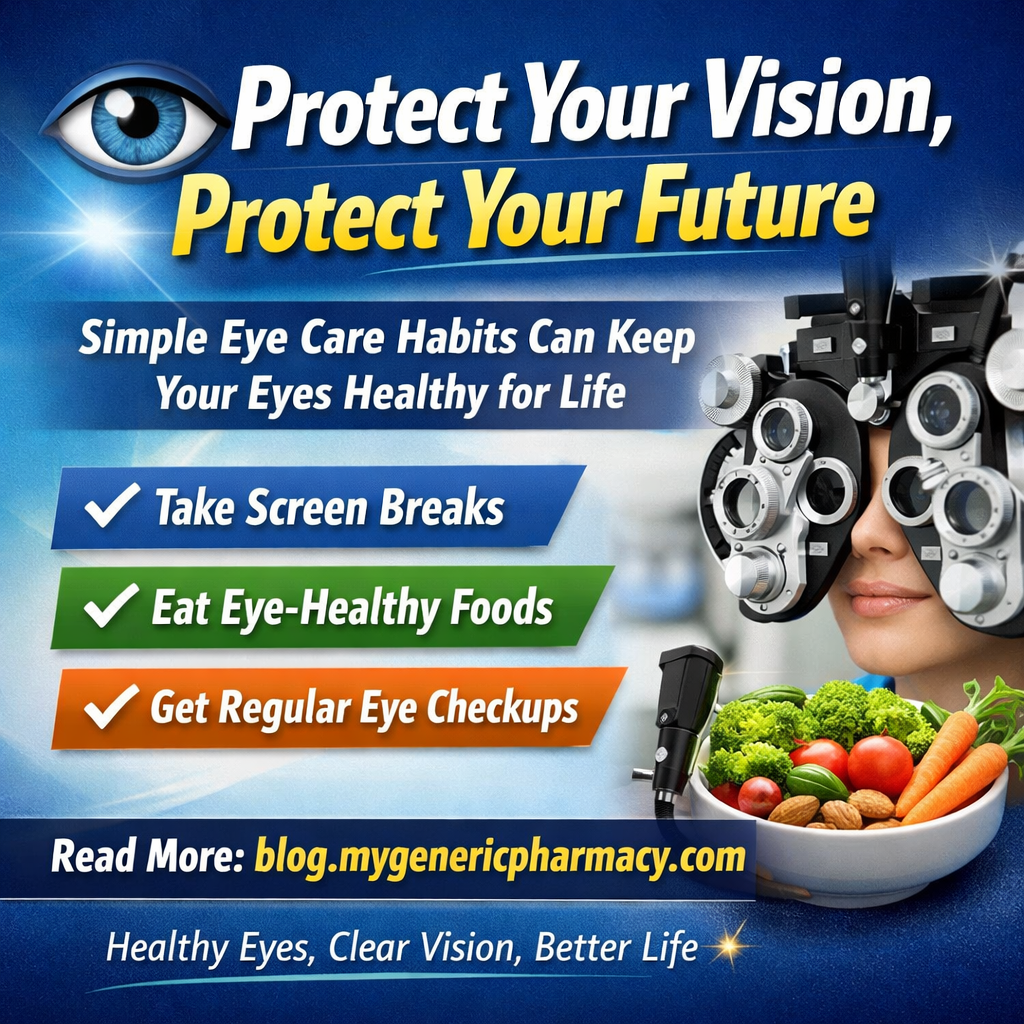
Your eyes are among your most precious assets—they allow you to work, connect with loved ones, experience beauty, and navigate the world safely. Yet in our screen-dominated age, eye health is often neglected until problems arise. The good news? Maintaining healthy vision doesn’t require complicated routines. Simple, consistent habits can protect your eyes for decades to come.
This guide covers practical, evidence-based eye care tips that actually work—from nutrition and screen habits to professional care and safety measures.
The 20-20-20 Rule: Combat Digital Eye Strain
With many of us spending 7+ hours daily staring at screens, digital eye strain has become epidemic. Symptoms include dry eyes, headaches, blurred vision, and neck pain .
The 20-20-20 rule is your best defense:
Every 20 minutes, look at something 20 feet away for at least 20 seconds. This simple habit relaxes focusing muscles and reduces fatigue .
Additional screen tips:
- Position screens 20-30 inches from eyes
- Keep screen top at or slightly below eye level
- Reduce glare with anti-glare filters or proper lighting
- Blink consciously—we blink 66% less when staring at screens
- Use artificial tears if eyes feel dry
- Consider blue light filters (though evidence for blue light glasses is mixed)
Protect Your Eyes from UV Damage
Just as UV rays damage skin, they harm eyes—increasing risks of cataracts, macular degeneration, and growths on the eye surface .
Smart sun protection:
- Choose sunglasses blocking 99-100% of UVA and UVB rays
- Look for “UV400” or “100% UV protection” labels
- Larger lenses and wraparound styles offer better coverage
- Wear a wide-brimmed hat for additional protection
- Don’t forget cloudy days—UV penetrates clouds
Children need UV protection too; cumulative damage starts early .
Quit Smoking for Eye Health
Smoking dramatically increases risk of:
- Cataracts: 2-3 times higher risk
- Age-related macular degeneration: 2-4 times higher risk
- Dry eye syndrome
- Diabetic retinopathy progression
- Optic nerve damage
The good news? Quitting reduces these risks, even later in life .
Sleep and Eye Health
During sleep, eyes are refreshed, lubricated, and cleared of irritants. Chronic sleep deprivation contributes to:
- Dry eyes
- Eye twitching (myokymia)
- Dark circles and puffiness
- Blurry vision
- Increased risk of glaucoma (through elevated eye pressure)
Aim for 7-9 hours of quality sleep nightly. If you wake with dry, irritated eyes, consider a humidifier or preservative-free artificial tears at bedtime .
Proper Contact Lens Care
Contact lens misuse causes thousands of eye infections yearly, some sight-threatening.
Essential rules:
- Wash hands before touching lenses
- Clean lenses with fresh solution each time—never top off old solution
- Replace case every 3 months
- Never sleep in lenses not approved for overnight wear
- Don’t shower or swim while wearing lenses
- Replace lenses as scheduled (daily, bi-weekly, monthly)
- Give eyes a break with glasses when possible
Red flags: Remove lenses immediately and see a doctor if you experience pain, redness, sensitivity to light, or blurred vision .
Workplace Eye Safety
For Desk Jobs
- Position screen to reduce glare
- Use proper lighting (not too bright, not too dim)
- Adjust font sizes to comfortable reading level
- Blink frequently
- Use lubricating drops if needed
For Physical Jobs
- Wear appropriate safety glasses, goggles, or face shields
- 2,000 U.S. workers experience job-related eye injuries daily
- 90% are preventable with proper protection
- Know emergency eyewash station locations
Regular Eye Exams: Non-Negotiable
Many eye diseases (glaucoma, diabetic retinopathy, macular degeneration) have no early symptoms. Regular exams catch problems before irreversible damage occurs.
Recommended Schedule
- Children: Before age 3, then before school
- Adults 20-39: Every 5-10 years (more often if symptoms or risk factors)
- Adults 40-64: Every 2-4 years
- Adults 65+: Every 1-2 years
More frequent exams needed if:
- Diabetes
- Family history of eye disease
- Personal history of eye injury or surgery
- Contact lens wear
- Certain medications (hydroxychloroquine, tamoxifen, steroids)
Know Your Family History
Many eye conditions run in families:
- Glaucoma
- Macular degeneration
- Retinal detachments
- Strabismus (crossed eyes)
- Amblyopia (lazy eye)
- Certain tumors (retinoblastoma)
Share family history with your eye doctor—it guides screening frequency and preventive strategies .
Eye Health by Age
Children
- Amblyopia (lazy eye): Treatable only until age 7-10
- Strabismus: Crossed or misaligned eyes
- Refractive errors: Nearsightedness increasingly common
- First comprehensive exam around age 3
Adults 20-40
- Establish baseline eye health
- Address digital eye strain
- Protect eyes during sports
- Start UV protection habits
Adults 40-60
- Presbyopia sets in (need for reading glasses)
- Glaucoma and cataract screening intensifies
- Monitor for early AMD signs
- Manage chronic conditions (diabetes, hypertension)
Seniors (60+)
- Annual comprehensive exams essential
- Cataracts, AMD, glaucoma become more common
- Low vision services if needed
- Home safety assessments to prevent falls
Simple Daily Habits for Healthier Eyes
- Wash hands before touching eyes
- Remove makeup thoroughly before sleep
- Replace eye makeup every 3-6 months (bacteria grow in old products)
- Don’t share eye drops, makeup, or towels
- Stay hydrated—adequate water intake supports tear production
- Exercise regularly—improves blood flow to eyes
- Manage blood pressure, cholesterol, blood sugar—all affect eye health
When to See a Doctor Immediately
Seek emergency care for:
- Sudden vision loss or change
- Flashes of light or new floaters (could signal retinal detachment)
- Eye pain, redness, or sensitivity to light
- Double vision
- Bulging eye
- Eye injury or chemical exposure
- Pupil irregularity
Conclusion: Small Steps, Big Impact
Healthy eyes don’t require expensive treatments or complicated regimens. Simple, consistent habits—screen breaks, UV protection, proper nutrition, regular exams—make all the difference.
Your eye health checklist:
- Follow the 20-20-20 rule for screen breaks
- Eat eye-healthy foods rich in vitamins and antioxidants
- Wear UV-protective sunglasses outdoors
- Don’t smoke—or quit if you do
- Get regular eye exams based on age and risk
- Protect eyes during work and sports
- Know your family history
- Remove contacts properly and maintain hygiene
- Sleep well to refresh tired eyes
- See a doctor immediately for concerning symptoms
Your eyes work tirelessly for you every waking moment. Return the favor with consistent, mindful care—they’ll serve you well for life.
References:
- American Academy of Ophthalmology. Eye Health Tips.
- American Optometric Association. Guide to Eye Health.
- National Eye Institute. Keep Your Eyes Healthy.
- Centers for Disease Control and Prevention. Vision Health Initiative.
- World Health Organization. World Report on Vision.
Medications that have been suggested by doctors worldwide are available on the link below
https://mygenericpharmacy.com/category/products/disease/glaucoma
Disclaimer: This article is for educational purposes only. Regular eye exams with an eye care professional are essential for maintaining optimal vision and detecting problems early.