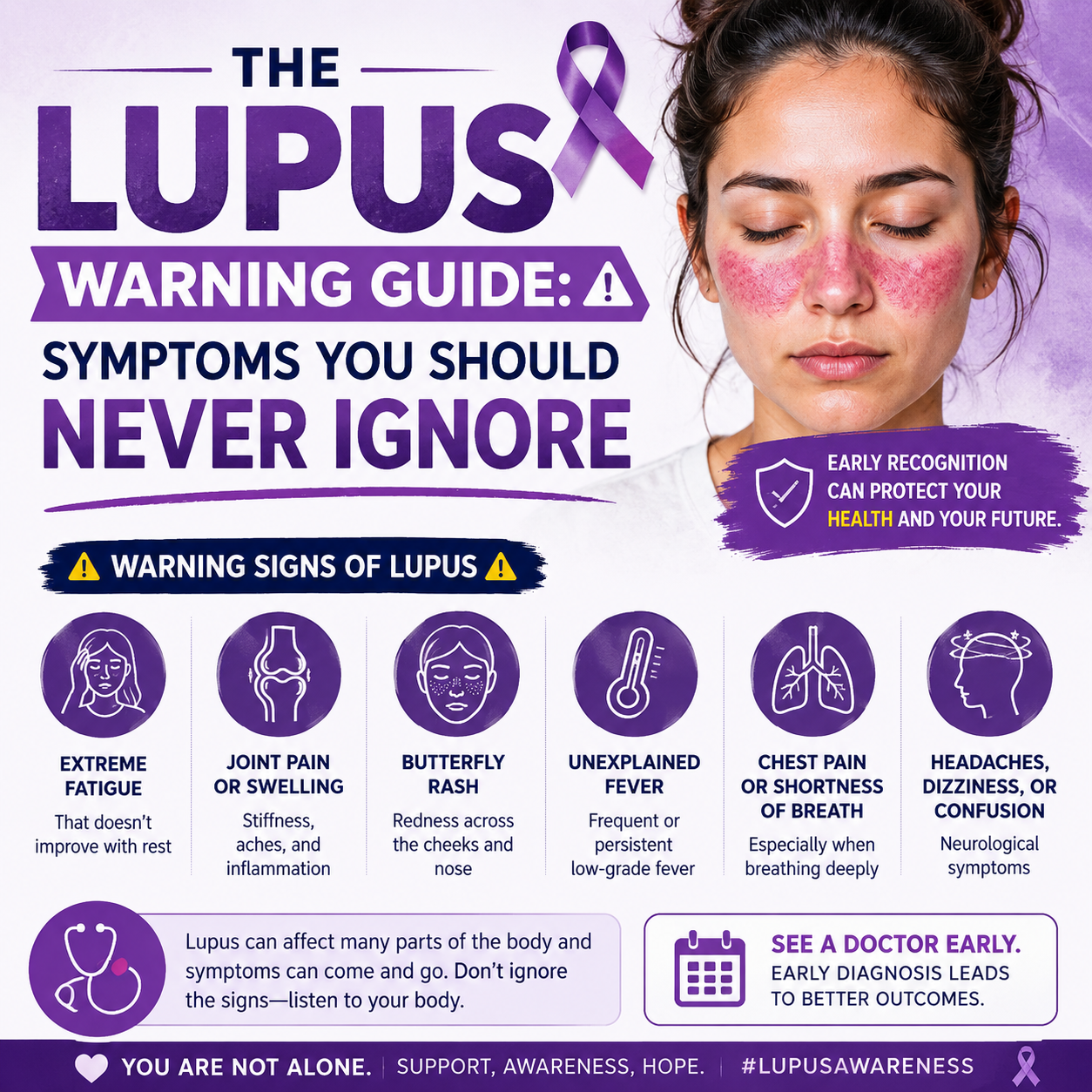
The Lupus Warning Guide: Symptoms You Should Never Ignore
Lupus affects everyone differently. However, certain signs and symptoms are common in many individuals. According to the Centers for Disease Control and Prevention (CDC), a sign is a medical finding that a doctor observes during a physical exam. In contrast, a symptom is something a person feels, such as joint stiffness or a headache.
In addition, several autoimmune diseases share similar features. Therefore, lupus symptoms may sometimes resemble those of other conditions. Moreover, some health problems, such as fibromyalgia, commonly occur in people with lupus. However, these conditions are not directly caused by lupus disease activity. Instead, they are known as “comorbidities,” meaning conditions that occur alongside another disease.
Fever
The average human body temperature is about 98.5°F. However, many people naturally run slightly above or below this level. In general, a temperature of 101°F is considered a fever.
According to the Mayo Clinic, many people with lupus experience recurring low-grade fevers. In some cases, these fevers may signal inflammation, infection, or an approaching lupus flare. Therefore, persistent or high fever should always be reported to a doctor.
Joint Stiffness
Many lupus patients experience joint stiffness, especially in the morning. In some cases, warm showers may provide temporary relief. However, if stiffness interferes with daily activities, a medical evaluation is important.
Similar symptoms can also occur in rheumatoid arthritis and other inflammatory joint conditions. According to the National Institute of Arthritis and Musculoskeletal and Skin Diseases (NIAMS), joint pain may occur with or without true arthritis.
If fevers last several days or recur frequently, record your temperature twice daily. A fever of 101°F or higher requires medical attention. Patients taking steroids or immunosuppressive drugs should be especially alert for infection, as outlined by the U.S. National Library of Medicine.
Weight Changes
Increased lupus activity or medication side effects may cause weight loss or appetite changes. The Lupus Foundation of America recommends reporting unexplained weight changes to your doctor to rule out complications.
Conversely, corticosteroids can lead to weight gain. Maintaining a balanced diet and physical activity is important. Chronic inflammation may also raise the risk of heart disease, making weight management especially important for people with lupus.
Fatigue and Malaise
Nearly 90% of people with lupus experience fatigue at some point. According to Mayo Clinic, fatigue may also be related to treatable conditions such as anemia, thyroid disease, or fibromyalgia. Persistent fatigue should be discussed with a healthcare provider.
Sjogren’s Syndrome
Up to 10% of people with lupus may develop Sjögren’s syndrome, an autoimmune disorder affecting tear and saliva production. Regular treatment helps prevent discomfort and long-term complications.
Depression
Depression and anxiety affect nearly one-third of people with lupus. The National Institute of Mental Health (NIMH) notes that chronic illness and steroid medications can both contribute to clinical depression, which is treatable with appropriate care.
Gastrointestinal Problems
Heartburn and GERD are common in lupus, often related to medications. The American College of Gastroenterology recommends a medical evaluation if reflux symptoms persist beyond two weeks.
Thyroid Problems
Autoimmune thyroid disease frequently co-occurs with lupus. According to the American Thyroid Association, both hypo- and hyperthyroidism can significantly affect metabolism and organ function.
Osteoporosis
People with lupus are at increased risk of bone loss due to inflammation and steroid use. Learn more about osteoporosis causes, symptoms, and prevention to better understand how to protect long-term bone health. The National Osteoporosis Foundation states that appropriate treatment can significantly reduce fracture risk.
References:
- Lupus Foundation of America
- Comprehensive resource on lupus signs, early symptoms, and when to seek care.
- Centers for Disease Control and Prevention (CDC)
- Official US government statistics, risk factors, and diagnostic information.
- National Institute of Arthritis and Musculoskeletal and Skin Diseases (NIAMS)
- Part of the National Institutes of Health (NIH); provides research-based information on symptoms, diagnosis, and treatment.
- Mayo Clinic
- Evidence-based clinical overview of lupus symptoms, risk factors, and complications.
- Cleveland Clinic
- Patient-friendly yet medically accurate guide to lupus symptoms and treatment.
- World Health Organization (WHO)
- Global perspective on autoimmune disease burden and management.
Medications that have been suggested by doctors worldwide are available on the link below
https://mygenericpharmacy.com/category/products/arthritis