Unlock Your Fertility: Causes, Myths, and Proven Solutions
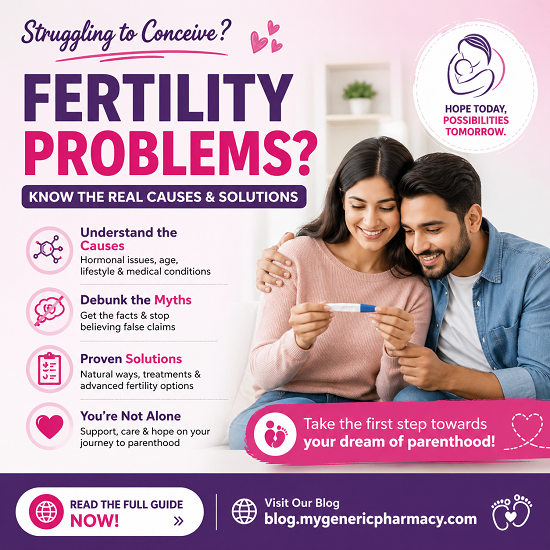
Fertility is important for both men and women. However, many people face problems when trying to have a baby. These problems may happen because of hormone issues, health conditions, age, or unhealthy habits. In fact, infertility affects millions of couples around the world. Although this situation can feel stressful, many causes can be treated. Therefore, learning the facts may help improve the chances of pregnancy.
What Is Fertility?
It means the natural ability to become pregnant and have a child. Usually, pregnancy happens when a healthy sperm joins with a healthy egg. However, some health problems may affect this process. In addition, women over 35 may need testing after six months of trying.
Common Causes of Fertility in Women
In many cases, hormone problems or reproductive disorders can make conception more difficult. Some common causes include:
Polycystic Ovary Syndrome (PCOS)
PCOS is one of the most common causes of infertility in women. As a result, becoming pregnant may become more difficult.
Endometriosis
Consequently, this condition may cause pain, swelling, and reproductive health problems.
Blocked Fallopian Tubes
Blocked or damaged fallopian tubes may stop the egg and sperm from meeting.
Common Causes of Male Fertility
Male reproductive health plays an important role in pregnancy. In many cases, infertility in men is linked to problems with sperm health or lifestyle habits. Some common causes include:
- Low sperm count
- Poor sperm movement
- Abnormal sperm shape
- Hormonal imbalance
- Varicocele, which is a swelling of the veins in the scrotum
- Smoking, alcohol use, or drug use
Signs You May Have Problems
It does not always show clear symptoms. However, some warning signs may indicate reproductive health problems. Therefore, it is important to pay attention to changes in the body. In addition, some people may not notice any symptoms until they try to have a baby.
Common Myths
Myth 1: Stress Alone Causes Infertility
Although stress may affect hormone balance, it is usually not the sole cause of infertility.
Myth 2: IVF Always Guarantees Pregnancy
While in vitro fertilization (IVF) may improve pregnancy chances, success rates vary depending on age and health factors.
Simple Daily Habits That May Support
Furthermore, reducing junk food and sugary drinks may help maintain a healthy weight. Couples should also try to stay active with light exercise, walking, or yoga. In many cases, avoiding smoking and limiting alcohol may improve sperm and egg health.
Early treatment may improve the chances of a healthy pregnancy. Therefore, healthy habits and proper medical care may make a big difference over time.
Proven Ways to Improve Naturally
Eat a Balanced Diet
A healthy diet rich in vitamins, antioxidants, protein, healthy fats, fruits, and whole grains may help improve reproductive health. In addition, drinking enough water is also important for overall wellness.
Avoid Smoking and Alcohol
Smoking may damage eggs and sperm, while heavy alcohol use may reduce the chances of conception in both men and women. Therefore, avoiding these habits may improve reproductive wellness.
When Should You See a Fertility Specialist?
You should consider a medical evaluation if:
- Under 35 and have tried to conceive for one year
- Over 35 and have tried for six months
- Irregular periods or known reproductive conditions
- You have experienced repeated pregnancy loss
- You have known sperm-related issues
Conclusion
The problems are common in both men and women. However, infertility does not always mean you cannot have a baby. Many people can improve their chances of pregnancy with healthy daily habits. For example, eating healthy foods, exercising often, sleeping well, and reducing stress may support reproductive health. In addition, avoiding smoking and alcohol may also help improve the chances of conception.