Common Respiratory Diseases and How to Prevent Them
Breathing is essential for life. Every breath brings oxygen into the body and removes carbon dioxide. As a result, the body’s organs can work properly. In fact, this process is necessary for good health and daily activities. However, breathing problems can affect respiratory diseases and airways. Consequently, breathing may become more difficult. As a result, millions of people around the world experience lung-related health problems each year. Therefore, protecting lung health is important for overall well-being.
Fortunately, many lung diseases can be prevented or controlled. For example, healthy habits can help protect the lungs. These habits include avoiding smoking, staying active, and eating healthy foods. In addition, regular checkups can help find problems early. Therefore, it is important to learn about these conditions. As a result, people can make better choices and take good care of their lungs.
What Are Respiratory Diseases?
Breathing problems affect the parts of the body that help you breathe. These include the lungs and airways. Some illnesses are short-term and get better quickly. However, others can last for a long time. As a result, people may need regular treatment and care. In addition, some of these diseases can make daily activities more difficult. Therefore, it is important to find and treat these conditions early.
In addition, breathing problems can be mild or serious. Some are short-term infections that get better quickly. However, others can last for a long time and need ongoing care. Some diseases mainly affect breathing. In contrast, others can damage the lungs or lead to other health problems.
Common Respiratory Diseases
1. Asthma: Respiratory Diseases
Asthma is a long-term lung disease. It affects the way a person breathes. The air passages in the lungs become swollen and narrow. As a result, less air can move through the lungs. This can make breathing harder.
- Wheezing
- Coughing
- Chest tightness
- Trouble breathing
In addition, smoke, dust, pollen, and cold air can make symptoms worse. For example, they may cause coughing, wheezing, or trouble breathing. Therefore, people with asthma should follow their treatment plan. In addition, regular medical checkups can help keep symptoms under control.
2. Chronic Obstructive Pulmonary Disease (COPD)
COPD is a serious lung disease. It gets worse over time. It includes chronic bronchitis and emphysema. Most often, COPD is caused by smoking. However, long-term exposure to air pollution can also increase the risk.
- A persistent cough
- Excess mucus
- Shortness of breath
- Frequent chest infections
Therefore, it is important to find COPD early. In addition, starting treatment as soon as possible can help. As a result, symptoms may be easier to control. Furthermore, people may be able to stay active for longer and protect their lung function.
3. Pneumonia: Respiratory Diseases
Pneumonia is an infection in the lungs. It can be caused by bacteria, viruses, or fungi. As a result, fluid may collect in the lungs. This makes breathing more difficult.
Common symptoms include:
- Fever
- Chills
- Cough
- Chest pain
- Trouble breathing
In addition, some people have a higher risk of health problems. For example, this includes older adults, young children, and people with weak immune systems. Therefore, it is important to seek medical care if signs become severe.
4. Bronchitis: Respiratory Diseases
Bronchitis affects the airways in the lungs. These airways become swollen and irritated. As a result, people may cough and have trouble breathing. In addition, mucus can build up in the airways.
Symptoms may include:
- A long-lasting cough
- Mucus
- Tiredness
- Mild fever
- Chest discomfort
Bronchitis can be short-term or long-term. Therefore, it is important to seek medical advice if the signs do not go away. Early care may help prevent further problems.
5. Sleep Apnea: Respiratory Diseases
Sleep apnea is a sleep disorder that affects breathing. It causes breathing to stop and start many times during sleep. As a result, the body may not get enough oxygen during the night.
Common symptoms include:
- Loud snoring
- Daytime tiredness
- Morning headaches
- Trouble concentrating
In addition, some people may wake up feeling tired even after a full night’s sleep. Therefore, it is important to recognize the signs early. If left untreated, sleep apnea can increase the risk of heart disease and other health problems.
Common Causes of Respiratory Diseases
Many factors can increase the risk of lung diseases or breathing problems. Some are related to lifestyle, while others come from the environment. For example, smoking, air pollution, infections, and allergens can all affect lung health.
Smoking: Respiratory Diseases
Smoking harms the lungs and airways. As a result, it is one of the leading causes of respiratory disease around the world. In addition, secondhand smoke can also damage lung health.
Air Pollution
Polluted air contains harmful particles and chemicals. Over time, these substances can irritate the lungs. As a result, breathing problems may become worse.
Infections
Viruses, bacteria, and fungi can cause infections in the respiratory system. For example, pneumonia and some types of bronchitis may develop after an infection. Therefore, good hygiene is important for reducing risk.
Allergens
Dust, mold, pollen, and pet dander can trigger respiratory signs. In particular, they can make asthma and allergies worse. As a result, some people may experience coughing, wheezing, or breathing difficulties.
Occupational Exposure
Some jobs expose workers to dust, chemicals, or fumes. Over time, this exposure can increase the risk of lung disease. Therefore, using proper protective equipment is important. In addition, workplace safety measures can help protect respiratory health.
Why Healthy Lungs Matter
Healthy lungs help the body get the oxygen it needs. As a result, the heart, brain, and other organs can work properly. In addition, good lung health can make daily activities easier. For example, people with healthy lungs may find it easier to walk, exercise, and stay active. Therefore, taking care of the lungs is important for overall health.
Simple Ways to Protect Your Lungs
There are many ways to protect your lungs. For example, avoiding smoking can lower the risk of lung disease. In addition, regular exercise can help keep the lungs strong. Eating healthy foods may also support the immune system. As a result, the body may be better able to fight infections. Therefore, small healthy choices can make a big difference over time.
The Importance of Early Care
It is important to pay attention to breathing problems. For example, a long-lasting cough should not be ignored. In addition, wheezing or trouble breathing may be a sign of a lung condition. Therefore, it is a good idea to seek medical advice if symptoms continue. As a result, treatment can begin early and may be more effective.
Good breathing is important for everyday life. It helps the body get the oxygen it needs. As a result, the body’s organs can work properly. However, breathing problems can make daily tasks more difficult. For example, walking, climbing stairs, or exercising may become harder. Therefore, it is important to protect your lungs. In addition, healthy habits can lower the risk of many lung diseases. As a result, people may stay active, feel better, and enjoy a higher quality of life.
How to Prevent Respiratory Diseases
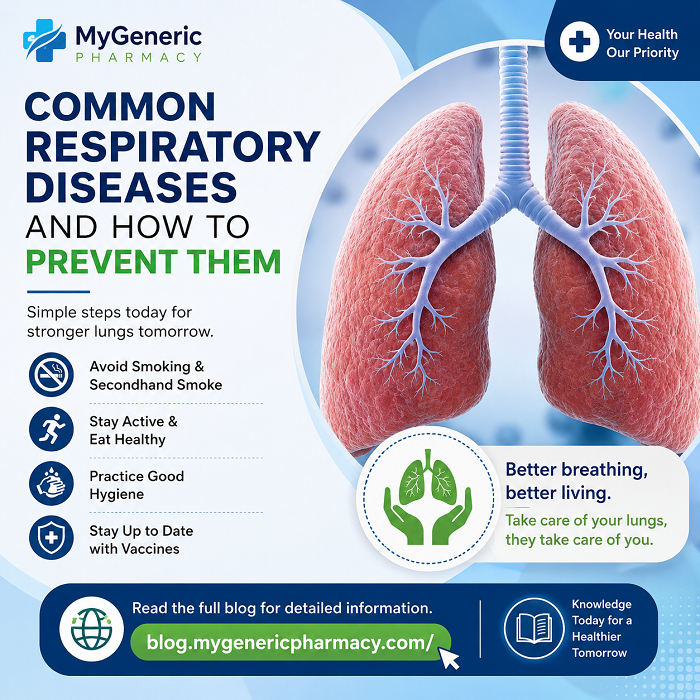
Although not all lung diseases or breathing problems can be prevented, healthy habits can lower the risk. For example, avoiding smoking, staying active, and eating healthy foods can help protect the lungs.
Avoid Smoking
Quitting smoking is one of the best ways to protect your lungs. In addition, avoiding secondhand smoke can improve lung health.
Stay Physically Active
Regular exercise helps keep the lungs strong. Furthermore, it can make breathing easier and support overall health.
Eat a Healthy Diet
Healthy foods help the body fight illness. For example, fruits and vegetables provide vitamins and antioxidants. As a result, the immune system can work more effectively.
Practice Good Hygiene
Washing your hands often helps stop the spread of germs. As a result, the risk of lung infections may decrease.
Keep Vaccinations Up to Date
Vaccines can help prevent certain infections. Therefore, it is important to follow the recommended vaccination schedule.
Improve Indoor Air Quality
Clean air indoors supports healthy breathing. For instance, using air filters and reducing dust can help. In addition, good ventilation can improve air quality.
Wear Protective Equipment
People who work around dust, smoke, or chemicals should wear protective masks. Consequently, they may breathe in fewer harmful particles. As a result, the risk of lung problems may be lower.
When to See a Doctor
Some respiratory symptoms should not be ignored. Therefore, it is important to seek medical advice if you notice any of the following signs:
- A persistent cough
- Frequent wheezing
- Shortness of breath
- Chest pain
- Coughing up blood
- Repeated lung infections
In addition, symptoms that continue for a long time may be a sign of an underlying health problem. Therefore, early medical care is important. As a result, doctors may be able to identify the cause sooner and start treatment quickly. This can help improve health outcomes and reduce the risk of complications.
Conclusion
Respiratory diseases affect millions of people around the world. However, many of these conditions can be prevented or controlled. For example, healthy habits and proper medical care can help protect the lungs. Common lung diseases or breathing problems include asthma, COPD, pneumonia, bronchitis, and sleep apnea. Therefore, it is important to learn about their causes, symptoms, and ways to prevent them.
Healthy lungs help people stay active and feel their best. In addition, good lung health can make everyday life easier. By avoiding smoking, staying active, and eating healthy foods, you can lower your risk of respiratory disease. Furthermore, seeking medical care when needed can help prevent serious problems. As a result, you can take important steps toward better respiratory health. Everyone can take steps to protect their lungs.