Browsed by
Month: April 2026

Diabetic Neuropathy & Vascular Damage: What You Need to Know to Stay Safe

Diabetic Neuropathy & Vascular Damage: What You Need to Know to Stay Safe

Diabetes is more than just high blood sugar—it can quietly damage your body over time. Among the most serious complications are nerve damage (diabetic neuropathy) and blood vessel damage (vascular disease). If left unmanaged, these conditions can lead to pain, poor circulation, and even life-threatening complications.

In this guide, you’ll learn how diabetes affects your nerves and blood vessels—and most importantly, how to protect yourself.


What Is Diabetic Neuropathy?

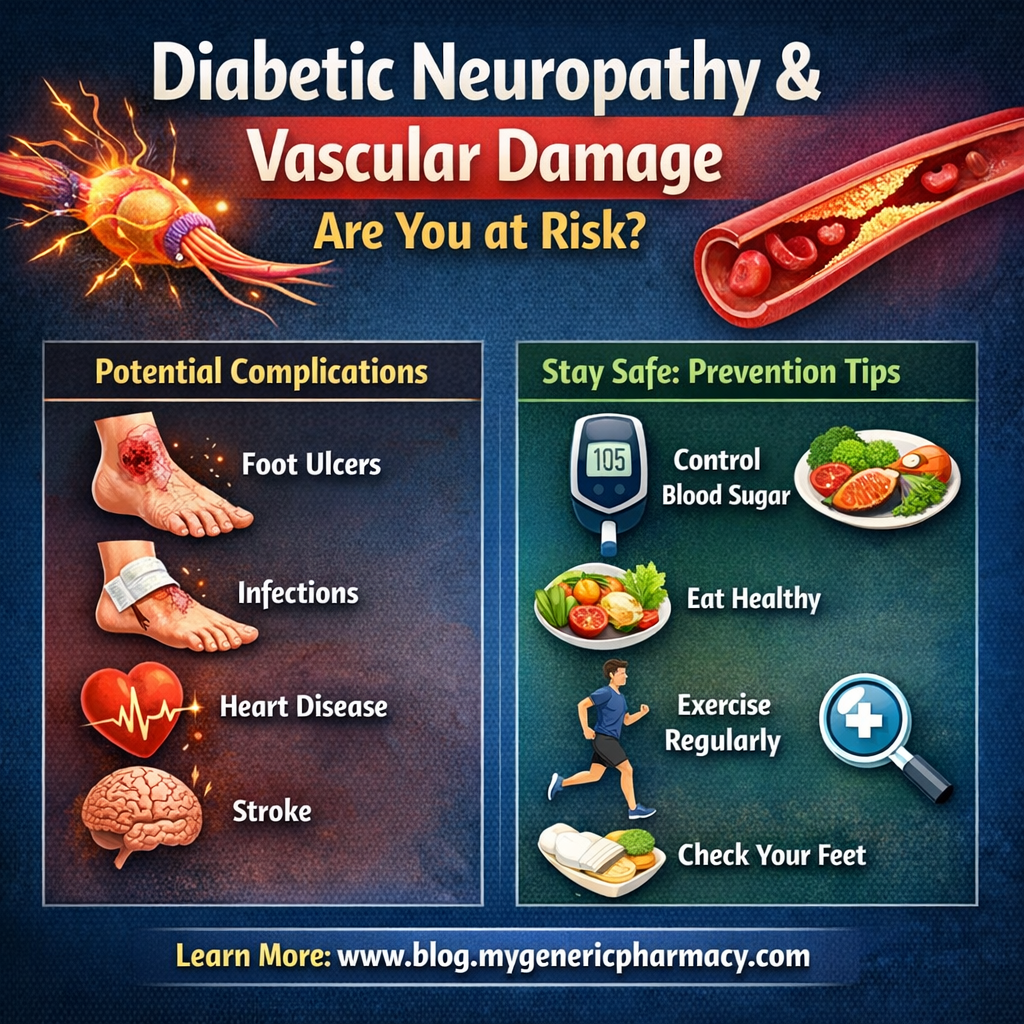
Diabetic neuropathy is a type of nerve damage caused by prolonged high blood sugar levels. Over time, excess glucose harms the nerves, especially in the legs and feet.
Common Symptoms

  • Tingling or burning sensation
  • Numbness in hands or feet
  • Sharp or stabbing pain
  • Muscle weakness
  • Loss of balance

These symptoms often start gradually and can worsen if blood sugar remains uncontrolled.


Understanding Vascular Damage in Diabetes

Diabetes also affects your blood vessels, reducing their ability to carry oxygen and nutrients efficiently. This leads to poor circulation, especially in the lower limbs.

Signs of Poor Circulation

  • Cold feet or hands
  • Slow-healing wounds
  • Leg cramps while walking
  • Skin discoloration
  • Increased risk of infections

When blood flow is restricted, even small cuts can turn into serious infections.


How Diabetes Causes Nerve & Blood Vessel Damage

Several mechanisms contribute to these complications:

  • High blood sugar (hyperglycemia) damages nerve fibers
  • Inflammation weakens blood vessel walls
  • Oxidative stress accelerates tissue damage
  • Reduced blood flow deprives nerves of oxygen

Over time, this creates a cycle of worsening nerve and vascular health.


Why These Complications Are Dangerous

Ignoring diabetic neuropathy and vascular damage can lead to:

  • Foot ulcers
  • Infections and gangrene
  • Amputations
  • Heart disease
  • Stroke

Early detection and management are critical to preventing these outcomes.


Prevention Tips: How to Stay Protected

The good news? You can significantly reduce your risk with the right steps.

1. Keep Blood Sugar Under Control

Maintaining stable glucose levels is the most effective way to prevent damage.

2. Follow a Healthy Diet

Focus on:

  • Whole grains
  • Lean proteins
  • Healthy fats
  • Low-sugar foods

Avoid processed foods and sugary drinks.

3. Stay Physically Active

Regular exercise improves blood circulation and nerve health. Even a 30-minute walk daily can make a difference.

4. Take Care of Your Feet

  • Check your feet daily for cuts or blisters
  • Wear comfortable footwear
  • Keep feet clean and moisturized

5. Quit Smoking

Smoking worsens blood flow and accelerates vascular damage.

6. Regular Medical Checkups

Routine screenings help detect problems early and prevent complications.


Treatment Options

If you already have symptoms, treatment focuses on managing pain and slowing progression.

  • Medications for nerve pain
  • Blood sugar management drugs
  • Lifestyle changes
  • Physical therapy

Consult your doctor for a personalized treatment plan.


When Should You See a Doctor?

Seek medical attention if you notice:

  • Persistent numbness or pain
  • Non-healing wounds
  • Sudden changes in sensation
  • Signs of infection

Early intervention can prevent serious complications.


Final Thoughts

Diabetic neuropathy and vascular damage may develop silently, but their impact can be severe. The key to staying safe is awareness, early action, and consistent diabetes management.

By controlling your blood sugar, maintaining a healthy lifestyle, and monitoring your symptoms, you can protect your nerves and blood vessels—and live a healthier, complication-free life.

References:

https://www.mayoclinic.org/diseases-conditions/diabetic-neuropathy/symptoms-causes/syc-20371580
https://diabetes.org/about-diabetes/complications/neuropathy/steps-prevent-or-delay-nerve-damage
https://my.clevelandclinic.org/health/diseases/21621-diabetic-neuropathy
https://www.webmd.com/diabetes/diabetes-neuropathy

Medications that have been suggested by doctors worldwide are available on the link below
https://blog.mygenericpharmacy.com/index.php/category/diabetes/
https://mygenericpharmacy.com/category/disease/diabetes
Don’t Ignore This! Diabetes Could Be Damaging Your Body Right Now

Don’t Ignore This! Diabetes Could Be Damaging Your Body Right Now

Nerve and Blood Vessel Damage in Diabetes Explained

Diabetes doesn’t just affect your blood sugar levels—it silently damages your nerves and blood vessels over time. In fact, many people don’t notice these changes until serious complications develop.

Therefore, understanding how diabetes impacts your body is essential. Moreover, early action can prevent long-term damage and improve quality of life.


How Diabetes Affects Nerves and Blood Vessels

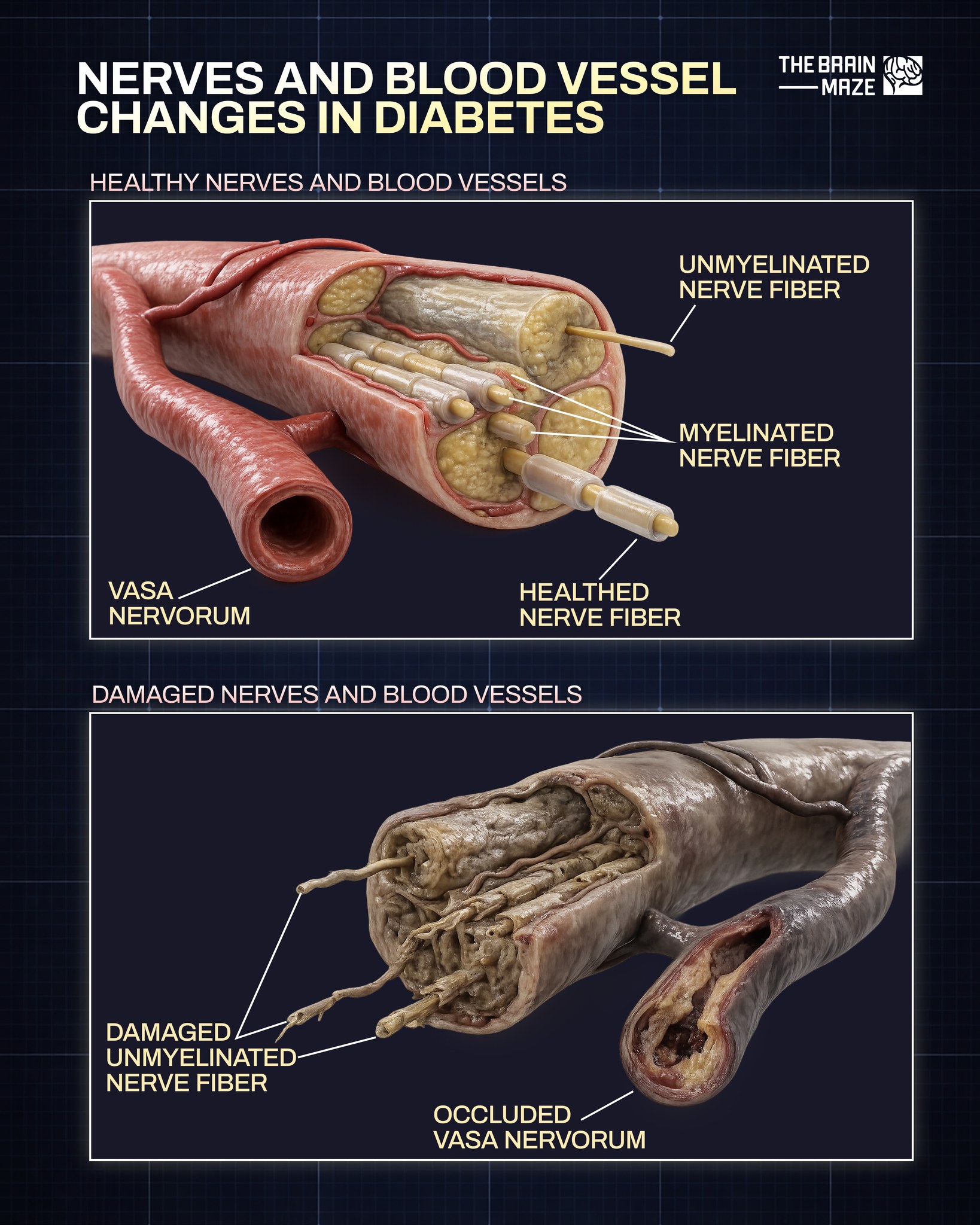
When blood sugar levels remain high for a long time, they start damaging the body internally. Specifically, nerves and blood vessels are among the most affected systems.

As a result, the communication between your brain and body becomes weaker. At the same time, blood circulation slows down, reducing oxygen and nutrient supply.


Nerve Damage in Diabetes (Diabetic Neuropathy)

Diabetic neuropathy occurs when high sugar levels damage nerves. Initially, symptoms may be mild. However, they can worsen over time if ignored.

Common Symptoms

  • Tingling or burning sensation
  • Numbness in hands or feet
  • Sharp or stabbing pain
  • Muscle weakness

In addition, some people may lose sensation completely. Consequently, injuries can go unnoticed.


Blood Vessel Damage in Diabetes

High blood sugar also damages blood vessels. As a result, they become narrow and less flexible. Therefore, blood flow decreases, which affects vital organs like the heart, kidneys, and eyes.

Major Risks Include:

  • Heart disease
  • Stroke
  • Kidney damage
  • Vision problems

Furthermore, poor circulation slows wound healing. Thus, even small cuts can become serious infections.


Why These Changes Are Dangerous

Nerve and blood vessel damage often occurs together. For example, reduced sensation combined with poor circulation increases the risk of complications. In severe cases, this may lead to foot ulcers or even amputation. Hence, early prevention is critical.


How to Protect Your Nerves and Blood Vessels

Fortunately, you can reduce the risk with simple lifestyle changes. Effective Prevention Tips

  • Keep blood sugar levels under control
  • Eat a balanced and healthy diet
  • Exercise regularly
  • Avoid smoking and alcohol
  • Check your feet daily
  • Visit your doctor regularly

Additionally, managing blood pressure and cholesterol is equally important. As a result, overall complications can be minimized. If you notice unusual symptoms, then don’t delay medical advice. For instance, persistent numbness or slow-healing wounds require attention.

Early diagnosis can prevent severe complications. Therefore, regular health checkups are essential.


Conclusion

Diabetes can silently damage nerves and blood vessels. However, with proper care and awareness, you can stay protected. In conclusion, small daily habits make a big difference. So, take control today to protect your future health.

References:

https://www.cdc.gov/diabetes/diabetes-complications/diabetes-and-nerve-damage.html
https://www.mayoclinic.org/diseases-conditions/diabetic-neuropathy/symptoms-causes/syc-20371580
https://medlineplus.gov/ency/article/000693.htm
https://pmc.ncbi.nlm.nih.gov/articles/PMC11527494/
https://www.kidney.org/kidney-topics/diabetes-and-your-eyes-heart-nerves-feet-and-kidneys

The Truth About Itchy Skin: Causes, Conditions, and Relief Tips

The Truth About Itchy Skin: Causes, Conditions, and Relief Tips

Itchy skin, also known medically as pruritus, is a common condition that can range from mild irritation to severe discomfort. While occasional itching is normal, persistent or intense itching may signal an underlying skin issue or health condition. Understanding the causes, identifying symptoms, and knowing how to manage itchy skin can help you find relief and protect your overall health.


Pruritus refers to the sensation that makes you want to scratch. It can occur with or without visible changes to the skin.

Itching may affect a small area or the entire body and can be temporary or chronic.


1. Skin Conditions

Many skin disorders can lead to itching, including:

These conditions often cause redness, dryness, and rashes.


2. Dry Skin

Dry skin is one of the most common causes of itching, especially in colder weather or with excessive washing.


3. Allergic Reactions

Exposure to allergens such as pollen, certain foods, or chemicals can trigger itching and rashes.


4. Infections

Fungal, bacterial, or viral infections may also cause itching. For example:


5. Internal Health Conditions

Sometimes, itching may be linked to underlying health issues such as:

  • Liver disease
  • Kidney problems
  • Thyroid disorders
  • Diabetes

In these cases, itching may occur without a visible rash.


Itchy skin may present with:

  • Redness or rash
  • Dry, cracked skin
  • Bumps or blisters
  • Flaky or scaly patches

If itching is severe or persistent, it may interfere with sleep and daily activities.


1. Moisturize Regularly

Use fragrance-free moisturizers to keep the skin hydrated and reduce dryness.

2. Avoid Irritants

Stay away from harsh soaps, detergents, and chemicals that can worsen itching.

3. Take Cool Showers

Hot water can strip natural oils from the skin, increasing dryness and irritation.

4. Use Medications (When Needed)

Doctors may recommend:

These treatments help reduce inflammation and allergic reactions.


5. Wear Soft, Breathable Fabrics

Cotton clothing can help prevent irritation and allow the skin to breathe.


Seek medical attention if you experience:

  • Severe or persistent itching
  • No improvement with home remedies
  • Signs of infection (swelling, pus, fever)
  • Itching without a visible cause

Early diagnosis can help prevent complications.


To reduce the risk of itching:

  • Keep your skin moisturized
  • Stay hydrated
  • Maintain good hygiene
  • Avoid known allergens
  • Use gentle skincare products

Simple daily habits can go a long way in protecting your skin.


Itchy skin may seem like a minor issue, but it can sometimes indicate underlying conditions such as Eczema or Psoriasis. By understanding the causes and taking the right steps for prevention and treatment, you can manage symptoms effectively and maintain healthy skin. If itching persists or worsens, don’t ignore it—consult a healthcare professional for proper diagnosis and care.


  1. American Academy of Dermatology – Itchy skin causes and treatment
  2. Mayo Clinic – Pruritus symptoms and care
  3. National Institutes of Health – Skin health and itching research
  4. World Health Organization – Skin conditions and public health
  5. Cleveland Clinic – Diagnosis and management of itchy skin

Diabetes and Metabolism: What You Need to Know for Better Health

Diabetes and Metabolism: What You Need to Know for Better Health

Diabetes is one of the most common chronic conditions worldwide, affecting millions of people across all age groups. But beyond blood sugar levels, diabetes is deeply connected to how your body processes energy—making it a key example of a metabolic disorder. In this guide, we’ll explore the link between diabetes and metabolism, how it affects your health, and what you can do to manage it effectively.


A metabolic disorder occurs when the body’s normal metabolic processes, such as converting food into energy, are disrupted. These conditions can affect how the body uses carbohydrates, fats, and proteins. One of the most well-known metabolic disorders is Diabetes.


Yes, Diabetes is classified as a metabolic disorder because it directly affects how the body processes glucose (sugar).

  • Food is broken down into glucose
  • The hormone insulin helps cells absorb glucose for energy
  • The body either doesn’t produce enough insulin or cannot use it effectively
  • This leads to high blood sugar levels

1. Type 1 Diabetes

An autoimmune condition where the body attacks insulin-producing cells.

2. Type 2 Diabetes

The most common type is often linked to lifestyle factors and insulin resistance.

3. Gestational Diabetes

Occurs during pregnancy and usually resolves after childbirth, but increases future risk.


Diabetes disrupts multiple metabolic processes:

1. Glucose Metabolism

The body struggles to regulate blood sugar, leading to hyperglycemia.

2. Fat Metabolism

Insulin resistance can increase fat storage and raise cholesterol levels.

3. Protein Metabolism

The body may break down muscle protein for energy when glucose cannot be used properly. These disruptions can lead to complications if not managed effectively.


Common symptoms of diabetes include:

  • Frequent urination
  • Excessive thirst
  • Fatigue
  • Blurred vision
  • Slow wound healing

Early detection is key to preventing complications.


If left unmanaged, diabetes can lead to serious health problems:

Organizations like the World Health Organization emphasize the importance of early diagnosis and management to reduce these risks.


1. Healthy Diet

  • Focus on whole foods
  • Reduce sugar and refined carbohydrates
  • Increase fiber intake

2. Regular Exercise

Physical activity improves insulin sensitivity and helps control blood sugar.

3. Weight Management

Maintaining a healthy weight reduces the risk of complications.

4. Medications

Doctors may prescribe medications such as:

These treatments help regulate blood sugar and support metabolic balance.


For type 2 diabetes, lifestyle plays a major role in prevention:

  • Eat a balanced diet
  • Stay physically active
  • Avoid smoking
  • Limit alcohol intake

Research from the National Institutes of Health shows that lifestyle changes can significantly reduce the risk of developing diabetes.


Advancements in technology and medicine are improving diabetes management:

  • Continuous glucose monitoring systems
  • Personalized treatment plans
  • New medications targeting metabolic pathways

These innovations aim to improve the quality of life and long-term outcomes.


Diabetes is more than just a blood sugar problem—it is a complex metabolic disorder that affects how your body uses energy. Understanding this connection is essential for effective management and prevention. With the right combination of lifestyle changes, medical treatment, and regular monitoring, individuals with Diabetes can lead healthy, active lives. Taking control of your metabolic health today can protect your future.


  1. World Health Organization – Diabetes overview and global statistics
  2. National Institutes of Health – Research on metabolism and diabetes
  3. Centers for Disease Control and Prevention – Diabetes management guidelines
  4. Mayo Clinic – Diabetes symptoms and treatment

Medications that have been suggested by doctors worldwide are available on the link below
https://mygenericpharmacy.com/category/disease/diabetes

New Evidence, Stronger Protection: Lower LDL for a Healthier Heart and Brain

New Evidence, Stronger Protection: Lower LDL for a Healthier Heart and Brain

Let’s explore what this means for your health and how you can take action.


What Is LDL Cholesterol?

This condition narrows blood vessels and increases the risk of:

Managing LDL is essential for long-term cardiovascular health.


Traditional guidelines recommend:

  • <70 mg/dL for high-risk patients
  • <55 mg/dL for very high-risk individuals

However, new studies suggest that lowering LDL even further can lead to greater reductions in cardiovascular events.


Clinical evidence supported by the American Heart Association and the European Society of Cardiology highlights:

  • A direct relationship between lower LDL levels and reduced risk of heart attack and stroke
  • No clear threshold where lowering LDL stops being beneficial
  • Intensive lipid-lowering therapy significantly reduces major cardiovascular events

Research from the National Institutes of Health further supports the “lower is better” approach, especially for high-risk patients.


1. Reduces Plaque Formation

Lower LDL means less cholesterol buildup in arteries, slowing the progression of Atherosclerosis.

2. Stabilizes Existing Plaques

Lower cholesterol levels reduce inflammation, making plaques less likely to rupture.

3. Improves Blood Flow

Healthier arteries ensure better circulation to vital organs like the heart and brain.

4. Lowers Stroke Risk

By preventing blockages in brain arteries, lower LDL reduces the chances of stroke.


1. Adopt a Heart-Healthy Diet

  • Reduce saturated and trans fats
  • Increase fiber intake (fruits, vegetables, whole grains)
  • Include healthy fats like omega-3 fatty acids

2. Exercise Regularly

Engage in at least 150 minutes of moderate physical activity weekly.

3. Maintain a Healthy Weight

Weight loss can significantly improve cholesterol levels.

4. Quit Smoking

Smoking damages blood vessels and accelerates the buildup of plaque.


For many individuals—especially those at high risk—lifestyle changes alone may not be enough.

Common cholesterol-lowering medications include:

These drugs work by reducing cholesterol production in the liver and improving the body’s ability to remove LDL from the blood.

In some cases, advanced therapies like PCSK9 inhibitors may be prescribed for more aggressive LDL reduction.


While current research supports lower LDL levels, treatment should be individualized. Extremely low LDL levels may not be necessary for everyone.

Factors to consider include:

Always consult a healthcare provider before making significant changes to your treatment plan.


The future of cardiovascular care is shifting toward personalized medicine. Innovations include:

  • Genetic testing for cholesterol risk
  • AI-driven treatment plans
  • New classes of lipid-lowering drugs

These advancements aim to further reduce the global burden of heart disease.


The latest scientific evidence is clear: lowering LDL cholesterol beyond traditional targets can significantly reduce the risk of heart attack and stroke.

By combining healthy lifestyle choices with appropriate medical treatment—including medications like Atorvastatin—you can take powerful steps toward protecting your heart and brain. The takeaway? Don’t just aim for average—optimize your LDL levels for maximum protection and long-term health.


  1. American Heart Association – Cholesterol guidelines and cardiovascular risk
  2. European Society of Cardiology – Lipid management recommendations
  3. National Institutes of Health – Research on LDL and cardiovascular outcomes
  4. Mayo Clinic – Cholesterol management and treatment

Medications that have been suggested by doctors worldwide are available on the link below
https://mygenericpharmacy.com/category/products/blood-pressure

The Truth About Cannabis and Aging: Brain Health Under the Microscope

The Truth About Cannabis and Aging: Brain Health Under the Microscope

As cannabis use becomes more widespread across different age groups, an important question is gaining attention: how does cannabis affect the aging brain? While some believe it offers therapeutic benefits, others worry about its long-term impact on memory, cognition, and overall brain health.

In this article, we explore the science behind cannabis use and aging—from its effects at the molecular level to its influence on cognitive function.


Understanding Cannabis and Its Active Compounds

Cannabis contains several active compounds, the most well-known being Tetrahydrocannabinol (THC) and Cannabidiol (CBD).

  • THC is responsible for the “high” and can affect memory and perception
  • CBD is non-intoxicating and is often studied for its potential therapeutic effects

These compounds interact with the body’s Endocannabinoid system, which plays a role in mood, memory, and cognitive processes.


How Aging Affects the Brain

Aging naturally leads to changes in brain structure and function, including:

  • Reduced cognitive speed
  • Memory decline
  • Changes in neurotransmitter activity
  • Increased risk of neurodegenerative diseases

These changes make it important to understand how substances like cannabis may influence brain health over time.


The Effects of Cannabis on the Aging Brain

1. Memory and Cognitive Function

Research suggests that THC may impair short-term memory and learning ability, especially with frequent use. Older adults may be more sensitive to these effects due to age-related brain changes.

2. Neuroprotection: A Potential Benefit?

Some studies indicate that low doses of cannabis compounds may have neuroprotective properties, potentially reducing inflammation and oxidative stress in the brain.

3. Impact on Mental Health

Cannabis use may influence mood, anxiety, and depression. While some individuals report relief, others may experience increased anxiety or cognitive impairment.


What Does Research Say?

Research supported by the National Institutes of Health suggests that long-term cannabis use may be associated with changes in brain structure and cognitive function. At the same time, studies published in journals like JAMA highlight that moderate or controlled use—particularly of CBD—may have therapeutic potential.

The World Health Organization also notes that more research is needed to fully understand the long-term effects of cannabis, especially in older populations.


Risks of Cannabis Use in Older Adults

While cannabis may offer benefits, it also carries risks, particularly for aging individuals:

  • Impaired memory and attention
  • Increased risk of falls and accidents
  • Interaction with medications
  • Potential for dependency
  • Worsening of mental health conditions

These risks highlight the importance of cautious and informed use.


Potential Benefits Being Explored

Researchers are studying cannabis for its potential role in managing:

  • Chronic pain
  • Sleep disorders
  • Anxiety
  • Neuroinflammation

CBD, in particular, is being explored for its anti-inflammatory and neuroprotective effects without the psychoactive impact of THC.


Safe Use Considerations

If considering cannabis use, especially in older age, keep these points in mind:

  • Consult a healthcare professional
  • Start with low doses
  • Avoid combining with alcohol or other sedatives
  • Monitor for side effects
  • Choose regulated, high-quality products

Responsible use is key to minimizing risks.


The Future of Research

As cannabis legalization expands, more research is being conducted to understand its long-term effects on aging. Future studies may provide clearer insights into:

  • Optimal dosing for older adults
  • Long-term cognitive outcomes
  • Differences between THC and CBD effects
  • Personalized treatment approaches

Final Thoughts

The relationship between cannabis and aging is complex. While there is growing interest in its potential benefits, particularly for pain and inflammation, concerns about cognitive decline and safety remain.

Understanding how compounds like Tetrahydrocannabinol (THC) interact with the brain’s Endocannabinoid system is key to making informed decisions. As science continues to evolve, one thing is clear: when it comes to cannabis and aging, balance, awareness, and medical guidance are essential.


References:

  1. National Institutes of Health – Cannabis and brain health research
  2. JAMA – Studies on cannabis and cognitive function
  3. World Health Organization – Cannabis safety and public health guidance
  4. Harvard Health Publishing – Cannabis effects on the brain
  5. Mayo Clinic – Risks and benefits of cannabis use

Medications that have been suggested by doctors worldwide are available on the link below
https://mygenericpharmacy.com/category/disease/alzheimer-disease

A New Era in Gastroenterology: AI Breakthrough for Early Cancer Detection

A New Era in Gastroenterology: AI Breakthrough for Early Cancer Detection

The field of gastroenterology is undergoing a powerful transformation, thanks to the rapid advancement of artificial intelligence (AI). One of the most exciting developments is the use of AI in early cancer detection—particularly for gastrointestinal cancers such as colorectal cancer, which remains a leading cause of cancer-related deaths worldwide. By enhancing diagnostic accuracy and enabling earlier intervention, AI is paving the way for a new era in patient care.


Why Early Cancer Detection Matters

Early detection is critical in improving survival rates for gastrointestinal cancers. When cancers are identified at an early stage, treatment is more effective, less invasive, and associated with better outcomes. However, traditional diagnostic methods such as endoscopy and colonoscopy, while effective, can sometimes miss subtle or early-stage abnormalities.


The Role of AI in Gastroenterology

AI is transforming how doctors detect and diagnose gastrointestinal diseases. Using advanced algorithms and machine learning, AI systems can analyze medical images, identify patterns, and detect abnormalities with high precision. These systems are particularly useful in procedures like colonoscopy, where detecting small or flat lesions can be challenging.


How AI Enhances Cancer Detection

1. Real-Time Image Analysis

AI tools can analyze endoscopic images in real time, flagging suspicious areas for further examination.

2. Improved Detection Rates

Studies show that AI-assisted procedures significantly increase the detection of polyps and early-stage cancers.

3. Consistent Accuracy

Unlike human interpretation, AI provides standardized analysis, reducing variability among clinicians.

4. Faster Decision-Making

AI helps clinicians make quicker and more informed decisions during procedures.


Applications in Gastrointestinal Diseases

AI is being used across a range of gastrointestinal conditions, including:

  • Colorectal cancer screening
  • Detection of polyps during colonoscopy
  • Monitoring patients with Ulcerative Colitis
  • Identifying early signs of esophageal and gastric cancers

Patients with Ulcerative colitis are at a higher risk of developing colorectal cancer, making AI-assisted screening especially valuable for this group.


Benefits of AI in Early Cancer Detection

1. Higher Accuracy

AI can detect abnormalities that may be missed by the human eye, improving diagnostic precision.

2. Early Intervention

Earlier detection allows for timely treatment, increasing survival rates.

3. Reduced Miss Rates

AI-assisted colonoscopy has been shown to reduce the number of missed lesions.

4. Better Patient Outcomes

Improved diagnosis leads to more effective treatment and improved quality of life.


What Does Research Say?

Research supported by organizations like the National Institutes of Health shows that AI can significantly improve the detection of colorectal polyps and early cancers.

Studies published in journals such as The Lancet highlight the growing role of AI in enhancing diagnostic performance in gastroenterology.

Additionally, the World Health Organization emphasizes that early detection is one of the most effective strategies for reducing cancer mortality worldwide.


Challenges and Limitations

Despite its promise, AI in healthcare faces several challenges:

  • High implementation costs
  • Need for large, high-quality datasets
  • Integration with existing healthcare systems
  • Ethical and data privacy concerns

Importantly, AI is designed to assist—not replace—healthcare professionals.


The Future of AI in Gastroenterology

The future of AI in gastroenterology is incredibly promising. Potential advancements include:

  • Personalized screening programs based on individual risk
  • Predictive analytics for disease progression
  • AI-driven treatment planning
  • Integration with wearable health technologies

As research continues, AI will likely become a standard part of gastrointestinal care.


Final Thoughts

The integration of AI into gastroenterology marks a significant milestone in modern medicine. By improving the early detection of cancers and enhancing diagnostic accuracy, AI is helping save lives and reshape the future of healthcare.

For high-risk patients, especially those with conditions like Ulcerative colitis, AI offers new hope for earlier diagnosis and better outcomes. As technology and medicine continue to evolve together, the promise of smarter, faster, and more effective healthcare is becoming a reality.


References:

  1. National Institutes of Health – AI in cancer detection research
  2. The Lancet – Studies on AI in gastroenterology
  3. World Health Organization – Cancer prevention and early detection
  4. American Gastroenterological Association – Screening and clinical guidelines
  5. Mayo Clinic – Gastrointestinal disease insights

Medications that have been suggested by doctors worldwide are available on the link below:
https://mygenericpharmacy.com/category/disease/cancer

Constipation Triggers: Foods You Must Avoid for Better Digestion

Constipation Triggers: Foods You Must Avoid for Better Digestion

Constipation is a common digestive problem that affects people of all ages. It can lead to discomfort, bloating, and difficulty passing stools. While several factors contribute to constipation, diet plays a major role. Certain foods can slow down digestion, harden stools, and worsen symptoms. Understanding which foods to avoid can help you maintain a healthy gut and improve regularity.


What Is Constipation?

Constipation is typically defined as having fewer than three bowel movements per week or experiencing difficulty passing stools. It is often linked to Constipation, which can result from poor diet, dehydration, or lifestyle habits.


How Diet Affects Digestion

Your digestive system relies on fiber, water, and proper gut function to move waste efficiently. Diets low in fiber or high in processed foods can slow bowel movements and lead to constipation.


1. Processed Foods

Highly processed foods such as chips, frozen meals, and packaged snacks are low in fiber and high in unhealthy fats.

These foods:


2. Dairy Products

For some individuals, dairy products like cheese and whole milk can worsen constipation.

They may:

  • Slow intestinal movement
  • Cause bloating
  • Disrupt gut balance in sensitive individuals

3. Red Meat

Red meat is high in fat and low in fiber, making it harder to digest.

It can:

  • Delay stomach emptying
  • Reduce bowel movement frequency
  • Replace fiber-rich foods in the diet

4. Fried and Fast Foods

Foods like fries, burgers, and fried snacks are difficult to digest and often lack fiber.

They can:

  • Slow down the digestive process
  • Increase the risk of constipation
  • Contribute to gut inflammation

5. Refined Grains

White bread, white rice, and pastries are made from refined flour, which lacks fiber.

These foods:

  • Reduce stool bulk
  • Slow intestinal movement
  • Lead to harder stools

6. Unripe Bananas

While ripe bananas can aid digestion, unripe bananas contain resistant starch, which can worsen constipation.


7. Alcohol

Alcohol can dehydrate the body, making stools harder and more difficult to pass.


Foods That Help Prevent Constipation

Avoiding trigger foods is important, but adding the right foods is equally essential.

Include:

  • High-fiber fruits (apples, berries)
  • Vegetables (broccoli, spinach)
  • Whole grains
  • Legumes (beans, lentils)
  • Plenty of water

A balanced diet supports healthy digestion and regular bowel movements.


Lifestyle Tips for Better Digestion

In addition to diet, consider these habits:

  • Stay hydrated (8–10 glasses of water daily)
  • Exercise regularly
  • Maintain a consistent eating schedule
  • Avoid ignoring the urge to use the bathroom

These simple steps can significantly improve gut health.


When to See a Doctor

If constipation persists for weeks or is accompanied by severe symptoms such as:

  • Blood in stool
  • Unexplained weight loss
  • Severe abdominal pain

Seek medical attention promptly.


Final Thoughts

Constipation is often linked to dietary choices. Foods low in fiber and high in fat or processing can slow digestion and worsen symptoms of Constipation. By avoiding trigger foods and focusing on a fiber-rich, balanced diet, you can improve digestion and maintain a healthier gut. Small changes in your daily eating habits can make a big difference in how your digestive system functions.


References:

  1. Mayo Clinic – Constipation causes and dietary recommendations
  2. Cleveland Clinic – Foods affecting constipation
  3. Johns Hopkins Medicine – Foods for Constipation

Medications that have been suggested by doctors worldwide are available on the link below
https://mygenericpharmacy.com/category/products/disease/ulcers-and-indigestion

Opioids Under the Microscope: Are They Truly Better Than Placebos?

Opioids Under the Microscope: Are They Truly Better Than Placebos?

Lower back pain is one of the leading causes of disability worldwide, affecting millions of people every year. For decades, opioids have been prescribed to manage moderate to severe pain. However, growing research suggests that their effectiveness, especially for chronic lower back pain, may not be significantly better than a placebo. So, are opioids truly the best solution, or is the answer more complex? Let’s explore the science.


Understanding Lower Back Pain

Lower back pain can result from muscle strain, poor posture, herniated discs, or underlying medical conditions. It can be:

  • Acute (short-term)
  • Chronic (lasting more than 12 weeks)

Chronic pain is particularly challenging to treat and often leads to long-term medication use.


What Are Opioids?

Opioids are powerful pain-relieving medications that act on the nervous system to reduce the perception of pain.

Common opioids include:

  • Oxycodone
  • Morphine
  • Hydrocodone

While effective for short-term pain, opioids carry risks such as dependence, tolerance, and side effects.


What Is a Placebo?

A placebo is a treatment with no active medical ingredients, often used in clinical trials to measure the effectiveness of real medications.

The placebo effect occurs when a patient experiences real improvement in symptoms simply because they believe they are receiving treatment.


What Does Research Say?

Recent studies have raised important questions about the use of opioids for chronic lower back pain.

Research published in journals like JAMA and supported by findings from the National Institutes of Health indicates that:

  • Opioids may provide only modest pain relief for chronic back pain
  • Their effectiveness is often comparable to placebo treatments
  • Long-term use does not significantly improve function or quality of life

These findings suggest that the perceived benefits of opioids may partly be influenced by psychological factors.


Why Might Placebos Work?

The placebo effect is not “fake”—it’s a real biological response. When patients believe they are receiving treatment, the brain can release chemicals such as endorphins, which help reduce pain.

This highlights the powerful connection between the mind and body in pain management.


Risks of Opioid Use

While opioids can be effective in certain situations, they come with significant risks:

  • Addiction and dependence
  • Tolerance (needing higher doses over time)
  • Drowsiness and confusion
  • Respiratory depression
  • Increased risk of overdose

Due to these risks, many health organizations recommend limiting opioid use, especially for chronic pain.


Safer Alternatives for Back Pain

Given the limitations of opioids, healthcare providers are increasingly recommending alternative treatments:

1. Physical Therapy

Exercise and stretching programs can improve strength and reduce pain.

2. Non-Opioid Medications

Options like NSAIDs or muscle relaxants may provide relief with fewer risks.

3. Cognitive Behavioral Therapy (CBT)

CBT helps patients manage pain by changing thought patterns and behaviors.

4. Lifestyle Changes

  • Regular exercise
  • Healthy weight management
  • Proper posture
  • Stress reduction

These approaches often provide long-term benefits without the risks associated with opioids.


The Shift in Pain Management

Organizations like the Centers for Disease Control and Prevention now recommend non-opioid treatments as the first line of therapy for chronic pain.

This shift reflects growing awareness that pain management should focus not only on symptom relief but also on safety and long-term outcomes.


Final Thoughts

So, are opioids truly better than placebos for lower back pain?

The answer is not as clear-cut as once believed. While opioids can provide short-term relief, their long-term benefits for chronic back pain are limited—and may not significantly outperform placebo effects in some cases. Understanding the risks and exploring safer alternatives can help patients make informed decisions about their treatment. Pain is complex, and effective management often requires a combination of physical, psychological, and medical approaches—not just a single pill.


References:

  1. JAMA – Studies on opioids vs placebo in chronic pain
  2. National Institutes of Health – Research on pain management and placebo effect
  3. Centers for Disease Control and Prevention – Opioid prescribing guidelines
  4. World Health Organization – Pain management recommendations
  5. Mayo Clinic – Lower back pain treatment insights

Medications that have been suggested by doctors worldwide are available on the link below
https://mygenericpharmacy.com/category/pain-relief

Bacteria vs You: How to Stay Protected and Recover Faster

Bacteria vs You: How to Stay Protected and Recover Faster

Bacterial infections are among the most common health issues worldwide, ranging from mild conditions like throat infections to serious illnesses such as pneumonia and sepsis. Understanding how these infections spread—and how to prevent and treat them—is essential for protecting your health. In this guide, we’ll break down everything you need to know about bacterial infections, from causes to treatment options.


What Are Bacterial Infections?

Bacterial infections occur when harmful bacteria enter the body, multiply, and cause illness. While many bacteria are harmless or even beneficial, some can lead to infections that require medical attention.

Common types of bacterial infections include:

  • Respiratory infections (e.g., pneumonia)
  • Urinary tract infections (UTIs)
  • Skin infections
  • Gastrointestinal infections

How Do Bacterial Infections Spread?

Bacteria can spread in several ways:

  • Direct contact: Touching an infected person
  • Airborne transmission: Coughing or sneezing
  • Contaminated food or water
  • Poor hygiene practices

Understanding these pathways helps in taking preventive measures.


Common Symptoms to Watch For

Symptoms vary depending on the type of infection, but may include:

If symptoms persist or worsen, medical attention is necessary.


How Are Bacterial Infections Treated?

The primary treatment for bacterial infections is antibiotics, which kill or inhibit bacterial growth.

Commonly used antibiotics include:

These medications are prescribed based on the type and severity of the infection.


The Importance of Proper Antibiotic Use

While antibiotics are highly effective, misuse can lead to Antibiotic resistance—a growing global health concern.

To use antibiotics safely:

  • Always follow your doctor’s prescription
  • Complete the full course
  • Avoid self-medication
  • Do not use antibiotics for viral infections

Responsible use helps preserve the effectiveness of these life-saving drugs.


Prevention: Your First Line of Defense

Preventing bacterial infections is often easier than treating them. Here are key strategies:

1. Maintain Good Hygiene

  • Wash your hands regularly
  • Use sanitizers when needed

2. Safe Food Practices

  • Cook food thoroughly
  • Avoid contaminated water

3. Stay Vaccinated

Vaccines protect against certain bacterial infections like pneumonia and meningitis.

4. Strengthen Your Immune System

  • Eat a balanced diet
  • Exercise regularly
  • Get adequate sleep

When Should You See a Doctor?

Seek medical help if you experience:

  • High or persistent fever
  • Severe pain
  • Difficulty breathing
  • Symptoms that worsen over time

Early diagnosis ensures effective treatment and reduces the risk of complications.


Complications of Untreated Infections

If left untreated, bacterial infections can lead to serious complications, including:

  • Organ damage
  • Blood infections (sepsis)
  • Chronic illness
  • Increased risk of hospitalization

Timely treatment is crucial for preventing these outcomes.


Final Thoughts

Bacterial infections are common but manageable with the right knowledge and care. Antibiotics like Amoxicillin and Azithromycin have revolutionized treatment, saving millions of lives. However, prevention and responsible antibiotic use are equally important. By staying informed, practicing good hygiene, and seeking timely medical care, you can protect yourself and your loved ones from bacterial infections.


References:

  1. World Health Organization – Bacterial infections and antibiotic resistance guidelines
  2. National Institutes of Health – Research on bacterial diseases and antibiotics
  3. Mayo Clinic – Symptoms and treatment of bacterial infections
  4. U.S. Food and Drug Administration – Antibiotic safety and usage

Medications that have been suggested by doctors worldwide are available on the link below
https://mygenericpharmacy.com/category/disease/bacterial-infection