Browsed by
Month: April 2026

Ulcers & Indigestion Exposed: Protect Your Gut with Proven Healing Strategies

Ulcers & Indigestion Exposed: Protect Your Gut with Proven Healing Strategies

Digestive discomfort is something most people experience at some point. However, when symptoms like burning stomach pain, bloating, or acid reflux become frequent, they may signal deeper issues such as ulcers or chronic indigestion. These conditions not only affect your daily comfort but can also impact your long-term health if ignored. The good news? With the right knowledge and strategies, you can protect your gut and promote lasting healing.


Ulcers, particularly peptic ulcers, are painful sores that develop in the lining of the stomach or upper small intestine. They occur when the protective mucus layer weakens, allowing stomach acid to cause damage. Indigestion (also known as dyspepsia) refers to discomfort in the upper abdomen. It often includes symptoms like fullness, bloating, nausea, and heartburn. While indigestion itself is not a disease, it can be a sign of underlying digestive problems, including ulcers.


To effectively manage these conditions, it’s important to understand their causes:

  • Helicobacter pylori (H. pylori) infection: A major cause of ulcers worldwide
  • Excess stomach acid: Can irritate and damage the stomach lining
  • Overuse of pain relievers: NSAIDs like ibuprofen can weaken the stomach’s defense
  • Poor eating habits: Irregular meals, overeating, and junk food
  • Stress and anxiety: Can worsen symptoms and slow healing
  • Smoking and alcohol: Increase acid production and delay recovery

Addressing these root causes is key to long-term relief.


Both ulcers and indigestion share overlapping symptoms. Recognizing them early can prevent complications:

  • Burning or gnawing pain in the stomach
  • Frequent heartburn or acid reflux
  • Bloating and gas
  • Nausea or occasional vomiting
  • Feeling full quickly after eating
  • Dark stools (possible sign of bleeding ulcers)

If these symptoms persist, it’s important to seek medical attention.


Modern medicine offers effective solutions for both ulcers and indigestion:

  • Antibiotics: Used to eliminate H. pylori infection
  • Proton Pump Inhibitors (PPIs): Reduce acid production and allow healing
  • H2-receptor blockers: Help decrease acid levels
  • Antacids: Provide quick, short-term relief

Always follow a healthcare professional’s advice when taking medications.


Alongside medical treatment, natural remedies can support your digestive system:

  • Probiotics: Found in yogurt and fermented foods, they improve gut balance
  • Ginger: Helps reduce inflammation and aids digestion
  • Aloe vera juice: Soothes the stomach lining
  • Chamomile tea: Can ease digestive discomfort and stress
  • Bananas: Help neutralize stomach acid

These remedies are gentle and can be incorporated into your daily routine.


Healing your gut requires consistency. Small lifestyle changes can deliver big results:

  • Eat smaller, more frequent meals instead of large portions
  • Avoid spicy, fried, and acidic foods
  • Limit caffeine and carbonated drinks
  • Stay hydrated throughout the day
  • Manage stress with yoga, meditation, or exercise
  • Avoid lying down immediately after eating

These habits reduce strain on your digestive system and promote faster recovery.


Preventing ulcers and indigestion is possible with mindful choices:

  • Maintain a balanced diet rich in fiber
  • Practice good hygiene to avoid infections like H. pylori
  • Use medications responsibly, especially painkillers
  • Keep a regular eating schedule
  • Prioritize mental well-being

Prevention not only saves you from discomfort but also protects your overall health.


While mild indigestion can be managed at home, certain warning signs require urgent care:

  • Severe or persistent abdominal pain
  • Unexplained weight loss
  • Vomiting blood or black stools
  • Difficulty swallowing

Early diagnosis ensures effective treatment and prevents serious complications.


Ulcers and indigestion may seem like common digestive issues, but they shouldn’t be taken lightly. Left untreated, they can lead to serious health concerns. Fortunately, with a combination of medical care, natural remedies, and healthy lifestyle choices, you can protect your gut and restore balance. Your digestive system plays a vital role in your overall well-being. Treat it with care, listen to its signals, and take proactive steps toward healing. A healthy gut truly is the foundation of a healthy life.

https://www.healthline.com/nutrition/stomach-ulcer-remedies
https://www.drberg.com/blog/how-to-fix-a-stomach-ulcer
https://www.verywellhealth.com/home-remedies-for-stomach-ulcers-5217459
https://www.cathydiep.com/natural-ways-to-heal-stomach-ulcers/

Medications that have been suggested by doctors worldwide are available on the link below
https://mygenericpharmacy.com/category/disease/ulcers-and-indigestion
Inside Your Urinary Tract: Secrets to Better Health, Prevention & Healing

Inside Your Urinary Tract: Secrets to Better Health, Prevention & Healing

Your urinary tract plays a vital role in keeping your body clean and balanced. Every day, it filters waste, regulates fluid levels, and helps maintain essential chemical stability. Yet, most people only think about it when something goes wrong. This comprehensive guide will help you understand how your urinary system works, how to protect it, and what to do when problems arise.


What Is the Urinary Tract?

The urinary tract is a system responsible for producing, storing, and eliminating urine. It includes:

  • Kidneys – Filter waste and excess fluids from the blood
  • Ureters – Carry urine from the kidneys to the bladder
  • Bladder – Stores urine until it’s ready to be released
  • Urethra – Expels urine from the body

Together, these organs ensure your body stays free from harmful toxins while maintaining proper hydration and electrolyte balance.


Why Urinary Health Matters

A healthy urinary tract is essential for overall well-being. When this system functions properly, it:

  • Removes toxins efficiently
  • Prevents infections
  • Maintains fluid and electrolyte balance
  • Supports blood pressure regulation

However, poor urinary health can lead to discomfort, infections, and even serious complications if ignored.


Common Urinary Tract Problems

Understanding common conditions can help you detect issues early.

1. Urinary Tract Infections (UTIs)

UTIs occur when bacteria enter the urinary system. Symptoms include burning during urination, frequent urges, and cloudy urine.

2. Kidney Stones

Hard deposits of minerals form in the kidneys and can cause severe pain when passing through the urinary tract.

3. Incontinence

Loss of bladder control, which can range from occasional leaks to complete inability to hold urine.

4. Enlarged Prostate (in men)

This condition can block urine flow and lead to difficulty urinating.


Warning Signs You Shouldn’t Ignore

Early detection is key. Watch for:

  • Burning or pain during urination
  • Frequent urge to urinate
  • Blood in urine
  • Lower abdominal or back pain
  • Difficulty emptying the bladder

If these symptoms persist, consult a healthcare professional promptly.


Prevention: Simple Habits for a Healthy Urinary Tract

Fortunately, many urinary problems can be prevented with simple lifestyle changes.

Stay Hydrated

Drinking enough water helps flush bacteria and toxins from your system.

Practice Good Hygiene

Proper hygiene reduces the risk of bacterial infections.

Don’t Hold Urine Too Long

Delaying urination can encourage bacterial growth.

Eat a Balanced Diet

Include fruits, vegetables, and whole grains to support kidney and bladder health.


Limit Irritants

Reduce caffeine, alcohol, and spicy foods that may irritate the bladder.


Foods That Support Urinary Health

Diet plays a crucial role in prevention and healing.

  • Cranberries – May help prevent bacterial adhesion
  • Leafy greens – Support kidney function
  • Citrus fruits – Boost immunity
  • Water-rich foods – Help maintain hydration

These foods can naturally strengthen your urinary system over time.


Treatment and Healing Options

If problems occur, treatment depends on the condition.

  • UTIs – Usually treated with antibiotics
  • Kidney stones – May pass naturally or require medical procedures
  • Incontinence – Managed with exercises, medication, or lifestyle changes

In addition, early intervention can prevent complications and speed up recovery.


When to See a Doctor

Seek medical help if you experience:

  • Severe or persistent pain
  • Blood in urine
  • Fever with urinary symptoms
  • Inability to urinate

Ignoring these signs can lead to serious health risks.


Restoring and Maintaining Long-Term Urologic Health

Consistency is the key to long-term wellness. Build habits like:

  • Regular hydration
  • Routine health check-ups
  • Physical activity
  • Stress management

These steps not only protect your urinary tract but also improve overall health.


Final Thoughts

Your urinary tract is one of the body’s most essential yet underrated systems. By understanding how it works and adopting preventive habits, you can avoid many common issues and maintain optimal health. Taking care of your urinary system isn’t complicated; it just requires awareness and consistency. Start today, and your body will thank you tomorrow.

Veins Exposed: The Hidden Highways Powering Your Body’s Life Flow

Veins Exposed: The Hidden Highways Powering Your Body’s Life Flow

Your body is a complex network of systems working together to keep you alive and thriving. Among these, veins play a crucial yet often overlooked role. Acting as hidden highways, veins transport blood back to the heart, ensuring proper circulation and maintaining overall health. In this blog, we’ll uncover how veins work, why they matter, and how you can keep them healthy.


What Are Veins and Why Are They Important?

Veins are blood vessels responsible for carrying deoxygenated blood from various parts of the body back to the heart. Unlike arteries, which deliver oxygen-rich blood, veins work against gravity to ensure continuous blood flow.

Moreover, veins contain one-way valves that prevent blood from flowing backward. These valves are essential, especially in the legs, where blood must travel upward to reach the heart. Without properly functioning veins, circulation would become inefficient, leading to serious health issues.


How Veins Power Your Body’s Life Flow

The human body relies heavily on proper blood circulation. Veins are a key part of this system. They:

  • Transport deoxygenated blood back to the heart
  • Help regulate body temperature
  • Support the removal of waste products from tissues
  • Maintain blood pressure balance

In addition, veins work closely with muscles. When muscles contract, they squeeze veins and push blood forward. This process, known as the “muscle pump,” plays a major role in circulation, especially during physical activity.


Common Vein Problems You Should Know

Although veins are strong and resilient, they can develop problems over time. Some common vein-related conditions include:

  1. Varicose Veins: These are enlarged, twisted veins that usually appear in the legs. They occur when vein valves become weakened, allowing blood to pool.
  2. Spider Veins: Smaller and less severe than varicose veins, spider veins appear as thin red or blue lines on the skin.
  3. Deep Vein Thrombosis (DVT): This is a serious condition in which a blood clot forms in a deep vein, typically in the legs. If untreated, it can lead to life-threatening complications.
  4. Chronic Venous Insufficiency (CVI): In this condition, veins struggle to send blood back to the heart, leading to swelling, pain, and skin changes.

Warning Signs of Poor Vein Health

Recognizing early symptoms can prevent complications. Watch out for:

  • Swelling in legs or ankles
  • Aching or heavy legs
  • Visible bulging veins
  • Skin discoloration
  • Cramping, especially at night

If these symptoms persist, it’s important to seek medical advice.


Simple Ways to Keep Your Veins Healthy

Fortunately, maintaining healthy veins doesn’t require complicated steps. Small lifestyle changes can make a big difference.

  1. Stay Active: Regular exercise, such as walking or cycling, improves circulation and strengthens the muscle pump.
  2. Maintain a Healthy Weight: Excess weight puts pressure on veins, especially in the lower body.
  3. Elevate Your Legs: Raising your legs above heart level helps blood flow more easily back to the heart.
  4. Avoid Long Periods of Sitting or Standing: Take breaks to move around and keep blood circulating.
  5. Wear Compression Stockings: These help improve blood flow and reduce swelling, particularly for people at risk of vein issues.

Diet and Vein Health

What you eat also impacts your veins. A balanced diet supports circulation and vessel strength.

  • Fiber-rich foods prevent constipation, reducing pressure on the veins
  • Antioxidants improve blood vessel health
  • Hydration keeps blood flowing smoothly

Foods like leafy greens, berries, nuts, and whole grains are especially beneficial.


When to See a Doctor

While mild symptoms can often be managed at home, some situations require medical attention. Seek help if you experience:

  • Severe pain or swelling
  • Sudden leg warmth or redness
  • Skin ulcers or wounds that don’t heal
  • Signs of blood clots

Early diagnosis and treatment can prevent serious complications.


Final Thoughts

Veins may not get as much attention as other parts of the body, but they are essential for life. These hidden highways work tirelessly to keep blood moving, remove waste, and maintain balance within your body. By understanding how veins function and taking simple preventive steps, you can protect your circulation and overall health. After all, healthy veins mean a healthier you.


References:

https://www.health.harvard.edu/blog/veins-are-a-key-player-in-the-body-heres-why-202311292997
https://my.clevelandclinic.org/health/body/23360-veins
https://pmc.ncbi.nlm.nih.gov/articles/PMC10886395/

Medications that have been suggested by doctors worldwide are available on the link below
https://mygenericpharmacy.com/category/products/blood-thinner

The Truth About Hypothyroidism Hormones: Causes, Symptoms & Solutions

The Truth About Hypothyroidism Hormones: Causes, Symptoms & Solutions

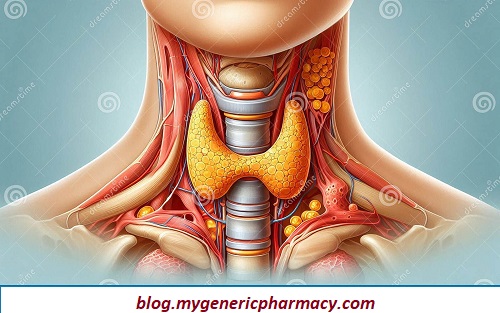
Hypothyroidism is a common condition in which the thyroid gland does not produce enough hormones. These hormones play a vital role in controlling metabolism, energy levels, and overall body function. As a result, even a small imbalance can affect your entire body. In this blog, you will discover the real causes, symptoms, and effective solutions for hypothyroidism simply and easily.


Hypothyroidism occurs when the thyroid gland produces low levels of essential hormones like T3 and T4. These hormones regulate how your body uses energy. When hormone levels drop, bodily functions slow down. Therefore, you may feel tired, sluggish, and mentally foggy.


There are several reasons why hypothyroidism develops. Understanding these causes helps in early prevention.

1. Autoimmune Disorders

The most common cause is Hashimoto’s thyroiditis, where the immune system attacks the thyroid gland.

2. Iodine Deficiency

Iodine is essential for hormone production. Without it, the thyroid cannot function properly.

3. Medications

Certain medicines can interfere with hormone production.

4. Thyroid Surgery or Treatment

Removal of the thyroid gland or radiation therapy may lead to hypothyroidism.


Symptoms often develop slowly. However, they should not be ignored.

  • Fatigue and low energy
  • Weight gain
  • Cold sensitivity
  • Dry skin and hair
  • Depression or mood changes
  • Slow heart rate

In addition, some people may experience memory problems and muscle weakness.


Low thyroid hormones impact multiple systems. For example:

  • Metabolism slows down, leading to weight gain
  • Heart rate decreases, affecting circulation
  • Brain function declines, causing brain fog

Therefore, untreated hypothyroidism can reduce quality of life significantly.


Doctors usually diagnose hypothyroidism through blood tests. These tests measure TSH, T3, and T4 levels. If TSH is high and T4 is low, hypothyroidism is confirmed. Early testing helps prevent complications.


The good news is that hypothyroidism can be managed effectively.

1. Hormone Replacement Therapy

Doctors commonly prescribe levothyroxine, a synthetic thyroid hormone. It helps restore normal hormone levels.

2. Healthy Diet

A balanced diet supports thyroid health. Include:

  • Iodine-rich foods
  • Selenium and zinc
  • Fresh fruits and vegetables

3. Lifestyle Changes

Regular exercise and stress management improve overall well-being.

4. Regular Monitoring

Frequent check-ups ensure that hormone levels stay balanced.


  • “Top foods for thyroid health”
  • “Daily habits to manage hypothyroidism”

If left untreated, hypothyroidism can lead to serious complications such as:

  • Heart problems
  • Infertility
  • Severe fatigue
  • Myxedema (rare but dangerous condition)

Therefore, timely treatment is essential for long-term health.


Although not all cases are preventable, you can reduce your risk by following simple steps:

  • Maintain a balanced diet
  • Use iodized salt
  • Avoid unnecessary medications
  • Get regular health check-ups

Moreover, awareness plays a key role in early detection.


Hypothyroidism is more than just a hormone imbalance. It affects your energy, mood, and overall health. However, with proper diagnosis, treatment, and lifestyle changes, it can be managed effectively. So, listen to your body and take action early for a healthier life.


https://www.mayoclinic.org/diseases-conditions/hypothyroidism/symptoms-causes/syc-20350284
https://my.clevelandclinic.org/health/diseases/12120-hypothyroidism
https://www.healthline.com/health/hypothyroidism/symptoms-treatments-more
https://medlineplus.gov/hypothyroidism.html
https://www.medicalnewstoday.com/articles/163729
https://www.hopkinsmedicine.org/health/conditions-and-diseases/hypothyroidism
https://www.thyroid.org/hypothyroidism/
https://www.health.harvard.edu/a_to_z/hypothyroidism-a-to-z

Medications that have been suggested by doctors worldwide are available on the link below
https://mygenericpharmacy.com/category/disease/thyroid

Why the World Feels Like It’s Spinning: The Truth About Vertigo and How to Fix It

Why the World Feels Like It’s Spinning: The Truth About Vertigo and How to Fix It

Vertigo is more than just feeling dizzy. It creates a sensation that you or your surroundings are spinning. As a result, it can disrupt daily life and affect your balance. Although vertigo can be alarming, it is often treatable. Therefore, understanding its causes and symptoms is essential for quick relief.


Vertigo is a symptom, not a disease. It usually occurs due to problems in the inner ear or brain. These areas control balance and spatial orientation. For example, conditions like Benign Paroxysmal Positional Vertigo and Ménière’s Disease are common causes.


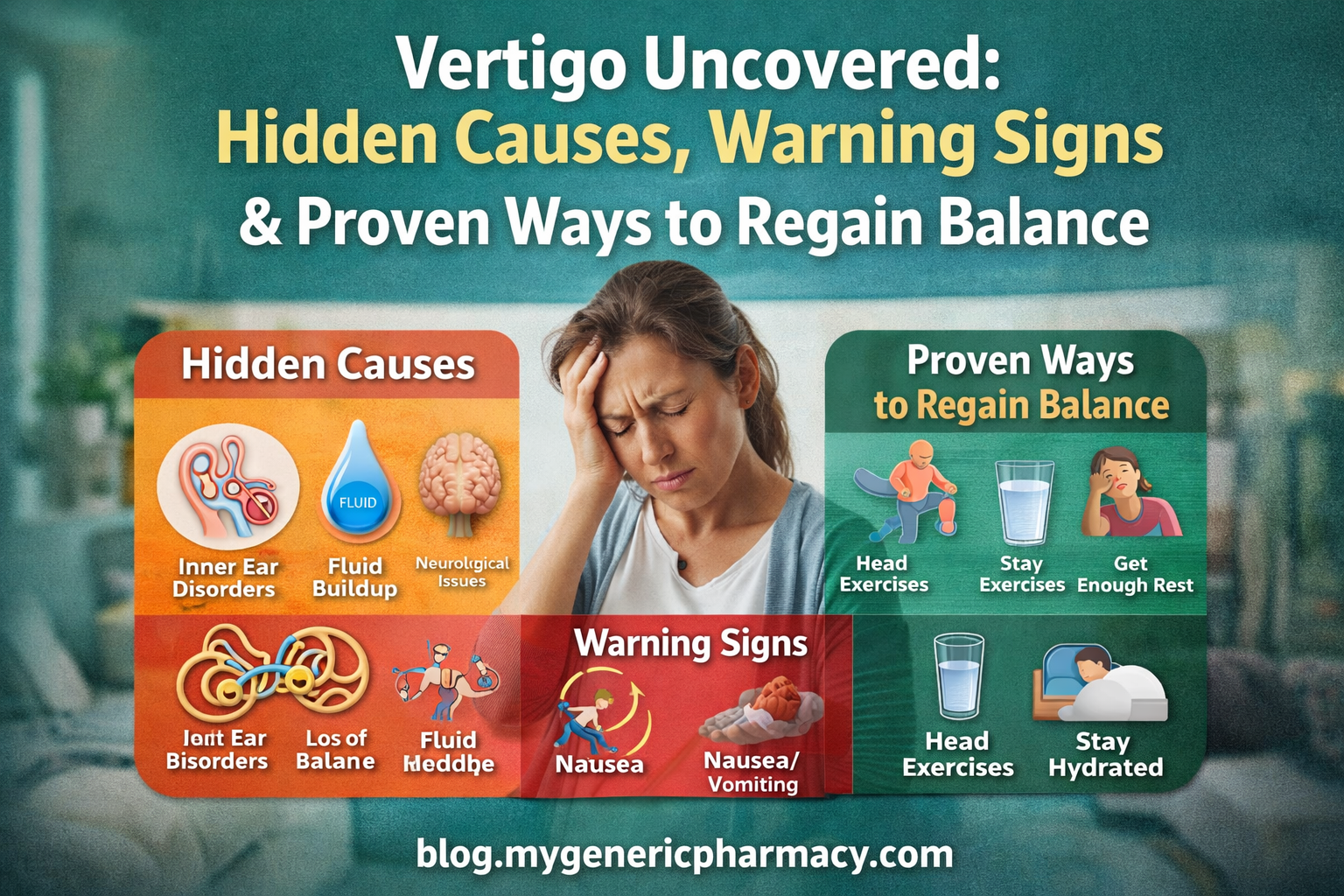
Understanding the root cause helps in proper treatment. Some of the most common causes include:

🔄 Inner Ear Problems
The inner ear plays a key role in balance. Disorders like Benign Paroxysmal Positional Vertigo occur due to tiny calcium particles moving in the ear.

💧 Fluid Imbalance
Excess fluid buildup can lead to Ménière’s Disease, causing vertigo and hearing loss.

🧠 Neurological Conditions
In some cases, issues like Migraine or stroke may trigger vertigo.


Vertigo symptoms can vary in intensity. However, some signs require immediate attention.

  • Spinning sensation (dizziness)
  • Loss of balance or unsteadiness
  • Nausea or vomiting
  • Headaches
  • Ringing in the ears (tinnitus)

If symptoms worsen suddenly, seek medical help. Therefore, early recognition is crucial.


Vertigo affects the communication between the brain and the inner ear. As a result, your body receives mixed signals about movement and position.


Fortunately, several effective strategies can help manage vertigo. Moreover, many of these can be done at home.

✔️ Try Head Position Exercises
Exercises like the Epley Maneuver can reduce symptoms quickly.

✔️ Stay Hydrated
Proper hydration helps maintain fluid balance in the body.

✔️ Avoid Sudden Movements
Move slowly to prevent triggering dizziness.

✔️ Manage Stress
Stress can worsen vertigo symptoms. Therefore, relaxation techniques are helpful.

✔️ Get Enough Rest
Adequate sleep supports overall brain function and balance.


Treatment depends on the underlying cause. Doctors may recommend medications such as:

  • Meclizine
    • Betahistine

In some cases, physical therapy or vestibular rehabilitation is advised.


You should consult a doctor if vertigo lasts for several days. Additionally, seek immediate help if you experience:

  • Severe headache
  • Double vision
  • Difficulty speaking
  • Weakness in limbs

These symptoms may indicate a serious condition.


Vertigo can feel overwhelming, but it is manageable with the right approach. By identifying the cause and taking early action, you can regain control of your balance. Simple lifestyle changes, combined with proper treatment, make a big difference. Therefore, stay informed and take care of your health.


https://my.clevelandclinic.org/health/symptoms/21769-vertigo
https://www.healthline.com/health/vertigo
https://www.webmd.com/brain/vertigo-symptoms-causes-treatment
https://www.hopkinsmedicine.org/health/conditions-and-diseases/vestibular-balance-disorder

Medications that have been suggested by doctors worldwide are available on the link below
https://mygenericpharmacy.com/category/disease/vertigo

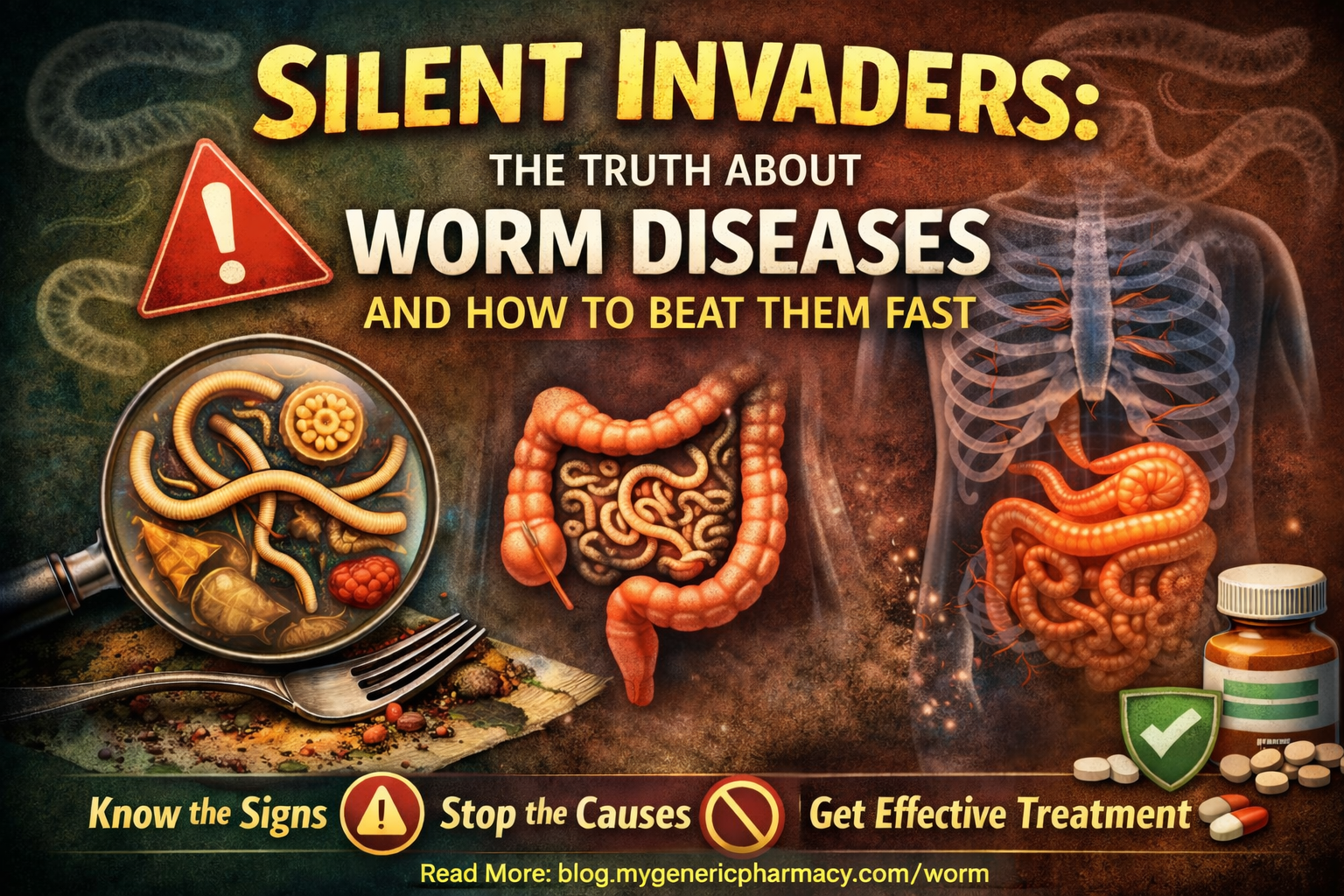
Silent Invaders: The Truth About Worm Diseases and How to Beat Them Fast

Silent Invaders: The Truth About Worm Diseases and How to Beat Them Fast

Worm diseases, also known as helminth infections, are silent invaders that can harm your health without showing obvious signs. In many cases, they go unnoticed during the early stages. However, if left untreated, they can lead to serious health complications. Fortunately, these infections are both preventable and treatable. Therefore, understanding their causes, symptoms, and prevention methods is the first step toward protecting your health.


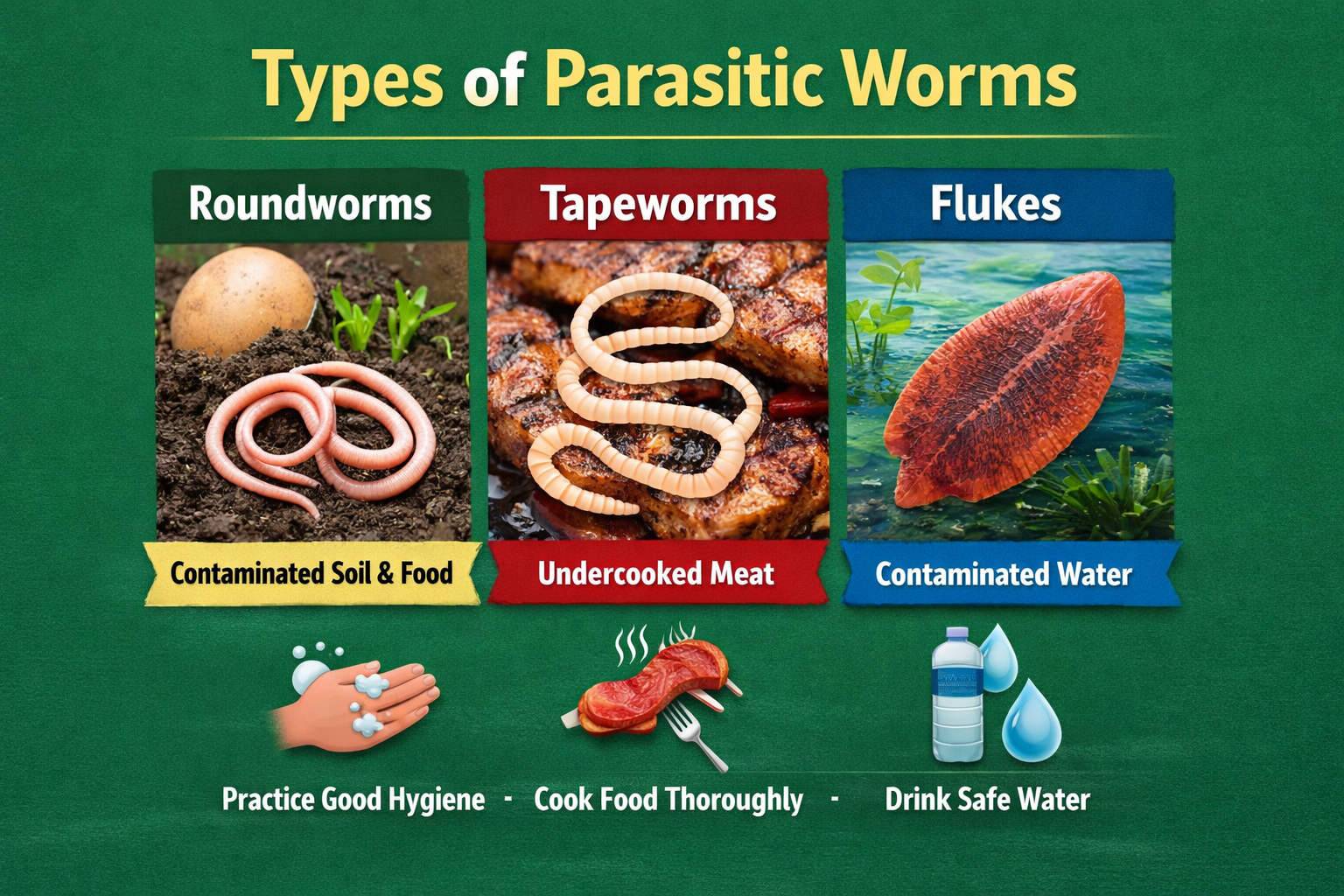
Worm diseases are caused by parasitic worms that live inside the human body. These parasites survive by feeding on the host’s nutrients. Common types include roundworms, tapeworms, and flukes. They usually enter the body through contaminated food, water, or soil.


  • Roundworms: Spread through contaminated soil
  • Tapeworms: Contracted from undercooked meat
  • Flukes: Linked to contaminated water sources

Moreover, these parasites can survive for long periods inside the body.


Many daily habits unknowingly increase your risk. In fact, infections often result from simple mistakes.

🚫 Poor Hand Hygiene
Not washing hands properly allows parasites to enter the body.

🍖 Undercooked Food
Raw or undercooked meat can carry worm larvae.

💧 Unsafe Drinking Water
Contaminated water is a major source of infection.

👣 Walking Barefoot
Parasites in soil can penetrate the skin directly.
Therefore, awareness is key to prevention.


Symptoms can be mild at first. However, they gradually become more noticeable.

  • Abdominal pain and cramps
  • Diarrhea or irregular bowel movements
  • Unexplained weight loss
  • Fatigue and weakness
  • Itching around the anal area

In severe cases, anemia or intestinal blockage may occur. Thus, early detection is important.


Worms enter through food, water, or direct skin contact. After entering, they grow and multiply inside the body. As a result, they interfere with nutrient absorption.


Taking quick action can prevent complications. Additionally, simple habits can stop infections before they start.

✔️ Wash Hands Regularly
Clean your hands before eating and after using the toilet.

✔️ Eat Well-Cooked Food
Proper cooking kills harmful parasites effectively.

✔️ Drink Safe Water
Always choose filtered or boiled water.

✔️ Maintain Clean Surroundings
Good sanitation reduces exposure to parasites.

✔️ Regular Deworming
Periodic treatment helps keep infections under control.


Worm infections are usually easy to treat. Doctors prescribe medications based on the type of parasite.

Common medicines include:

However, avoid self-medication. Always consult a healthcare professional for the right treatment.


Worm diseases may be silent, but their impact can be serious. Fortunately, they are easy to prevent with basic hygiene and awareness. By taking simple precautions and acting quickly, you can protect yourself and your family. Therefore, stay alert and stay healthy.

https://my.clevelandclinic.org/health/diseases/intestinal-parasites
https://www.medicalnewstoday.com/articles/human-parasites
https://www.cdc.gov/parasites/causes/index.html

Medications that have been suggested by doctors worldwide are available on the link below
https://mygenericpharmacy.com/category/disease/worms

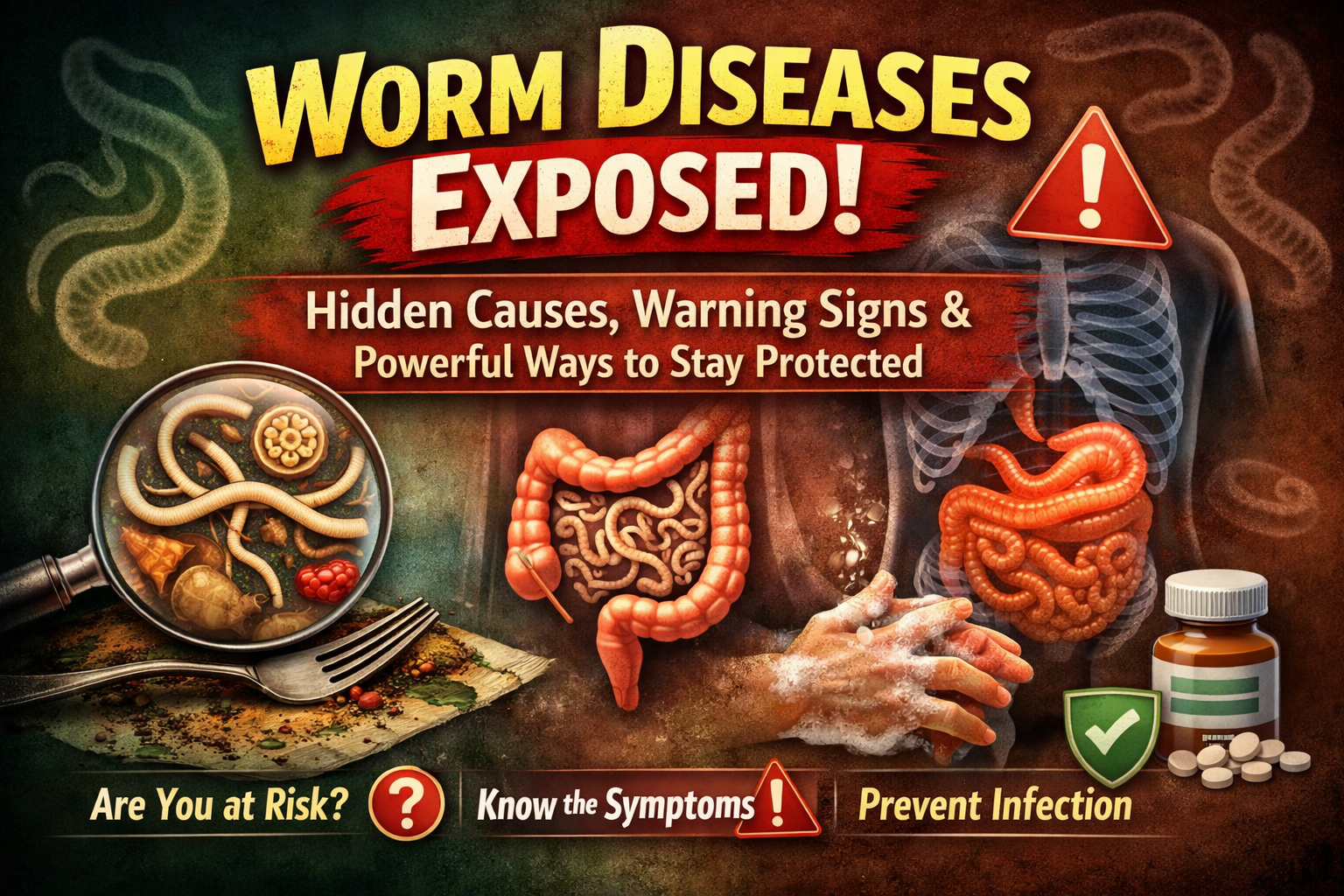
Worm Diseases Exposed: Hidden Causes, Warning Signs & Powerful Ways to Stay Protected

Worm Diseases Exposed: Hidden Causes, Warning Signs & Powerful Ways to Stay Protected

Worm diseases, also known as helminth infections, are more common than many people think. They silently affect millions of individuals worldwide. However, with the right awareness, they can be prevented and treated effectively. In this guide, you will learn about hidden causes, key warning signs, and simple ways to stay protected.


Worm diseases are caused by parasitic worms that live inside the human body. These parasites feed on nutrients from their host, which can weaken overall health. Common types include roundworms, tapeworms, and flukes. They usually enter the body through contaminated food, water, or soil.


  • Roundworms: Spread through contaminated soil or unwashed vegetables
  • Tapeworms: Enter through undercooked meat
  • Flukes: Transmitted via contaminated water or aquatic plants

Therefore, maintaining hygiene plays a crucial role in prevention.


Worm infections often occur due to everyday habits. In many cases, people are unaware of these risk factors.

🚫 Poor Hygiene
Not washing hands before eating increases infection risk.

🍖 Undercooked Food
Eating raw or undercooked meat allows parasites to enter the body.

💧 Contaminated Water
Drinking unsafe water is a major cause, especially in developing regions.

👣 Walking Barefoot
Parasites can enter through the skin from infected soil.


Symptoms may be mild at first. However, they can worsen over time if untreated.

  • Abdominal pain and bloating
  • Diarrhea or constipation
  • Sudden weight loss
  • Fatigue and weakness
  • Itching around the anal area

In severe cases, complications like anemia or intestinal blockage may develop. Therefore, early diagnosis is essential.


Worms spread through contaminated food, water, and soil. Additionally, poor sanitation accelerates transmission. Understanding these pathways helps in effective prevention.


Prevention is simple if you follow consistent habits. Moreover, these steps are easy to include in daily life.

✔️ Wash Hands Regularly
Always clean your hands before meals and after using the toilet.

✔️ Cook Food Thoroughly
Proper cooking kills harmful parasites.

✔️ Drink Clean Water
Use filtered or boiled water whenever possible.

✔️ Maintain Personal Hygiene
Keep nails short and clean to avoid contamination.

✔️ Regular Deworming
Periodic treatment helps reduce infection risk, especially in children.


Worm infections are treatable with proper medication. Doctors usually prescribe antiparasitic drugs based on the type of infection.

Common medicines include:

  • Albendazole
    • Mebendazole
      • Ivermectin

However, self-medication should be avoided. Always consult a healthcare professional for an accurate diagnosis.


You should seek medical advice if symptoms persist for several days. Additionally, children and elderly individuals require special attention. Early treatment prevents serious complications and ensures faster recovery.


Worm diseases can affect anyone, but they are preventable. By understanding the causes and recognizing early symptoms, you can take control of your health. Simple habits like proper hygiene, safe food, and clean water make a significant difference. Therefore, stay informed and stay protected.


https://my.clevelandclinic.org/health/diseases/intestinal-parasites
https://www.medicalnewstoday.com/articles/human-parasites
https://www.cdc.gov/parasites/causes/index.html
https://www.powerofpositivity.com/parasitic-infection-signs-never-to-ignore/

Medications that have been suggested by doctors worldwide are available on the link below
https://mygenericpharmacy.com/category/disease/worms

Helminth Infections Uncovered: Symptoms You Shouldn’t Ignore & How to Prevent Them

Helminth Infections Uncovered: Symptoms You Shouldn’t Ignore & How to Prevent Them

Helminth infections, also known as parasitic worm infections, impact millions of people across the globe. While they are more common in tropical and developing regions, no one is completely immune. Therefore, recognizing the symptoms and learning effective prevention methods is crucial for safeguarding your health.


Helminths are parasitic worms that live inside the human body. These include roundworms, tapeworms, and flukes. Typically, they enter the body through contaminated food, water, or soil. Moreover, poor hygiene and sanitation significantly increase the risk of infection. Once inside, these parasites can survive for years if left untreated.


  1. Roundworms: These are the most common types. They spread through contaminated soil or food.
  2. Tapeworms: They enter the body through undercooked meat, especially pork or beef.
  3. Flukes: These are usually transmitted through contaminated water or aquatic plants.

Helminth infections often go unnoticed in the early stages. However, several warning signs may appear over time.

  • Abdominal pain and diarrhea
  • Unexplained weight loss
  • Fatigue and weakness
  • Itching around the anus
  • Visible worms in stool

In severe cases, complications such as anemia and intestinal blockage can occur. Therefore, early detection is crucial.


Helminths spread through multiple pathways. For instance, consuming contaminated food or water is a common cause. Additionally, walking barefoot on infected soil can also lead to infection.


Preventing helminth infections is simple if you follow proper hygiene practices.

✔️ Maintain Personal Hygiene: Wash your hands thoroughly before eating and after using the toilet.
✔️ Cook Food Properly: Ensure meat is well-cooked to kill parasites.
✔️ Drink Safe Water: Always use clean or filtered water.
✔️ Wear Footwear: Avoid walking barefoot, especially in contaminated areas.
✔️ Regular Deworming: Consult a doctor for periodic deworming, especially for children.


Treatment usually involves antiparasitic medications. These drugs effectively kill or expel worms from the body.

Common treatments include:
Albendazole
Mebendazole
Ivermectin

However, always consult a healthcare professional before starting any medication.


You should seek medical attention if symptoms persist or worsen. Additionally, children, elderly individuals, and people with weak immune systems should be extra cautious.


Helminth infections are more common than many people realize. However, they are preventable and treatable with the right approach. By maintaining hygiene, eating safe food, and seeking timely treatment, you can protect yourself and your family.

https://www.ncbi.nlm.nih.gov/books/NBK560525/
https://www.who.int/news-room/fact-sheets/detail/soil-transmitted-helminth-infections
https://my.clevelandclinic.org/health/diseases/24885-parasitic-infection

Medications that have been suggested by doctors worldwide are available on the link below
https://mygenericpharmacy.com/category/disease/worms

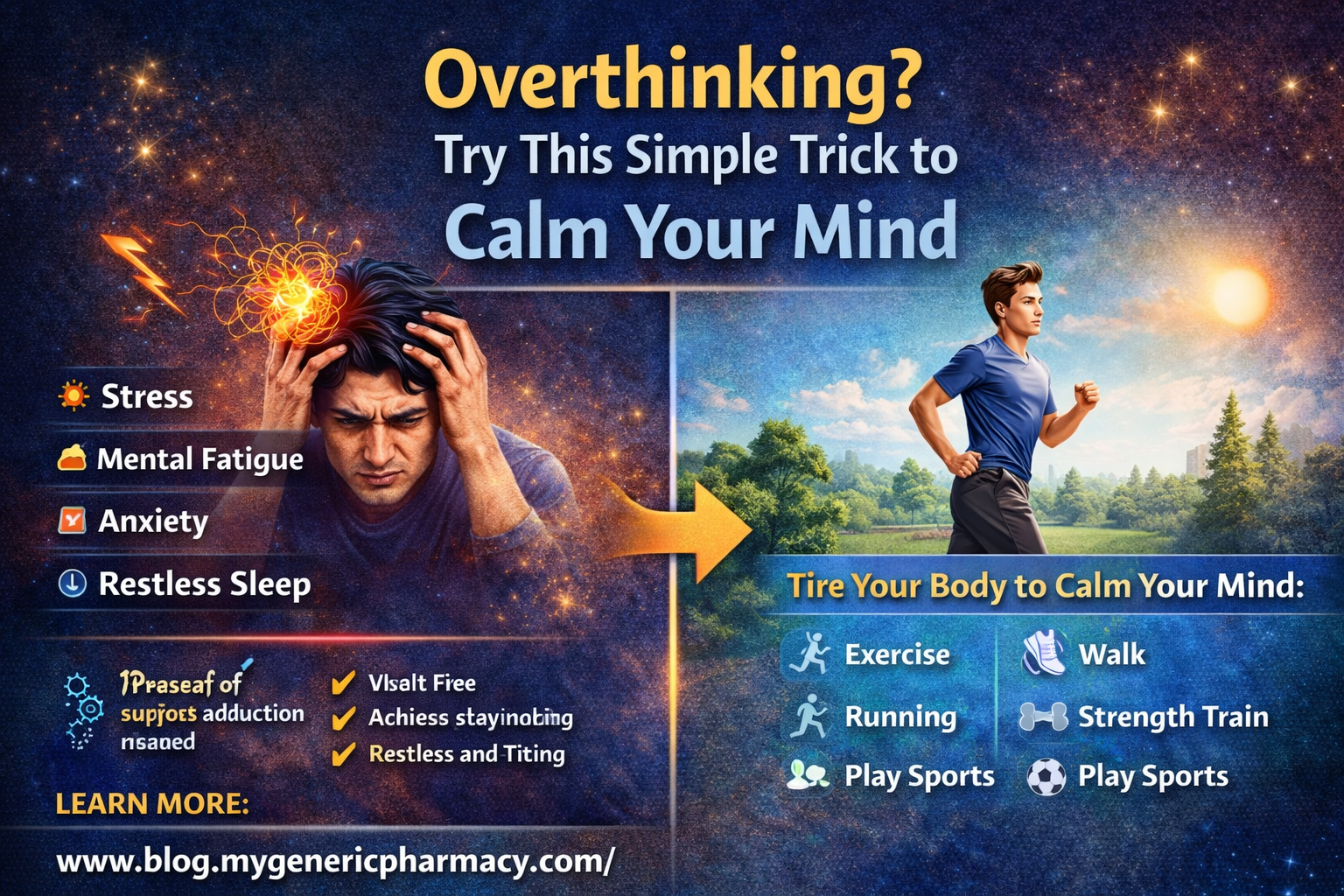
Overthinking? Try This Simple Trick to Calm Your Mind

Overthinking? Try This Simple Trick to Calm Your Mind

Overthinking can feel like a never-ending loop—your mind keeps racing, replaying situations, and imagining worst-case scenarios. It drains your energy, affects your sleep, and increases stress.

But what if the solution is simpler than you think?
One of the most effective ways to calm your mind is to engage your body.


What Is Overthinking?

Overthinking is the habit of dwelling excessively on thoughts, problems, or decisions. It often involves:

  • Replaying past events
  • Worrying about the future
  • Analyzing situations repeatedly

Over time, this mental pattern can contribute to anxiety and emotional exhaustion.


Why Physical Activity Calms the Mind

Your mind and body are deeply connected. When your body is active, your brain chemistry changes in powerful ways.

Here’s what happens:

  • Physical activity releases endorphins (feel-good hormones)
  • It reduces stress hormones like cortisol
  • It improves blood flow to the brain
  • It shifts focus away from repetitive thoughts

This is why, after a workout, you often feel calmer, clearer, and more relaxed.

Best Physical Activities to Stop Overthinking

You don’t need intense workouts—simple movements can make a big difference.

1. Walking

A 20–30 minute walk can instantly reduce mental clutter and improve mood.

2. Running or Jogging

Helps release built-up tension and clears your thoughts.

3. Strength Training

Focuses your mind on physical effort, breaking the cycle of overthinking.

4. Yoga

Combines movement with breathing for deep mental relaxation.

5. Dancing or Sports

Fun activities that shift your focus and boost dopamine levels.


The Science Behind It

Research shows that exercise can significantly reduce symptoms of stress and anxiety. According to the American Psychological Association, regular physical activity helps the body handle stress more effectively. Additionally, the Harvard Medical School highlights that exercise improves mood and cognitive function by boosting brain chemicals like endorphins and serotonin.


Quick Routine to Calm Your Mind

Try this simple routine when you feel overwhelmed:

  1. Step outside or find an open space
  2. Walk briskly for 10–15 minutes
  3. Focus on your breathing and surroundings
  4. Gradually increase the pace if possible

Within minutes, you’ll notice your thoughts slowing down.


Additional Tips to Reduce Overthinking

Along with physical activity, these habits can help:

  • Practice deep breathing
  • Limit screen time
  • Write down your thoughts
  • Get enough sleep
  • Avoid excessive caffeine

Consistency is key—small daily actions lead to big changes.


🧠 Overthinking Trick to Calm Your Mind: Why You Overthink

If overthinking starts affecting your daily life, sleep, or relationships, consider seeking professional help. Chronic overthinking may be linked to conditions like Anxiety disorder or depression.


⚠️ Overthinking Trick to Calm Your Mind: Signs You Shouldn’t Ignore

Overthinking doesn’t have to control your life.
Sometimes, the best way to quiet your mind is not to fight your thoughts—but to move your body. A tired body often leads to a peaceful mind. So next time your thoughts feel overwhelming, take a step—literally.


🔍 SEO Meta Title:

Overthinking? How Exercise Helps Calm Your Mind Naturally

📝 Meta Description:

Struggling with overthinking? Discover how simple physical activities can calm your mind, reduce stress, and improve mental clarity naturally.


References:

https://www.healthline.com/health/how-to-stop-overthinking
https://www.thenewhealthorder.com/how-to-stop-overthinking/
https://www.scienceofpeople.com/stop-overthinking/

Medications that have been suggested by doctors worldwide are available on the link below
https://mygenericpharmacy.com/category/disease/mental-health

Feel-Good Chemistry: How Dopamine Powers Your Brain’s Reward System

Feel-Good Chemistry: How Dopamine Powers Your Brain’s Reward System

Dopamine is often called the “feel-good” chemical—but its role in the brain goes far beyond just pleasure. It is a powerful neurotransmitter that influences motivation, reward, learning, and even movement. Understanding how dopamine works can help you improve your mental well-being, productivity, and overall health.


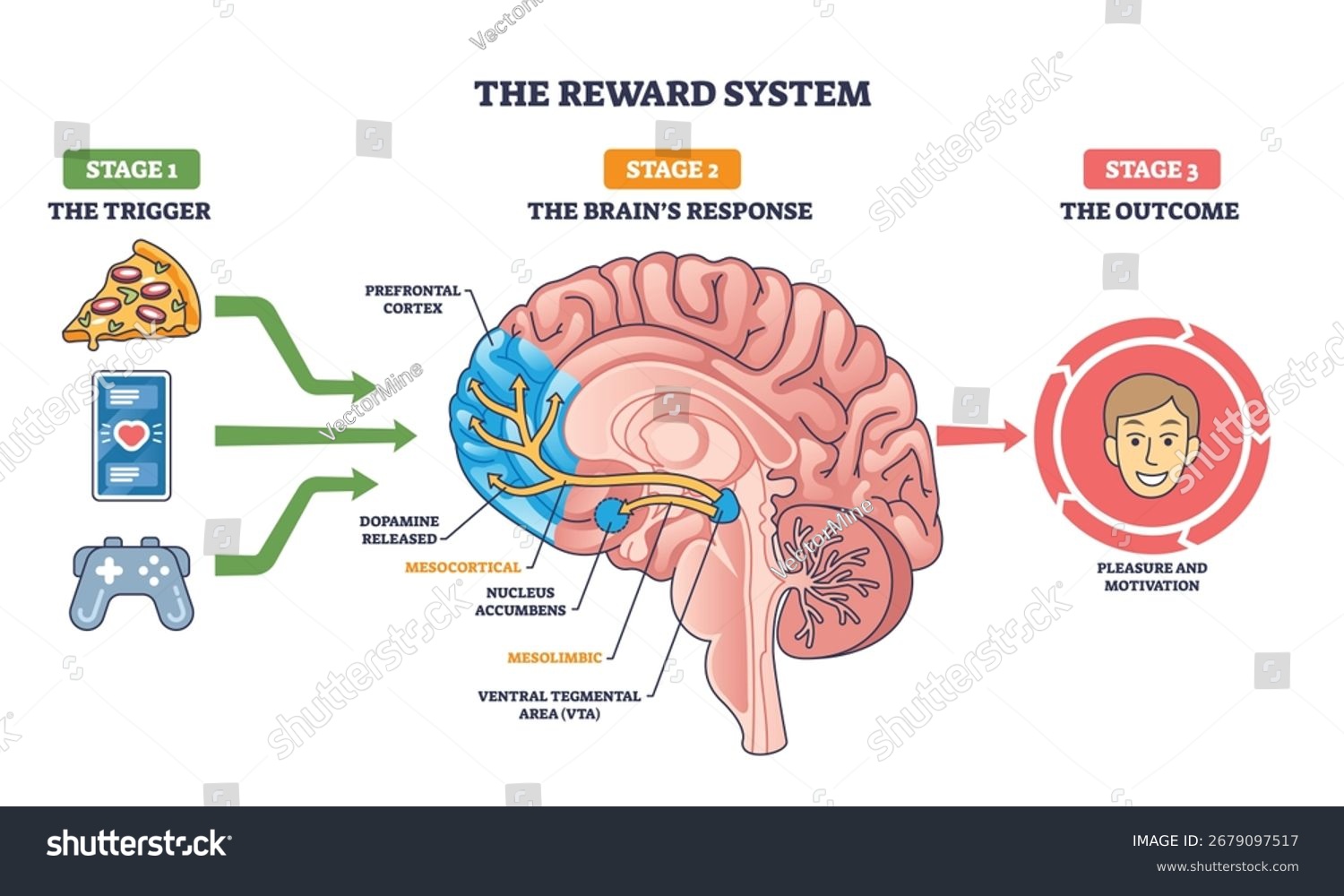
Dopamine is a neurotransmitter—a chemical messenger that transmits signals between nerve cells in the brain. It plays a central role in the brain’s reward system, which helps reinforce behaviors necessary for survival.

Whenever you do something enjoyable—like eating your favorite food or achieving a goal—dopamine is released, making you feel good and encouraging you to repeat that behavior.


The brain’s reward system is a network of structures that regulates pleasure and motivation. Dopamine is the key driver behind this system.

  1. You perform an action (e.g., eating, exercising)
  2. Dopamine is released in the brain
  3. You feel pleasure or satisfaction
  4. Your brain remembers the behavior and encourages repetition

This loop is essential for learning and habit formation.


Dopamine affects multiple aspects of your physical and mental health:

1. Pleasure and Reward

It creates feelings of enjoyment and satisfaction.

2. Motivation and Focus

Dopamine drives you to pursue goals and stay productive.

3. Learning and Memory

It helps reinforce behaviors and supports cognitive function.

4. Movement Control

Dopamine is essential for smooth, coordinated muscle movements.


Both low and high dopamine levels can cause problems.

Low Dopamine Levels

  • Lack of motivation
  • Fatigue
  • Depression
  • Difficulty concentrating

Low dopamine is associated with conditions like Parkinson’s disease and depression.


High Dopamine Levels

  • Impulsivity
  • Addiction
  • Anxiety
  • Aggressive behavior

Excess dopamine activity has been linked to Schizophrenia.


You don’t need medication to support healthy dopamine levels. Simple lifestyle changes can help.

1. Eat Dopamine-Boosting Foods

Include:

  • Protein-rich foods (eggs, fish, chicken)
  • Bananas
  • Nuts and seeds
  • Dairy products

These foods contain tyrosine, an amino acid that helps produce dopamine.


2. Exercise Regularly

Physical activity naturally increases dopamine levels and improves mood.


3. Get Enough Sleep

Sleep helps regulate dopamine receptors and maintain balance.


4. Set and Achieve Small Goals

Completing tasks triggers dopamine release and builds motivation.


5. Limit Sugar and Processed Foods

Too much sugar can disrupt dopamine balance over time.


Dopamine plays a major role in addiction. Activities like social media use, gaming, and substance use can overstimulate the reward system.

Over time, the brain may require more stimulation to feel the same level of pleasure—leading to dependency.


A balanced dopamine system is essential for:

  • Emotional well-being
  • Productivity and focus
  • Healthy habits
  • Physical coordination

When dopamine functions properly, it helps you stay motivated, happy, and mentally sharp.


Dopamine is much more than a “feel-good” chemical—it’s a key driver of behavior, motivation, and brain function. By understanding and supporting your dopamine system through healthy habits, you can improve both your mental and physical health.


References:

https://www.webmd.com/mental-health/what-is-dopamine
https://my.clevelandclinic.org/health/articles/22581-dopamine
https://pmc.ncbi.nlm.nih.gov/articles/PMC11469830/

Medications that have been suggested by doctors worldwide are available on the link below
https://mygenericpharmacy.com/category/products/anti-depression