Browsed by
Month: April 2026

Unlock Better Health: Why Antioxidants Are a Daily Essential

Unlock Better Health: Why Antioxidants Are a Daily Essential

You’ve seen the word on superfood packaging, skincare labels, and wellness blogs. But beyond the marketing buzz, antioxidants play a non-negotiable role in keeping you healthy, energetic, and resilient. From fighting everyday fatigue to reducing your risk of chronic disease, these natural compounds are truly a daily essential. But what exactly do they do? And how can you ensure you’re getting enough? Let’s unlock the science behind antioxidants and why your body needs them every single day.

The Invisible Battle Inside Your Body

Every second, your body’s cells are under attack. As you breathe, digest food, or go for a run, your body produces unstable molecules called free radicals. Think of free radicals as tiny, destructive sparks. In small numbers, they are harmless—even useful for immune function. But when free radicals multiply out of control (due to stress, pollution, poor diet, or UV rays), they cause oxidative stress.

Oxidative stress is like internal rust. It damages your cell membranes, proteins, and even your DNA. Over time, this damage accelerates aging and contributes to serious health conditions, including heart disease, diabetes, and certain cancers.

How Antioxidants Act as Your Body’s Shield

Antioxidants are the heroes your cells have been waiting for. These molecules—which include vitamins C and E, beta-carotene, selenium, and flavonoids—have a unique superpower: they can donate an electron to a free radical without becoming unstable themselves.

In simple terms, antioxidants neutralize free radicals. They stop the chain reaction of cellular damage before it begins. By maintaining a steady supply of antioxidants, you effectively give your body the tools it needs to repair itself and fight off daily environmental assaults.

Why You Need Them Every Day (Not Just When You’re Sick)

Unlike some nutrients your body stores for weeks, many antioxidants are water-soluble (like vitamin C) and are excreted quickly. That means you need a fresh supply daily. Moreover, you are exposed to free radicals 24/7—from the blue light on your phone to the exhaust fumes on your commute.

Waiting until you feel run-down to reach for an orange is like waiting for a flat tire to check your air pressure. Consistency is key. A daily intake of antioxidant-rich foods builds a persistent defense system, reducing baseline inflammation and supporting:

  • Brain health: Protecting neurons from oxidative damage linked to memory decline.
  • Heart health: Preventing LDL cholesterol from oxidizing and clogging arteries.
  • Skin protection: Fighting UV-induced aging and maintaining collagen.
  • Immune resilience: Helping white blood cells function optimally.

The Best Sources: Food First, Supplements Second

You do not need expensive pills to unlock antioxidant benefits. In fact, whole foods are superior because they contain a synergy of thousands of antioxidant compounds that work better together than in isolation.

Make these daily essentials part of your routine:

  • Berries: Blueberries, strawberries, and raspberries (high in anthocyanins).
  • Dark Leafy Greens: Spinach and kale (lutein and zeaxanthin).
  • Nuts & Seeds: Pecans and walnuts (vitamin E and selenium).
  • Beverages: Green tea (catechins) and black coffee (polyphenols).
  • Spices: Turmeric and cinnamon (extremely high ORAC scores).

Pro tip: Aim for the “rainbow plate.” Different colors provide different antioxidants—red (lycopene), orange (beta-carotene), purple (resveratrol).

The Supplement Caution

While antioxidant supplements seem tempting, high-dose isolated supplements (like beta-carotene pills) have actually been linked to increased risk of certain cancers in smokers. The best evidence supports getting antioxidants from real food. Always consult your doctor before starting high-dose supplements.

Small Daily Choices, Big Long-Term Gains

Unlocking better health isn’t about drastic overhauls. It’s about stacking small, consistent habits. Adding a handful of spinach to your omelet, swapping soda for green tea, or snacking on an apple instead of chips—these daily choices flood your system with protective compounds.

Your body is constantly under oxidative stress. But with every antioxidant-rich bite, you tilt the balance back toward repair, vitality, and long-term wellness. Make antioxidants a daily essential, and your future self will thank you.


References:

https://www.webmd.com/diet/health-benefits-antioxidants
https://pmc.ncbi.nlm.nih.gov/articles/PMC12085410/
https://www.healthline.com/nutrition/antioxidants-explained
https://blog.mygenericpharmacy.com/index.php/category/antioxidant/

Medications that have been suggested by doctors worldwide are available on the link below
https://mygenericpharmacy.com/category/disease/vitamins-enzymes


Disclaimer: This article is for informational purposes only and does not constitute medical advice. Consult a healthcare professional before making significant changes to your diet or supplement routine.
How Antihistamines Stop Allergies: Everything You Need to Know

How Antihistamines Stop Allergies: Everything You Need to Know

Allergies can turn everyday life into a struggle—constant sneezing, itchy eyes, a runny nose, and skin irritation can make even simple tasks uncomfortable. Fortunately, antihistamines are one of the most effective solutions for managing these symptoms. In this SEO-friendly guide, you’ll learn how antihistamines work, their benefits, types, side effects, and tips for safe use.


What Are Antihistamines?

Antihistamines are medications designed to block the effects of histamine, a chemical released by your immune system during an allergic reaction. When your body comes into contact with allergens like dust, pollen, or pet dander, it releases histamine, leading to symptoms such as:

  • Sneezing
  • Runny or blocked nose
  • Itchy eyes and throat
  • Skin rashes or hives

Antihistamines help reduce these symptoms and provide relief.


How Do Antihistamines Work?

Histamine binds to specific receptors in your body, triggering allergy symptoms. Antihistamines work by blocking these receptors, preventing histamine from causing its effects.

👉 In simple terms:
Allergen → Histamine release → Symptoms → Antihistamines block the reaction

This makes them highly effective for both seasonal allergies and chronic allergic conditions.


Types of Antihistamines

There are two main types of antihistamines:

1. First-Generation Antihistamines

These are older medications that can cross the brain barrier and often cause drowsiness.

Examples include:

  • Diphenhydramine
  • Chlorpheniramine

Best for: Night-time use or severe symptoms


2. Second-Generation Antihistamines

These are newer and less likely to cause drowsiness.

Examples include:

  • Cetirizine
  • Loratadine
  • Fexofenadine

Best for: Daytime use and long-term allergy management


Common Uses of Antihistamines

Antihistamines are widely used to treat:

  • Seasonal allergies (hay fever)
  • Skin allergies and hives
  • Cold-related symptoms
  • Insect bite reactions
  • Allergic conjunctivitis (eye allergies)

They are available in various forms, including tablets, syrups, nasal sprays, and eye drops.


Benefits of Antihistamines

Using antihistamines can offer several advantages:

  • Quick relief from allergy symptoms
  • Reduced inflammation and irritation
  • Improved sleep (especially with sedating types)
  • Better quality of life during allergy seasons

Possible Side Effects

While generally safe, antihistamines may cause some side effects:

Common Side Effects:

  • Drowsiness
  • Dry mouth
  • Dizziness
  • Blurred vision

Less Common:

  • Difficulty urinating
  • Increased heart rate

Second-generation antihistamines usually have fewer side effects compared to older ones.


Tips for Safe Use

To use antihistamines effectively and safely, follow these tips:

1. Choose the Right Type

Use non-drowsy options during the day and sedating ones at night if needed.

2. Follow the Recommended Dose

Avoid taking more than prescribed, as it may increase side effects.

3. Avoid Alcohol

Alcohol can enhance drowsiness and reduce alertness.

4. Check for Interactions

Inform your doctor about other medications you are taking.

5. Consult a Doctor for Long-Term Use

Chronic allergies may require proper evaluation and treatment planning.


Natural Ways to Support Allergy Relief

Along with antihistamines, you can reduce symptoms naturally by:

  • Keeping your home dust-free
  • Using air purifiers
  • Avoiding known allergens
  • Washing hands and face after outdoor exposure

A combination of medication and lifestyle changes works best.


Seek medical advice if:

  • Symptoms persist despite medication
  • You experience severe allergic reactions
  • You have difficulty breathing
  • Side effects become troublesome

Proper diagnosis ensures effective treatment.


Final Thoughts

Antihistamines are a powerful and reliable solution for managing allergies. By blocking histamine, they help reduce symptoms and improve comfort in daily life. Whether you’re dealing with seasonal allergies or occasional reactions, understanding how antihistamines work can help you choose the right treatment and use it safely.


👉 Explore more allergy care tips here:

https://my.clevelandclinic.org/health/treatments/antihistamines
https://www.medicalnewstoday.com/articles/antihistamines
https://www.webmd.com/allergies/antihistamines-for-allergies
https://blog.mygenericpharmacy.com/index.php/category/allergy-infections/

Medications that have been suggested by doctors worldwide are available on the link below
https://mygenericpharmacy.com/category/products/allergy-relief

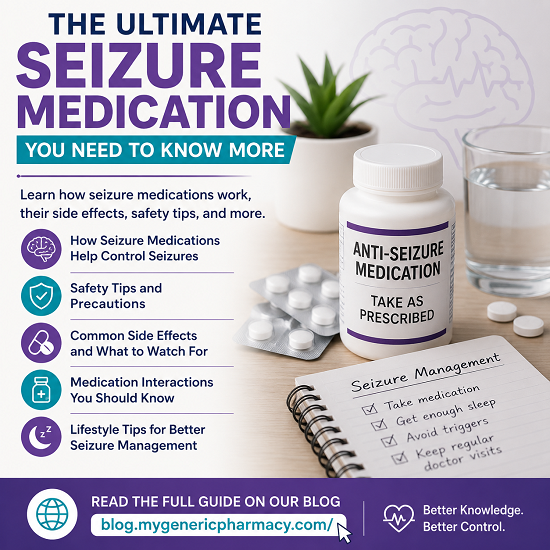
The Ultimate Seizure Medication: You Need to Know more

The Ultimate Seizure Medication: You Need to Know more

Seizure medications are essential for controlling seizures and improving quality of life. In addition, these medicines can help reduce seizure frequency and support better daily functioning. However, patients must use them properly and, moreover, attend regular medical checkups to ensure safety

Furthermore, understanding possible side effects, medication interactions, and lifestyle precautions can help patients manage epilepsy more effectively. In addition, for example, getting enough sleep, avoiding alcohol, and taking medicines on time may improve seizure control. Moreover, consistent adherence to prescribed treatment plays a key role in long-term management. As a result, many people living with seizures can lead safer, healthier, and more active lives.


What Are Anticonvulsants?

Anticonvulsants, also known as anti-seizure medications, are drugs designed to prevent or, in addition, reduce the frequency of seizures. Furthermore, they work by stabilizing electrical activity in the brain, which, during a seizure, becomes abnormal. As a result, these medications help maintain more stable neurological function and support better seizure control.

Seizure Medication

These medications are commonly prescribed for:


How Do Anticonvulsants Work?

Seizures occur due to abnormal electrical signals in the brain. Therefore, anticonvulsants help by reducing excessive nerve activity. In addition, they enhance calming neurotransmitters, such as GABA. Moreover, they block signals that trigger seizures.

As a result, by restoring balance in brain activity, these medications help prevent sudden and uncontrolled episodes.”


Seizure medications are essential for controlling seizures and improving quality of life. In addition, these medicines can help reduce seizure frequency and support better daily functioning. However, patients must use them properly and, moreover, attend regular medical checkups to ensure safety.

Anticonvulsants, also known as anti-seizure medications, are drugs designed to prevent or, in addition, reduce the frequency of seizures. Furthermore, they work by stabilizing electrical activity in the brain, which, during a seizure, becomes abnormal. As a result, these medications help maintain more stable neurological function and support better seizure control.

Seizures occur due to abnormal electrical signals in the brain. Therefore, anticonvulsants help by reducing excessive nerve activity. In addition, they enhance calming neurotransmitters, such as GABA. Moreover, they block signals that trigger seizures.

As a result, by restoring balance in brain activity, these medications help prevent sudden and uncontrolled episodes and, ultimately, support safer, healthier, and more active daily living for people with epilepsy.


Common Types of Anticonvulsants

There are several types of anticonvulsants, and the choice depends on the type of seizure and individual health condition.

1. Broad-Spectrum Anticonvulsants

These treat multiple types of seizures. Examples include:

  • Valproate
  • Lamotrigine
  • Topiramate

2. Narrow-Spectrum Anticonvulsants

These target specific seizure types, such as focal seizures:

  • Carbamazepine
  • Phenytoin

3. Newer Generation Medications

These often have fewer side effects and improved safety:


Benefits of Anticonvulsant Medications

When used correctly, anticonvulsants offer several important benefits:

  • Reduce or completely prevent seizures
  • Improve quality of life
  • Enable daily activities like work and driving
  • Lower risk of seizure-related injuries

Consistency is key—missing doses can increase the risk of seizures.


Possible Side Effects

Like all medications, anticonvulsants may cause side effects. Common ones include:

  • Drowsiness or fatigue
  • Dizziness
  • Nausea
  • Weight changes
  • Mood swings

In rare cases, serious side effects like allergic reactions or liver issues may occur. Always consult your doctor if you notice unusual symptoms.


Tips for Safe Use of Seizure Medications (Anticonvulsants)

To ensure maximum benefit and safety, it is important to follow proper guidelines when using seizure medications. In addition, consistent habits can significantly improve treatment outcomes and reduce risks.

1. Take Medication on Time
First of all, stick to a strict schedule to maintain stable drug levels in your body. As a result, this helps prevent sudden fluctuations that may trigger seizures.

2. Avoid Sudden Stopping
Moreover, never stop medication abruptly, as doing so can lead to rebound or severe seizures. Therefore, any dosage changes should always be guided by a healthcare professional.

3. Monitor Side Effects
In addition, carefully observe how your body responds to the medication. For example, note any unusual symptoms and report them promptly to your doctor.

4. Limit Alcohol
Furthermore, alcohol can interfere with medication effectiveness and increase seizure risk. As a result, limiting or avoiding alcohol is strongly recommended.

5. Regular Check-Ups
Finally, routine medical check-ups and blood tests may be required to monitor drug levels and overall organ health. Thus, regular monitoring ensures long-term safety and effectiveness of treatment.


Lifestyle Support for Better Seizure Control

Medication works best when combined with a healthy lifestyle:

  • Get enough sleep
  • Manage stress effectively
  • Eat a balanced diet
  • Avoid known seizure triggers

Some individuals may also benefit from specialized diets like the ketogenic diet (under medical supervision).


Seek medical attention if:

  • Seizures become more frequent or severe
  • You experience serious side effects
  • Medication doesn’t seem effective
  • You miss multiple doses

Early intervention can prevent complications and improve outcomes.


The Future of Seizure Treatment

Advances in medical research are leading to more targeted and personalized treatments. New therapies aim to reduce side effects while improving seizure control, offering hope for better management in the future.


Final Thoughts

Anticonvulsants are life-changing medications for people living with seizures. Understanding how they work, their benefits, and how to use them safely can make a significant difference in your health journey. With the right treatment plan, lifestyle adjustments, and medical guidance, it is possible to live a full and active life while keeping seizures under control.


References:

https://pmc.ncbi.nlm.nih.gov/articles/PMC11046222/
https://my.clevelandclinic.org/health/treatments/24781-antiseizure-medications-anticonvulsants
https://www.epilepsy.com/tools-resources/seizure-medication-list
https://nurseslabs.com/antiseizure-drugs/

Medications that have been suggested by doctors worldwide are available on the link below
https://mygenericpharmacy.com/category/products/anti-convulsant

Cough and Cold Connection: What You Need to Know for Quick Recovery

Cough and Cold Connection: What You Need to Know for Quick Recovery

Cough and cold are among the most common health issues affecting people of all ages. While they may seem minor, they can disrupt daily life, disturb sleep, and reduce productivity. Understanding the connection between cough and cold is essential for faster recovery and better prevention.


What Is the Link Between Cough and Cold?

A common cold is a viral infection that affects the upper respiratory tract, including the nose and throat. A cough, on the other hand, is a reflex action that helps clear mucus, irritants, or germs from the airways.

When you catch a cold, your body produces excess mucus. This mucus can drip down the back of your throat, a condition known as postnasal drip, which often triggers coughing.

👉 Simply put:
Cold causes mucus → mucus irritates throat → cough develops


Common Causes of Cough and Cold

Several factors can lead to cough and cold, including:

  • Viral infections (the most common cause)
  • Seasonal changes and cold weather
  • Weak immune system
  • Allergies or pollution exposure
  • Smoking or secondhand smoke

Understanding the cause can help you choose the right treatment.


Symptoms to Watch For

Cough and cold symptoms often appear together. Common signs include:

  • Runny or blocked nose
  • Sore throat
  • Sneezing
  • Mild fever
  • Body aches
  • Persistent cough (dry or with mucus)

If symptoms last more than 10 days or worsen, it may indicate a more serious condition.


Types of Cough Associated with Cold

1. Dry Cough

A dry cough does not produce mucus and is often caused by throat irritation.

2. Wet (Productive) Cough

This type produces mucus and helps clear the respiratory tract.

3. Night-Time Cough

Often worsens at night due to postnasal drip and lying down.


Effective Treatments for Quick Recovery

1. Stay Hydrated

Drinking warm fluids like water, herbal tea, or soup helps thin mucus and soothe the throat.

2. Rest Is Essential

Your body needs energy to fight infection, so proper rest speeds up recovery.

3. Use Steam Inhalation

Steam helps open nasal passages and reduces congestion.

4. Over-the-Counter Medications

  • Cough syrups for relief
  • Decongestants for a blocked nose
  • Lozenges for throat irritation

Always consult a doctor before taking medications, especially for children.


Natural Home Remedies That Work

If you prefer natural solutions, try these:

  • Honey and warm water to soothe the throat
  • Ginger tea for its anti-inflammatory properties
  • Turmeric milk to boost immunity
  • Saltwater gargle to reduce throat irritation

These remedies are simple, effective, and widely used for generations.


When Should You See a Doctor?

While most coughs and colds resolve on their own, seek medical attention if you experience:

  • High fever (above 101°F / 38.3°C)
  • Chest pain or breathing difficulty
  • Cough lasting more than 2 weeks
  • Blood in mucus

Early diagnosis can prevent complications.


Prevention Tips

Prevention is always better than a cure. Follow these steps to reduce your risk:

  • Wash your hands frequently
  • Avoid close contact with sick individuals
  • Maintain a healthy diet
  • Stay hydrated
  • Get adequate sleep

Strengthening your immune system is key to avoiding frequent infections.


Final Thoughts

Cough and cold may seem like minor illnesses, but they are closely connected and can significantly affect your daily routine. By understanding their causes and symptoms, you can take the right steps for quick recovery and effective relief. Simple lifestyle changes, proper care, and timely treatment can help you bounce back faster and stay healthy.


👉 Read more health tips here:
https://www.cdc.gov/common-cold/treatment/index.html
https://www.healthline.com/health/cold-flu/how-to-get-rid-of-a-cold-fast
https://www.goodrx.com/conditions/cold-symptoms/common-cold-self-care
https://blog.mygenericpharmacy.com/index.php/category/cough-cold/

Medications that have been suggested by doctors worldwide are available on the link below
https://mygenericpharmacy.com/category/products/allergy-relief

Are Your Hormones Hurting Your Joints? The Arthritis Link You Need to Know

Are Your Hormones Hurting Your Joints? The Arthritis Link You Need to Know

Joint pain is often blamed on aging, injury, or wear and tear. However, there’s another hidden factor many people overlook—your hormones. Recent research suggests that low testosterone levels may play a significant role in increasing the risk of arthritis and worsening joint pain.

In this blog, we’ll explore how hormones affect joint health, the connection between testosterone and arthritis, and what you can do to protect your joints naturally and medically.


What Is Arthritis?

Arthritis is a condition that causes inflammation, stiffness, and pain in the joints. The most common types include:

Symptoms often include swelling, reduced mobility, and persistent pain that can interfere with daily life.


The Role of Hormones in Joint Health

Hormones act as chemical messengers in the body, regulating everything from metabolism to immune response. Among these, testosterone plays a key role in:

  • Maintaining bone density
  • Supporting muscle strength
  • Reducing inflammation

When testosterone levels drop, these protective effects weaken, potentially increasing the risk of joint damage and inflammation.


Low Testosterone and Arthritis: What’s the Connection?

Emerging studies show a strong link between low testosterone levels and increased arthritis risk. Here’s how:

1. Increased Inflammation

Testosterone has natural anti-inflammatory properties. Lower levels may lead to chronic inflammation, a key driver of arthritis.

2. Reduced Muscle Support

Muscles help stabilize joints. Low testosterone can lead to muscle loss, placing extra stress on joints.

3. Bone Density Loss

Testosterone helps maintain strong bones. A deficiency can weaken bones and joints, increasing the likelihood of osteoarthritis.

4. Immune System Imbalance

Low testosterone may affect immune regulation, potentially worsening autoimmune conditions like rheumatoid arthritis.


Who Is at Risk?

You may be at higher risk of hormone-related joint issues if you:

  • Are over the age of 40
  • Experience fatigue, low libido, or muscle loss
  • Have chronic joint pain without a clear cause
  • Have been diagnosed with low testosterone

Both men and women can be affected, although the impact is often more noticeable in men.


Signs Your Joint Pain May Be Hormonal

Not all joint pain is hormonal, but these signs may indicate a connection:

  • Joint pain combined with low energy levels
  • Decreased muscle mass
  • Mood changes or irritability
  • Reduced physical performance

If these symptoms occur together, it may be worthwhile to evaluate your hormone levels.


How to Protect Your Joints and Hormone Health

The good news is that you can take steps to support both your hormones and joint health.

1. Maintain a Healthy Diet

Focus on anti-inflammatory foods like:

  • Leafy greens
  • Fatty fish (rich in omega-3)
  • Nuts and seeds

Avoid processed foods and excess sugar, which can worsen inflammation.


2. Exercise Regularly

Strength training and low-impact exercises like walking or swimming can:

  • Boost testosterone levels
  • Improve joint flexibility
  • Strengthen supporting muscles

3. Manage Stress

Chronic stress increases cortisol levels, which can negatively impact testosterone levels. Try:

  • Meditation
  • Yoga
  • Deep breathing exercises

4. Get Enough Sleep

Poor sleep can lower testosterone production. Aim for 7–8 hours of quality sleep each night.


5. Consider Medical Support

If symptoms persist, consult a healthcare provider. Options may include:

  • Hormone testing
  • Testosterone replacement therapy (if appropriate)
  • Anti-inflammatory medications

What’s Next in Treatment?

Medical research is exploring new therapies that target both hormonal balance and joint inflammation. Personalized treatment plans combining hormone therapy with arthritis management may become more common in the future.


Final Thoughts

Joint pain isn’t always just about aging—it could be your hormones sending a warning signal. Low testosterone levels may increase inflammation, weaken joint support, and raise your risk of arthritis. By understanding this connection and taking proactive steps, you can protect your joints, improve mobility, and enhance your overall quality of life.


👉 Explore more health insights here:

https://pmc.ncbi.nlm.nih.gov/articles/PMC2787275/
https://www.optimalhormonehealth.com/post/estrogen-and-joint-pain-in-menopause
https://thewell.northwell.edu/joint-health-orthopedics/hormones-joint-pain

Medications that have been suggested by doctors worldwide are available on the link below
https://mygenericpharmacy.com/category/disease/tuberculosis

Chronic Migraine Solutions: What Works Now & What’s Coming Next

Chronic Migraine Solutions: What Works Now & What’s Coming Next

Chronic migraine is more than just a headache—it’s a debilitating neurological condition that affects daily life, productivity, and emotional well-being. If you experience headaches on 15 or more days a month, you may be dealing with chronic migraine. The good news? Effective treatments are available today, and exciting breakthroughs are on the horizon.


What is a chronic migraine?

Chronic migraine is defined as experiencing migraine symptoms for at least 15 days per month over a period of three months. These headaches are often accompanied by nausea, sensitivity to light (photophobia), and sound (phonophobia).

Common Triggers Include:

  • Stress and anxiety
  • Hormonal changes
  • Poor sleep patterns
  • Certain foods (like caffeine or processed items)
  • Environmental factors (bright lights, strong smells)

Understanding your triggers is the first step toward effective migraine management.


What Works Now: Proven Treatments

1. Preventive Medications

Doctors often prescribe preventive medications to reduce migraine frequency and severity. These include:

These medications help stabilize brain activity and reduce the likelihood of migraine attacks.


2. CGRP Inhibitors (Game-Changer)

One of the biggest breakthroughs in migraine treatment is the use of CGRP (calcitonin gene-related peptide) inhibitors. These drugs target the proteins responsible for migraine attacks.

Popular options include:

  • Erenumab
  • Fremanezumab
  • Galcanezumab

They are highly effective and specifically designed for migraine prevention.


3. Botox Injections

Botulinum toxin (Botox) is FDA-approved for chronic migraine treatment. It works by blocking pain signals in the nerves.

  • Given every 12 weeks
  • Reduces headache frequency significantly
  • Ideal for patients with frequent migraines

4. Acute Pain Relief Medications

When a migraine strikes, fast relief is crucial. Common options include:

  • Triptans
  • NSAIDs (like ibuprofen)
  • Anti-nausea medications

These help control symptoms and shorten migraine duration.


5. Lifestyle Changes (Highly Effective)

Simple lifestyle adjustments can make a big difference:

  • Maintain a regular sleep schedule
  • Stay hydrated
  • Practice stress management (yoga, meditation)
  • Avoid known triggers

Consistency is key to long-term migraine control.


Emerging Treatments: What’s Coming Next

1. Neuromodulation Devices

Non-invasive devices that use electrical or magnetic pulses to stimulate nerves are gaining popularity.

Examples include:

  • Transcranial magnetic stimulation (TMS)
  • Vagus nerve stimulation

These devices offer drug-free migraine relief and are ideal for patients who cannot tolerate medications.


2. Ditans and Gepants

New classes of migraine drugs are changing the treatment landscape:

  • Ditans (like lasmiditan) target serotonin receptors without affecting blood vessels
  • Gepants (like ubrogepant, rimegepant) block CGRP pathways

They are safer for people with heart conditions and provide effective relief.


3. Personalized Medicine

Future migraine treatments will be tailored to individual genetics and lifestyle factors. This approach ensures better results with fewer side effects.


4. Digital Health & AI Tracking

Mobile apps and wearable devices are helping patients track triggers, symptoms, and medication responses. This data-driven approach improves treatment outcomes.

If migraines interfere with your daily life, it’s time to seek medical help. Early diagnosis and treatment can prevent the condition from worsening.


Chronic migraine can feel overwhelming, but relief is possible. From proven treatments like CGRP inhibitors and Botox to emerging therapies like neuromodulation and gepants, the future of migraine care is brighter than ever. By combining medical treatment with lifestyle changes, you can take control of your migraines and improve your quality of life.


References:

https://www.goodrx.com/conditions/migraine/chronic-migraine-treatment
https://www.drugs.com/medical-answers/new-drugs-treatment-prevention-migraine-3515053/
https://www.migraineagain.com/chronic-migraine-treatment-options/

Medications that have been suggested by doctors worldwide are available on the link below
https://mygenericpharmacy.com/category/anti-depression

Can Anxiety Cause High Blood Pressure? The Truth About Panic Disorder

Can Anxiety Cause High Blood Pressure? The Truth About Panic Disorder

Many people experience sudden spikes in blood pressure and wonder if anxiety is the cause. If you have always had normal readings, this change can feel alarming. Understanding the link between anxiety and high blood pressure is important for both mental and physical health.

The good news is that anxiety-related blood pressure changes are often manageable. Therefore, learning about panic disorder and blood pressure can help you take control of your health.


What Is Panic Disorder?

Panic disorder is a type of anxiety disorder characterized by sudden and intense episodes of fear, known as panic attacks. These attacks can occur without warning and may feel overwhelming.

Common symptoms of panic attacks include:

  • Rapid heartbeat
  • Shortness of breath
  • Dizziness
  • Chest discomfort
  • Sweating

Moreover, these symptoms can mimic serious health conditions. As a result, many people worry about their heart health.


Can Anxiety Cause High Blood Pressure?

Yes, anxiety can temporarily raise blood pressure. During a panic attack, the body releases stress hormones like adrenaline. These hormones increase heart rate and tighten blood vessels.

As a result, blood pressure may rise suddenly. However, this increase is usually temporary and returns to normal once the anxiety subsides. In contrast, chronic stress and anxiety may contribute to long-term blood pressure issues if left unmanaged.


Why Does Blood Pressure Rise During Anxiety?

The body reacts to anxiety through the “fight or flight” response. This natural reaction prepares the body to handle danger.

During this process:

  • Heart rate increases
  • Blood vessels constrict
  • Breathing becomes faster

Therefore, blood pressure rises as part of the body’s defense mechanism. Although this response is normal, frequent episodes can strain the body over time.


Symptoms of Anxiety-Related Blood Pressure Spikes

It is important to recognize when anxiety is affecting your blood pressure. Common signs include:

  • Sudden increase in heart rate
  • Feeling of panic or fear
  • Headaches
  • Chest tightness
  • Dizziness

Moreover, these symptoms often appear during stressful situations or panic attacks.


How to Manage Anxiety and Blood Pressure

Managing anxiety can help control blood pressure levels. Fortunately, several effective strategies are available.

1. Practice Relaxation Techniques

Deep breathing, meditation, and yoga can calm the mind and body.

2. Stay Physically Active

Regular exercise helps reduce stress and improve heart health.

3. Maintain a Healthy Diet

Eating balanced meals supports overall well-being.

4. Limit Caffeine and Alcohol

These substances can increase anxiety and affect blood pressure.

5. Seek Professional Help

Therapy and counseling can help manage panic disorder effectively.


You should consult a doctor if you experience frequent blood pressure spikes or severe anxiety symptoms. Medical evaluation helps rule out other conditions. Early diagnosis ensures proper treatment and peace of mind.


Conclusion

Anxiety can cause temporary increases in blood pressure, especially during panic attacks. However, these changes are usually not permanent.

By understanding the connection between anxiety and high blood pressure, you can take steps to manage your symptoms effectively. Ultimately, proper care, lifestyle changes, and professional support can help you maintain both mental and physical health.


References:

https://pubmed.ncbi.nlm.nih.gov/9350581/
https://www.healthcentral.com/condition/hypertension/panic-attack-blood-pressure
https://pmc.ncbi.nlm.nih.gov/articles/PMC8101888/
https://www.healthline.com/health/anxiety/can-anxiety-cause-high-blood-pressure

Medications that have been suggested by doctors worldwide are available on the link below
https://mygenericpharmacy.com/category/blood-pressure

The Truth About Tuberculosis: Symptoms, Prevention & Effective Treatments

The Truth About Tuberculosis: Symptoms, Prevention & Effective Treatments

Introduction

Tuberculosis (TB) is a serious infectious disease that continues to affect millions of people worldwide. It mainly targets the lungs but can also damage other parts of the body. Understanding tuberculosis symptoms, prevention, and effective treatments is essential for early diagnosis and better recovery. Although TB can be dangerous, it is both preventable and curable with the right approach. Therefore, awareness plays a key role in controlling this disease.


What Is Tuberculosis?

Tuberculosis is caused by a bacterium called Mycobacterium tuberculosis. It spreads through the air when an infected person coughs, sneezes, or speaks. In most cases, TB affects the lungs. However, it can also affect the brain, spine, and kidneys. As a result, early detection becomes very important.


Common Symptoms of Tuberculosis

Recognizing TB symptoms early can help prevent complications. The most common signs include:

  • Persistent cough lasting more than two weeks
  • Chest pain
  • Coughing up blood
  • Fever and night sweats
  • Unexplained weight loss
  • Fatigue

Moreover, these symptoms often develop slowly. Therefore, many people ignore them until the condition worsens.


How Tuberculosis Spreads

TB spreads through tiny airborne droplets. When a person with active TB coughs or sneezes, bacteria enter the air and can infect others. However, not everyone exposed to TB becomes sick. A strong immune system can fight the bacteria. On the other hand, people with weak immunity are at higher risk.


Types of Tuberculosis

There are two main types of TB:

1. Latent TB

In latent TB, the bacteria remain inactive in the body. People do not feel sick and cannot spread the infection.

2. Active TB

In active TB, bacteria multiply and cause symptoms. This form is contagious and requires immediate treatment.


Effective Treatments for Tuberculosis

The good news is that TB can be treated successfully with proper medication. Treatment usually lasts between 6 to 9 months.

1. Antibiotic Therapy

Doctors prescribe a combination of antibiotics to kill TB bacteria. It is important to complete the full course to prevent relapse.

2. Directly Observed Therapy (DOT)

In this approach, healthcare providers monitor patients to ensure they take their medication regularly.

3. Drug-Resistant TB Treatment

Some TB strains resist standard drugs. In such cases, stronger medications and longer treatment are required.


Prevention Tips You Should Follow

Preventing TB is easier than treating it. You can reduce your risk by following these steps:

  • Get vaccinated with the BCG vaccine
  • Maintain good hygiene
  • Cover your mouth while coughing or sneezing
  • Avoid close contact with infected individuals
  • Ensure proper ventilation in living spaces

In addition, regular health checkups help detect TB early.

You should consult a doctor if you have a persistent cough lasting more than two weeks. Also, seek medical attention if you experience chest pain, fever, or unexplained weight loss. Early diagnosis improves treatment success and reduces the spread of infection.


Conclusion

Tuberculosis remains a major global health concern. However, with proper knowledge of tuberculosis symptoms, prevention, and effective treatments, it can be controlled effectively. Ultimately, awareness, early detection, and timely treatment can save lives and prevent the spread of this disease.


References:

https://my.clevelandclinic.org/health/diseases/11301-tuberculosis
https://www.who.int/news-room/fact-sheets/detail/tuberculosis
https://www.cdc.gov/tb/about/index.html
https://www.mayoclinic.org/diseases-conditions/tuberculosis/diagnosis-treatment/drc-20351256

Medications that have been suggested by doctors worldwide are available on the link below
https://mygenericpharmacy.com/category/disease/tuberculosis

7 Brain Cancer Facts: Warning Signs & Proven Treatments

7 Brain Cancer Facts: Warning Signs & Proven Treatments

Brain Cancer Warning Signs You Should NEVER Ignore!

Brain cancer is a serious and life-threatening condition that affects thousands of people worldwide. Understanding the brain cancer causes and treatment options can help in early detection and better recovery. In this guide, we will explore key facts, warning signs, and proven treatments you should know.


What Is Brain Cancer?

Brain cancer occurs when abnormal cells grow uncontrollably in the brain. These tumors can be either benign (non-cancerous) or malignant (cancerous). Malignant tumors tend to grow quickly and can spread to other parts of the brain.

There are two main types:

  • Primary brain tumors (start in the brain)
  • Secondary brain tumors (spread from other organs)

7 Major Causes of Brain Cancer

Understanding the brain cancer causes and its treatment begins with identifying the risk factors. Here are seven key causes:

  1. Genetic mutations
  2. Family history of cancer
  3. Exposure to radiation
  4. Weak immune system
  5. Environmental toxins
  6. Age-related risks
  7. Previous cancer treatments

While these factors increase risk, not everyone exposed will develop brain cancer.


Early Warning Signs You Should Not Ignore

Recognizing symptoms early can save lives. Common warning signs include:

  • Persistent headaches
  • Frequent nausea or vomiting
  • Vision or speech problems
  • Seizures
  • Memory loss
  • Difficulty balancing

If these symptoms persist, it is important to consult a doctor immediately.


Types of Brain Tumors

There are several types of brain tumors, including:

  • Gliomas
  • Meningiomas
  • Pituitary tumors
  • Medulloblastomas

Each type varies in severity and requires a different approach to brain cancer causes and treatment.


Proven Treatment Options for Brain Cancer

Advancements in medicine have made treatment more effective. The most common options include:

Immunotherapy
It boosts the body’s immune system to fight cancer naturally.
Early diagnosis significantly improves treatment success rates.

Surgery
Doctors remove as much of the tumor as possible. This is often the first step.

Radiation Therapy
High-energy rays are used to kill cancer cells and shrink tumors.

Chemotherapy
Drugs are used to destroy cancer cells or stop their growth.

Targeted Therapy
This modern approach targets specific cancer cells without harming healthy tissue.


Prevention Tips & Risk Reduction

Although not all cases can be prevented, you can reduce risk by:

  • Avoiding unnecessary radiation exposure
  • Maintaining a healthy lifestyle
  • Eating a balanced diet
  • Exercising regularly
  • Avoiding toxic chemicals

These steps support overall brain health and reduce cancer risk.


When to See a Doctor

You should seek medical attention if symptoms like headaches, seizures, or vision problems persist. Early diagnosis plays a critical role in successful brain cancer causes and treatment outcomes.


Conclusion

Brain cancer is a complex condition, but awareness can make a big difference. By understanding the brain cancer causes and its treatment, recognizing early warning signs, and seeking timely care, you can improve survival chances and quality of life.

References:

https://my.clevelandclinic.org/health/diseases/6149-brain-cancer-brain-tumor
https://www.mayoclinic.org/diseases-conditions/brain-tumor/symptoms-causes/syc-20350084
https://www.cancer.org.au/types-of-cancer/brain-cancer

Medications that have been suggested by doctors worldwide are available on the link below
https://mygenericpharmacy.com/category/disease/cancer

The Truth About Malignant Tumors: Symptoms, Causes & Best Treatments

The Truth About Malignant Tumors: Symptoms, Causes & Best Treatments

Malignant Tumors: Symptoms, Causes & Treatments

Malignant tumors are a serious health concern that can affect any part of the body. These tumors are cancerous and can spread rapidly if not treated early. Therefore, understanding the symptoms, causes, and best treatments for malignant tumors is essential for early diagnosis and improved survival. In this guide, you will learn everything you need to know clearly and concisely.


What Are Malignant Tumors?

Malignant tumors are abnormal growths of cells that invade nearby tissues. Unlike benign tumors, they can spread to other parts of the body through the bloodstream or lymphatic system. In other words, malignant tumors are aggressive and require immediate medical attention. Early detection can significantly improve treatment outcomes.


Common Symptoms of Malignant Tumors

Recognizing symptoms early is very important. Although symptoms vary, some common warning signs include:

  • Unusual lumps or swelling
  • Persistent pain
  • Unexplained weight loss
  • Fatigue
  • Changes in skin or moles

Moreover, symptoms may worsen over time if ignored. Therefore, it is important to consult a doctor if you notice anything unusual.


Main Causes of Malignant Tumors

Understanding the causes helps in prevention. While the exact cause is not always known, several risk factors can increase the chances of developing malignant tumors.

Key Causes Include:

  • Genetic mutations
  • Family history of cancer
  • Exposure to radiation
  • Tobacco and alcohol use
  • Environmental toxins

Additionally, lifestyle choices play a major role. For instance, a poor diet and lack of exercise can increase cancer risk.


How Malignant Tumors Spread

Malignant tumors can spread through a process called metastasis. In this process, cancer cells travel to other organs and form new tumors. As a result, treatment becomes more complex. That is why early diagnosis is crucial for controlling the disease.


Best Treatment Options for Malignant Tumors

Fortunately, modern medicine offers several effective treatments. The choice depends on the type and stage of cancer.

Immunotherapy
Immunotherapy helps the immune system fight cancer naturally. It is a newer and promising option.

Surgery
Surgery is often the first step. Doctors remove the tumor and surrounding tissues.

Chemotherapy
Chemotherapy uses drugs to destroy cancer cells. It is commonly used when cancer has spread.

Radiation Therapy
Radiation therapy uses high-energy rays to kill cancer cells. It is often combined with other treatments.

Targeted Therapy
This treatment targets specific cancer cells without harming healthy ones. Therefore, it has fewer side effects.


Prevention Tips You Should Follow

Although not all tumors can be prevented, you can reduce your risk by following healthy habits.

  • Eat a balanced diet
  • Exercise regularly
  • Avoid tobacco and alcohol
  • Limit exposure to harmful chemicals
  • Get regular health checkups

In addition, staying informed can help you take early action.


When to See a Doctor

You should consult a doctor if symptoms persist for more than a few weeks. Early diagnosis increases the chances of successful treatment. Do not ignore warning signs, even if they seem minor.


Conclusion

Malignant tumors are dangerous but manageable if detected early. By understanding malignant tumor symptoms, causes, and best treatments, you can take control of your health. Ultimately, awareness, early diagnosis, and proper treatment can save lives.

References:

https://my.clevelandclinic.org/health/diseases/22319-malignantneoplasm
https://www.verywellhealth.com/what-does-malignant-and-benign-mean-514240
https://www.cancer.org/cancer/understanding-cancer/what-is-cancer/neoplasms-and-tumors.html
https://medical-dictionary.thefreedictionary.com/Malignant+tumors

Medications that have been suggested by doctors worldwide are available on the link below
https://mygenericpharmacy.com/category/disease/cancer