Browsed by
Month: April 2026

Joint Pain & Bone Health: What You Need to Know to Stay Active

Joint Pain & Bone Health: What You Need to Know to Stay Active

Joint pain and poor bone health can limit mobility and reduce quality of life. In 2026, more people are focusing on staying active and preventing long-term health problems. Therefore, understanding how your bones and joints work is becoming increasingly important. In addition, learning how to care for them may help you remain strong, flexible, and pain-free. As a result, healthy daily habits can support better movement, balance, and overall well-being.


Joint pain and weak bones can make daily life harder. For example, walking, climbing stairs, or lifting things may become painful over time. In 2026, more people are focusing on staying active and protecting their health. Therefore, learning about bone and joint health is very important.


What Are Bones and Joints?

Your bones support your body, while your joints help you move easily. In addition, healthy bones and joints improve balance, strength, and flexibility. However, poor bone health may lead to pain, stiffness, and weak movement. As a result, many people may struggle with normal daily tasks.
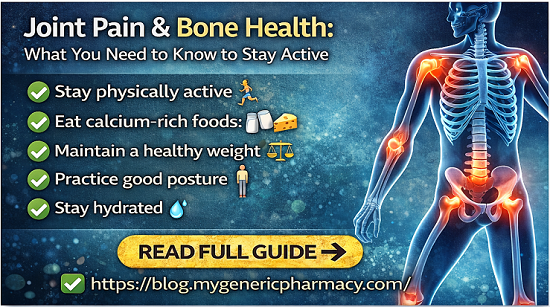
Joint Pain & Bone Health

Conditions like Osteoarthritis and Osteoporosis are common, especially in older adults. Furthermore, these conditions may weaken bones and damage joints over time. Because of this, people may feel pain, swelling, or reduced movement.

Fortunately, healthy habits can protect your bones and joints. Therefore, small lifestyle changes can make a big difference in long-term health.


Common Causes of Joint Pain

Joint pain can happen for many reasons. In some cases, it may result from a minor injury. However, in other cases, it may develop because of long-term health problems. Therefore, understanding the cause is important for proper treatment and pain relief.

  • Aging: Over time, natural wear and tear may damage the joints.
  • Injuries: Sprains, fractures, or repeated movements may lead to joint pain.
  • Inflammation: Conditions like Arthritis may cause swelling and stiffness.
  • Poor posture: Bad posture may place extra stress on the joints and muscles.
  • Lack of activity: Without regular movement, muscles and joints may become weak and stiff.

As a result, identifying the exact cause of joint pain is essential for effective treatment and better long-term joint health.


Signs You Should Not Ignore (Flesch Optimized)

Early signs of joint and bone problems should not be ignored. Quick action can help prevent serious issues.

  • Persistent joint pain or stiffness: Long pain may mean joint damage.
  • Swelling or redness: Joints may become swollen or warm.
  • Reduced range of motion: Movement may become limited over time.
  • Weak or brittle bones: Bones may break more easily.
  • Pain during movement: Pain may happen while walking or bending.

Early diagnosis is very important. It can improve treatment results. It can also protect bone and joint health in the long term. Small daily habits can help protect your bones and joints. For example, light exercise may improve movement and reduce stiffness. In addition, healthy food can support strong bones and muscles.


Why Bone Health Matters

Strong bones support your body and protect important organs like the heart, lungs, and brain. In addition, healthy bones help you move, balance, and stand properly. However, bone strength naturally decreases with age. As a result, weak bones and fractures may become more common over time.

Furthermore, women after menopause may lose bone strength faster because of hormonal changes. Therefore, healthy food, regular exercise, and enough calcium and vitamin D may help keep bones strong and healthy.


How to Keep Your Bones and Joints Healthy

1. Stay Physically Active

In addition, physical activity may reduce stiffness and improve balance. Activities like walking, yoga, stretching, and strength training are highly beneficial for overall joint and bone health.

2. Eat a Nutrient-Rich Diet

A healthy diet plays an important role in keeping bones strong. For example, calcium and vitamin D are essential for bone health. Therefore, include dairy products, leafy greens, nuts, fish, and fortified foods in your daily meals.

3. Maintain a Healthy Weight

Excess body weight places extra stress on the joints, especially the knees and hips. As a result, joint pain and stiffness may become worse over time. Maintaining a healthy weight may help reduce pressure on the joints and improve mobility.

4. Practice Good Posture

Good posture helps protect your joints and muscles from unnecessary strain. Furthermore, proper sitting and standing positions may prevent long-term joint and back problems. Therefore, maintaining correct posture is important during work, exercise, and daily activities.

5. Stay Hydrated

Drinking enough water is important for healthy joints. In addition, proper hydration helps keep joints lubricated and may reduce stiffness. As a result, movement may become smoother and more comfortable.

6. Healthy Foods for Strong Bones and Joints

Healthy food is important for strong bones and flexible joints. For example, foods rich in calcium may help keep bones strong. In addition, vitamin D may help the body absorb calcium more easily. As a result, a balanced diet may help reduce weakness and improve body strength over time.


Easy Ways to Protect Your Bones

Healthy bones are important for daily life. They help you stand, walk, and move with ease. Therefore, caring for your bones should be a daily habit.

Simple activities like walking and stretching may help keep bones strong. In addition, eating healthy foods may support bone strength and body balance. Milk, yogurt, nuts, and green vegetables are good choices.


Treatment Options for Joint Pain

Treatment for joint pain depends on the cause of the problem. In some cases, mild pain improves with rest and exercise. However, severe pain may need medical care. Therefore, early treatment is very important.

  • Medications: Pain relievers and anti-inflammatory drugs may help reduce pain and swelling.
  • Physical therapy: Simple exercises may improve strength, flexibility, and movement.
  • Lifestyle changes: Healthy food, regular exercise, and weight control may support joint health.
  • Surgery: In severe cases, doctors may recommend joint replacement surgery.

As a result, the right treatment plan may reduce pain and improve daily life. In addition, regular care may help protect the joints from further damage.

A simple rule for healthy joints is this: the more you move, the less stiff you may feel. Therefore, try not to sit in one position for too long. Whether you are reading, working, or watching TV, change your position often. In addition, take short breaks from your chair or desk and move your body regularly.


Conclusion: Stay Active, Stay Strong

Joint pain and bone health are closely linked to overall well-being. Therefore, taking care of your bones and joints is very important for a healthy and active life. In addition, healthy habits may help reduce pain, improve movement, and support better balance.

As a result, you may enjoy better mobility and a higher quality of life. In 2026, the goal is simple—protect your bones, care for your joints, and stay active for many years to come.


Calcium and vitamin D

If you have Rheumatoid Arthritis (RA), eating fish may help reduce joint pain. For example, fatty fish like salmon and mackerel are rich in omega-3 fatty acids. These healthy fats may help keep joints healthy and reduce inflammation. As a result, pain, swelling, and tenderness may become less severe over time.

If you do not like fish, fish oil capsules may also help. However, it is important to talk with a doctor before taking supplements regularly.

If you do not get enough calcium from food, supplements may help. However, it is best to talk with a doctor before taking them regularly. As a result, the right amount of calcium and vitamin D may help keep your bones strong and healthy over time.


References:

  1. World Health Organization – Musculoskeletal health guidelines
  2. Centers for Disease Control and Prevention – Arthritis and joint health resources
  3. International Osteoporosis Foundation – Osteoporosis prevention and management
  4. Mayo Clinic – Joint pain causes and treatments

Medications that have been suggested by doctors worldwide are available on the link below
https://mygenericpharmacy.com/category/products/pain-relief
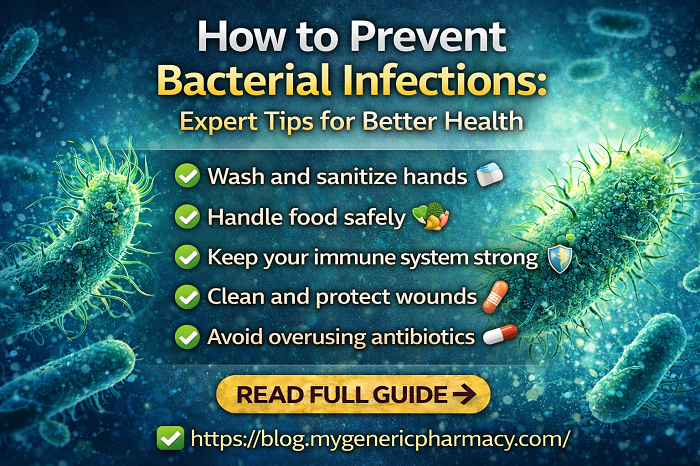
How to Prevent Bacterial Infections: Expert Tips for Better Health

How to Prevent Bacterial Infections: Expert Tips for Better Health

Bacterial infections are common and can affect people of all ages. Some infections are mild, while others can become serious. In 2026, prevention is one of the best ways to protect your health. Simple daily habits can lower your risk of infection. For example, washing your hands, eating clean food, and keeping your body healthy can help stop bacteria from spreading. In addition, learning how infections spread can help you stay safe. This guide shares easy and expert tips to help prevent bacterial infections and improve your overall health.


What Are Bacterial Infections?

Bacterial infections happen when harmful bacteria enter the body and make you sick. These infections can affect different parts of the body, including the skin, lungs, stomach, and blood. For example, common bacterial infections include strep throat, food poisoning, and urinary tract infections. Some infections are mild and improve quickly. However, others can become serious if they are not treated on time. Therefore, early care, good hygiene, and proper awareness are important for staying healthy.

Bacterial Infections


How Do Bacterial Infections Spread?

Understanding how bacteria spread is very important for preventing infections. In most cases, bacteria can spread in several ways. For example, infections may pass through direct contact with a sick person, contaminated food or water, poor hygiene habits, or touching dirty surfaces. In addition, bacteria can enter the body through cuts or open wounds on the skin. Therefore, keeping your hands and surroundings clean can help lower the risk of infection. Moreover, staying aware of these common causes can help protect your health and prevent the spread of harmful bacteria.


Top Tips to Prevent Bacterial Infections

1. Maintain Proper Hygiene

Washing your hands often with soap and water is one of the best ways to prevent bacterial infections. For example, you should wash your hands before eating, after using the toilet, and after touching public surfaces. In addition, keeping your home, clothes, and personal items clean can help reduce the spread of bacteria. Therefore, good hygiene is very important for staying healthy.

2. Practice Safe Food Handling

Food can carry harmful bacteria if it is not handled properly. Therefore, safe food habits are important for preventing illness. For example:

  • Cook food completely
  • Keep food at the correct temperature
  • Separate raw and cooked foods

Furthermore, washing fruits and vegetables before eating can also help remove harmful bacteria and lower the risk of infection.

3. Keep Your Immune System Strong

A healthy immune system helps your body fight bacteria and infections naturally. Therefore, it is important to follow healthy daily habits. For instance:

  • Eat healthy and balanced meals
  • Drink enough water
  • Get proper sleep every night
  • Exercise regularly

In addition, managing stress can also support better immune health and improve overall well-being.

4. Clean and Protect Wounds

Even a small cut or scratch can allow bacteria to enter the body. Therefore, clean wounds quickly with clean water and keep them covered until they heal. Moreover, avoid touching wounds with dirty hands because this can increase the risk of infection.

5. Avoid Unnecessary Antibiotic Use

Using antibiotics too often can make bacteria stronger and harder to treat. This problem is called antibiotic resistance. Therefore, take antibiotics only when your doctor recommends them. In addition, always complete the full course of medicine as advised. Otherwise, the infection may return or become more difficult to treat later.


Signs of a Bacterial Infection

Recognizing the signs of a bacterial infection early can help you get treatment on time. In many cases, early care can prevent serious health problems. Common symptoms may include:

  • Fever
  • Redness or swelling
  • Pain or discomfort
  • Feeling tired or weak
  • Pus or unusual discharge

In addition, some people may notice symptoms getting worse over time. Therefore, it is important to see a healthcare professional if the symptoms continue or become severe. Otherwise, delaying treatment may increase the risk of complications and slower recovery.


Who Is at Higher Risk?

For example, children and older adults may get sick more easily because their immune systems are weaker. In addition, people with chronic diseases or weakened immune systems are also more vulnerable to infections. Therefore, these groups should follow good hygiene habits, eat healthy foods, and take proper medical advice to stay protected and healthy.


Vaccination to Prevent Bacterial Infections

Vaccines are very important for preventing many bacterial infections. They help the immune system recognize harmful bacteria and fight them more effectively. As a result, the body can protect itself from serious illness. In addition, getting recommended vaccines on time can lower the spread of infections in the community. Therefore, staying up to date with vaccinations is an important step for protecting both your health and the health of others.


Healthy Lifestyle for Long-Term Protection

In addition, managing stress may help your body stay healthy and fight infections better. Likewise, keeping your body, clothes, and surroundings clean can reduce the spread of harmful bacteria. Furthermore, staying informed about common health risks can help you take the right safety steps.


Many bacterial infections are mild and improve with proper care. However, some infections may become serious and need medical attention. Therefore, you should see a doctor if you experience:

  • High or long-lasting fever
  • Severe pain
  • Difficulty breathing
  • Symptoms that do not improve

In addition, symptoms that get worse over time should not be ignored. Early medical treatment can help prevent complications and support faster recovery. Therefore, getting help at the right time is very important for your health.


Conclusion: Prevention Is Better Than Cure

In addition, staying informed about health risks and taking early precautions can protect both you and your family. Furthermore, small daily actions can make a big difference in lowering the risk of illness. Therefore, it is important to stay careful, stay healthy, and make your well-being a daily priority.


References:

https://www.health.harvard.edu/healthy-aging-and-longevity/how-to-prevent-infections
https://www.mayoclinic.org/diseases-conditions/infectious-diseases/in-depth/germs/art-20045289
https://wellri.com/10-essential-hygiene-practices-to-stop-bacterial-spread

Medications that have been suggested by doctors worldwide are available on the link below
https://mygenericpharmacy.com/category/disease/bacterial-infection

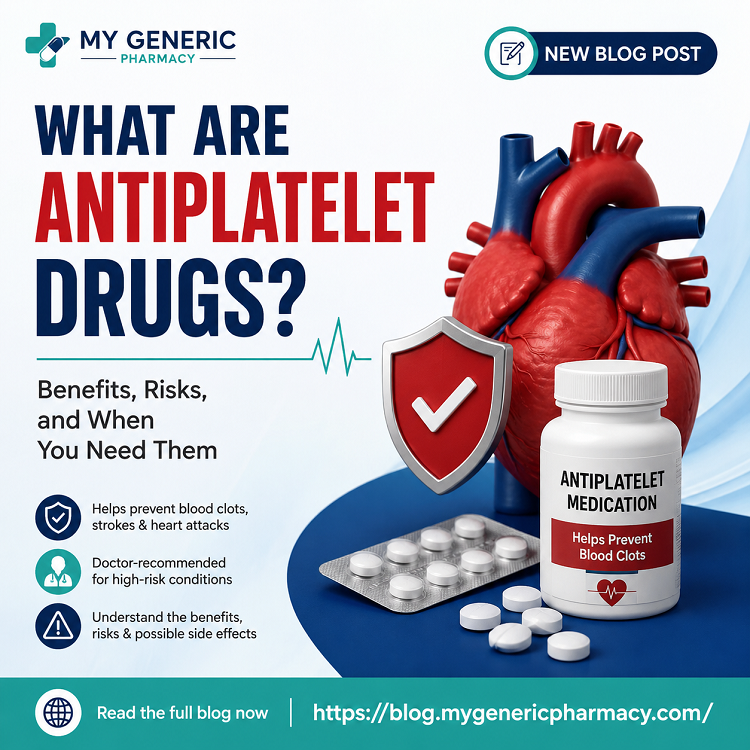
Antiplatelet Drugs: Benefits, Risks, and When You Need Them

Antiplatelet Drugs: Benefits, Risks, and When You Need Them

Heart disease and stroke are major health problems around the world. However, antiplatelet drugs can help lower these risks. These medicines stop harmful blood clots from forming and help blood flow more easily through the body. As a result, they protect important organs like the heart and brain. In addition, doctors often give these drugs to people who have a high risk of heart attack or stroke. In this guide, you will learn how antiplatelet drugs work, their main benefits, possible side effects, and when they may be needed.


What Are Antiplatelet Drugs?

Antiplatelet drugs are medicines that stop blood cells called platelets from sticking together and forming clots. Normally, blood clotting helps stop bleeding after an injury. However, clots that form inside blood vessels can block blood flow to the heart or brain. As a result, they may cause serious problems like heart attacks or strokes. Therefore, doctors often use antiplatelet drugs to improve blood flow and lower the risk of dangerous health complications.

Antiplatelet Drugs

Common antiplatelet medicines include Aspirin, Clopidogrel, and Ticagrelor. These drugs help reduce the risk of blood clots. As a result, they can help prevent heart attacks and strokes. In addition, doctors often prescribe them for people with heart disease or for patients recovering after heart procedures.


How Do Antiplatelets Work?

Antiplatelets help slow down the clotting process by reducing platelet activity. As a result, platelets are less likely to stick together and form clots. This is very important in narrow or damaged arteries, where blood flow can easily become blocked. Therefore, these medicines help keep blood flowing properly through the body. In addition, they play a major role in lowering the risk of heart attacks and strokes. Because of these benefits, doctors often prescribe antiplatelets to people with a high risk of heart disease.


Benefits of Antiplatelet Drugs

Antiplatelet therapy offers many important health benefits:

1. Prevents Heart Attacks

These medicines help reduce clot formation and keep arteries open. As a result, the risk of heart attacks becomes lower.

2. Reduces Stroke Risk

They help stop clots from reaching the brain. Therefore, they can lower the chance of ischemic strokes.


When Do You Need Antiplatelet Drugs?

Doctors may prescribe antiplatelet medicines in several situations, including:

  • After a heart attack or stroke
  • In people with coronary artery disease
  • After angioplasty or stent placement
  • For those with a high risk of blood clots
  • In patients with peripheral artery disease

In these cases, antiplatelets help improve blood flow and reduce the risk of serious complications. However, these medicines should only be taken under medical supervision to avoid possible side effects or bleeding risks.


Risks and Side Effects

While antiplatelet drugs are effective, they also carry some risks. Therefore, it is important to use them carefully and follow medical advice.

Common Side Effects

Some people may experience mild side effects, including:

  • Easy bruising
  • Nosebleeds
  • Upset stomach

Serious Risks

In some cases, these medicines may cause more serious problems, such as:

  • Internal bleeding
  • Bleeding in the stomach or intestines
  • Higher risk of bleeding after an injury

Because of these risks, patients should always follow their doctor’s instructions carefully. In addition, they should report any unusual bleeding or symptoms as soon as possible.


Who Should Avoid Antiplatelets?

Some people may need to avoid antiplatelet medicines or use them with extra care. For example, this includes:

  • People with bleeding disorders
  • Patients who have stomach ulcers
  • Those preparing for surgery
  • Individuals who are allergic to certain medicines

In these situations, the risk of bleeding or other complications may become higher. Therefore, it is very important to inform your doctor about your full medical history before starting treatment. In addition, always tell your doctor about any other medicines or supplements you are taking.


Tips for Safe Use

To use antiplatelet drugs safely, it is important to follow a few simple precautions:

  • Take the medicine exactly as prescribed by your doctor
  • Avoid using other blood-thinning medicines without medical advice
  • Limit alcohol consumption, as it may increase bleeding risk
  • Report any unusual bleeding or bruising immediately
  • Attend regular medical checkups to monitor your health

By following these steps, patients can reduce possible risks and get the maximum benefits from treatment. In addition, regular communication with a doctor can help ensure safe and effective use of these medicines.


Conclusion: Protect Your Heart the Smart Way

In fact, they play an important role in improving blood flow and reducing the risk of dangerous blood clots. However, while they offer significant benefits, they must be used carefully due to potential risks and side effects. Therefore, understanding when and how to use these medications can help you make informed decisions about your health. In addition, regular medical guidance is essential for safe and effective treatment. Stay informed, follow medical advice, and take steps to protect your heart health.


References:

https://my.clevelandclinic.org/health/drugs/22955-antiplatelet-drugs

Medications that have been suggested by doctors worldwide are available on the link below
https://mygenericpharmacy.com/category/products/blood-thinner

Anti-Aging 2026: How to Protect Your Skin, Body, and Mind

Anti-Aging 2026: How to Protect Your Skin, Body, and Mind

Aging is a natural process, but how you age depends largely on your lifestyle choices. In 2026, anti-aging is no longer just about looking younger—it’s about staying healthy, active, and mentally sharp. By adopting the right habits, you can protect your skin, body, and mind for years to come.


What Is Anti-Aging and Why Does It Matter?

Anti-aging refers to practices that help slow down the visible and internal effects of aging. Over time, your body produces less collagen, metabolism slows, and cell repair becomes less efficient. As a result, you may notice wrinkles, low energy levels, and reduced mental clarity. However, with the right approach, you can delay these changes and maintain a youthful lifestyle.


How Aging Affects Your Skin, Body, and Mind

Aging impacts different parts of your body in various ways:

1. Skin Changes

Your skin loses elasticity and moisture, leading to fine lines, wrinkles, and dryness. Sun exposure can accelerate these effects.

2. Physical Health

Muscle mass decreases with age, while joint stiffness and fatigue may increase. This can affect mobility and overall strength.

3. Mental Health

Cognitive function may decline over time, leading to memory issues and slower thinking. Stress and poor sleep can make this worse.


Top Anti-Aging Tips for Healthy Skin

Taking care of your skin is one of the most visible aspects of anti-aging.

  • Use sunscreen daily to protect against harmful UV rays
  • Stay hydrated to maintain skin elasticity
  • Follow a skincare routine with cleansing and moisturizing
  • Eat antioxidant-rich foods like fruits and vegetables

These simple habits can help keep your skin glowing and youthful.


Protecting Your Body from Aging

Your physical health plays a major role in how you age.

1. Exercise Regularly

Physical activity helps maintain muscle strength, improves circulation, and boosts energy levels. Aim for at least 30 minutes of exercise daily.

2. Maintain a Balanced Diet

Include proteins, healthy fats, and whole grains in your diet. Nutrients like vitamin C and E support cell repair and help reduce signs of aging.

3. Get Quality Sleep

Sleep allows your body to repair and regenerate. Poor sleep can accelerate the aging process and weaken the immune system.


Keeping Your Mind Sharp and Active

Mental health is equally important in the anti-aging journey.

  • Engage in brain activities like reading or puzzles
  • Practice mindfulness or meditation
  • Stay socially connected with friends and family
  • Manage stress effectively

These habits can improve memory, focus, and emotional well-being.


Lifestyle Habits That Accelerate Aging

Certain habits can speed up the aging process:

  • Smoking and excessive alcohol consumption
  • Poor diet and lack of exercise
  • Chronic stress
  • Inadequate sleep

Avoiding these can significantly improve your long-term health and appearance.


Modern Anti-Aging Trends in 2026

In 2026, anti-aging focuses more on prevention than cure. Popular trends include:

  • Natural skincare products
  • Holistic wellness approaches
  • Personalized nutrition plans
  • Digital health tracking

These innovations make it easier to monitor and improve your health.


While aging cannot be stopped completely, it can be slowed down. Healthy habits, early prevention, and regular health checkups can make a noticeable difference. Consistency is the key. Small daily actions can lead to long-term benefits.


Conclusion: Age Smart, Live Better

Anti-aging in 2026 is about more than appearance—it’s about living a healthier and more fulfilling life. By protecting your skin, staying physically active, and keeping your mind sharp, you can enjoy a better quality of life as you age. Start today with simple changes, and your future self will thank you. Age smart, stay strong, and live better.

Medications that have been suggested by doctors worldwide are available on the link below
https://mygenericpharmacy.com/category/disease/alzheimer-disease

Alzheimer’s Uncovered: What Triggers It and How to Stay Protected

Alzheimer’s Uncovered: What Triggers It and How to Stay Protected

Alzheimer’s disease is one of the most common causes of memory loss worldwide. It mainly affects older adults, but early signs can begin years before diagnosis. In 2026, awareness about Alzheimer’s is growing, and understanding its triggers and prevention strategies is more important than ever. This guide explains what causes Alzheimer’s, its early warning signs, and how you can protect your brain health.


What Is Alzheimer’s Disease?

Alzheimer’s disease is a progressive brain disorder that slowly destroys memory, thinking skills, and the ability to carry out simple tasks. It is the most common form of dementia. The disease develops due to abnormal protein deposits in the brain, which damage brain cells over time. As a result, communication between neurons breaks down, leading to cognitive decline.


What Triggers Alzheimer’s Disease?

There is no single cause of Alzheimer’s. Instead, it develops due to a combination of factors.

1. Age and Genetics

Age is the biggest risk factor. People over 65 are more likely to develop Alzheimer’s. Genetics also play a role, especially if there is a family history of the disease.

2. Brain Changes

The buildup of amyloid plaques and tau tangles disrupts normal brain function. These changes begin years before symptoms appear.

3. Lifestyle Factors

Unhealthy habits can increase the risk:

  • Poor diet
  • Lack of physical activity
  • Smoking
  • Excessive alcohol consumption

4. Chronic Health Conditions

Conditions like high blood pressure, diabetes, and obesity can contribute to brain damage over time.


Early Warning Signs You Should Not Ignore

Recognizing symptoms early can help slow progression and improve quality of life.

  • Frequent memory loss
  • Difficulty completing familiar tasks
  • Confusion about time or place
  • Trouble finding the right words
  • Poor judgment or decision-making

If these signs appear regularly, it is important to consult a healthcare professional.


How Alzheimer’s Affects the Brain

Alzheimer’s gradually shrinks brain tissue and reduces connections between neurons. Areas responsible for memory, language, and reasoning are most affected. Over time, individuals may lose the ability to recognize loved ones or perform daily activities. Therefore, early awareness is key to managing the condition.


How to Stay Protected from Alzheimer’s

While there is no guaranteed cure, certain habits can significantly reduce your risk.

1. Keep Your Brain Active

Engage in activities like reading, puzzles, or learning new skills. Mental stimulation helps strengthen neural connections.

2. Follow a Healthy Diet

A balanced diet rich in fruits, vegetables, whole grains, and healthy fats supports brain health.

3. Exercise Regularly

Physical activity improves blood flow to the brain and reduces the risk of cognitive decline.

4. Manage Stress and Sleep

Chronic stress and poor sleep can negatively impact brain function. Aim for 7–8 hours of quality sleep daily.

5. Control Chronic Conditions

Keep blood pressure, sugar levels, and cholesterol under control through regular checkups and medication if needed.


Who Is at Higher Risk?

Certain groups are more vulnerable to Alzheimer’s:

  • Older adults (65+)
  • Individuals with a family history
  • People with heart disease or diabetes
  • Those with unhealthy lifestyle habits

Understanding your risk can help you take preventive steps early.


Can Alzheimer’s Be Prevented?

There is no guaranteed way to prevent Alzheimer’s, but research shows that a healthy lifestyle can delay its onset. Early detection, combined with proper care, can also improve quality of life. Scientists are continuously working on new treatments and therapies, offering hope for the future.


Conclusion: Protect Your Brain for the Future

Alzheimer’s disease is a serious condition, but knowledge is your first line of defense. By understanding what triggers it and adopting healthy habits, you can reduce your risk and protect your brain. In 2026, the message is clear—stay active, eat well, manage your health, and never ignore early warning signs. Your brain health matters.


References: https://www.cdc.gov/alzheimers-dementia/prevention/index.html


Safe Alcohol Consumption 2026: Everything You Need to Know

Safe Alcohol Consumption 2026: Everything You Need to Know

Alcohol is widely consumed across the world, whether during celebrations, social gatherings, or to relax after a long day. However, in 2026, awareness about safe alcohol consumption is more important than ever. Understanding how alcohol affects your body and learning how to drink responsibly can help you avoid serious health risks.


What Is Alcohol and Why Does It Affect You?

Alcohol, also known as ethanol, is a substance that directly impacts your brain and nervous system. Once consumed, it enters your bloodstream and slows down brain activity. As a result, you may feel relaxed or less inhibited. However, these effects are temporary. Drinking too much alcohol can quickly lead to poor judgment, slower reflexes, and risky behavior. Therefore, knowing your limits is essential.


Short-Term Effects of Alcohol

Alcohol begins affecting your body within minutes. Even small amounts can cause noticeable changes.

  • Relaxation and mood changes
  • Reduced coordination
  • Slurred speech
  • Slower reaction time
  • Dehydration

Because of these effects, activities like driving or operating machinery become dangerous after drinking.


Long-Term Health Risks of Excessive Drinking

Drinking more than the recommended limits over time can harm your overall health.

1. Liver Damage

Excess alcohol puts stress on your liver, leading to conditions like fatty liver or cirrhosis.

2. Heart Issues

Heavy drinking may increase blood pressure and raise the risk of heart disease.

3. Mental Health Problems

Alcohol can worsen anxiety, depression, and sleep disorders.

4. Increased Cancer Risk

Long-term alcohol use is linked to several cancers, including liver and throat cancer.


Practical Tips for Safe Drinking

Following simple habits can make a big difference in how alcohol affects your body.

  • Eat before drinking to slow alcohol absorption
  • Drink water regularly to stay hydrated
  • Avoid mixing alcohol with medications
  • Set a limit before you start drinking
  • Sip slowly instead of consuming drinks quickly

These tips help you stay in control and reduce harmful effects.


Who Should Avoid Alcohol Completely?

For some individuals, the safest choice is not to drink at all. This includes:

  • Pregnant or breastfeeding women
  • People with liver or kidney disease
  • Individuals taking certain medications
  • Those with a history of alcohol dependency

In these cases, even small amounts of alcohol can be harmful.


Signs You Are Drinking Too Much

Recognizing early warning signs can help prevent serious problems.

  • Drinking more than planned
  • Craving alcohol regularly
  • Difficulty stopping once you start
  • Ignoring responsibilities
  • Experiencing withdrawal symptoms

If you notice these signs, it may be time to seek professional support.


Benefits of Drinking Less

Reducing alcohol intake offers several health benefits:

  • Better sleep quality
  • Improved liver function
  • More energy and focus
  • Reduced risk of chronic diseases

Even small changes in drinking habits can lead to noticeable improvements in your overall well-being.


Conclusion:

Safe alcohol consumption is all about awareness and control. While occasional drinking may be acceptable for some people, overconsumption can lead to serious health risks.

By understanding your limits, following safety tips, and making informed choices, you can enjoy alcohol responsibly. In 2026, the focus is clear—drink less, stay safe, and protect your health for the long term.


References:

https://my.clevelandclinic.org/health/diseases/alcohol-associated-liver-disease
https://www.healthline.com/health/alcoholism/cardiomyopathy
https://www.webmd.com/mental-health/addiction/what-to-know-about-alcohol-and-mental-health
https://www.cdc.gov/cancer/risk-factors/alcohol.html

Medications that have been suggested by doctors worldwide are available on the link below
https://mygenericpharmacy.com/category/disease/alcoholism

A Hidden Killer in Your Blood: The Truth About Leukemia

A Hidden Killer in Your Blood: The Truth About Leukemia

Leukemia is a type of blood cancer that affects the body’s white blood cells, weakening the immune system and making it harder to fight infections. Although it can sound frightening, early diagnosis and modern treatments have significantly improved survival rates. In this guide, you’ll learn everything about leukemia—its symptoms, causes, types, and the latest treatment options.


🧬 What Is Leukemia?

Leukemia develops in the bone marrow, where blood cells are produced. In this condition, the body creates abnormal white blood cells that don’t function properly. These unhealthy cells multiply quickly and crowd out healthy blood cells, leading to serious health issues.


⚠️ Common Symptoms of Leukemia

Leukemia symptoms can vary depending on the type and stage, but some early warning signs include:

  • Persistent fatigue and weakness
  • Frequent infections
  • Fever or chills
  • Easy bruising or bleeding
  • Unexplained weight loss
  • Swollen lymph nodes
  • Bone or joint pain

👉 These symptoms are often mild at first, so many people ignore them. Early detection is key to successful treatment.


🔍 Types of Leukemia

Leukemia is mainly classified into four major types:

1. Acute Lymphocytic Leukemia (ALL)

  • Common in children
  • Develops rapidly and requires immediate treatment

2. Acute Myeloid Leukemia (AML)

  • Affects both adults and children
  • Progresses quickly

3. Chronic Lymphocytic Leukemia (CLL)

  • Mostly seen in older adults
  • Develops slowly over time

4. Chronic Myeloid Leukemia (CML)

  • Associated with a genetic mutation
  • Progresses gradually but can become aggressive

🧪 Causes and Risk Factors

The exact cause of leukemia is not always known, but several risk factors may increase the chances:

  • Genetic mutations
  • Exposure to high levels of radiation
  • Smoking
  • Previous cancer treatments (chemotherapy or radiation)
  • Family history of blood cancers

👉 While these factors increase risk, leukemia can also occur in people with no known risk factors.


🩺 Diagnosis of Leukemia

Doctors use several tests to diagnose leukemia:

  • Blood tests to check abnormal cell counts
  • Bone marrow biopsy for confirmation
  • Imaging tests like CT scans
  • Genetic testing to identify specific mutations

Early diagnosis helps doctors choose the most effective treatment plan.


💊 Latest Treatment Options

Treatment depends on the type and severity of leukemia. Modern medicine offers several effective options:

1. Chemotherapy

The most common treatment that kills cancer cells or stops their growth.

2. Targeted Therapy

Drugs that specifically attack cancer cells without harming healthy cells.

3. Immunotherapy

Boosts the body’s immune system to fight leukemia.

4. Radiation Therapy

Uses high-energy rays to destroy cancer cells.

5. Stem Cell Transplant

Replaces damaged bone marrow with healthy cells.

👉 Advances in medical science have made these treatments more effective and less harmful than before.


🥗 Lifestyle and Supportive Care

While medical treatment is essential, lifestyle also plays an important role:

  • Eat a balanced, nutritious diet
  • Maintain hygiene to avoid infections
  • Stay physically active as per the doctor’s advice
  • Manage stress through meditation or relaxation techniques

Support from family and mental health care is equally important during recovery.


❤️ Can Leukemia Be Prevented?

There is no guaranteed way to prevent leukemia, but you can reduce risk by:

  • Avoiding smoking
  • Limiting exposure to harmful chemicals
  • Maintaining a healthy lifestyle

Regular health checkups can also help in early detection.


📝 Final Thoughts

Leukemia is a serious condition, but it is not unbeatable. With early diagnosis, advanced treatments, and proper care, many patients are living long and healthy lives. The key is awareness—recognizing symptoms early and seeking medical help without delay.

👉 If you notice any unusual symptoms, consult a healthcare professional immediately. Your health is your greatest asset—protect it.


References:

https://www.webmd.com/cancer/lymphoma/understanding-leukemia-basics
https://www.hopkinsmedicine.org/health/conditions-and-diseases/leukemia
https://my.clevelandclinic.org/health/diseases/4365-leukemia
https://www.medicinenet.com/leukemia/article.htm

Medications that have been suggested by doctors worldwide are available on the link below
https://mygenericpharmacy.com/category/disease/cancer

The Truth About Serious Lung Diseases: Causes, Risks & Prevention Tips

The Truth About Serious Lung Diseases: Causes, Risks & Prevention Tips

Your lungs are vital organs that keep your body supplied with oxygen and free from harmful gases. Yet, millions of people worldwide suffer from serious lung diseases that can drastically impact quality of life—and even become life-threatening. From chronic conditions to infections, understanding the causes, risks, and prevention strategies is key to protecting your respiratory health.


What Are Serious Lung Diseases?

Serious lung diseases are conditions that affect the structure or function of the lungs, making it difficult to breathe properly. Some of the most common and dangerous ones include:

These conditions can range from manageable chronic illnesses to severe, life-threatening diseases requiring urgent medical care.


Common Causes of Lung Diseases

Understanding the root causes can help you reduce your risk:

1. Smoking and Tobacco Use

Smoking is the leading cause of lung diseases, especially COPD and lung cancer. Even secondhand smoke can damage lung tissues over time.

2. Air Pollution

Exposure to polluted air, especially in urban environments, increases the risk of respiratory conditions. Fine particles and toxic gases can inflame and damage the lungs.

3. Infections

Bacterial, viral, and fungal infections can severely affect lung health. Diseases like tuberculosis and pneumonia can cause long-term complications if untreated.

4. Occupational Hazards

People working in industries with dust, chemicals, or fumes are at higher risk. Long-term exposure can lead to chronic lung conditions.

5. Genetic Factors

Some lung diseases, such as certain types of pulmonary fibrosis, may have a genetic link.


Key Risk Factors You Should Know

Certain lifestyle and environmental factors can increase your chances of developing serious lung diseases:

  • Long-term smoking or vaping
  • Living in highly polluted areas
  • Weak immune system
  • Lack of physical activity
  • Poor nutrition
  • Family history of lung disease

Recognizing these risk factors early can help you take preventive action.


Warning Signs of Lung Disease

Many lung diseases develop slowly and silently. Watch out for these symptoms:

  • Persistent cough
  • Shortness of breath
  • Chest pain or tightness
  • Wheezing
  • Coughing up blood
  • Fatigue and weakness

If you experience any of these symptoms, consult a healthcare professional promptly.


Why Early Detection Matters

Early diagnosis can significantly improve treatment outcomes. Regular health check-ups and screenings are especially important if you are at high risk. Conditions like lung cancer, when detected early, have a much higher survival rate.


Internal Resource for Better Health

For more insights on protecting your overall health, don’t miss our detailed guide:
👉 Love Your Liver: Natural Ways to Keep Your Liver Strong & Prevent Liver Disease

Taking care of your liver and lungs together ensures a stronger, healthier body.


Conclusion

Serious lung diseases are a growing health concern, but they are often preventable with the right knowledge and lifestyle choices. By understanding the causes, recognizing the risks, and following simple prevention tips, you can safeguard your lung health for years to come.

Remember: every breath you take is precious—protect your lungs today for a healthier tomorrow.


References:

https://www.mayoclinic.org/diseases-conditions/copd/symptoms-causes/syc-20353679
https://my.clevelandclinic.org/health/diseases/4375-lung-cancer
https://www.webmd.com/asthma/what-is-asthma/
https://www.medicinenet.com/pulmonary_fibrosis/article.htm

Medications that have been suggested by doctors worldwide are available on the link below
https://mygenericpharmacy.com/category/disease/asthma-allergies

Love Your Liver: Natural Ways to Keep It Strong for Life

Love Your Liver: Natural Ways to Keep It Strong for Life

Your liver is one of the hardest-working organs in your body, responsible for detoxifying harmful substances, aiding digestion, and regulating metabolism. Yet, it’s often overlooked—until problems arise. With rising cases of Fatty Liver Disease and Hepatitis, taking proactive steps to protect your liver is more important than ever. The good news? You can support your liver naturally with simple lifestyle changes.


Why Liver Health Matters

The liver performs over 500 vital functions, including filtering toxins from your blood, producing bile for digestion, and storing essential nutrients. When your liver is overburdened, it can lead to serious conditions like Cirrhosis or even liver failure.

Early damage often shows no symptoms, making prevention the most effective strategy for maintaining long-term health.


Top Natural Ways to Keep Your Liver Strong

1. Eat a Liver-Friendly Diet

A balanced diet is your first line of defense against liver disease. Focus on:

  • Fresh fruits and vegetables (rich in antioxidants)
  • Whole grains and fiber-rich foods
  • Healthy fats like nuts and seeds

Avoid processed foods, excess sugar, and saturated fats, which can contribute to Nonalcoholic Fatty Liver Disease.


2. Stay Hydrated

Water helps flush toxins out of your body and supports liver function. Aim for at least 7–8 glasses daily to keep your system clean and efficient.


3. Limit Alcohol Consumption

Excess alcohol is one of the leading causes of liver damage. Over time, it can lead to conditions like Alcoholic Liver Disease. If you drink, do so in moderation—or avoid it altogether for optimal liver health.


4. Maintain a Healthy Weight

Being overweight increases your risk of developing fatty liver disease. Regular exercise, such as Brisk Walking or yoga, can help you maintain a healthy weight and improve liver function.


5. Avoid Toxins and Harmful Chemicals

Every day exposure to chemicals—from cleaning products to pesticides—can strain your liver. Try to:

  • Use natural or eco-friendly products
  • Wash fruits and vegetables thoroughly
  • Avoid unnecessary medications

6. Use Medications Wisely

Overuse of certain medications, including Paracetamol, can harm your liver. Always follow dosage instructions and consult a doctor when in doubt.


7. Get Vaccinated

Vaccination is a powerful way to protect your liver from infections like Hepatitis A and Hepatitis B. Speak to your healthcare provider about recommended vaccines.


8. Include Liver-Supporting Foods

Certain foods are known to boost liver health naturally:

  • Garlic (helps detoxification)
  • Turmeric (anti-inflammatory properties)
  • Green tea (rich in antioxidants)
  • Leafy greens (support cleansing)

These foods can help reduce inflammation and improve liver function over time.


Signs Your Liver Needs Attention

Even though liver disease can be silent, watch for these warning signs:

  • Fatigue and weakness
  • Yellowing of the skin (jaundice)
  • Abdominal pain or swelling
  • Dark urine or pale stool

If you notice these symptoms, consult a healthcare professional immediately.


Simple Daily Habits for Long-Term Liver Health

Small lifestyle changes can make a big difference:

  • Start your day with warm lemon water
  • Stay physically active
  • Get enough sleep (7–8 hours)
  • Manage stress through meditation or yoga

Consistency is key when it comes to protecting your liver.


Conclusion

Your liver plays a crucial role in keeping your body healthy and functioning smoothly. By adopting natural, healthy habits, you can prevent liver disease and improve your overall well-being. From eating a balanced diet to staying active and avoiding toxins, every small step counts.

Love your liver today—because a healthy liver means a healthier, longer life.


References:

https://www.medicalnewstoday.com/articles/fatty-liver
https://www.healthline.com/nutrition/11-foods-for-your-liver
https://www.prevention.com/food-nutrition/a64577852/foods-good-for-liver/
https://www.hims.com/guides/how-to-improve-liver-health

Medications that have been suggested by doctors worldwide are available on the link below
https://mygenericpharmacy.com/category/products/blood-thinner

Antivirals Explained: How These Powerful Drugs Fight Viral Infections

Antivirals Explained: How These Powerful Drugs Fight Viral Infections

Every year, seasonal influenza affects up to one billion people globally, leading to hundreds of thousands of deaths. From the common cold to more serious threats like HIV and COVID-19, viral infections are a persistent reality of human health. Unlike bacterial infections, which can be cured with antibiotics, viruses are trickier to eliminate. This is where antiviral drugs come into play.

Antivirals are a class of medication designed specifically to treat viral infections. But how do they work, and why aren’t they as widely discussed as antibiotics? Here is your complete guide to understanding these powerful drugs.


The Virus Problem: Why They Are Hard to Kill

To understand antivirals, you first have to understand the enemy. Viruses are microscopic parasites. Unlike bacteria (which are living cells that can survive on their own), viruses need a host—namely, your cells—to replicate. A virus works by attaching to a healthy cell, injecting its genetic material inside, and hijacking that cell’s machinery to produce thousands of copies of itself. This process destroys the host cell and spreads the infection.

Because viruses use your own cells to replicate, finding a drug that kills the virus without killing your cells is incredibly difficult. Antibiotics, for example, target the unique cell walls of bacteria—structures that human cells don’t have. Viruses don’t have cell walls, making antibiotics completely useless against them. 


How Antivirals Work: Disrupting the Life Cycle

Instead of “killing” the virus (which is nearly impossible without harming the host), antiviral drugs work by suppressing the virus’s ability to replicate. They act as a wrench thrown into the gears of the viral life cycle.

Most antivirals target specific stages of viral reproduction:

1. Blocking Entry (Uncoating)

Some drugs prevent the virus from latching onto or entering healthy human cells. If the virus can’t get inside, it can’t replicate.

2. Inhibiting Genome Replication

This is the most common mechanism. Once a virus is inside a cell, it tries to copy its DNA or RNA. Nucleoside analogs (like Acyclovir for herpes or Remdesivir for COVID-19) trick the virus. They look like building blocks, but when the virus uses them, it halts the replication chain.

3. Blocking Release

Influenza drugs like Oseltamivir (Tamiflu) work by blocking an enzyme called neuraminidase. This traps the virus inside the host cell, preventing it from spreading to other parts of your respiratory tract.


Direct-Acting vs. Host-Targeted Antivirals

There are generally two types of antiviral strategies:

  • Direct-Acting Antivirals (DAAs): 
  • These attack the virus directly. Most modern HIV and Hepatitis C drugs fall into this category. They are highly effective but vulnerable to drug resistance. If the virus mutates, the drug may stop working. 
  • Host-Targeted Antivirals: 
  • These modify human cells to make them inhospitable to the virus. Because they don’t target the virus directly, the virus has a much harder time developing resistance. Recent research has identified compounds that target the host’s SKI complex to block viral RNA production.

The Challenge of Resistance

Just like bacteria evolve to beat antibiotics, viruses evolve to beat antivirals. Antiviral resistance occurs when a virus mutates so that the drug can no longer bind to it effectively. This is a major concern for global health organizations like the WHO, which constantly monitors resistance patterns to HIV and influenza to update treatment guidelines.


Conclusion

Antivirals are one of modern medicine’s most vital defenses. While they don’t always “cure” a virus in the way antibiotics cure strep throat, they stop viruses in their tracks, prevent severe illness, and save lives. The next time you get a prescription for Tamiflu or a similar medication, remember: taking it exactly as prescribed early in your illness is the best way to stop the viral hijack.


References:

  1. Centers for Disease Control and Prevention (CDC). Treating Flu with Antiviral Drugs
  2. World Health Organization (WHO). Influenza Care Guidelines.
  3. National Institutes of Health (NIH). Table 1: Types of Cures and Modes of Action
  4. U.S. Food and Drug Administration (FDA). Influenza (Flu) Antiviral Drugs.

Medications that have been suggested by doctors worldwide are available on the link below
https://mygenericpharmacy.com/category/anti-viral.


Disclaimer: This article is for informational purposes only and does not constitute medical advice. Always consult a healthcare provider before starting or stopping any medication.