Browsed by
Month: April 2026

Struggling in Silence? The Truth About Erectile Dysfunction Revealed

Struggling in Silence? The Truth About Erectile Dysfunction Revealed

Erectile dysfunction is common. However, many people do not talk about it. It affects millions of men around the world. Even so, many men feel shy or embarrassed. As a result, they avoid getting help.

In simple words, Erectile Dysfunction means trouble getting or keeping an erection. At times, this can happen to anyone. However, if it happens often, then it may be a sign of a health problem.


What Is Erectile Dysfunction?
Erectile dysfunction

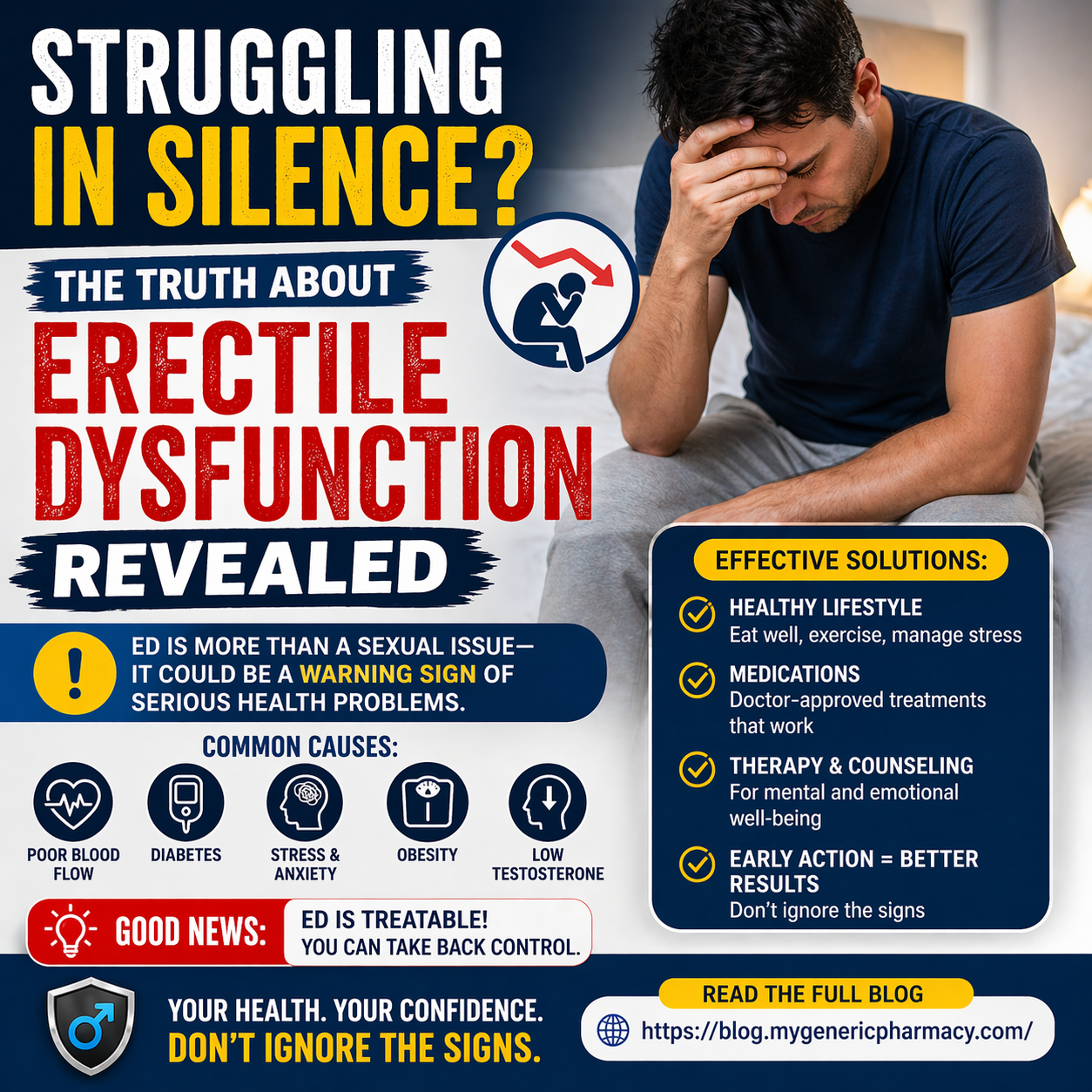
Erectile dysfunction is the inability to get or keep an erection firm enough for sex. In other words, it means the erection is not strong or does not last long enough. At times, men may face occasional difficulty. However, this is normal. But if the problem happens often, then it may be a sign of Erectile Dysfunction.

This condition can affect men of all ages. Even so, it becomes more common with age. However, it is important to note that Erectile Dysfunction is not a natural or unavoidable part of aging. Therefore, men should not ignore it. In fact, many cases can be treated effectively. With the right care and support, improvement is possible.


Common Causes of Erectile Dysfunction

Erectile Dysfunction can have more than one cause. In most cases, it is linked to both body and mind. Therefore, it is important to understand all possible reasons.

Physical Causes

First, physical health plays a big role. Poor blood flow can make erections hard to achieve. For example, these conditions may increase risk:

  • High blood pressure
  • Diabetes
  • Obesity
  • Hormone imbalance

In addition, heart problems can reduce blood flow. As a result, erections may become weak or slow.

Psychological Causes

On the other hand, mental health is also important. Stress and anxiety can affect performance. For example:

  • Stress
  • Depression
  • Relationship problems
  • Performance fear

Even if the body is healthy, the mind can block arousal. Therefore, mental well-being matters a lot.


Warning Signs You Should Not Ignore

Erectile Dysfunction can start slowly. However, it can also appear suddenly. So, it is important to notice early signs.

Common signs include:

  • Trouble getting an erection
  • Trouble keeping an erection
  • Low sexual desire
  • Fear or stress during sex

At first, these signs may seem small. However, they can get worse over time. As a result, they may affect confidence and relationships.


Erectile Dysfunction and Overall Health

Erectile Dysfunction is not just a sexual issue. In fact, it can be a sign of other health problems.

This happens because blood vessels in the penis are small. Therefore, they show damage earlier. As a result, ED may appear before other symptoms.

For example, Erectile Dysfunction may be linked to:

  • Heart problems
  • High cholesterol
  • Diabetes
  • Hormone issues

Because of this, early action is very important.


Treatment Options That Work

The good news is that Erectile Dysfunction can be treated. However, treatment depends on the cause.

1. Lifestyle Changes

First, simple habits can help a lot:

  • Exercise daily
  • Eat healthy food
  • Stop smoking
  • Limit alcohol

In many cases, these steps improve overall health. As a result, Erectile Dysfunction may also improve.

2. Medicines

Doctors may give medicines to improve blood flow. These can help in many cases. However, always take them with medical advice.

3. Therapy

If the cause is mental, therapy can help. It can reduce stress and improve confidence.

4. Medical Care

In some cases, doctors may suggest other treatments. These include devices or hormone therapy.


Natural Ways to Improve ED

In addition to treatment, natural steps can help.

For example:

  • Eat healthy foods
  • Keep a healthy weight
  • Sleep well
  • Reduce stress

Simple habits can make a big difference. However, consistency is key.


Effective Treatment Options for ED

The good news is that erectile dysfunction is treatable in most cases. However, the right treatment depends on the cause. Therefore, it is important to identify the underlying problem first.

1. Lifestyle Changes for ED

To begin with, simple lifestyle changes can make a big difference. For example:

  • Regular exercise
  • A healthy diet
  • Quitting smoking
  • Limiting alcohol intake

In many cases, these steps can improve overall health. As a result, they may also improve erectile function.

2. Medications for ED

In addition, medications are commonly used. For instance, Sildenafil (often known as Viagra) helps increase blood flow to the penis. Because of this, it can help achieve and maintain an erection. However, these medicines should only be taken under medical guidance. This ensures safety and proper use.

3. Therapy and Counseling

On the other hand, if the cause is psychological, therapy can be helpful. For example, it can address stress, anxiety, and relationship issues. Moreover, counseling can improve confidence. As a result, it may enhance sexual performance over time.

4. Medical Treatments

In some cases, more advanced treatments may be needed. For instance, doctors may suggest hormone therapy, vacuum devices, or surgery. Therefore, consulting a healthcare professional is essential. They can recommend the best option based on individual needs.


Natural Ways to Improve ED

In addition to treatment, natural steps can help.

For example:

  • Eat healthy foods
  • Keep a healthy weight
  • Sleep well
  • Reduce stress

Simple habits can make a big difference. However, consistency is key.


When to See a Doctor

Do not ignore the problem. You should see a doctor if:

  • ED lasts for weeks or months
  • It affects your confidence
  • You have other health issues

Early care can help a lot. In fact, it can prevent serious problems.


Breaking the Stigma

Many men feel shy to talk about ED. However, this should change. ED is a medical condition. It is not a personal failure. Talking to your partner can help. Also, speaking to a doctor can lead to the right treatment. As a result, recovery becomes easier.


Final Thoughts

Erectile dysfunction is common. However, it should not be ignored. In many cases, it is a sign of other health issues. The good news is that help is available. With simple steps, treatment, and support, most men can improve. Start with small changes today. Talk to a doctor if needed. Over time, you can regain confidence and improve your life.

In many cases, early steps can lead to better results. For instance, regular check-ups can help find hidden problems. At the same time, small daily changes can support long-term health. For example, eating fresh foods and staying active can improve blood flow. As a result, the body works better.


References:

  1. World Health Organization. (2022). Men’s health and noncommunicable diseases.
  2. Mayo Clinic. Erectile Dysfunction: Symptoms and Causes.
  3. National Institutes of Health. Erectile Dysfunction Overview.
  4. American Urological Association. Clinical Guidelines on ED.
  5. Cleveland Clinic. Erectile Dysfunction: Diagnosis and Treatment.

Medications that have been suggested by doctors worldwide are available on the link below
https://mygenericpharmacy.com/category/mens-health
Eczema in Kids: Warning Signs You Should Never Ignore

Eczema in Kids: Warning Signs You Should Never Ignore

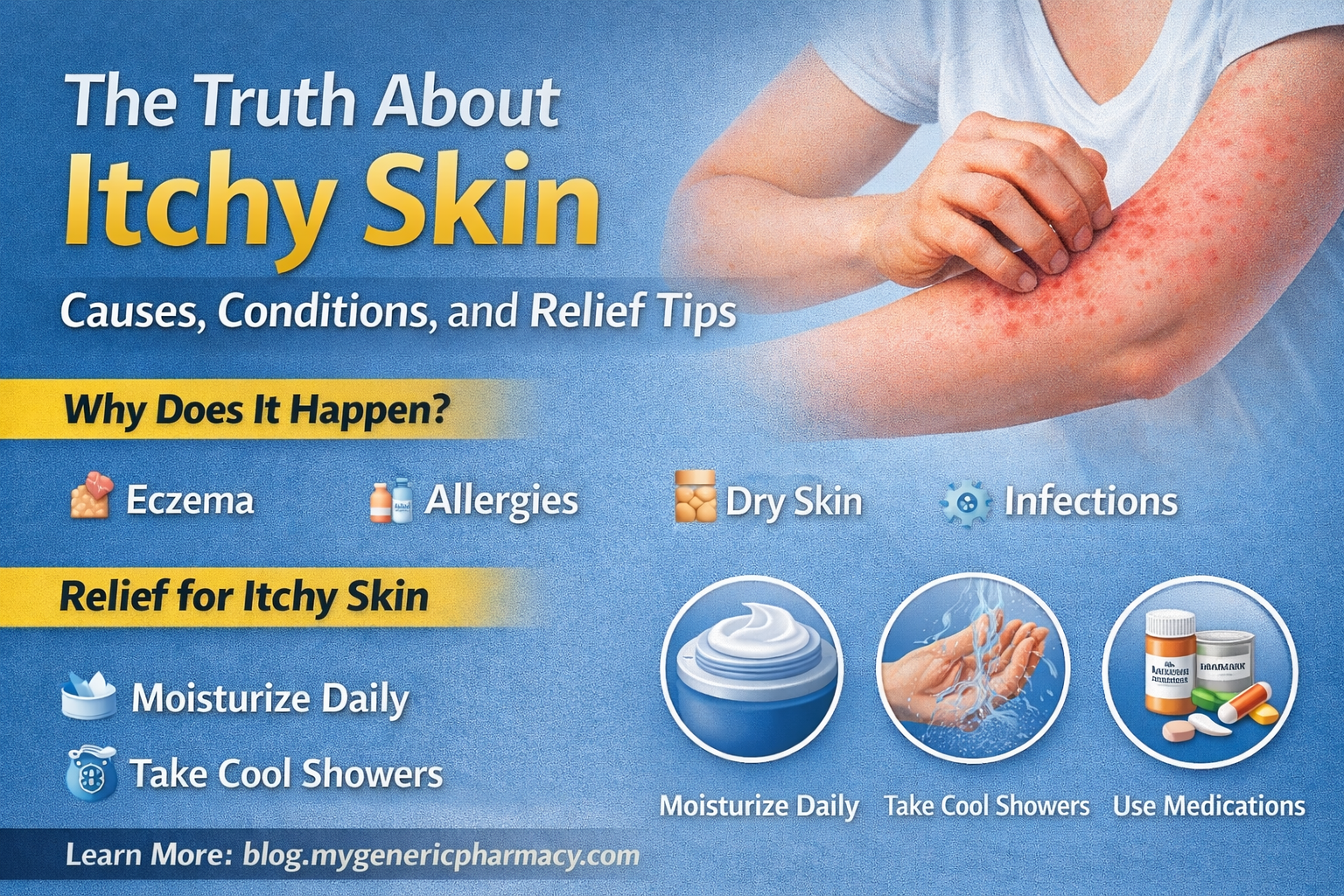
Eczema in kids is one of the most common skin problems in children. In fact, it affects millions worldwide. It causes dry, itchy, and red skin. As a result, it can disturb a child’s comfort and sleep. In simple words, this condition is also known as atopic dermatitis.

Although it is not contagious, it can still be very uncomfortable. Therefore, early care is very important. If ignored, the condition can get worse over time. For example, it may lead to infections or skin damage.

So, parents should understand the signs, causes, and treatment options. In addition, early action can help manage symptoms better and improve a child’s overall well-being.


What Is Eczema?

Eczema in Kids

It is a long-term skin condition. In most cases, it starts in early childhood. As a result, many children experience it at a young age.

In general, affected children have very sensitive skin. This is because the skin barrier is weak. Therefore, moisture escapes easily. At the same time, the skin reacts quickly to irritants and allergens.

Even though this condition is common, it can vary from child to child. For example, some cases are mild. However, in other cases, it can become more serious. Because of this, early care and proper management are very important.


Common Symptoms of Eczema in Kids

First of all, it is important to spot this condition early. This is because early detection helps prevent complications. In addition, timely care can reduce discomfort.

For example, common symptoms include:

  • Constant itching (often worse at night)
  • Dry and rough skin
  • Red or swollen patches
  • Thick or cracked skin
  • Small bumps that may leak fluid

Moreover, these symptoms can vary from child to child. However, in most cases, they follow a similar pattern. These signs usually appear on the face, elbows, knees, hands, and neck. As a result, these areas may feel more sensitive and irritated.

Therefore, parents should pay close attention to these changes. In the same way, early care can help manage the condition better and prevent it from getting worse.


Warning Signs of Eczema in Kids You Should Not Ignore

In many cases, eczema in kids is mild. However, some signs need quick attention.

1. Severe Itching

If your child cannot stop scratching, it can worsen eczema in kids. As a result, sleep may also suffer.

2. Skin Infection

Open sores, pus, or crusting may appear. In such cases, eczema in kids may be infected. Therefore, medical care is needed.

3. Fast-Spreading Rash

If the rash spreads quickly, it may be due to a trigger. So, early action is important.

4. Thick or Dark Skin

Over time, scratching can thicken the skin. This makes eczema in kids harder to treat.

5. No Improvement

If basic care does not help, then eczema in kids may need medical treatment.


What Triggers Eczema in Kids?

Triggers can vary. However, some common causes of eczema in kids include:

  • Dry weather
  • Harsh soaps
  • Dust and pollen
  • Pet hair
  • Certain fabrics
  • Food allergies (in some cases)
  • Stress

Therefore, identifying triggers can help control eczema in kids.


How to Manage Eczema in Kids

Although there is no permanent cure, eczema in kids can be managed well.

1. Keep Skin Moist

First, apply moisturizer daily. This helps protect the skin.

2. Use Gentle Products

Choose mild soaps and cleansers. As a result, irritation is reduced.

3. Reduce Itching

Keep nails short. In addition, use creams if prescribed.

4. Choose Soft Clothes

Wear cotton clothes. This helps avoid irritation.

5. Follow Medical Advice

Doctors may suggest creams or medicines. Therefore, always follow expert advice for eczema in kids.


When to See a Doctor for Eczema in Kids

You should seek help if:

  • Symptoms get worse
  • Infection signs appear
  • Sleep is affected
  • Home care does not work

In such cases, early treatment can control eczema in kids better.


Long-Term Outlook of Eczema in Kids

Many children improve with age. In some cases, eczema in kids may go away completely. However, some may still have symptoms later. Even then, proper care can reduce flare-ups. As a result, children can live more comfortably.


Final Thoughts

Eczema in kids is not just a skin issue. In fact, it can affect sleep, mood, and daily life. However, with early care, it can be managed well. Therefore, parents should act early. By understanding eczema in kids and following simple steps, you can protect your child’s skin. In the long run, this will improve their comfort and health.


References:

  1. World Health Organization. (2021). Skin diseases and their impact on children.
  2. American Academy of Dermatology. Eczema (Atopic Dermatitis) Resource Center.
  3. National Eczema Association. Understanding Atopic Dermatitis in Children.
  4. Mayo Clinic. Atopic Dermatitis (Eczema): Symptoms and Causes.
  5. National Institutes of Health. Eczema and Skin Barrier Function.

Medications that have been suggested by doctors worldwide are available on the link below
https://mygenericpharmacy.com/category/skin-care

Can Omega-3 Save Your Hearing? The Surprising Link You Need to Know

Can Omega-3 Save Your Hearing? The Surprising Link You Need to Know

Hearing loss is becoming a growing health concern worldwide. In fact, millions of people are affected every year. Omega-3 is mainly due to constant exposure to loud environments and age-related changes. For example, people who work in noisy places or use headphones at high volume may face a higher risk.

However, what if something as simple as your diet could help protect your hearing? Today, many experts believe that nutrition plays an important role in overall ear health. Interestingly, recent research suggests that Omega-3 fatty acids may play a surprising role.

These healthy fats may help preserve ear function and support blood flow to the inner ear. As a result, they may reduce the risk of hearing loss over time. While more research is needed, adding Omega-3-rich foods to your diet could be a simple and effective step toward better hearing health.


What Is Hearing Loss and Why Does It Happen?

Hearing loss occurs when there is damage to the inner ear, the auditory nerve, or the brain’s sound-processing centers. In most cases, the most common type is sensorineural hearing loss. This type is often linked to aging, long-term noise exposure, or poor blood circulation.

For example, listening to loud music for long periods can harm the inner ear. Similarly, natural aging can slowly reduce hearing ability over time. In addition, poor blood flow may limit oxygen supply to the ear. As a result, hearing may become weaker or unclear.

Omega-3 for Hearing Health

Key causes include:

  • Aging (presbycusis)
  • Chronic exposure to loud noise
  • Poor cardiovascular health
  • Inflammation and oxidative stress

Moreover, many of these risk factors are influenced by your lifestyle. In particular, diet plays an important role. For example, certain nutrients can improve blood flow and help reduce inflammation. As a result, they may support overall ear health and lower the risk of hearing loss.


Early Signs of Hearing Loss: Omega-3 for Hearing Health

At first, hearing loss can be hard to notice. However, there are some common signs to watch for. For example, you may find it hard to follow conversations. This is more common in noisy places. You may also ask people to repeat themselves more often. Sometimes, sounds may seem dull or unclear.

Another sign is turning up the volume of the TV or phone more than usual. Over time, these small changes can become easy to notice. So, it is important to pay attention early. If you act early, you can take steps to protect your hearing and avoid further problems.


What Are Omega-3 Fatty Acids for Hearing Health?

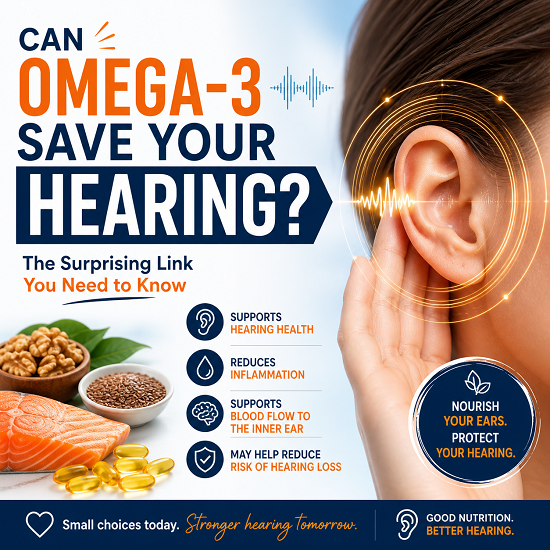
Omega-3 fatty acids are essential fats. In other words, your body cannot make them on its own. Therefore, you must get them from food or supplements.

The main types include:

  • EPA (Eicosapentaenoic acid)
  • DHA (Docosahexaenoic acid)
  • ALA (Alpha-linolenic acid)

In general, these fats support many body functions. For example, they help keep your heart and brain healthy.

Common sources of Omega-3s include:

  • Fatty fish such as salmon, sardines, and mackerel
  • Flaxseeds and chia seeds
  • Walnuts
  • Fish oil supplements

For this reason, adding these foods to your diet may support overall health, including your hearing.


The Link Between Omega-3 and Hearing Health

In recent years, studies show that Omega-3 fatty acids may help protect hearing. In simple terms, these healthy fats help your body work better.

1. Improved Blood Circulation

First, the inner ear needs a steady flow of oxygen-rich blood. Omega-3s support heart health and improve blood flow. As a result, they help protect the delicate parts of the ear. They also help carry nutrients that keep ear cells healthy.

2. Anti-Inflammatory Effects

In addition, long-term inflammation can harm the inner ear. Omega-3s have strong anti-inflammatory effects. So, they may lower this risk. This helps protect the tiny parts inside the ear.


What Does Research Say?

Several studies show that Omega-3s may help hearing. For example, a study in the American Journal of Clinical Nutrition found that people who ate fish twice a week had a lower risk of hearing loss. This shows that regular intake may help over time.

In addition, research from Harvard Medical School shows that Omega-3s help keep blood vessels healthy. As a result, blood flows better to the inner ear. This matters because the ear needs a steady supply of oxygen and nutrients.

Moreover, a study in the Journal of Nutrition found that Omega-3s may slow age-related hearing problems. In simple terms, they may help protect hearing as you age.

However, Omega-3s are not a cure. Instead, they work best as part of a healthy lifestyle. For best results, eat a balanced diet, stay active, and protect your ears from loud noise.


How Much Omega-3 Do You Need?

Health experts suggest a steady intake. For example, eat fatty fish at least twice a week. Good choices include salmon, sardines, and mackerel. These fish are rich in Omega-3s and easy to add to meals.

Alternatively, you can take supplements if your doctor advises it. Fish oil and plant-based options are easy to find. However, always follow the right dose.

Most importantly, stay consistent. In fact, small daily habits make a big difference over time. You do not need large amounts at once. Instead, regular intake works best.

Also, combine Omega-3s with a balanced diet. Eat fruits, vegetables, and whole grains. For example, add fresh salads, seasonal fruits, and simple home meals.

As a result, your body can absorb nutrients better. In addition, drink enough water and keep meals balanced. Over time, these habits support better health.

In the long run, these simple steps can improve your overall health, including your hearing.


Additional Tips to Protect Your Hearing

Omega-3s can help. However, they work best with healthy habits. So, follow these simple tips:

  • First, avoid long exposure to loud noise
  • Next, use ear protection in noisy places
  • Also, control blood pressure and cholesterol
  • In addition, stay physically active
  • Finally, avoid smoking

For example, lower the volume when using headphones and take regular breaks. You can also choose quieter environments when possible. Over time, these small actions can make a big difference.

By doing this, you can better protect your hearing and support long-term ear health.


Are There Any Risks?

Omega-3s are safe for most people. However, some caution is needed.

  • First, taking too much may thin your blood
  • Also, supplements may interact with certain medicines
  • Therefore, it is important to be careful

For example, people who take blood thinners should be extra cautious. In addition, high doses may cause mild side effects like stomach upset or nausea. For this reason, always talk to a doctor before starting supplements. This helps ensure the right dose and avoids any unwanted risks.


Final Thoughts

So, can Omega-3 save your hearing? The answer is hopeful, but not certain. Omega-3s may lower the risk of hearing loss. However, they work best with a healthy lifestyle.

In fact, your ears need good nutrition, just like your heart and brain. So, better food choices today can support your health. For example, add fish, nuts, and seeds to your meals.

At the same time, protect your ears from loud sounds and stay active. These habits are simple but helpful.

In the long run, these small steps may help keep your hearing strong for years to come.


References:

https://www.mayoclinic.org/diseases-conditions/hearing-loss/symptoms-causes/syc-20373072
https://my.clevelandclinic.org/health/diseases/sensorineural-hearing-loss
https://www.healthline.com/health/sensorineural-hearing-loss
https://audiologists.org/resources/conditions/what-is-sensorineural-hearing-loss

Medications that have been suggested by doctors worldwide are available on the link below
https://mygenericpharmacy.com/category/products/allergy-relief

The Pain Behind the Smile: The Truth About Dental Neglect

The Pain Behind the Smile: The Truth About Dental Neglect

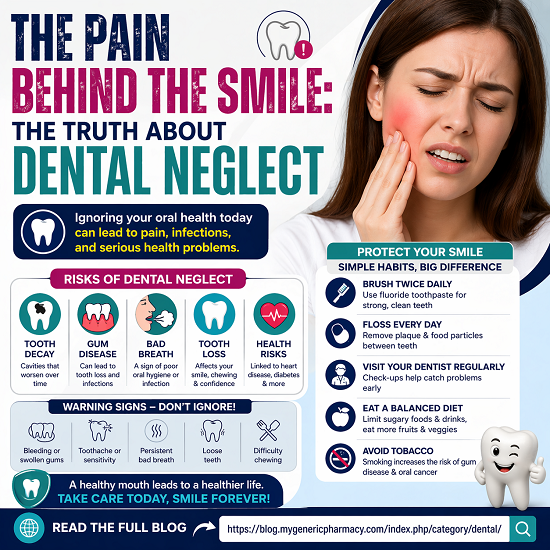
A bright smile often hides more than we realize. In fact, silent dental problems can grow without warning. Over time, these issues can become serious. Dental neglect, ignoring basic oral care, can lead to pain, infections, and even major health problems.

Many people underestimate oral hygiene. However, the truth is simple: your mouth is a gateway to your overall health.


🦷 What Is Dental Neglect?

Dental neglect means not taking proper care of your teeth and gums. In other words, it is the failure to maintain good oral hygiene or seek timely dental care.

Dental Neglect

For example, it includes:

  • Skipping regular brushing and flossing
  • Avoiding dental check-ups
  • Ignoring early signs of oral problems

As a result, these habits can lead to cavities, gum disease, and even tooth loss.


⚠️ Common Problems Caused by Dental Neglect

1. Tooth Decay (Cavities)

First of all, plaque builds up on teeth when they are not cleaned properly. As a result, it produces acids that damage the enamel. This leads to cavities. If left untreated, the problem can worsen and cause infections.

2. Gum Disease

Similarly, gum disease often starts as gingivitis. At this stage, gums become red and swollen. However, if ignored, it can turn into periodontitis. Eventually, this can lead to tooth loss.

3. Bad Breath (Halitosis)

In many cases, bad breath is not just embarrassing—it is a warning sign. Most importantly, it often points to poor oral hygiene or hidden infections.

4. Tooth Loss

Over time, weak teeth and unhealthy gums can result in tooth loss. Consequently, this affects both appearance and the ability to chew properly.


🧠 The Hidden Impact on Overall Health

Importantly, dental neglect does not only affect your mouth. It can also harm your whole body.

For instance, research shows links between oral health and:

  • Heart disease: Bacteria from the gums can enter the bloodstream and affect the heart.
  • Diabetes: Gum disease can make blood sugar harder to control.
  • Respiratory infections: Bacteria can travel to the lungs and cause illness.

Therefore, taking care of your mouth is essential for overall wellness.


🚨 Warning Signs You Should Never Ignore

Early signs are easy to miss. However, ignoring them can lead to serious problems. So, watch out for:

  • Bleeding or swollen gums
  • Tooth pain or sensitivity
  • Persistent bad breath
  • Loose teeth
  • Difficulty chewing

If you notice any of these symptoms, you should see a dentist as soon as possible.


🪥 Simple Steps to Prevent Dental Neglect

Fortunately, prevention is simple and effective. By following a few habits, you can protect your smile.

1. Brush Twice Daily

Always brush your teeth for at least two minutes using fluoride toothpaste.

2. Floss Every Day

In addition, flossing removes plaque from areas your brush cannot reach.

3. Visit Your Dentist Regularly

Most importantly, regular check-ups help catch problems early.

4. Eat a Balanced Diet

Try to limit sugary foods. Instead, choose calcium-rich foods for strong teeth.

5. Avoid Tobacco

Smoking, for example, increases the risk of gum disease and oral cancer.

6. Stay Hydrated:

Drinking water helps clean your mouth and reduce bacteria.


💡 Why People Neglect Dental Care

There are several reasons why people ignore dental care. For instance:

  • Fear of dental treatment
  • High costs
  • Lack of awareness
  • Busy lifestyles

However, delaying care often leads to bigger and more expensive problems later.


✅ The Truth You Shouldn’t Ignore

The biggest misconception is that dental issues are minor or temporary. In reality, neglecting oral health can have long-term consequences that go beyond your smile.

A healthy mouth supports better digestion, clearer speech, and improved confidence. More importantly, it protects your overall health.


🏁 Conclusion

“The pain behind the smile” is real—and preventable. Dental neglect may start silently, but its effects can be serious if ignored. The good news is that simple daily habits and regular dental visits can make a huge difference.

Taking care of your teeth isn’t just about looking good—it’s about living healthier. Start today, because your smile deserves attention and care.


📚 References

  1. World Health Organization (WHO) – Oral Health Fact Sheet
  2. American Dental Association (ADA) – Oral Health Topics
  3. Centers for Disease Control and Prevention (CDC) – Oral Health Conditions
  4. Mayo Clinic – Oral Health: A Window to Your Overall Health

Medications that have been suggested by doctors worldwide are available on the link below
https://mygenericpharmacy.com/category/antibiotics

Can Diabetes Be Reversed? The Truth May Surprise You

Can Diabetes Be Reversed? The Truth May Surprise You

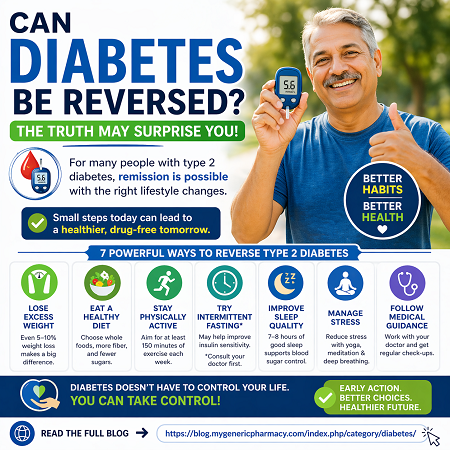
Diabetes is one of the fastest-growing health conditions in the world. It affects millions of people of all ages. Many people think diabetes is a lifelong disease. But is that always true? Many people ask: Can diabetes be reversed? The answer is not a simple yes or no. However, the truth may come as a surprise to you. In some cases, especially with type 2 diabetes, people can achieve remission with healthy lifestyle changes.


🧠 Understanding Diabetes be reversed

Diabetes develops when your body cannot properly regulate blood sugar (glucose). The two main types are:

Diabetes Be Reversed?

  • Type 1 Diabetes: An autoimmune condition. In this condition, the body stops making insulin.
  • Type 2 Diabetes: A metabolic condition. Here, the body becomes resistant to insulin or does not make enough of it.

Currently, there is no cure for type 1 diabetes. However, many people can manage type 2 diabetes. In some early cases, they may even achieve remission through healthy lifestyle changes.


🔄 What Does “Reversal” Really Mean?

“Reversal” does not mean diabetes goes away forever. Instead, it means you keep your blood sugar levels in a healthy range without medicine. Doctors call this remission. However, unhealthy habits can raise blood sugar levels again. Therefore, you need healthy lifestyle changes for long-term success.


🔑 Proven Ways to Achieve Diabetes Remission

1. 🥗 Lose Excess Weight

Losing extra weight can improve insulin sensitivity. In fact, studies show that losing just 5–10% of body weight may lower blood sugar levels.

2. 🥦 Follow a Healthy Diet

A healthy diet can improve diabetes control. Therefore, focus on:

  • Whole grains
  • Leafy vegetables
  • Lean proteins
  • Healthy fats

At the same time, avoid too much sugar, processed food, and sugary drinks.

3. 🚶 Stay Physically Active

Regular exercise helps your body use insulin better. For example, walking, cycling, and swimming are great choices. Aim for at least 150 minutes of moderate exercise each week.

4. ⏰ Try Intermittent Fasting (With Medical Advice)

Some studies suggest that controlled fasting may help balance insulin levels and support weight loss. However, always speak with a healthcare professional before trying it.

5. 😴 Improve Sleep Quality

Poor sleep may increase insulin resistance. Therefore, try to get 7–8 hours of quality sleep every night.

6. 🧘 Manage Stress

Long-term stress can raise blood sugar levels. As a result, stress management becomes important. Techniques such as yoga, meditation, and deep breathing may help you feel more balanced.

7. 💊 Follow Medical Guidance

Some people may need medicines or structured treatment programs in the beginning. However, doctors may lower or stop certain medicines as health improves over time.


⚠️ Who Can Diabetes Be Reversed For?

Diabetes reversal is more likely if:

  • Receive an early diagnosis of type 2 diabetes
  • You are overweight or obese
  • You are ready to make consistent lifestyle changes

Even if full remission does not happen, these healthy habits can still improve overall health. In addition, they may help prevent serious complications.


🚨 Common Myths About How Diabetes Be Reversed

“Taking medicine alone can reverse diabetes.”
However, healthy lifestyle changes are also necessary.

“Only young people can reverse diabetes.”
In fact, people of all ages can benefit from healthy habits.

“Once reversed, it’s gone forever.”
Instead, ongoing care and healthy routines are still important.


💡 The Surprising Truth

The biggest surprise? Your daily habits have more power than you may think. Research shows that structured lifestyle programs can help many people with type 2 diabetes achieve remission. This means small, consistent steps, such as eating healthier foods, staying active, and managing stress, can improve your overall health.


✅ Conclusion

So, can diabetes be reversed? For many people with type 2 diabetes, the answer is yes — remission is possible. However, it requires commitment, consistency, and long-term lifestyle changes. Rather than viewing it as a quick fix, think of it as a sustainable journey toward better health. In the end, the choices you make today can shape a healthier future.


📚 References

  1. American Diabetes Association (ADA) – Standards of Medical Care in Diabetes
  2. Diabetes UK – Can Type 2 Diabetes Be Reversed?
  3. National Institute of Diabetes and Digestive and Kidney Diseases (NIDDK)
  4. Harvard T.H. Chan School of Public Health – Diabetes Prevention & Management

Medications that have been suggested by doctors worldwide are available on the link below
https://mygenericpharmacy.com/category/disease/diabetes

Can Dementia Be Prevented? The Truth May Surprise You

Can Dementia Be Prevented? The Truth May Surprise You

Introduction: Can dementia be prevented? People often link dementia to memory loss, confusion, and reduced independence. However, the truth may come as a surprise to you. In fact, healthy lifestyle changes may help delay or reduce up to 40% of dementia cases, although they cannot always prevent dementia completely. Therefore, taking care of your brain health today could make a big difference in the future. As a result, even small daily habits may help support long-term cognitive health.


🧠 Can Dementia Be Prevented Naturally?

Dementia is not a single disease. Instead, it is a group of conditions that affect memory, thinking, and social skills. The most common type of dementia is Alzheimer’s disease. It usually develops slowly and becomes worse over time. As a result, dementia can affect daily activities, communication, and independence.

Can dementia be prevented?


⚠️ Can Dementia Be Prevented With a Healthy Lifestyle?

There is no sure way to prevent dementia, especially when genes play a role. However, healthy habits can help keep the brain healthy. In fact, many dementia risks are linked to daily choices that people can control. Therefore, simple habits like eating healthy food, staying active, and getting enough sleep may help lower the risk of dementia.


🔑 10 Science-Backed Ways to Reduce Dementia Risk

1. Stay Physically Active

Regular exercise improves blood flow to the brain and supports brain health. For example, activities like walking, yoga, or cycling for 30 minutes a day may help lower the risk of dementia.

2. Eat a Brain-Healthy Diet

A healthy diet can support better brain function. Therefore, try to eat more fruits, vegetables, whole grains, nuts, and healthy fats. At the same time, limit processed foods and sugary drinks.

3. Keep Your Mind Engaged

Mental activities help keep the brain active and strong. For instance, reading, solving puzzles, learning new skills, or playing games may help slow cognitive decline.

4. Control Blood Pressure

High blood pressure during midlife strongly increases the risk of dementia. Regular health check-ups, exercise, and healthy eating may help control blood pressure.

5. Manage Diabetes

Uncontrolled diabetes can damage blood vessels in the brain. As a result, it may increase the risk of dementia over time. Keeping blood sugar levels under control is important for brain health.

6. Get Quality Sleep

Good sleep is important for memory and brain function. Therefore, aim for 7 to 8 hours of restful sleep every night to support cognitive health.

7. Stay Socially Connected

Spending time with friends and family may help keep your brain active. In addition, social connections can reduce loneliness and support emotional well-being.

8. Avoid Smoking and Limit Alcohol

Smoking harms blood vessels and reduces blood flow to the brain. Likewise, too much alcohol may damage brain cells and affect memory.

9. Protect Your Head

Head injuries may increase the risk of dementia later in life. Therefore, wear helmets when needed and take steps to prevent falls and accidents.

10. Treat Hearing Loss

Hearing loss is an often overlooked risk factor for dementia. Using hearing aids and getting proper treatment may help protect brain function.


Can Dementia Be Prevented by Managing Stress?

Stress affects more than your mood. It can also harm your brain health. In fact, long-term stress may increase inflammation and raise the risk of memory problems over time. Simple habits like meditation, deep breathing, exercise, and spending time with loved ones may help calm the mind. In addition, good sleep and regular breaks from daily pressure can improve brain function. Although stress management cannot fully prevent dementia, it may help protect memory and support mental well-being as you grow older.


Can Dementia Be Prevented With Better Sleep?

Good sleep helps keep the brain healthy and supports memory. In fact, poor sleep may raise the risk of dementia over time. During sleep, the brain clears waste and repairs itself. Most adults need 7 to 8 hours of good sleep every night. Simple habits like sleeping at the same time each day, avoiding screens before bed, and drinking less caffeine may improve sleep quality. Although sleep cannot fully prevent dementia, it may help lower the risk and support long-term brain health.


🧬 The Role of Genetics

Genes can affect your risk of dementia, especially early-onset dementia. However, healthy lifestyle choices still play a major role, even if dementia runs in your family. In simple terms, genes may increase the risk, but daily habits can strongly influence your brain health over time.


🧪 Early Detection Matters

Doctors cannot always prevent dementia. However, early detection may help slow the disease. Therefore, it is important to notice early warning signs, such as:

  • Frequent memory loss
  • Trouble doing familiar tasks
  • Confusion about time or place

In addition, seeing a doctor early may improve treatment and quality of life.


💡 The Truth That Surprises Most People

Many people believe dementia is a normal part of aging, but that is not true. Although age is the biggest risk factor, your daily habits also affect brain health.


✅ Conclusion

So, can dementia be prevented? Not completely. However, healthy lifestyle changes may help delay dementia or reduce its risk. The key lies in adopting a healthy lifestyle early and maintaining it over time. Your brain health is in your hands more than you might think.


📚 References

  1. World Health Organization (WHO) – Risk Reduction of Cognitive Decline and Dementia
  2. Alzheimer’s Association – 10 Ways to Love Your Brain
  3. National Institute on Aging – Preventing Alzheimer’s Disease: What Do We Know?
  4. Harvard Medical School – Six Steps to Prevent Memory Loss

Medications that have been suggested by doctors worldwide are available on the link below
https://mygenericpharmacy.com/category/disease/alzheimer-disease

The Silent Battle: Understanding Chronic Pain and Its Impact

The Silent Battle: Understanding Chronic Pain and Its Impact

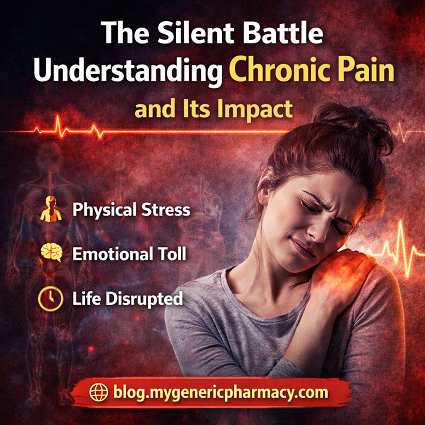
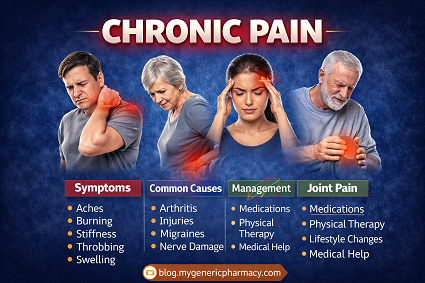
Chronic pain is more than simple discomfort. It is a long-term condition that can affect daily life. Unlike acute pain, which goes away as the body heals, chronic pain can last for weeks, months, or even years. Because of this, many people struggle with pain every day. In turn, it can affect physical health, mental health, and overall well-being.


🧬 What Is Chronic Pain?

Chronic pain is pain that lasts longer than three months. Sometimes, the pain continues even after the injury or illness has healed. It can happen in any part of the body. In some cases, the pain stays constant. In other cases, it comes and goes.

Common types of chronic pain include:

According to the World Health Organization, chronic pain is one of the main causes of disability worldwide. As a result, it affects both adults and children.


⚠️ Causes of Chronic Pain

Chronic pain can happen for many reasons. Sometimes, doctors know the exact cause. However, in other cases, the cause is unclear. Therefore, treatment may become harder.

Common causes include:

  • Past injuries or surgeries
  • Arthritis and joint problems
  • Nerve damage
  • Long-term illnesses such as fibromyalgia
  • Poor posture or repeated strain

In addition, unhealthy habits can make pain worse. For example, stress, poor sleep, and lack of exercise may increase pain over time.


🧠 The Connection Between Pain and Mental Health

Chronic pain affects both the body and the mind. Many people with long-term pain also deal with anxiety, depression, or emotional stress.

The Centers for Disease Control and Prevention explains that chronic pain and mental health problems are closely linked. For example, pain may increase stress, while stress may make pain feel stronger.

Because of this, treating emotional health is just as important as treating physical pain. In many cases, counseling, therapy, and stress relief techniques can help.


🚨 How Chronic Pain Affects Daily Life

Living with chronic pain can make normal tasks harder. For instance, people may struggle to walk, work, exercise, or sleep comfortably.

Common effects include:

  • Trouble doing daily activities
  • Lower work performance
  • Sleep problems

Although chronic pain may not fully disappear, it can often be controlled with proper treatment. However, medicine alone is usually not enough.


🌿 Natural Ways to Manage Chronic Pain

Healthy lifestyle habits may also help reduce chronic pain.

Helpful methods include:

  • Low-impact exercise like walking or yoga
  • Eating healthy, anti-inflammatory foods
  • Stress management and meditation
  • Getting enough sleep

Furthermore, regular movement can improve flexibility and reduce stiffness. As a result, many people feel better over time.


🩺 When to Seek Medical Help

You should talk to a healthcare professional if your pain:

  • Lasts for several weeks
  • Affects daily activities
  • Gets worse over time
  • Comes with other symptoms

Early treatment is important because it may prevent more serious problems later.


🌟 Final Thoughts

Chronic pain is a serious condition that can affect every part of life. Even though the pain may not always be visible, its effects are real. Fortunately, proper treatment, support, and healthy habits can help many people manage their symptoms.

In conclusion, understanding chronic pain is the first step toward better control. Therefore, do not ignore ongoing pain. Instead, seek help, make healthy choices, and take care of your well-being.


📚 References

  1. World Health Organization – Chronic pain and global health impact
  2. Centers for Disease Control and Prevention – Chronic pain statistics and mental health link
  3. National Institute of Neurological Disorders and Stroke – Chronic pain causes and treatments
  4. American Chronic Pain Association – Pain management strategies

Medications that have been suggested by doctors worldwide are available on the link below
https://mygenericpharmacy.com/category/products/disease/inflammation

Is Your Cholesterol Killing You Slowly? Know the Risks Now

Is Your Cholesterol Killing You Slowly? Know the Risks Now

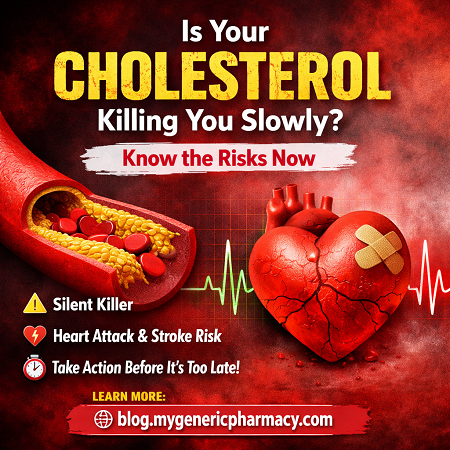
Cholesterol often has a bad reputation; however, your body still needs it to stay healthy. For example, LDL helps build cells and produce important hormones. However, too much cholesterol, especially unhealthy LDL cholesterol, can slowly harm your body. Over time, it may raise the risk of serious problems such as heart disease and stroke. In many cases, HDL does not cause clear symptoms. As a result, many people do not know they have it until a major health issue appears. Therefore, checking your HDL/LDL levels regularly and understanding the risks early are very important for long-term health.


🧬 What Is Cholesterol and Why Does It Matter?

Bad cholesterol is a waxy, fat-like substance found in your blood. Your body needs it to build healthy cells and produce hormones. It travels through your bloodstream in two main forms:

Cholesterol

LDL can slowly build up inside your arteries and form plaques that reduce blood flow over time. In contrast, HDL helps remove extra HDL/LDL from your bloodstream and carries it back to the liver. Therefore, keeping a healthy balance between LDL and HDL is very important for heart health. Moreover, when LDL levels stay high and HDL levels remain low, the risk of heart disease, stroke, and poor circulation may increase significantly.


⚠️ The Silent Danger of High Cholesterol

High LDL is often called a “silent killer” because it usually does not cause symptoms. However, over time, it can damage your arteries. A condition called atherosclerosis may develop, which makes the arteries hard and narrow. As a result, blood flow to important organs becomes weaker. This can raise the risk of heart attacks, strokes, and other serious heart problems. Therefore, regular LDL tests are important, even if you feel healthy.

Over time, high HDL may lead to:

  • Heart attacks
  • Strokes

According to the World Health Organization, HDL is a major risk factor for cardiovascular disease. In fact, heart disease is one of the leading causes of death worldwide.


🚨 Key Risk Factors You Should Know

Many lifestyle habits and genetic factors can increase LDL levels. Therefore, understanding these risks can help you take action early.

Common risk factors include:

  • Eating foods high in saturated fat
  • Lack of exercise
  • Smoking
  • Obesity
  • Diabetes

🥗 How Diet Impacts Cholesterol

What you eat can directly affect your Lipid levels. For example, processed foods, trans fats, and sugary drinks may raise LDL, or “bad,” cholesterol. Over time, this may increase the risk of heart disease.

On the other hand, healthy foods can help improve Fat levels in the blood
levels naturally. Good choices include:

  • Oats and whole grains
  • Fresh fruits and vegetables
  • Nuts and seeds
  • Fatty fish rich in omega-3 fatty acids

In addition, eating less fried food, red meat, and packaged snacks may help lower LDL cholesterol. Therefore, healthier food choices can improve your heart health.


🏃‍♀️ Lifestyle Changes That Make a Difference

Healthy daily habits can help control HDL/LDL naturally. In fact, small lifestyle changes may improve heart health over time.

Simple steps include:

  • Exercise for at least 30 minutes most days
  • Quit smoking
  • Limit alcohol intake
  • Maintain a healthy weight

In addition, getting enough sleep and managing stress may also support healthy LDL/HDL levels.


💊 When Medication Is Needed

Sometimes, lifestyle changes alone may not be enough. In such cases, doctors may prescribe medicines such as Statins to lower LDL cholesterol. These medicines reduce the amount of HDL made by the liver.


🩺 Importance of Regular Check-Ups

HDL often has no symptoms. A simple lipid profile can measure LDL levels and detect problems early. People with risk factors may need more frequent testing.


🌟 Final Thoughts

Cardiovascular disease may not cause symptoms right away, but it can seriously harm your health over time. The good news is that it can often be managed or prevented. By eating healthy foods, staying active, checking your cholesterol levels, and following medical advice, you can protect your heart and improve your overall health. Therefore, do not wait for warning signs. Start taking care of your cholesterol today for a healthier future.


📚 References

  1. World Health Organization – Cardiovascular diseases and cholesterol risk factors
  2. Centers for Disease Control and Prevention – Cholesterol guidelines and prevention
  3. American Heart Association – Understanding cholesterol and heart health
  4. National Heart, Lung, and Blood Institute – Cholesterol management and treatment guidelines

Medications that have been suggested by doctors worldwide are available on the link below
https://mygenericpharmacy.com/category/products/disease/heart-disease

Healthy Heart, Happy Life: Proven Ways to Improve Cardiovascular Fitness

Healthy Heart, Happy Life: Proven Ways to Improve Cardiovascular Fitness

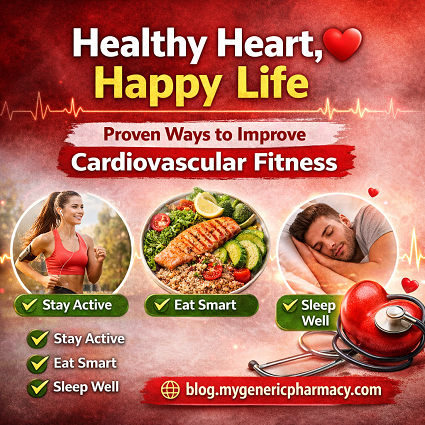
Your heart works nonstop to keep you alive. However, many people ignore heart health until problems appear. Cardiovascular fitness is not only for athletes. Instead, it is important for anyone who wants a longer, healthier, and more active life. Fortunately, improving heart health does not require extreme changes. In fact, small daily habits can create big results over time.


❤️ What Is Cardiovascular Fitness?

Cardiovascular fitness shows how well your heart, lungs, and blood vessels deliver oxygen to your body during physical activity. In simple words, it measures how well your heart works when your body is active. As a result, a strong cardiovascular system helps you feel more energetic, recover faster, and lower the risk of serious conditions such as heart disease, stroke, and high blood pressure.


🏃‍♂️ 1. Move Your Body Regularly

Physical activity is one of the best ways to improve heart health. In fact, regular exercise strengthens your heart and improves blood flow throughout the body.

Best activities for cardiovascular fitness:

  • Brisk walking
  • Cycling
  • Swimming
  • Jogging
  • Dancing

👉 Try to get at least 30 minutes of moderate exercise, 5 days a week.

Additionally, consistency is more important than intensity. Even simple activities done every day can improve heart health. Furthermore, regular movement may help control weight, improve stamina, and reduce stress.


🥗 2. Eat a Heart-Healthy Diet

The foods you eat directly affect your heart. Therefore, healthy food choices can help lower cholesterol, manage blood pressure, and maintain a healthy weight.

Eat more:

  • Fruits and vegetables
  • Whole grains
  • Lean proteins such as fish, chicken, and beans
  • Healthy fats such as nuts and olive oil

Limit:

  • Processed foods
  • Sugary drinks
  • Too much salt
  • Trans fats

🍎 A healthy diet gives your body energy and also protects your heart from damage. Moreover, nutritious foods support overall wellness and better daily performance.


😌 3. Manage Stress Effectively

Long-term stress can negatively affect heart health. For example, stress may raise blood pressure and lead to unhealthy habits like overeating or smoking.

Simple ways to reduce stress:

  • Meditation
  • Deep breathing
  • Yoga
  • Spending time with family and friends

Moreover, taking a few minutes each day to relax can improve cardiovascular health. In addition, lower stress levels may improve mood and sleep quality.


🚭 4. Avoid Smoking and Limit Alcohol

Smoking is a major risk factor for heart disease because it damages blood vessels and lowers oxygen levels in the blood. Similarly, drinking too much alcohol can increase blood pressure and harm the heart.

👉 If you smoke, quitting can greatly improve your heart health.
👉 Likewise, if you drink alcohol, try to do so in moderation.

As a result, your heart and lungs may function better over time.


😴 5. Prioritize Quality Sleep

Good sleep is essential for a healthy heart. Unfortunately, poor sleep may increase the risk of high blood pressure, obesity, and heart disease.

Tips for better sleep:

  • Go to bed at the same time each night
  • Avoid screens before sleeping
  • Keep your bedroom quiet and comfortable

💤 Most adults should aim for 7–8 hours of sleep every night.

Furthermore, quality sleep helps the body recover and supports healthy heart function.


⚖️ 6. Maintain a Healthy Weight

Excess weight puts extra strain on your heart. However, even a small amount of weight loss can improve cardiovascular fitness.

Helpful habits include:

  • Balanced eating
  • Regular exercise
  • Portion control

As a result, your heart will work more efficiently, and your overall health will improve. In the long run, maintaining a healthy weight may also reduce the risk of diabetes and high cholesterol.


🌟 Final Thoughts

Improving cardiovascular fitness doesn’t require drastic changes. Instead, it’s about building sustainable habits over time. By staying active, eating well, managing stress, and getting enough sleep, you can significantly boost your heart health. Moreover, small daily improvements often lead to lasting results. In conclusion, a healthy heart leads to a happier and more fulfilling life. So, start small, stay consistent, and your heart will thank you for years to come.


References:

How Exercise Helps Your Heart – Cleveland Clinic Health Essentials
Exercise and the Heart – Johns Hopkins Medicine
Lifestyle Changes for a Stronger Heart: A Comprehensive Guide

Medications that have been suggested by doctors worldwide are available on the link below
https://mygenericpharmacy.com/category/blood-pressure

The Truth About Bowel Disease: Warning Signs You Should Never Ignore

The Truth About Bowel Disease: Warning Signs You Should Never Ignore

Bowel diseases are common health problems that affect millions of people around the world. Some conditions cause mild digestive discomfort, while others can lead to serious long-term health issues. Therefore, early awareness and timely treatment are very important. In 2026, more people are learning how early detection can help manage bowel disease and reduce complications.

This guide explains bowel disease in simple terms. In addition, it covers common warning signs, possible causes, and ways to protect your digestive health.


What Is Bowel Disease?

Bowel disease refers to a group of disorders that affect the intestines. These include conditions like Irritable bowel syndrome, Crohn’s disease, and Ulcerative colitis. However, some bowel diseases are functional, which means they affect how the gut works. On the other hand, other bowel diseases are inflammatory and may cause long-term damage to the digestive tract over time. Therefore, recognizing symptoms early and seeking proper treatment are extremely important.


Common Causes of Bowel Disease

Bowel diseases can develop for many reasons. For example, genetics, poor diet, infections, and stress may increase the risk. In addition, smoking, lack of exercise, and immune system problems can also affect digestive health over time.

Common causes include:

  • Genetics: A family history of bowel disease may increase risk.
  • Poor diet: Low-fiber foods and too many processed foods may harm digestion.
  • Stress: Stress can affect gut function and worsen symptoms.
  • Infections: Bacterial or viral infections may trigger bowel problems.
  • Immune system issues: These are common in inflammatory bowel diseases.

Understanding these causes may help you protect your digestive health and lower your risk of bowel.


Warning Signs You Should Never Ignore

Although some signs may seem mild at first, they can sometimes point to serious health problems. Therefore, you should pay attention to ongoing symptoms and seek medical advice if they do not improve

Common symptoms include:

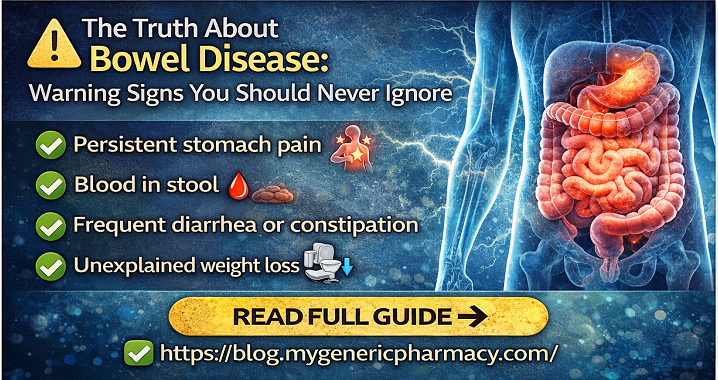
  • Persistent abdominal pain or cramps
  • Frequent diarrhea or constipation
  • Blood in the stool
  • Unexplained weight loss
  • Fatigue and weakness
  • Bloating or excess gas

If these symptoms continue or become worse over time, it is important to see a doctor as soon as possible. Otherwise, delayed treatment may lead to more serious health complications.


Types of Bowel Diseases

1. Irritable Bowel Syndrome (IBS)

Irritable bowel syndrome (IBS) is a common condition that affects how the bowels work. It can cause stomach pain, bloating, gas, and irregular bowel habits. However, IBS does not usually damage the intestines. Although the symptoms may affect daily life, the condition is generally less serious than inflammatory bowel diseases.

3. Infections and Other Disorders

Bacterial infections and food poisoning can also cause temporary bowel problems. For example, they may lead to diarrhea, stomach pain, cramps, and nausea. However, these conditions often improve with proper treatment, enough fluids, and adequate rest.


How Bowel Disease Affects Your Health

Bowel diseases can affect more than just digestion. In fact, they may also influence energy levels, nutrition, mental well-being, and overall quality of life. As a result, many people may face both physical discomfort and emotional stress.

Some possible complications include:

  • Nutrient deficiencies
  • Dehydration
  • Reduced quality of life
  • Mental health problems such as anxiety or stress

Therefore, proper treatment and healthy lifestyle habits are important. In addition, early management may help reduce symptoms, improve daily life, and prevent long-term complications.


How to Protect Your Gut Health

1. Eat a Balanced Diet

Eat more fiber-rich foods such as fruits, vegetables, and whole grains. In addition, try to limit processed, oily, and spicy foods because they may upset the digestive system.

2. Stay Hydrated

Drink enough water every day to support healthy digestion and prevent constipation. Furthermore, proper hydration may help the bowels work more smoothly.

3. Manage Stress

Stress can worsen bowel symptoms and affect digestion. Therefore, relaxation methods such as meditation, yoga, and deep breathing may help reduce discomfort.

4. Exercise Regularly

Regular exercise supports digestion and improves overall health. Moreover, physical activity may help maintain regular bowel movements.

5. Avoid Smoking and Excess Alcohol

Smoking and excessive alcohol use can irritate the digestive system and worsen symptoms. As a result, avoiding these habits may help protect bowel health.


You should seek medical attention if you notice any of the following symptoms:

  • Blood in the stool
  • Severe abdominal pain
  • Sudden or unexplained weight loss
  • Ongoing digestive problems

In addition, early diagnosis and proper treatment can help prevent serious complications. As a result, you may improve your digestive health and overall well-being.


Treatment Options

Treatment depends on the type and severity of the condition. Therefore, doctors may suggest different treatments based on each person’s symptoms and overall health.

  • Medications: These may help reduce inflammation or control symptoms.
  • Dietary changes: Personalized nutrition plans can support better digestion and reduce discomfort.
  • Lifestyle modifications: Stress management, regular exercise, and healthy habits may improve overall bowel health.
  • Surgery: In severe cases of inflammatory bowel disease, surgery may sometimes be necessary.

In addition, a healthcare provider can guide you toward the most suitable treatment plan based on your symptoms and overall health.


Conclusion: Listen to Your Gut

Bowel disease is not something that should be ignored. In many cases, early warning signs can help you take action before the condition becomes more serious. Therefore, paying attention to symptoms and seeking timely medical advice are extremely important.

In addition, maintaining a healthy lifestyle, eating a balanced diet, staying active, and managing stress may support better digestive health. As a result, you may improve both your overall well-being and quality of life. Listen to your body, act early, and make your gut health a priority.


Understanding Bowel Disease:

Bowel disease can affect people in different ways. Some people may have mild symptoms, while others may face serious health problems. Common signs include stomach pain, bloating, diarrhea, constipation, and tiredness. In some cases, people may also notice blood in the stool or sudden weight loss. Therefore, it is important to pay attention to changes in digestion and bowel habits.

Healthy daily habits may help support bowel health. For example, eating more fruits, vegetables, and whole grains can improve digestion. In addition, drinking enough water and staying active may help the bowels work properly. Stress management is also important because stress can worsen digestive symptoms. As a result, simple lifestyle changes may help reduce discomfort and improve overall well-being. Therefore, people should not ignore symptoms that continue for a long time.


serious digestive problems.

Bowel disease is a health problem that affects the intestines. Some people may only have mild symptoms, while others may develop serious digestive problems. Common signs include stomach pain, bloating, gas, diarrhea, constipation, and tiredness. In some cases, people may also notice blood in the stool or sudden weight loss. Therefore, it is important to notice these warning signs early.

There are many types of bowel disease. Some conditions, such as irritable bowel syndrome (IBS), affect how the gut works. However, other conditions, such as Crohn’s disease and ulcerative colitis, cause inflammation in the digestive tract. As a result, these diseases may damage the intestines over time if treatment is delayed.


Several factors may increase the risk of bowel disease. For example, poor diet, stress, smoking, infections, and family history can all affect digestive health. In addition, eating too much processed food and not drinking enough water may worsen symptoms. Therefore, healthy lifestyle habits are very important for better bowel health.

People should eat more fruits, vegetables, and whole grains. Furthermore, reducing stress through yoga, meditation, or relaxation exercises may improve gut health.


Type of disease and the severity of symptoms

These may include blood tests, stool tests, scans, and colonoscopy procedures. Treatment depends on the type of disease and the severity of symptoms. Some people may need medicines, while others may benefit from diet changes and stress management.

Therefore, people should not ignore symptoms that continue for a long time. Taking care of digestive health may improve energy levels, daily comfort, and overall quality of life.


References:

  1. World Health Organization – Digestive health and disease prevention
  2. Centers for Disease Control and Prevention – Gastrointestinal disease resources
  3. National Institute of Diabetes and Digestive and Kidney Diseases – Bowel disease information
  4. Mayo Clinic – Symptoms and treatment guidelines

Medications that have been suggested by doctors worldwide are available on the link below
https://mygenericpharmacy.com/category/products/stomach